


Antique Irish Silverware
These antique irish silverware pieces bring the distinct craftsmanship of Dublin workshops and regional makers into your collection.
Antique Irish Silverware
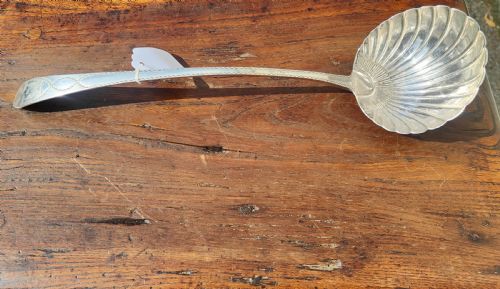
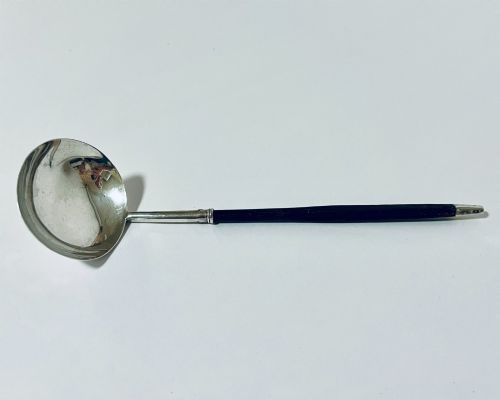
When you search for antique irish silverware, you encounter a range of forms spanning the eighteenth and nineteenth centuries. These pieces encompass serving utensils, flatware, tea caddy spoons, sugar bowls, cups, salvers, and drinking vessels such as methers.
The objects frequently reflect stylistic movements including Georgian Rococo, Regency, and the later Celtic Revival. Pieces emerge from periods such as the Georgian era, the Edwardian years, and specific dates in the seventeen-hundreds and eighteen-hundreds.
You are most likely to meet spoons, ladles, and hollowware that display the characteristic weight and hallmarks of Irish silversmithing. These utilitarian and decorative items demonstrate the domestic social habits and dining customs of their respective periods.
Materials and construction
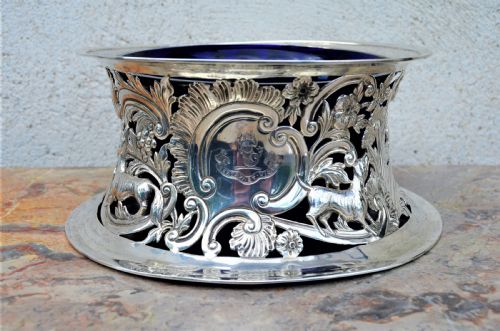
The primary material across the selection is sterling silver, often combined with secondary elements like wood, gemstones, or cobalt glass liners in vessels such as sugar bowls and dish rings.
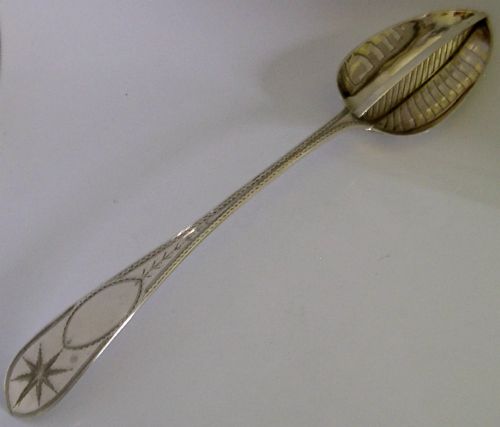
Silversmiths utilised hammering, casting, and chasing techniques to form heavy serving pieces, hollowware, and intricate handles. Engraved crests and pierced decoration appear frequently on basting spoons, strainers, and salvers.
Antique Irish Silverware Retail Price Guide 2026
Typical asking prices for irish silverware among the pieces listed under this phrase on Sellingantiques today, from the lower quarter to the upper quarter. They describe what is for sale here now, not the wider market.
The listings encompass items spanning the eighteenth, nineteenth, and early twentieth centuries, featuring sterling silver alongside wood and cobalt glass.
Assessing quality in silver
Quality rests upon the crispness of the chasing and the integrity of the original form, particularly where handles join bowls or feet support vessels. Deep, legible hallmarks and sharp crest engravings indicate superior workshop standards.
The gauge of the silver dictates the physical presence of the object, with heavier basting spoons and ladles demonstrating substantial metal content. Surviving auxiliary elements, such as intact cobalt glass inserts or paired components, elevate the overall cohesion of the piece.
John Craig·Thomas Sutton
The Antique Irish Silverware Glossary
- Mether
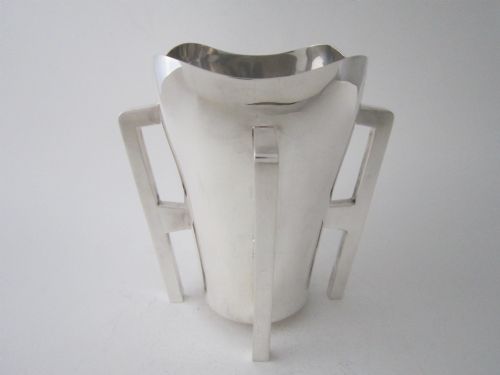
- A traditional wooden or silver drinking vessel with multiple handles, often associated with Irish form and revival styles. These communal cups date back to early Celtic traditions.
- Salver
- A flat plate or tray with feet used for serving drinks or food. In silver, these items often feature shaped borders and engraved centre fields.
- Marrow scoop
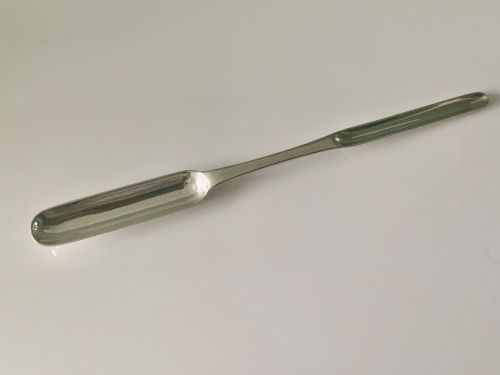
- A narrow, double-ended utensil designed for extracting marrow from bones. Eighteenth-century examples typically feature a small trough at one end and a larger one at the other.
- Dish ring
- An open-work stand, often spool-shaped, designed to hold bowls or hot dishes off a wooden table. These pieces frequently showcase elaborate pierced floral and scrollwork designs.
- Basting spoon
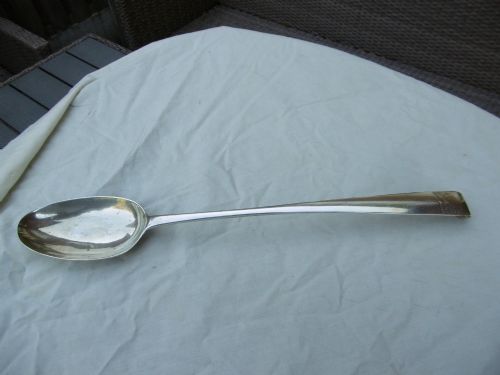
- An elongated spoon utilised in food preparation for pouring juices over meat. These substantial utensils often bear family crests on the terminal.
Antique Irish Silverware: Frequently Asked Questions
What is a mether?
A mether is a traditional drinking vessel featuring multiple handles, designed for communal passing. Silver iterations of this form often appear in later revival styles.
These pieces draw on ancient Irish drinking customs while utilising the metalworking techniques of the twentieth century.
How do I identify Georgian pieces?
Georgian silver is identified through stylistic markers such as Rococo scrolls, heavy gauge metal, and specific hallmarks associated with Dublin assay offices. These objects span the reigns of the Georges.
Examining the form and the clarity of the maker marks helps distinguish these eighteenth-century pieces from later nineteenth-century revivals.
Were these items used daily?
Many silver items served practical functions in dining and tea service, including ladles, tea pots, and cream jugs. Their robust construction supported regular household use.
Over time, handling creates a soft patina on the surface of the silver, distinguishing working pieces from purely decorative objects.
What is a dish ring?
A dish ring is an open-worked silver stand placed on the dining table to protect surfaces beneath hot serving bowls. They became popular in the eighteenth century.
The pierced design often incorporates pastoral scenes, birds, and floral scrolls executed through piercing and repoussé work.