


Antique Inkwell Set
An antique inkwell set anchors the writing desk, combining functional desk accessories with the rich materiality of past centuries.
Antique Inkwell Set
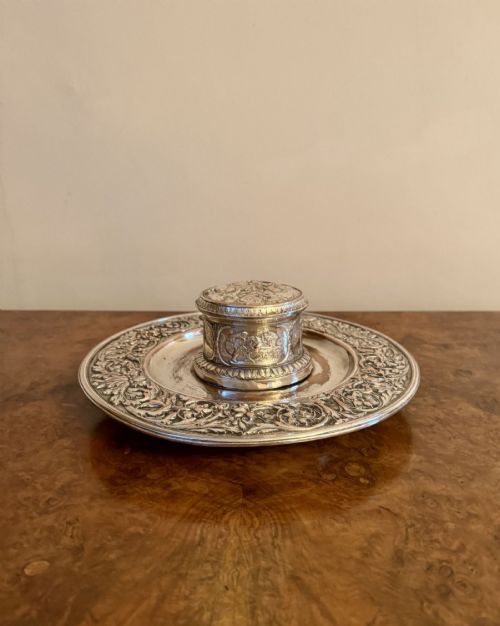
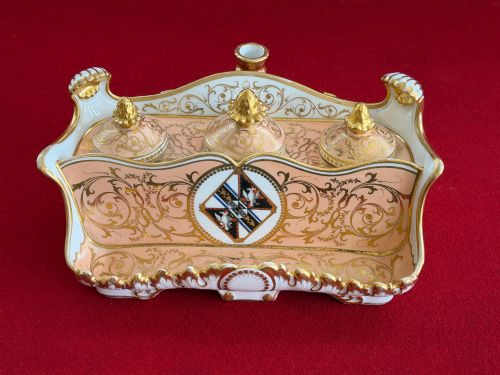
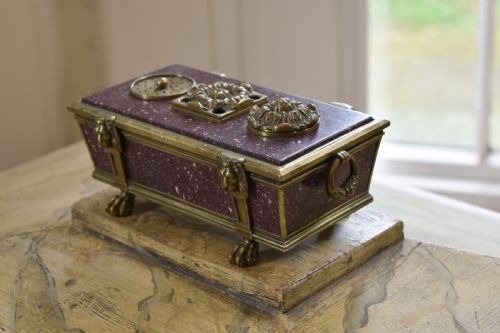
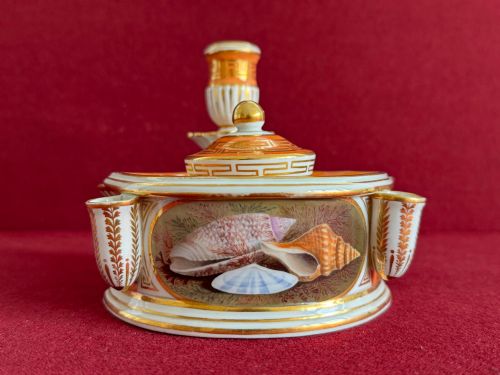
An antique inkwell set encompasses everything from simple glass reservoirs to elaborate desk stands fitted with pen trays, candlesticks, and stamp boxes. These desk accessories served as the central writing apparatus for correspondence and official business before the advent of the ballpoint pen.
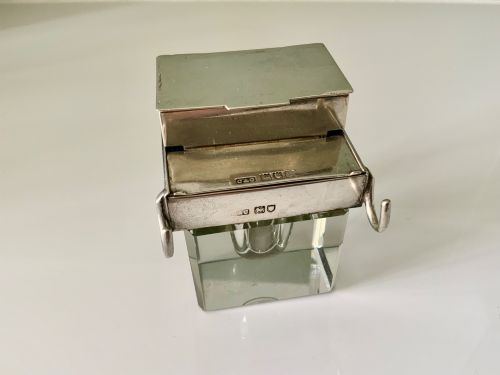
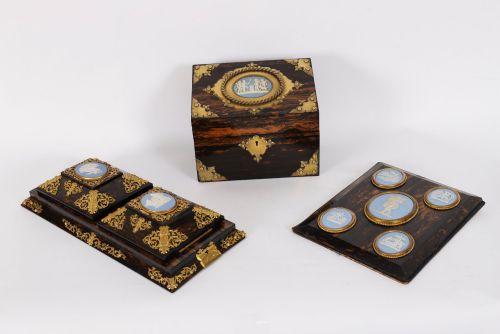
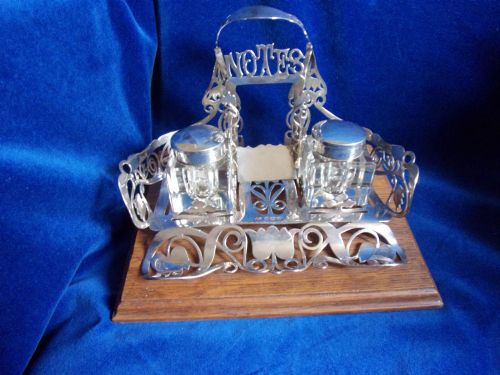
The pieces appearing most frequently span the nineteenth century, including Victorian walnut and brass-mounted stands alongside Edwardian silver-topped glass wells. Makers of the period produced both portable travelling cases and grand stationary stands destined for library desks.
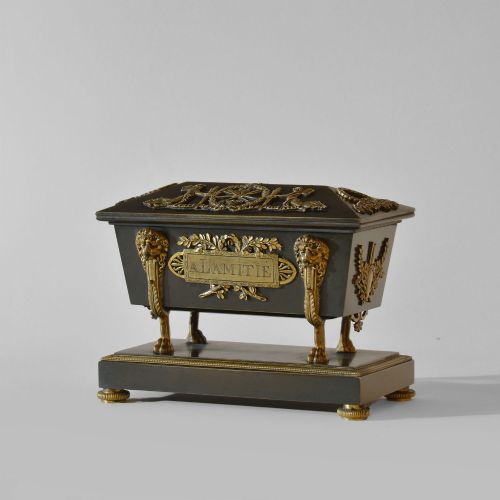
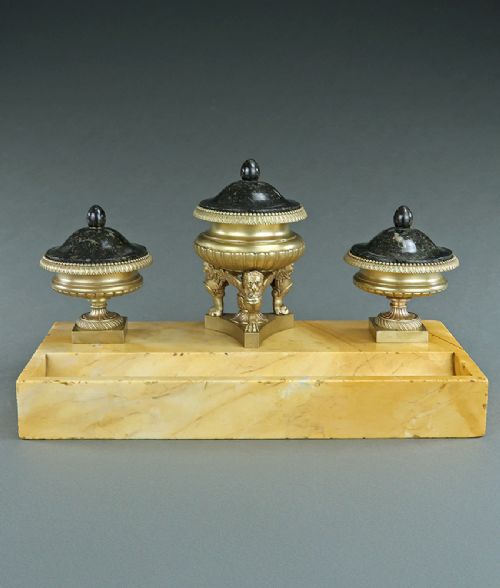
Regional variations introduce diverse forms, from French ormolu and Boulle work to Black Forest carved wood and Dutch Delft faience. Collectors encounter single inkwells alongside comprehensive desk sets incorporating matching candlesticks and garnitures.
How they were made
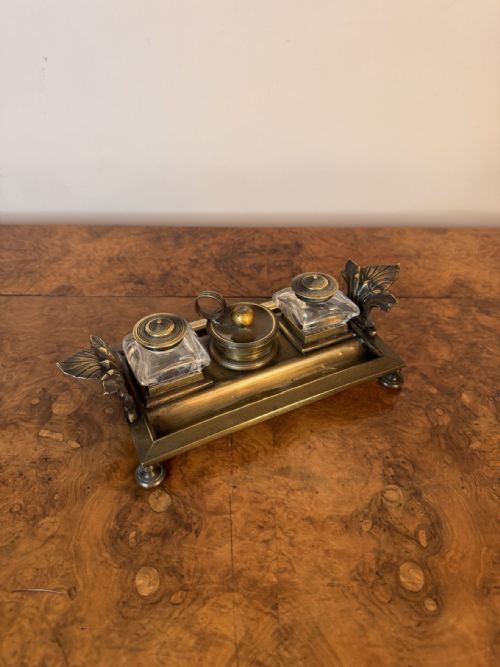
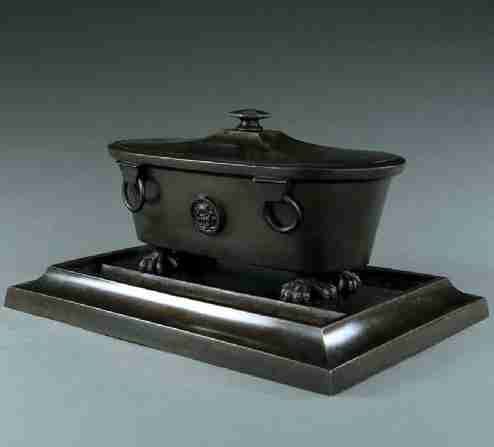
Metalwork forms a cornerstone of production, utilising cast bronze, brass, ormolu, and sterling silver paired with structural woods like walnut, coromandel, and oak. Silver smiths and foundries employed intricate chasing, gilt highlights, and inlaid brass details to elevate the desk stand.
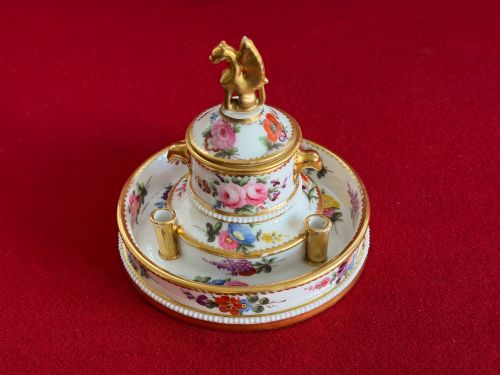
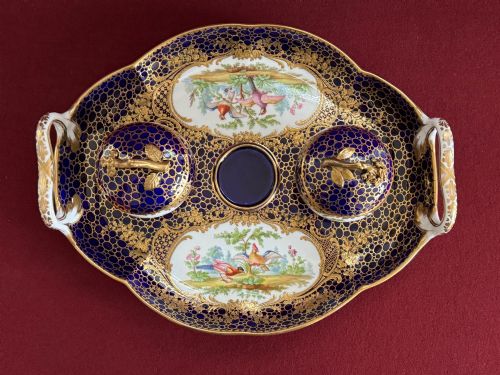
Glass and ceramic components, including cut glass inserts and porcelain bodies from factories like Spode and Worcester, were shaped and fired before mounting into metal or stone frames. Makers incorporated exotic materials such as tortoiseshell, malachite, marble, and horn to provide texture and contrast against the primary metals.
Antique Inkwell Set Retail Price Guide 2026
Typical asking prices for inkwell set among the pieces listed under this phrase on Sellingantiques today, from the lower quarter to the upper quarter. They describe what is for sale here now, not the wider market.
Carved wooden owls and dogs in kennels serve as whimsical inkwells.
What varies in quality
The distinction between standard commercial pieces and exceptional workshop production lies in the weight of the metals, the depth of the casting, and the precision of the joinery. Fine examples display crisp chasing on ormolu mounts, perfectly fitted glass liners without chips, and robust hinges on stationary boxes.
Artistic ambition and material integration separate ordinary inkstands from masterworks by named firms or designers. The inclusion of specialised decorative techniques like Boulle work, champlevé enamel, or hand-carved figural elements denotes higher execution and greater investment by the original maker.
Edmé Samson·Archibald Knox·Elkington·Spode·Wilkinson and Co·Walker And Hall·Henry Matthews·Flight Barr And Barr
The Antique Inkwell Set Glossary
- Inkstand
- A complete desk stand incorporating one or more inkwells alongside space for pens, sanders, and wafers. This portable or stationary tray kept all writing implements organised in one place.
- Standish
- An alternative term for a portable writing tray or inkstand, usually featuring feet and a central handle for lifting. These seventeenth and eighteenth-century ancestors to the desk set held liquid ink and writing sand.
- Boulle work
- A decorative technique of marquetry using brass and tortoiseshell inlaid in intricate arabesque patterns. This French method adorned luxury nineteenth-century desk boxes.
- Capstan inkwell
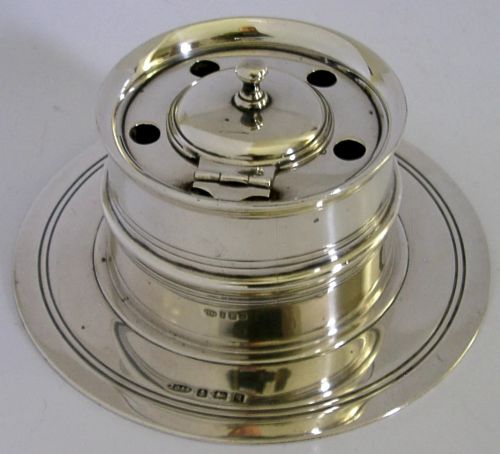
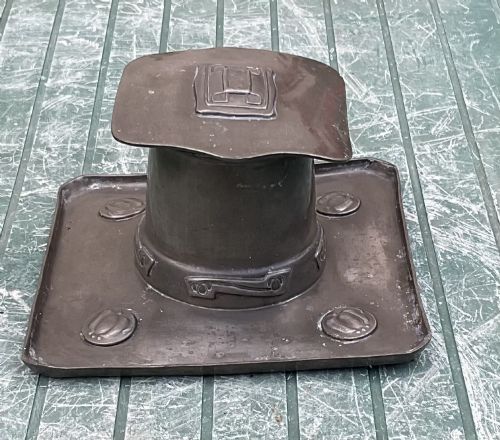
- A desk accessory shaped like a ship's capstan, featuring a wide circular base tapering towards the top. They frequently combined heavy glass with sterling silver collars.
- Divit qalamdan
- A traditional Middle Eastern travelling pen case and inkwell combined into a single sliding unit. These metal containers were tucked into sashes by scribes on the move.
Antique Inkwell Set: Frequently Asked Questions
What is an antique inkstand?
An antique inkstand is a desk tray designed to hold inkwells, quill pens, and related writing implements. These stands brought order to the nineteenth-century writing table.
They often included compartments for sealing wax, stamps, and sanders to dry wet ink.
How do I date a desk set?
Dating relies on stylistic clues, material choices, and hallmarks stamped onto silver components. Victorian pieces often feature heavy walnut and brass mounts, while Edwardian versions lean towards lighter silver and tortoiseshell.
Makers' marks and registration numbers found on the metal parts provide precise production years.
Are glass inserts original?
Original glass inserts fit snugly within their metal collars and match the wear patterns of the surrounding stand. Replacements are common due to the fragile nature of glass over generations of use.
Collectors look for matching glass types and period-appropriate cutting styles when checking completeness.
How should I clean brass desk sets?
Cleaning requires a soft cloth to remove dust without disturbing the aged patina accumulated over decades. Aggressive polishes should be avoided on gilt or patinated surfaces to preserve the original finish.
Wooden bases benefit from occasional waxing to maintain the moisture of the grain.