





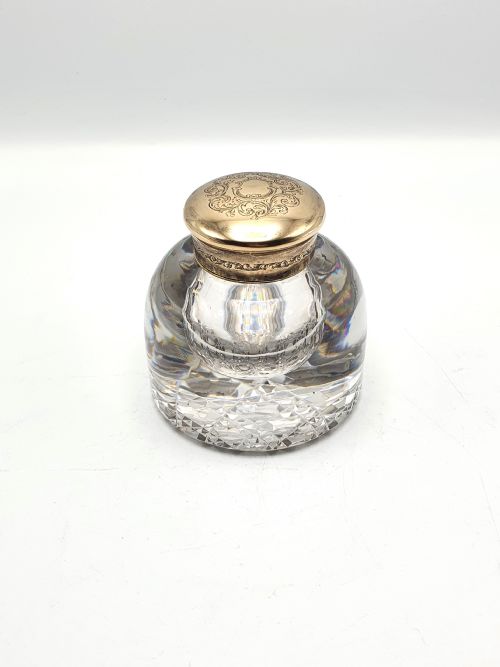
Antique Ink Pot
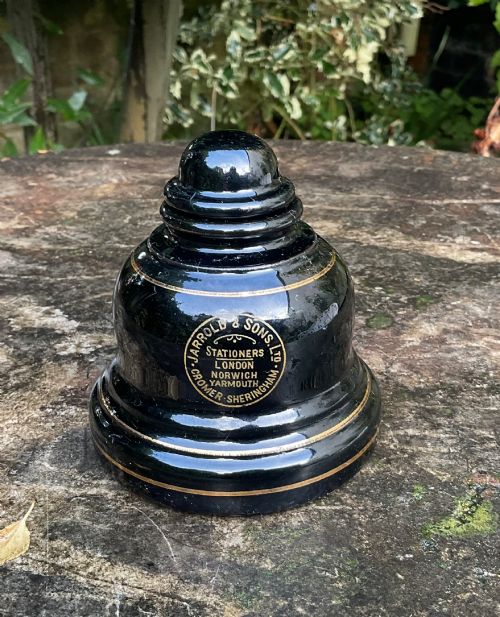
An antique ink pot sits ready on the desk, holding the weight of nineteenth and twentieth-century correspondence in glass, silver, and brass.
Antique Ink Pot
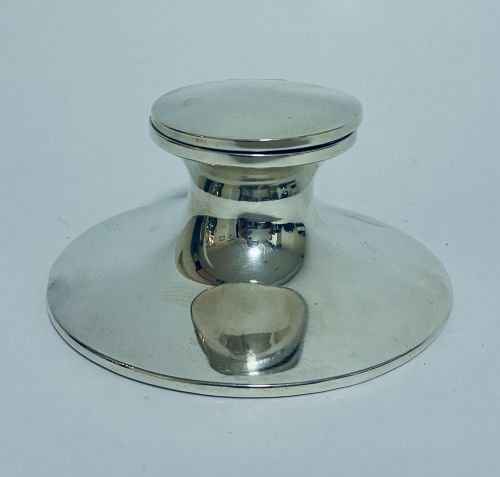
When you search for an antique ink pot, you encounter desk accessories spanning the nineteenth and twentieth centuries, including the Victorian, Edwardian, and Art Deco periods. These pieces range from simple glass vessels and ceramic pounce pots to elaborate capstan-shaped silver inkwells and figural animalier designs.
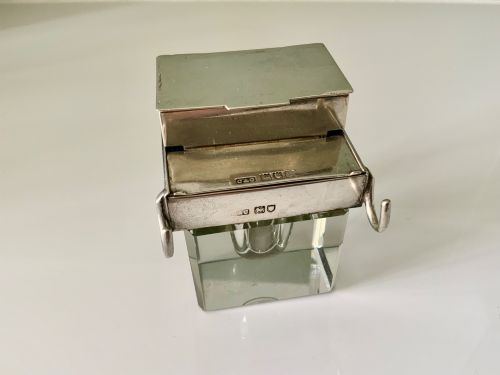
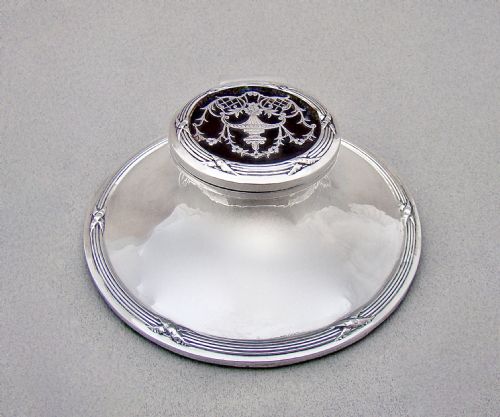
The versions most frequently met on this page combine cut glass bodies with sterling silver lids, alongside freestanding brass desk sets and ceramic pieces. Makers utilised materials suited to the writing desk, creating functional items that doubled as ornaments for the study.
Formats vary from single pots to double inkstands equipped with original glass bottles. Collectors find both utilitarian office equipment and novelty items shaped like rugby balls or bulldogs from the Victorian era.
Materials and Construction
Silver and glass dominate the construction of these desk wares, often paired together in capstan shapes or heavy crystal bodies fitted with hallmarked sterling silver collars and hinged lids. Facet cutting gives the glass reservoirs weight and brilliance on the desktop.
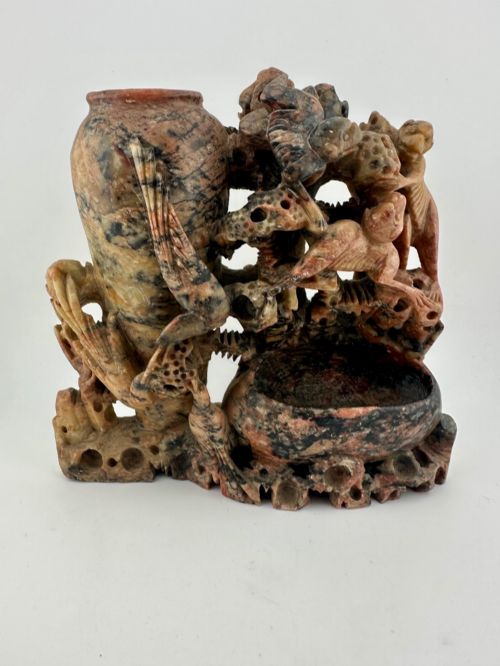
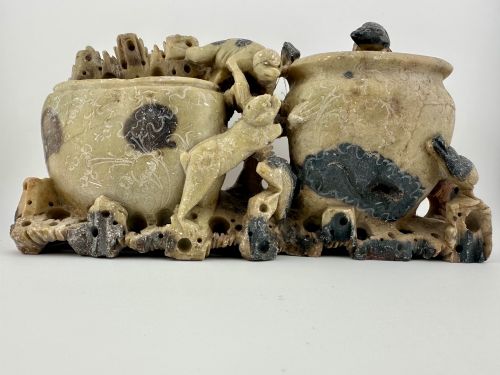
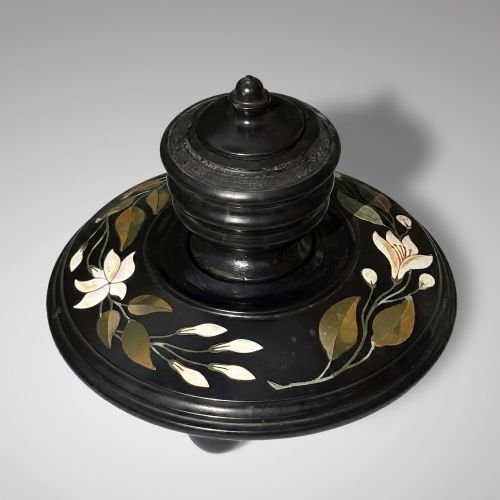
Cast metals such as brass, bronze, and ormolu form the framework for ornamental inkstands and figural pieces, sometimes augmented by marble bases or carved soapstone. Enamel work, tortoiseshell mounts, and guilloche patterns add colour and texture to Edwardian and Art Deco examples.
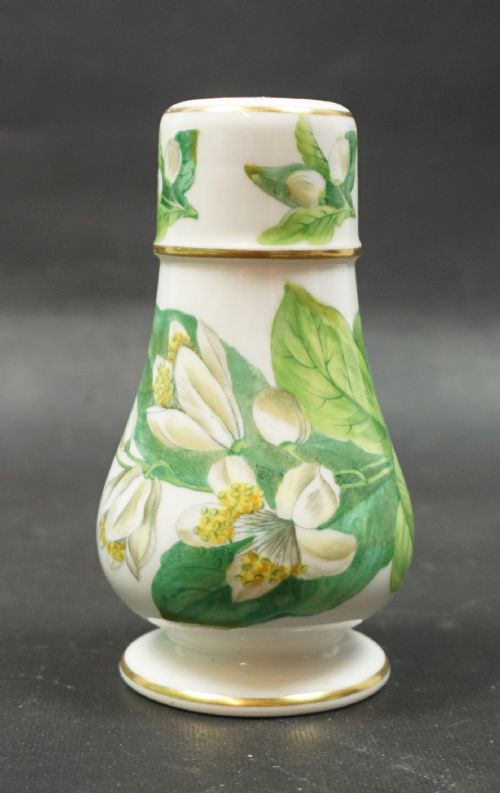
Ceramic materials including stoneware, pearlware, porcelain, and Staffordshire earthenware appear in both utilitarian pots and novelty forms. Wood such as oak and fruitwood underpins larger desk stands and specialised pounce pots.
Antique Ink Pot Retail Price Guide 2026
Typical asking prices for ink pot among the pieces listed under this phrase on Sellingantiques today, from the lower quarter to the upper quarter. They describe what is for sale here now, not the wider market.
Desk accessories in this record extend beyond basic glass pots to include novelty animalier figures, ceramic rugby balls, and elaborate bronze stands.
Distinctions in Quality
The standard of an antique ink pot rests on the weight of its metal components and the clarity of its glass or crystal body. Heavy cast silver mounts, crisp hallmarks, and deep facet cutting signal superior manufacture compared to lighter, pressed metal alternatives.
The inclusion of original fitted glass liners and matching ink bottles distinguishes complete pieces from those assembled later. Integrity of materials, such as undamaged tortoiseshell panels or intact guilloche enamel without chips, elevates a desk accessory.
Artistic execution defines the top tier of figural and novelty pieces, where bronze casting, detailed carving, or hand-painted porcelain motifs display the distinct hand of a known maker or workshop.
Henry Matthews·Tiffany and Co·Kralik or Loetz·Maurice Dufrene·Meissen
The Antique Ink Pot Glossary
- Capstan inkwell
- An ink pot shaped like a nautical capstan, featuring a wide base that tapers upward to a hinged lid. This design prevents the inkstand from tipping over easily during use.
- Pounce pot
- A small shaker container used to sprinkle powdered resin or cuttlefish bone onto freshly written ink to speed up drying and prevent blotting. They precede modern blotting paper on the desk.
- Inkstand
- A complete desk tray holding one or more ink pots alongside pen rests and sometimes a matching bell or stamp box. These coordinated sets anchor the nineteenth-century writing desk.
- Animalier
- A nineteenth-century artistic style focusing on realistic depictions of animals. In desk accessories, this translates to inkwells modelled after bulldogs, emus, and bullmastiffs.
- Guilloche
- A decorative engraving technique where a precise, intricate geometric pattern is mechanically etched into a metal surface beneath translucent enamel. It appears frequently on luxury Edwardian and Art Deco lids.
Antique Ink Pot: Frequently Asked Questions
What is an antique ink pot?
An antique ink pot is a desk accessory designed to hold liquid ink for a dip pen, produced primarily during the nineteenth and early twentieth centuries.
These vessels utilise materials like cut glass, sterling silver, brass, and porcelain to combine daily utility with decorative appeal on the writing desk.
How do I date an inkwell?
Dating relies on hallmarks stamped on silver mounts, stylistic indicators like Art Nouveau curves or Art Deco geometry, and the manufacturing technique of the glass or ceramic body.
Comparing the form against documented periods such as the Victorian or Edwardian eras narrows the timeline.
What is the difference between an inkwell and an inkstand?
An inkwell is a single standalone pot for holding ink, whereas an inkstand is a larger tray or stand incorporating one or more ink pots, pen rests, and accessory compartments.
Stands provide a permanent, organised station for the writer's tools on the desktop.
Were these pots used with fountain pens?
These pots predate the widespread use of modern fountain pens and were intended for dip pens, quill pens, and steel nibs.
The wide openings and removable glass liners allowed a pen nib to be dipped repeatedly without damaging the point.
How do I care for antique silver and glass?
Care involves gentle cleaning with soft cloths to preserve silver hallmarks and avoiding harsh chemical polishes that strip historical patina from the metal.
Glass reservoirs should be washed carefully by hand to protect delicate rims and any inner collars.