
Antique Ink Drawing
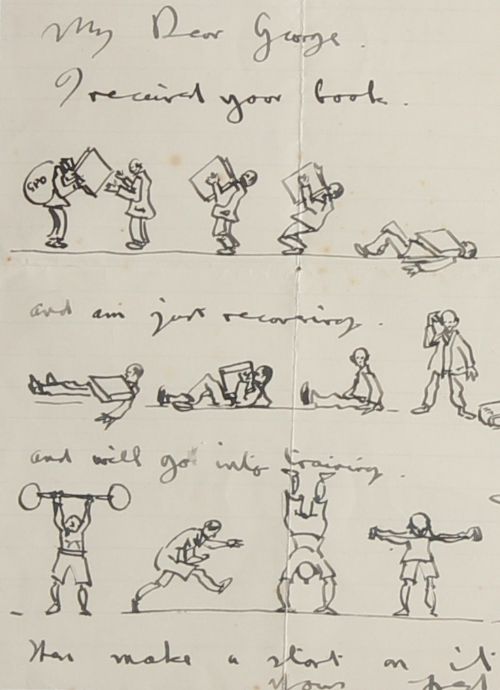
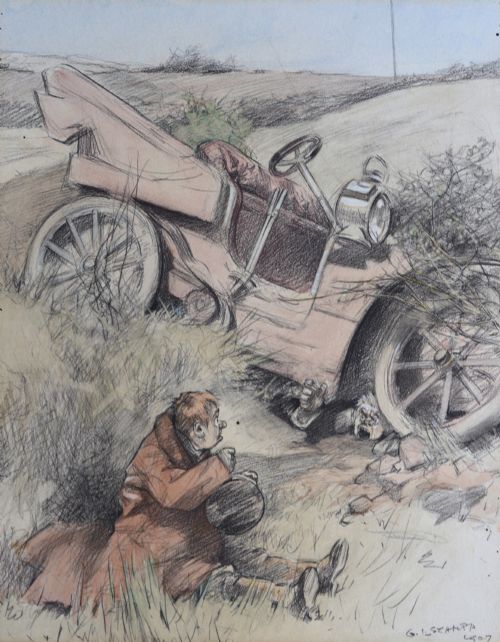
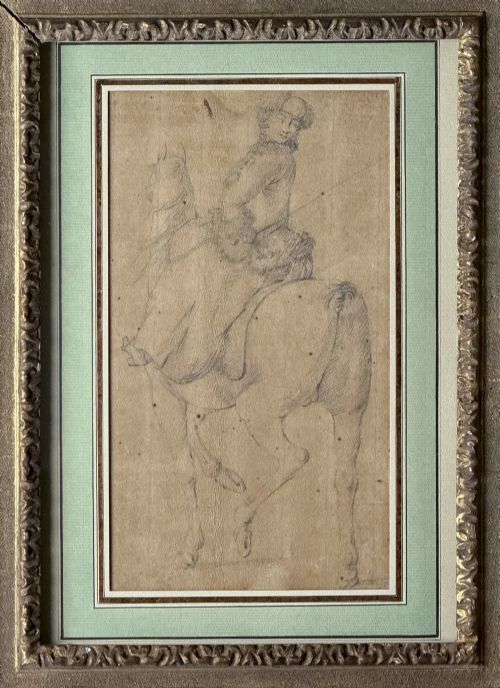
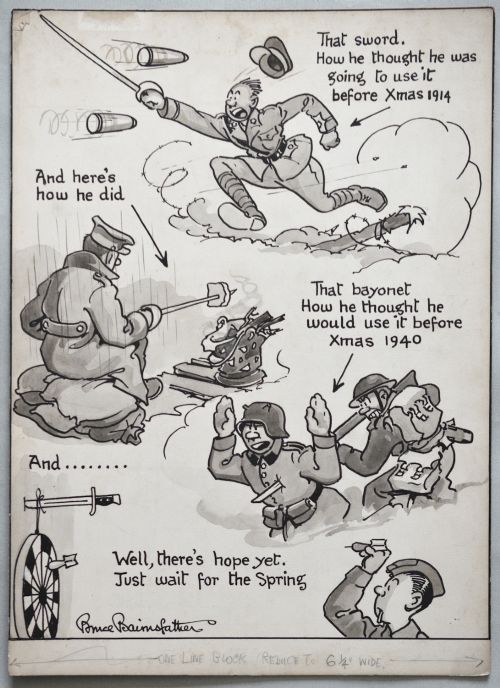
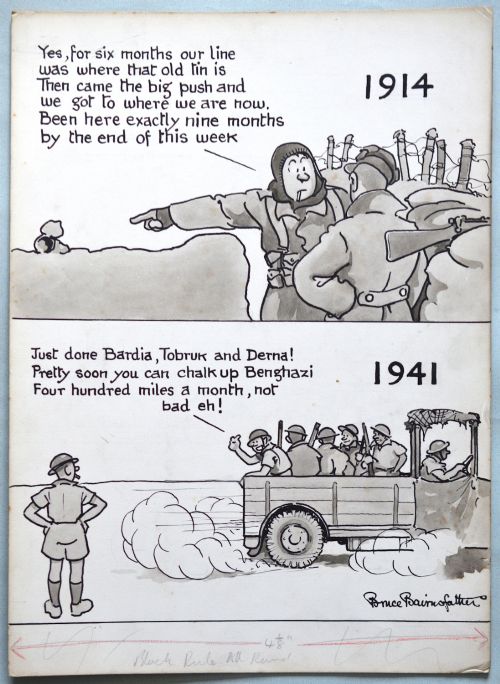
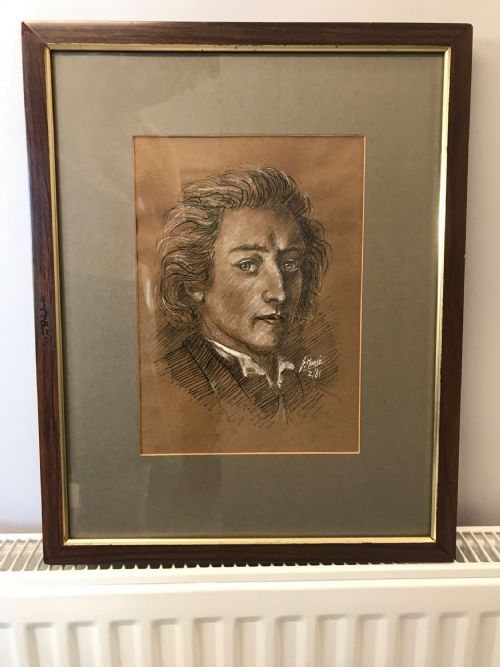
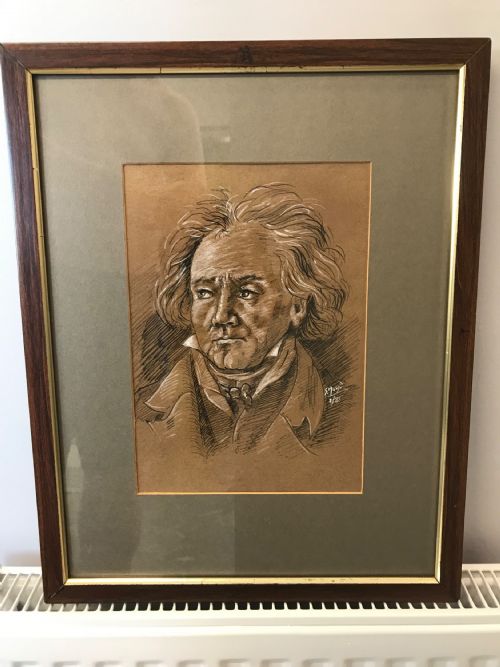
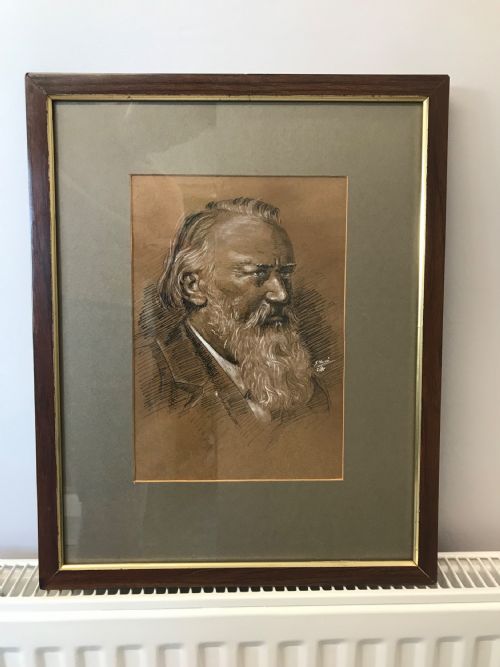
An antique ink drawing captures the direct touch of an artist's hand through rapid sketches, finished portraits, and detailed topographical studies.
Antique Ink Drawing
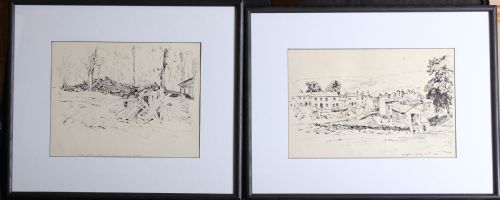
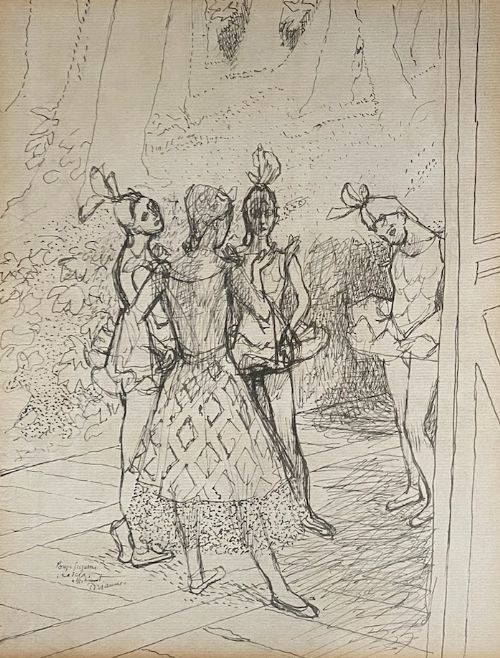
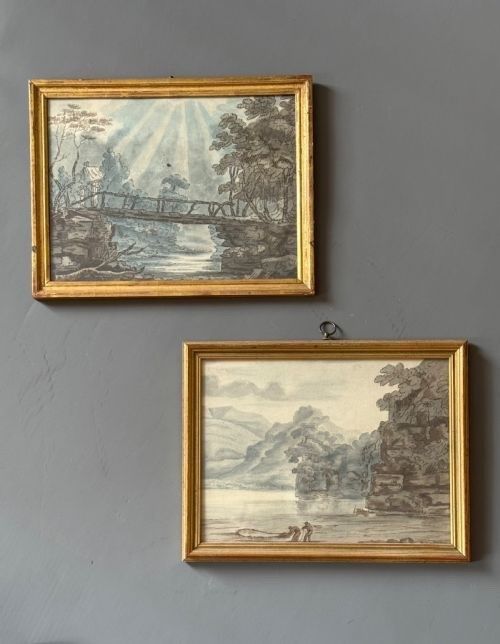
An antique ink drawing encompasses original works on paper ranging from eighteenth-century landscape studies and architectural renderings to twentieth-century portraits and book illustrations. Collectors encounter framed artworks, preparatory sketches, and wash drawings spanning the Georgian, Victorian, Edwardian, and modern British periods.
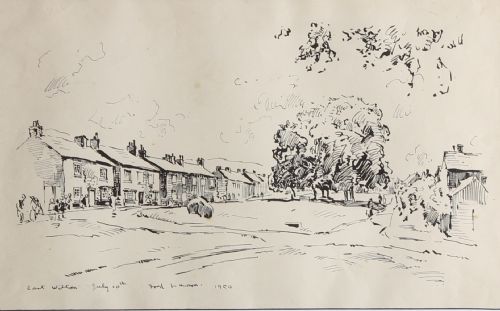
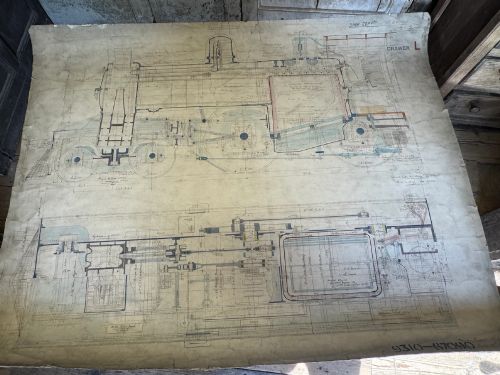
Works originate from diverse settings, including regional British topographical views, continental landscapes, and industrial records such as locomotive works drawings. Buyers find everything from intimate portrait sketches to finished exhibition pieces preserved behind glass in period mounts and frames.
How They Were Made
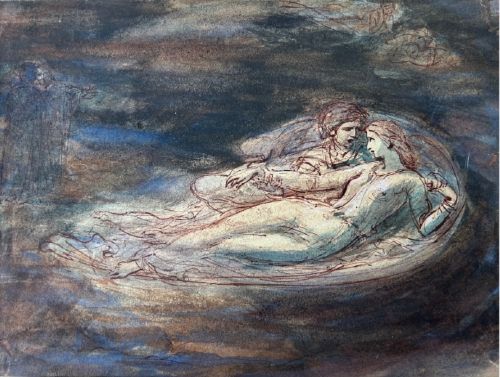
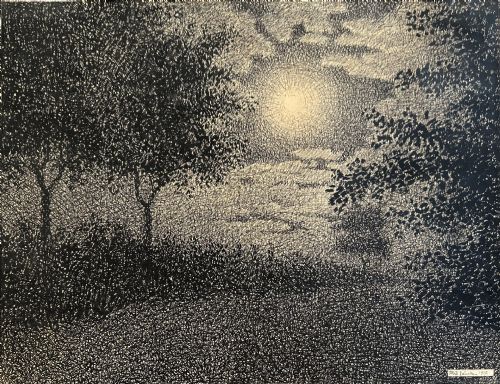
Artists drew primarily upon paper supports, occasionally utilising vellum or panel, applying iron gall or carbon inks with steel pens, quill nibs, or reed brushes. Line work was frequently augmented with monochrome or tinted washes of diluted ink and watercolour to create depth and shadow.
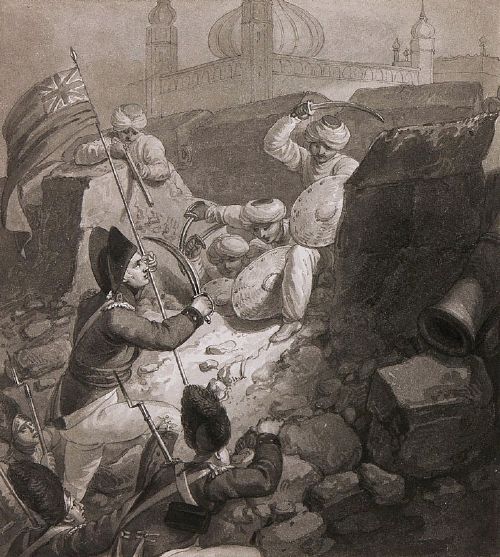
Many sheets incorporate supportive media such as graphite, gouache, and pastel alongside the primary ink lines to heighten highlights or build atmospheric perspective. Finished sheets were commonly mounted and framed behind glass to protect the fragile water-soluble pigments and paper fibres from atmospheric degradation.
Louis Wain contributed feline illustrations, proving that Victorians loved cats with oversized eyes just as much as modern internet users do.
What Varies in Quality
Quality rests upon the confidence and economy of the initial line, where decisive, fluid strokes distinguish masterly observation from hesitant or mechanical copying. The interplay between sharp penwork and controlled wash reveals the draughtsman's command of light, tone, and spatial composition.
Condition and preservation heavily influence the standing of a sheet, particularly the stability of the paper support, the retention of original ink density, and the absence of heavy acidification or foxing. Context also matters, as documented provenances, identifiable sitters, and preparatory connections to known publications elevate an ordinary sketch to historical significance.
Fred Lawson·George Lorain Stampa·William Marshall Craig·Frédéric Chopin·Ludwig van Beethoven·Johannes Brahms·Alfred Dehodencq·Edward Dayes·William Edward Frost·Richard Leech·Louis Wain·Thomas Rowlandson·Pio Panfili·Johan Noah Bemmel·John Duncan Fergusson·Dame Laura Knight·Owen Bowen·Harry Epworth Allen·Jacques Callot·Algernon Shaw·John Everett Millais·W.R.M·J S Elgood·J S Fletcher·John Frederick Lewis
The Antique Ink Drawing Glossary
- Wash
- A thin layer of translucent diluted ink or watercolour applied with a brush to build tonal depth and shadow behind linear pen work.
- Preparatory study
- A preliminary drawing executed to plan a larger finished painting, mural, or book illustration.
- Gouache
- An opaque water-based pigment used to add highlights and solid areas of colour over or beside ink lines.
- Vellum
- A fine parchment prepared from calfskin, utilised as a durable writing and drawing surface for meticulous historical works.
- Foxing
- Brown spots and discolouration caused by chemical reactions within older paper over decades of exposure to humidity.
Antique Ink Drawing: Frequently Asked Questions
How do I tell a preparatory study from a finished drawing?
Preparatory studies often feature visible grid lines, marginal notes, or quick compositional adjustments meant for the artist's own reference. Finished drawings present a more resolved surface intended for exhibition or direct sale.
Look for framing lines and signature placements which usually indicate the artist considered the sheet complete.
What is the difference between ink and wash drawings?
Pure ink drawings rely entirely on lines made with pen or brush to define form, texture, and shadow through hatching and cross-hatching. Wash drawings introduce diluted ink or watercolour applied with a brush to create smooth tonal gradients.
Many period works combine both techniques, laying down sharp ink outlines first before adding fluid washes for atmospheric depth.
How do I identify the date of an unsigned drawing?
Examine the watermark within the paper stock, the framing style, and the clothing or architecture depicted in the subject matter. Stylistic cues such as Georgian cross-hatching or Edwardian illustrative styles offer reliable clues.
Compare the handwriting on any accompanying inscriptions or signatures with known examples from specific regional schools and periods.