



Antique Incense Pot
An antique incense pot brings tactile history and ritual focus into a room, spanning delicate earthenware koro and heavy bronze censers.
Antique Incense Pot
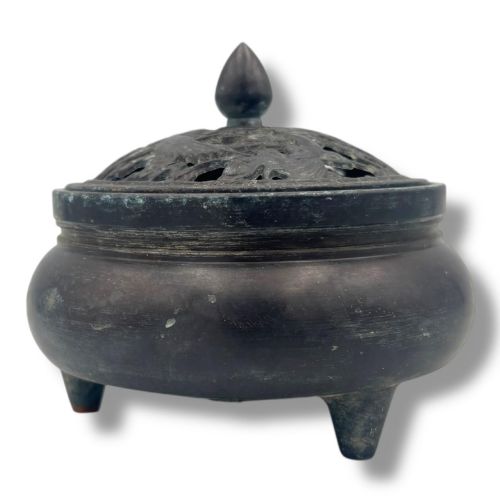
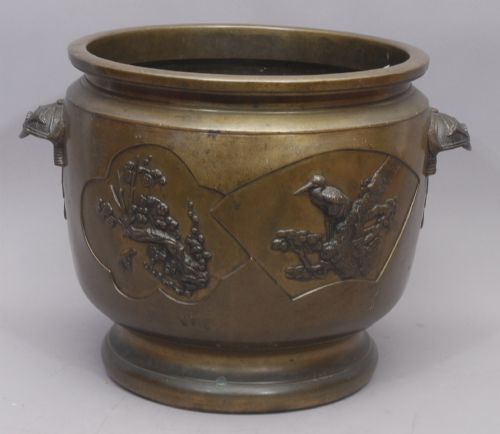
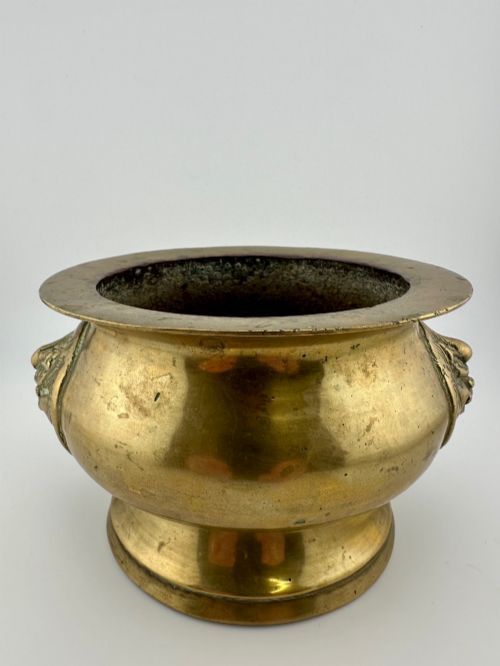
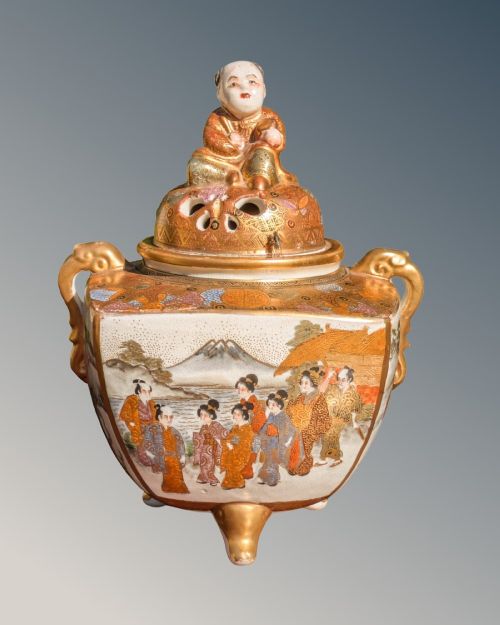
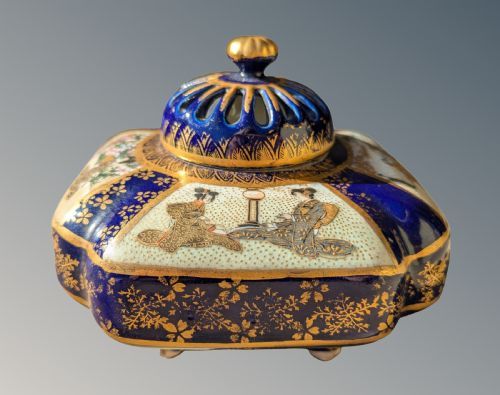
When you search for an antique incense pot, you encounter vessels designed to hold aromatic resins or powders, primarily taking the form of traditional censers, koro, and pot pourri boxes. These objects serve both practical scenting purposes and decorative roles within domestic interiors.
The selections span distinct periods, notably the 18th century, Georgian era, 19th century, and the Edwardian period, incorporating styles such as the Qing Dynasty and Japanese Meiji Period. You will frequently meet bronze censers with tripod bases alongside earthenware and porcelain vessels.
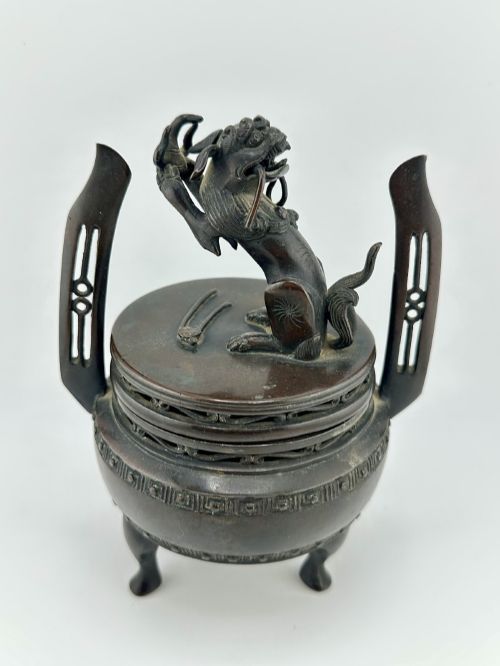
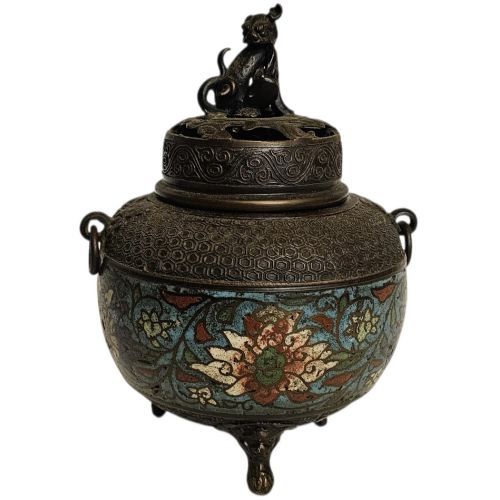
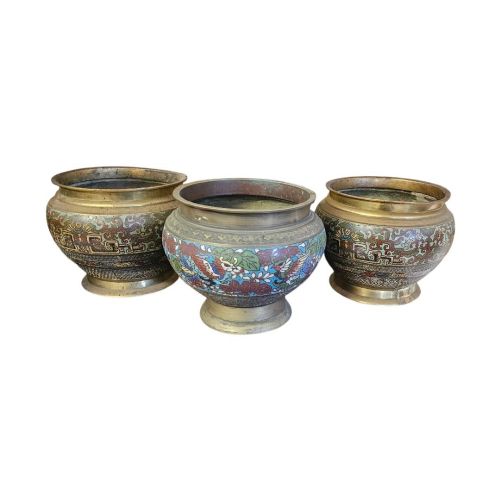
Forms vary from lidded tripod vessels featuring qilin or fu lion finials to miniature koro and larger jardinières adapted for display. Each piece reflects the specific decorative conventions of its origin, whether Chinese, Japanese, or English.
How They Were Made
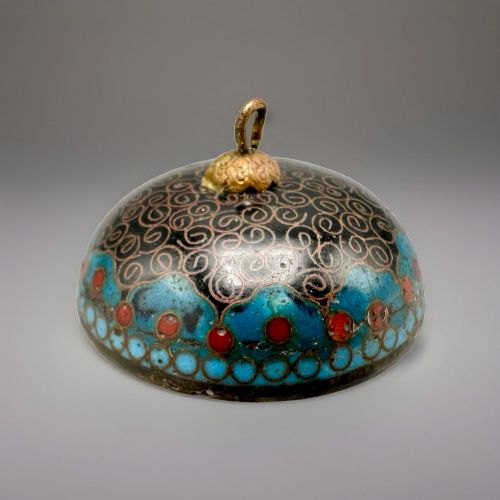
Metal vessels rely on casting techniques using bronze and brass, often enriched with mixed metal details, gold leaf, and gilt highlights. Artisans also applied cloisonné and champlevé enamel techniques to create intricate surface patterns across the body and lid.
Ceramic pieces utilise earthenware, ironstone, and specialised regional bodies like Satsuma, decorated with hand-painted motifs and glazes. Stoneware and porcelain examples demonstrate precise firing methods developed across Chinese and Japanese kilns.
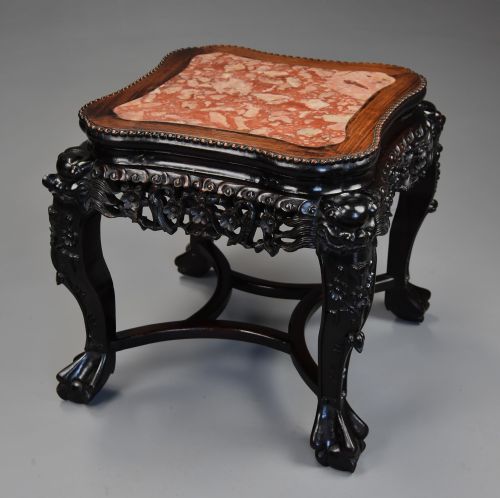
Finishing touches include carved hardwood components and fitted metal covers featuring mythological creatures such as dragons, phoenixes, and lions.
Antique Incense Pot Retail Price Guide 2026
Typical asking prices for incense pot among the pieces listed under this phrase on Sellingantiques today, from the lower quarter to the upper quarter. They describe what is for sale here now, not the wider market.
Listings feature items from the Georgian and Edwardian eras alongside 18th and 19th century Asian works in bronze, brass, and earthenware.
What Varies in Quality
The standard of an antique incense pot rests upon the crispness of the casting in metal examples and the refinement of the enamel work. Well-defined lion mask handles, intricate dragon details, and secure fitting lids distinguish finer pieces from standard production.
In ceramic items, the precision of the hand-painted decoration and the balance of the overall form dictate the standing of the piece. Marks indicating specific makers or periods, such as a Xuande mark, add a layer of historical interest that influences appreciation.
The integrity of secondary materials, such as original hardwood stands or intact gilt and gold leaf surfaces, preserves the complete aesthetic intent of the maker.
Walker & Hall·Kinkozan·Kotobuki-do·Shizan
The Antique Incense Pot Glossary
- Censer
- A dedicated vessel designed for burning incense safely. These often feature pierced lids to allow scented smoke to escape.
- Koro
- A Japanese term for an incense burner, commonly supported on three feet and fitted with a decorative cover.
- Cloisonne
- A decorative metalwork technique where thin wire partitions create cells filled with enamel paste and fired.
- Qilin
- A mythical hooved creature from Chinese mythology frequently depicted as a finial on lidded vessels.
- Pot Pourri
- A mixture of dried plant material used to scent a room, held within specialised lidded boxes or bowls.
- Meiji Period
- A Japanese historical era spanning from 1868 to 1912 noted for detailed metalwork and Satsuma ceramics.
Antique Incense Pot: Frequently Asked Questions
What is an antique incense pot used for?
These vessels were created to burn aromatic incense materials, releasing fragrance into domestic or ceremonial spaces through pierced covers.
Over time, many have transitioned into purely decorative objects valued for their craftsmanship and sculptural forms.
What materials are common in Chinese censers?
Chinese censers most frequently utilise cast bronze or brass, sometimes incorporating champlevé or cloisonné enamel sections for added colour.
Details often include applied lion mask handles and cast animal finials such as the fu lion or qilin.
How do I care for a bronze incense burner?
Bronze pieces require gentle dusting with a soft, dry cloth to protect the metal surface and any remaining gilt or patination.
Avoid using harsh cleaning agents or polishes that might strip the historic finish or damage delicate enamel inlays.