


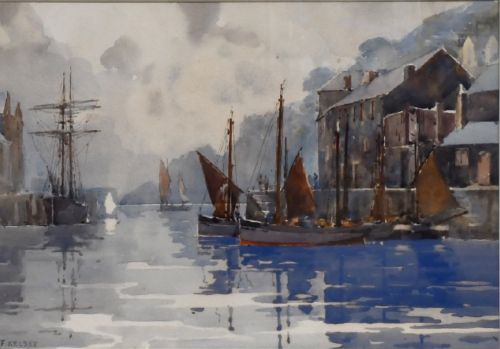


Antique Impressionist Watercolour
When you search for an antique impressionist watercolour, you seek works on paper capturing light and movement from the nineteenth and twentieth centuries.
Antique Impressionist Watercolour
An antique impressionist watercolour represents a portable, direct medium utilised by artists to capture fleeting atmospheric effects, coastal scenes, and rural landscapes across the nineteenth and twentieth centuries.
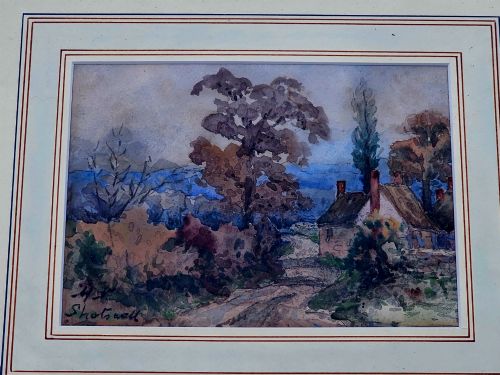
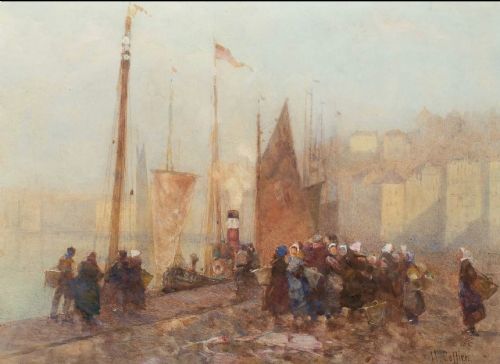
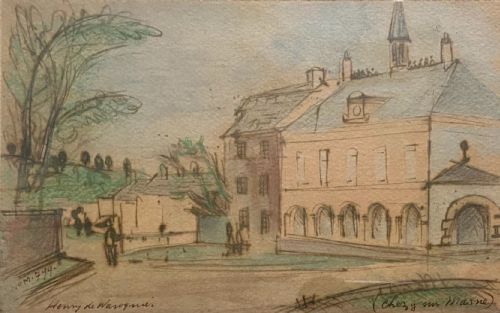
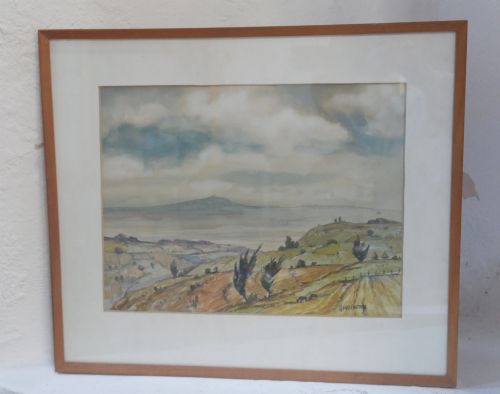
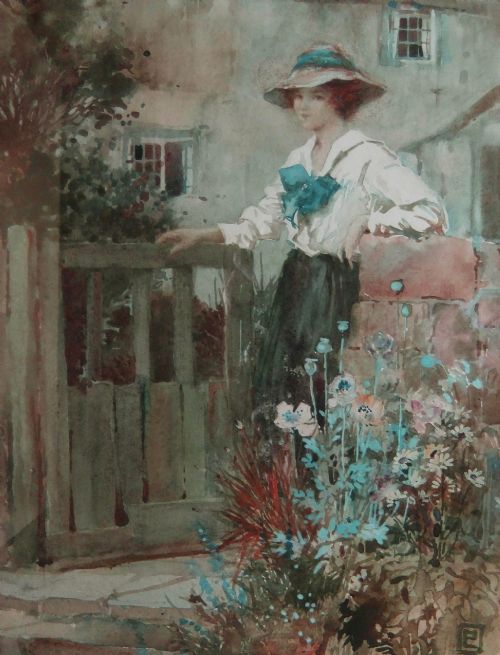
The selections available span British Impressionism, Edwardian views, and Victorian fine art, showing subjects ranging from Cornish harbours and Yorkshire dales to French street scenes and Venetian canals.
Buyers will most frequently meet works dated from the late nineteenth century through to the mid-twentieth century, executed by regional British painters as well as continental European artists.
How they were made
Artists applied watercolour pigment and sometimes gouache onto paper supports, often layering washes to build up light and depth.
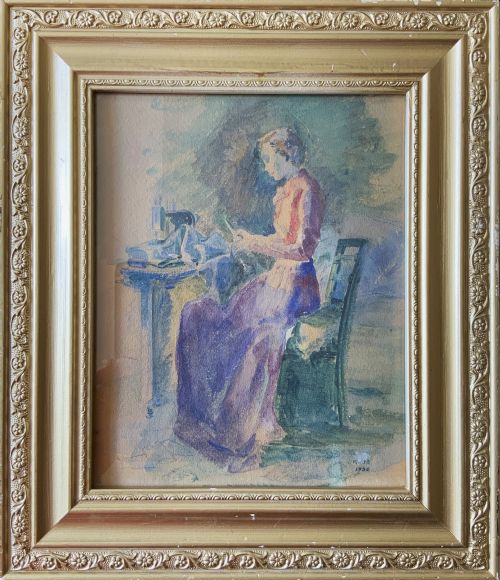
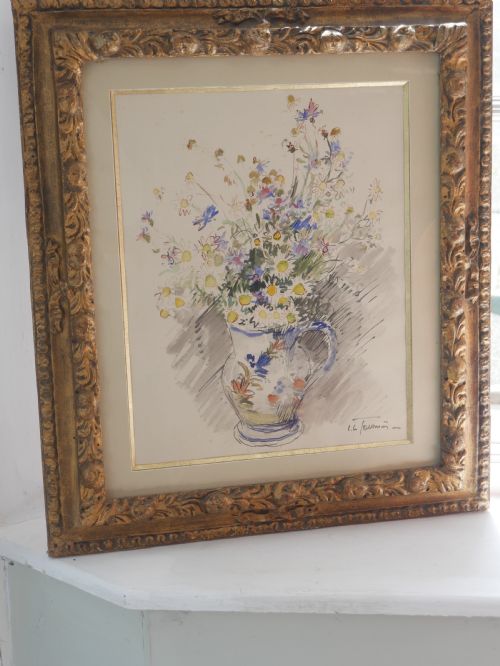
Finished works were typically preserved behind glass within wooden frames, frequently enhanced with gilt wood mouldings to complement the palette of the painting.
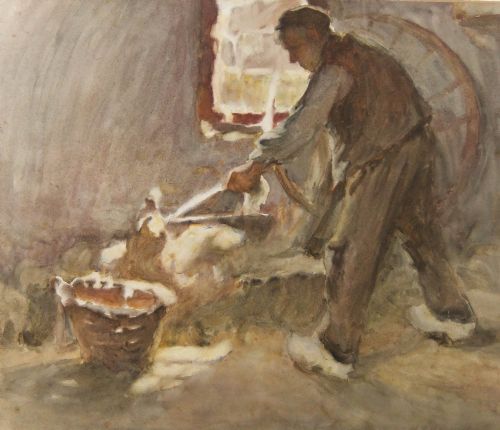
Several artists packed their watercolours into muddy carts to record farm hands, snow-covered dales, and gypsy caravans on location.
What varies in quality
The strength of a piece rests on the confidence of the brushwork and the artist's ability to manipulate light and shadow across the paper surface.
Works by established regional or internationally exhibited painters demonstrate a surer command of composition and atmosphere compared to anonymous student pieces.
William Banks Fortescue·Henry Silkstone Hopwood·Hector Caffieri·Percy Lancaster·Albert Ludovici Jnr·Frank Kelsey·Edgar Woollatt·Gaston Cornil·William Lee Hankey·Fred Lawson·Arthur Reginald Smith·George Graham·Arthur Tucker·Charles James Lauder·Ernest Pile Bucknall·Rowland Henry Hill·John Atkinson·Florence Hess·James Watson·Lester Sutcliffe·Owen Bowen·Jules Evarist van Biesbroeck·George Soper·Henri Joseph Harpignies·Lilian Stannard
The Antique Impressionist Watercolour Glossary
- Watercolour pigment
- Ground colour mixed with a water-soluble binder, applied in translucent washes onto paper.
- Gouache
- An opaque water-based medium often combined with watercolour to add highlights and solid areas of colour.
- British Impressionism
- A painting movement focusing on everyday subjects and natural light, developed by British artists influenced by continental techniques.
- Genre watercolour
- A painted scene depicting aspects of everyday life, such as market mornings, farm hands, or street vendors.
Antique Impressionist Watercolour: Frequently Asked Questions
How should I hang a watercolour?
Keep watercolours away from direct sunlight to prevent the pigments from fading over time. UV-filtering glass provides an extra layer of protection for works on paper.
Hang them on interior walls with stable humidity levels, avoiding damp rooms or areas near heat sources.
What is the difference between watercolour and gouache?
Watercolour relies on translucent washes where the white of the paper shines through to create luminosity. It offers a delicate and fluid appearance.
Gouache includes an added white pigment that makes the paint opaque, allowing artists to build solid areas of colour and sharp highlights.
How do I identify the period of a painting?
Examine the framing style, mount boards, and any inscriptions or signatures on the reverse of the paper. Frame construction methods often give a reliable clue to the age.
Subject matter and costume details within figure studies also help narrow down the decade in which the artist worked.
Were these paintings made to be framed?
Artists generally produced these watercolours as finished exhibition pieces intended for domestic display. They were mounted and framed to protect the paper surface from dust and handling.
Many retain their period frames, which form an integral part of the historical presentation.