




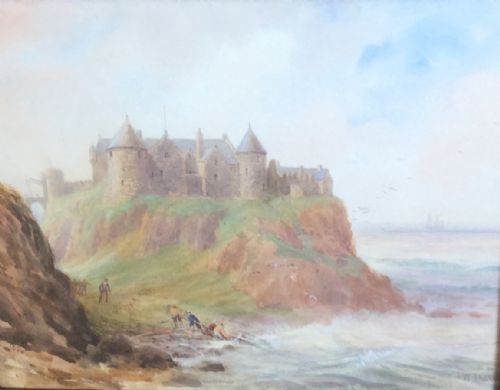


Antique Irish Watercolour
These antique irish watercolour works capture land and sea across centuries, offering buyers genuine character and historical depth.
Antique Irish Watercolour
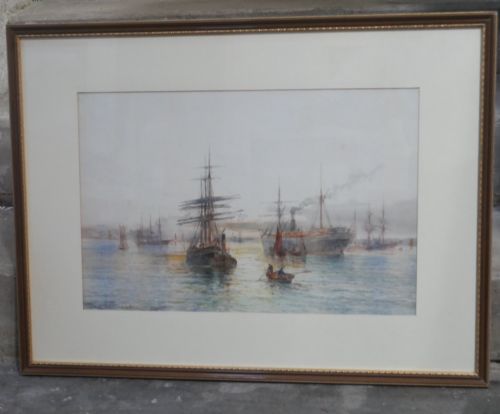
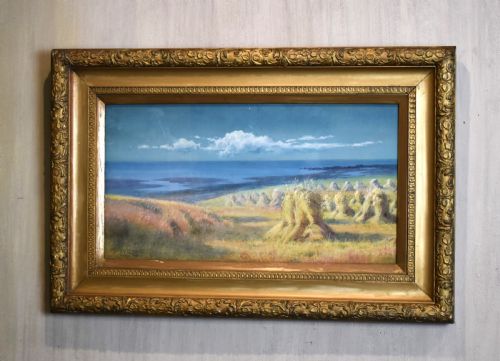
When you search for antique irish watercolour, you encounter original paintings and portrait miniatures spanning the eighteenth, nineteenth and twentieth centuries. These works include landscapes, coastal scenes, maritime views and genre art created across Ireland.
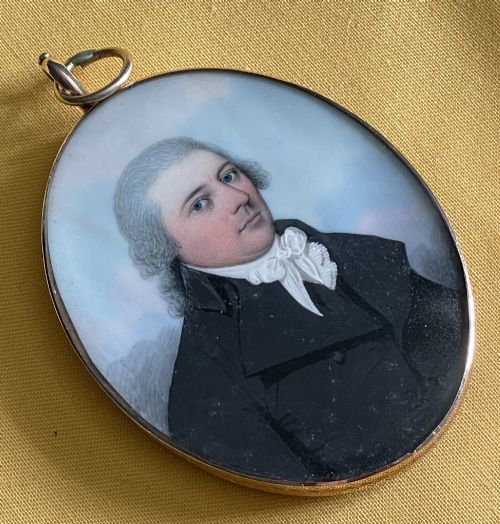
The selections on this page most commonly present nineteenth century and early twentieth century landscapes, alongside portrait miniatures framed in wood and glass. Painters recorded scenes from County Antrim, Dublin Bay, County Wicklow and County Cork.
Framed artwork and wall art surface frequently, executed on paper and occasionally linen. Subjects range from cattle watering and working setter dogs to depictions of Dunluce Castle and Bray Head.
How they were made
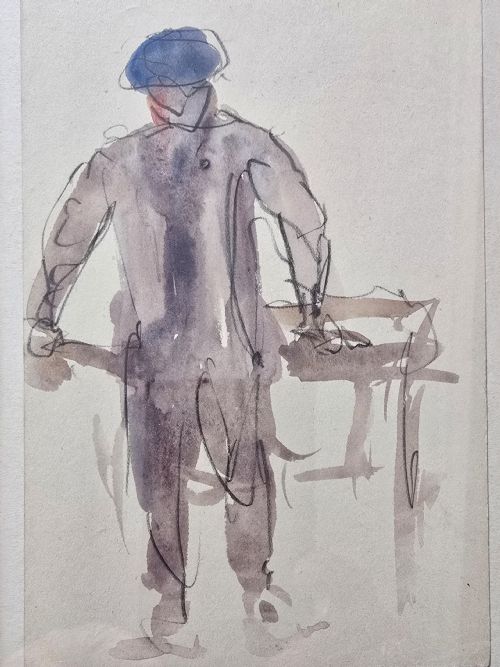
Artists applied watercolour pigment and ink onto paper or linen surfaces to build up these compositions. Many pieces incorporate grisaille techniques or fine brushwork suited to miniature portraiture.
Framing often involves wood, glass and gilt accents, preserving the delicate pigments of the period. These traditional mountings protect the original fine art paintings from environmental damage.
The listings encompass paper, linen, wood, glass and ivory materials across Georgian, Victorian and twentieth-century periods.
What varies in quality
The skill of the artist and the precision of the brushwork define the upper tier of these paintings. Works by documented members of the Royal Hibernian Academy command attention for their draughtsmanship and compositional strength.
Condition of the paper and vibrancy of the pigments separate finer examples from faded ones. Original period frames and signed sheets enhance the desirability of individual artworks.
Frederick Buck·Sir Thomas Newenham Dean·Alfred Grey·Robert Richard Scanlan·Peter Ghent·Arthur Alfred Davis·Joseph William Carey·John Syer·John Adair·Patrick Wybrant·Francis William Topham
The Antique Irish Watercolour Glossary
- Grisaille
- A painting executed entirely in shades of grey or neutral monochromatic tones. This technique often served as a preliminary study or a finished tonal work.
- Portrait miniature
- A small, highly detailed painting, frequently executed on ivory or paper during the eighteenth and nineteenth centuries. These intimate works were often housed in protective lockets or frames.
- Gilt
- A gold leaf or gold-coloured application used to adorn frames. This finish adds decorative brilliance and highlights the boundaries of the artwork.
- Wash
- A thin, transparent layer of diluted watercolour pigment applied across the paper. Painters utilised this method to create subtle skies and atmospheric backgrounds.
Antique Irish Watercolour: Frequently Asked Questions
How do I date an antique irish watercolour?
Examination of the paper stock, framing materials and stylistic conventions provides clues to the era of creation. Signatures, dates inscribed on the reverse and recorded artist biographies help establish precise periods.
Historical costume and architectural details depicted within landscapes also assist in narrowing down the decade of production.
Where should I hang watercolour paintings?
Watercolour pigments remain sensitive to ultraviolet light and excessive moisture. Selecting a wall away from direct sunlight ensures the colours retain their original tone.
Rooms with stable humidity levels prevent warping of the paper and deterioration of the wooden frames.
What subjects appear in these watercolours?
Artists frequently recorded Irish topography, including coastal views of Dublin Bay and County Antrim castles. Rural scenes featuring cattle, working dogs and village life also recur.
Portrait miniatures offer personal records of individuals from the Georgian and Victorian eras.
How do I care for framed watercolours?
Keeping the artwork behind protective glass shields the delicate pigments from dust and atmospheric pollutants. Regular inspection of the backing board ensures moisture does not accumulate inside the frame.
Professional conservators should handle any necessary frame repairs or paper cleaning.