

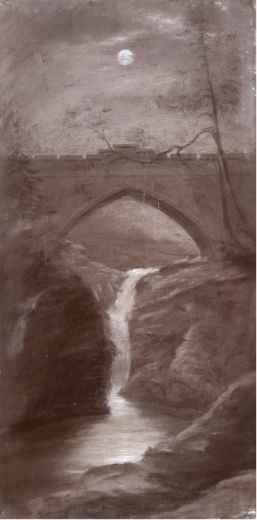
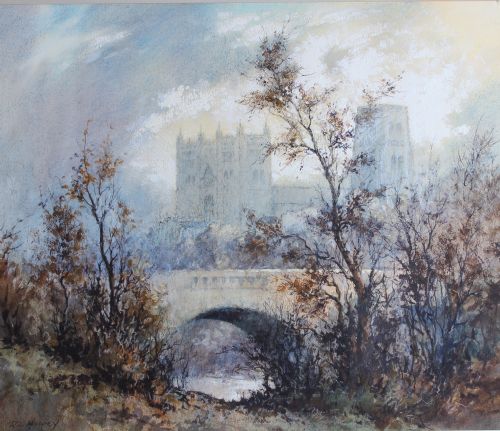


Sepia Landscape Art
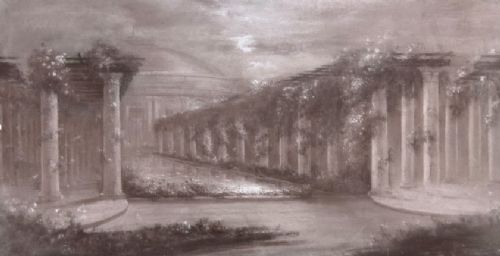
Sepia landscape art captures topography and mood through monochrome tones on paper, bringing historical views into domestic spaces.
Sepia Landscape Art
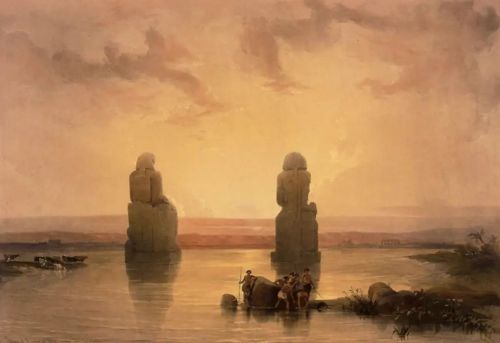
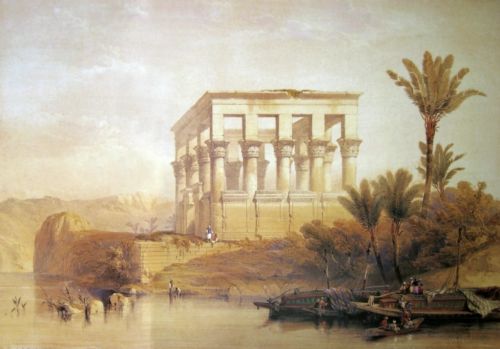
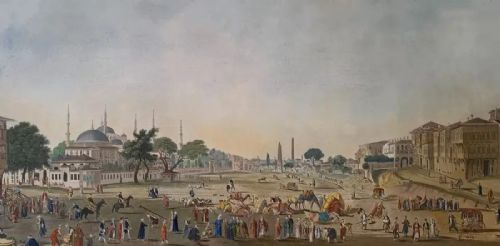
Sepia landscape art encompasses works created in monochrome brown pigments, charcoal, pencil, wash, and ink, focusing on topographical views, architectural studies, and coastal scenes. These pieces originate primarily from the nineteenth and early twentieth centuries, spanning Georgian, Victorian, and Edwardian periods.
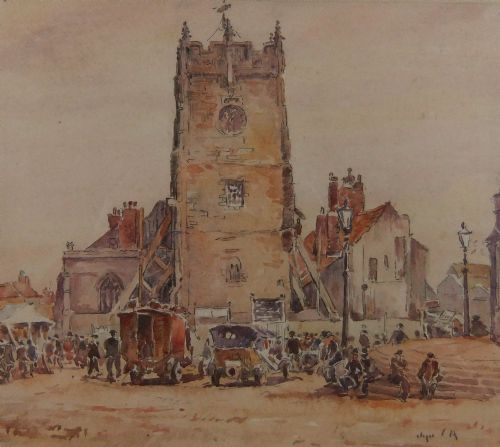
On this page, buyers most frequently encounter original watercolours, ink drawings, and period prints framed behind glass. Subjects range from British river scenes and northern towns to continental European buildings and maritime views.
How they were made
Artists typically applied watercolour pigment, ink, or wash onto paper or canvas stretched over wooden supports. Pencil and charcoal provided foundational lines and tonal depth before liquid media defined the shadows and highlights.
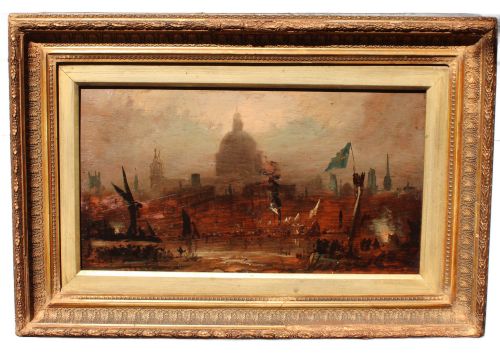
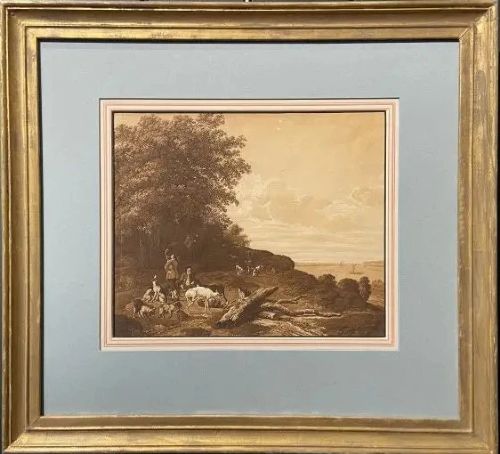
Framing often incorporated wood, sometimes with gilt or gold leaf detailing, protecting the delicate paper surfaces from atmospheric moisture and handling.
Listings span periods from the seventeenth century through to the 1940s, using paper, wood, ink, and watercolour.
What varies in quality
Quality rests in the sureness of the draughtsmanship and the control of tone across the paper surface. Skilled execution achieves depth and atmosphere using restricted monochrome palettes.
The sophistication of the composition and the preservation of the paper support further differentiate the works. Stronger pieces display confident brushwork or pen control without excessive fading or discoloration.
John Smith Atherton·David Roberts·Anton Ignaz Melling·Robert Leslie Howey·Charles James Lauder·George Arthur Fripp·Frederick William Booty·Leslie Rackham·William Wyld·Henry Barlow Carter·Claude Lorrain·John Boydell·Hercules Brabazon Brabazon·Samuel Palmer·W. Tatton Winter·Sir Francis Leggatt Chantrey·Amos Green·Frank W. Scarborough·Harry Wanless·Thomas Clavering Alder·George Graham·Walter Emsley·Sir Muirhead Bone
The Sepia Landscape Art Glossary
- Wash
- A thin layer of translucent watercolour or ink applied evenly across paper to create smooth background tones.
- Gilt
- A thin application of gold leaf or gold paint applied to wooden frames to provide a decorative metallic border.
- Tonalism
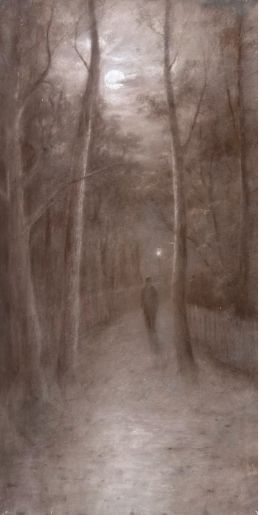
- An artistic style focusing on atmospheric effects and shadow rather than crisp linear detail.
- Lithograph
- A print made from a design drawn on limestone or metal plate using an oil-based medium.
Sepia Landscape Art: Frequently Asked Questions
How should I hang sepia landscape art?
Keep these works away from direct sunlight to prevent the paper and ink from fading over time. Standard interior lighting under glass suits them best.
Pair them with neutral wall colours to let the monochrome brown tones stand out clearly.
Are these works original or prints?
The listings include both hand-drawn watercolours and period prints, such as sepia lithographs. Descriptions specify the exact medium used for each item.
Examining the surface closely reveals brush texture or ink pooling unique to original works on paper.
What periods do these pieces come from?
Most items date from the nineteenth and early twentieth centuries, encompassing Georgian, Victorian, and Edwardian eras. Earlier pieces from the seventeenth century also appear occasionally.
Each listing records the specific period or estimated date associated with the artwork.
How do I care for antique paper art?
Ensure the framing remains sealed to keep out dust and humidity. Professional conservation framing provides the best long-term protection.
Avoid placing the artwork in rooms with high moisture levels, such as kitchens or unventilated bathrooms.