





Antique Ikat Textile
An antique ikat textile brings the vibrant energy of Central Asia into a room through rich patterns and dyed threads.
Antique Ikat Textile
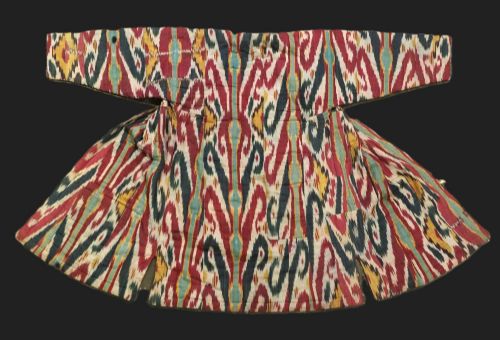
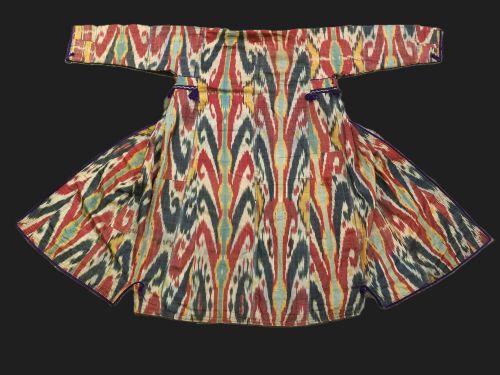
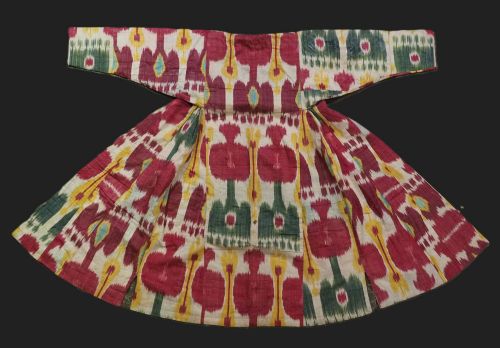
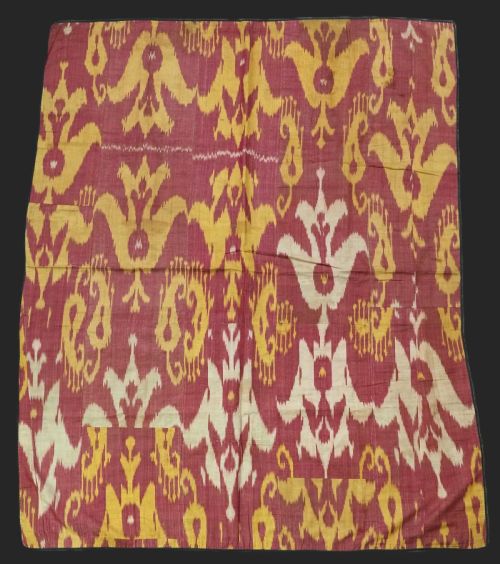
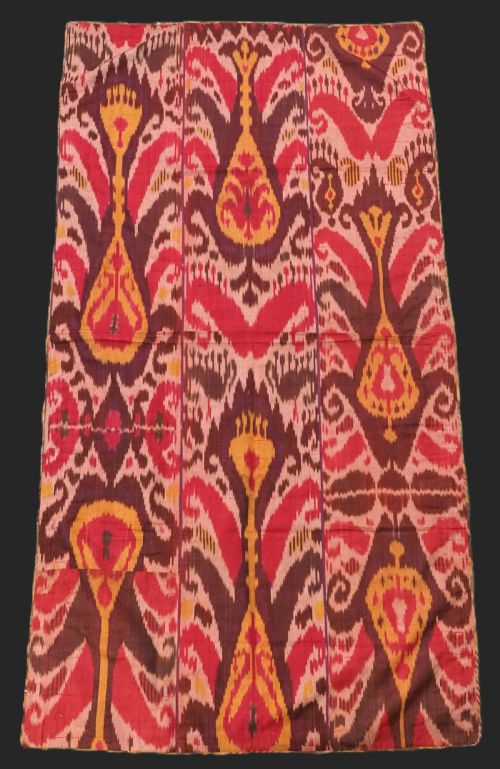
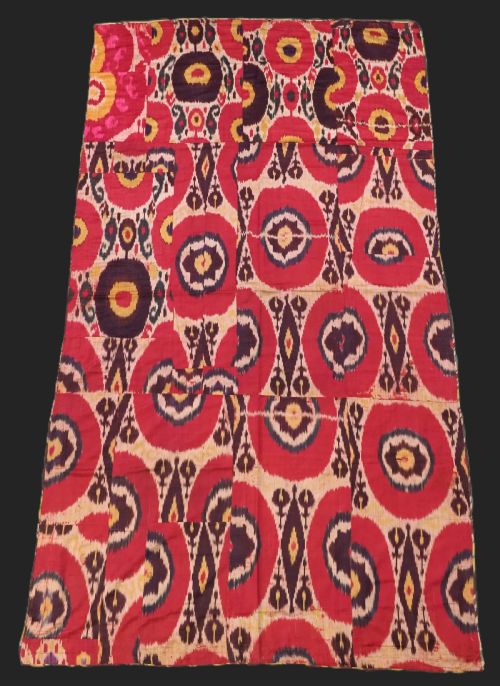
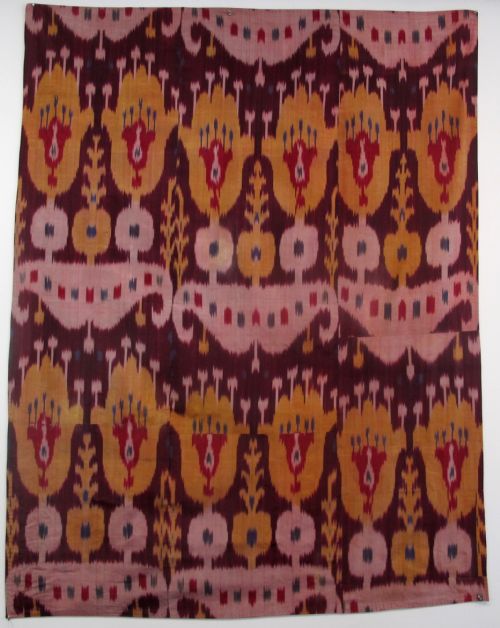
The most common forms on this page include gentlemen's coats such as chapans and khalats, alongside large fabric panels and smaller domestic items like purses and torbas with ikat designs. These pieces showcase distinct regional styles including traditional Uzbek and Turkmen tribal aesthetics, offering a clear window into nineteenth-century textile artistry.
Each object reflects the heritage of its maker through distinct patterns and utility, whether fashioned as a quilted winter coat or displayed as a decorative wall hanging. Buyers frequently find both wearable garments and flat panels, each presenting the characteristic blurred patterns inherent to this resist-dyeing tradition.
How they were made
The creation of these textiles relies on a meticulous resist-dyeing technique where threads are bound and dyed prior to weaving the cloth. Artisans utilise natural dyes to achieve deep colour saturation on silk, cotton, hand-spun wool, and semi-silk adras fabrics.
Weavers carefully align the multicolored warp threads on the loom so that the characteristic hazy outlines emerge as the fabric takes shape. Additional elements like glass beads and quilted padding appear on specific garments and bags to provide structure and ornamentation.
Antique Ikat Textile Retail Price Guide 2026
Typical asking prices for ikat textile among the pieces listed under this phrase on Sellingantiques today, from the lower quarter to the upper quarter. They describe what is for sale here now, not the wider market.
Some nineteenth-century gentlemen faced winter winds inside quilted coats stuffed with extra padding.
What varies in quality
The visual strength of an antique ikat textile depends heavily on the precision of the dye work and the complexity of the pattern. Tighter bindings during the dyeing process yield sharper definition along the colour transitions, separating standard panels from exceptional examples.
Material composition also dictates the character of the piece, with pure silk fabrics and semi-silk adras variations offering distinct sheens compared to cotton or wool constructions. The integrity of the weave and the preservation of natural dyes further distinguish finer garments and wall panels.
The Antique Ikat Textile Glossary
- Ikat
- A resist-dyeing technique where yarn bundles are tightly wrapped and dyed before weaving to create characteristic feathered pattern edges. This method requires immense skill from the dyer to ensure the design aligns correctly on the loom.
- Chapan
- A traditional long, loose-fitting robe or coat worn by men across Central Asia. These garments are frequently quilted and padded for winter use.
- Adras
- A traditional fabric woven with a silk warp and a cotton weft. This hybrid material combines the lustre of silk with the durability of cotton.
- Torba
- A small Turkmen bag traditionally used for storage inside a yurt. These functional items often display intricate ikat designs.
- Natural Dyes
- Colourants derived from plants, insects, and minerals rather than synthetic compounds. These dyes yield the rich, organic hues seen in nineteenth-century textiles.
Antique Ikat Textile: Frequently Asked Questions
How were ikat coats worn?
Gentlemen in regions like Bukhara wore coats such as chapans and khalats as outer garments over traditional clothing. They served as status symbols and practical protection against the desert climate.
Heavier versions were quilted and padded with cotton for warmth during harsh winters, while lighter silks suited milder seasons.
What is semi silk adras?
Semi silk adras is a traditional hybrid textile woven using a silk warp on the surface and a cotton thread for the underlying structure. This combination created a durable fabric with a distinctive sheen.
It offered a practical alternative to pure silk while maintaining the visual richness required for fine garments and wall panels.
How do I care for an antique textile?
Protect fragile antique fabrics from direct sunlight to prevent natural dyes from fading over time. Keep them in stable environmental conditions away from excess moisture.
Display wall hangings using archival mounting methods that distribute weight evenly rather than pulling on specific points of the fabric.
Where did these textiles originate?
Most pieces originate from Central Asian cultural centres such as Bukhara and Samarkand in modern-day Uzbekistan. Turkmen tribal groups also produced distinct woven items.
These regions were major hubs along trade routes, fostering vibrant traditions in dyeing, weaving, and tailoring.