



Antique Hunting Sculpture
These antique hunting sculpture pieces capture hounds, birds, and game from centuries past, offering collectors a tangible connection to traditional rural pursuits.
Antique Hunting Sculpture
When searching for antique hunting sculpture, you encounter a specialised selection of figures and decorative objects centred on dogs, game birds, and field sports. The selection spans the Victorian and Edwardian eras into the early twentieth century, reflecting a sustained fascination with sporting themes.
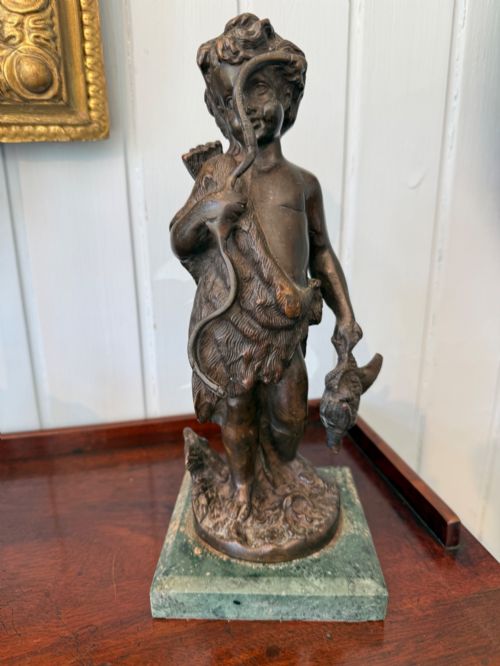
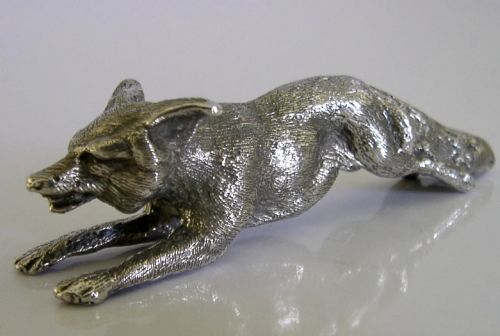
You meet various forms in this category, ranging from French Animalier bronzes of setters and hounds to carved wooden decoy ducks and geese. Some pieces incorporate marble bases or function as wall panels and centrepieces, while others depict mythological figures like the goddess of the hunt.
The materials and origins vary considerably across these listings, encompassing English cast lead, German Black Forest woodwork, and Staffordshire pottery. This diversity ensures that whether you seek a bronze hound or a painted wooden pigeon, the objects represent traditional craft methods from specific historical periods.
How They Were Made
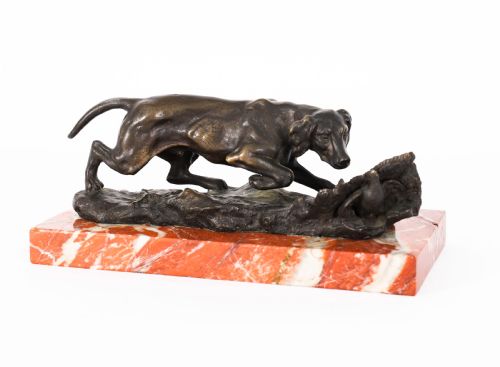
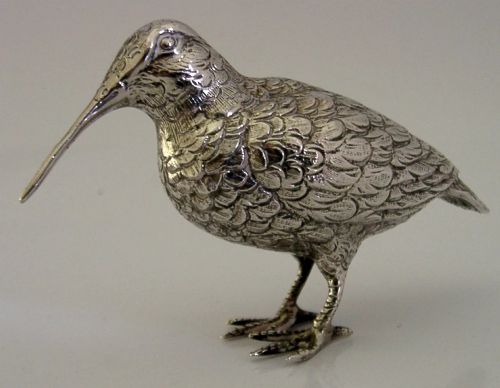
Bronze casting forms a significant portion of these works, frequently utilising the lost-wax technique to capture the muscular detail of gundogs and the fine plumage of game. These metal figures often rest upon fitted marble or slate bases, requiring skilled combination of heavy materials.
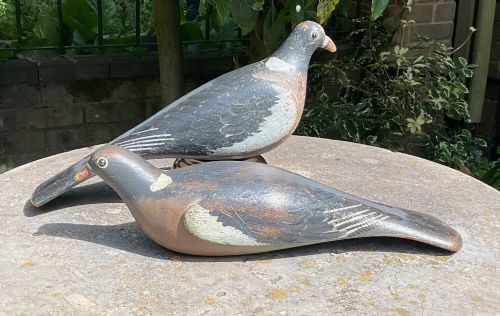
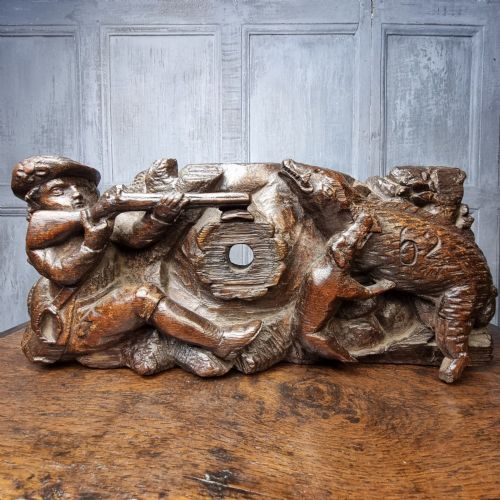
Woodworking traditions appear extensively through carved timber decoys and Black Forest wall plaques, where artists shaped pine, oak, and tiger oak using hand chisels. Paint finishes were then applied carefully to wooden surfaces to mimic the natural colours of ducks, geese, and pigeons.
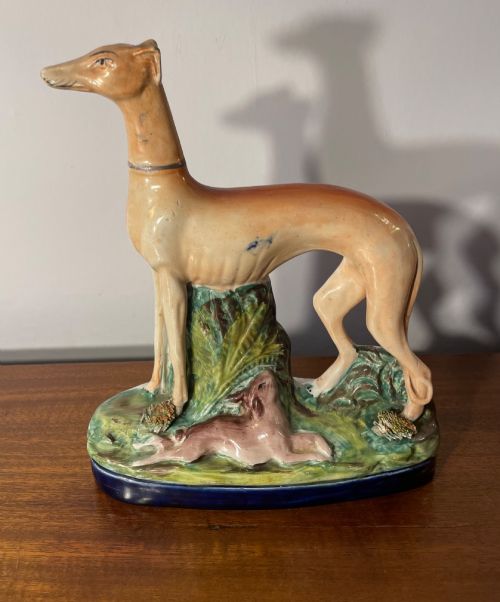
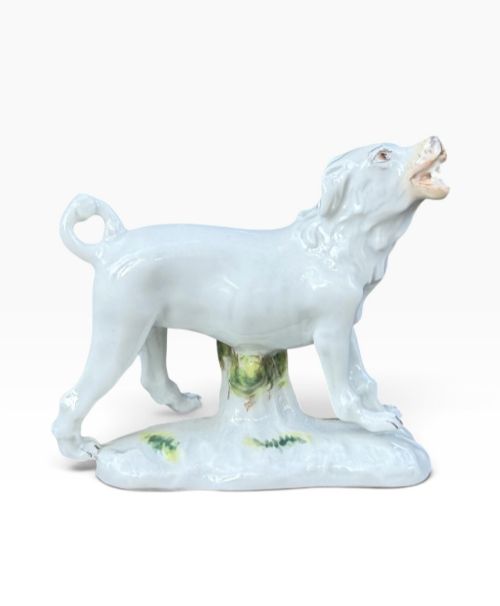
Ceramic pieces involve moulded porcelain and pottery, such as Parian ware, Staffordshire pottery, and blanc de chine figures. These materials were fired in kilns by established factories before receiving hand-painted or glazed details.
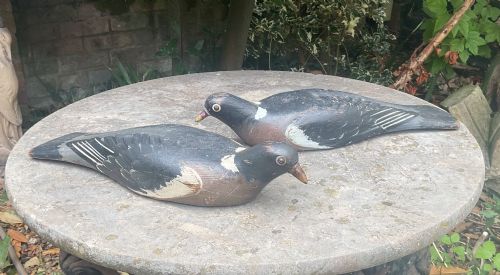
Several wooden decoy pigeons from nineteen hundred wait patiently on this page, having finally retired from luring real birds.
What Varies in Quality
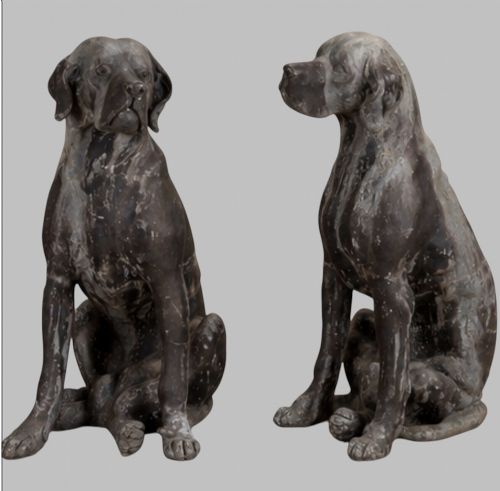
The fidelity of anatomical rendering distinguishes finer bronze and cast iron animalier works from simpler decorative items. Master modellers achieved subtle tension in the muscles of a resting hound or the alert posture of a setter pointing game, whereas lesser pieces lose this organic movement.
Surface finish and patination dictate much of the visual appeal, particularly on metal and carved wooden items. Original paint on decoy birds or rich, aged patination on bronze and silvered figures demonstrate superior preservation and craftsmanship compared to heavily restored or crude surfaces.
The integration of supportive elements, such as the fit of a bronze figure to its marble base or the depth of relief in a carved wooden panel, indicates the original maker's investment of time and skill.
Carl Kauba·Jules Moigniez·Thomas Parr·Delabrierre·Minton·Auguste Nicholas Cain·Antonio Frilli·Enoch Wood factory·Antoine Louis Barye
The Antique Hunting Sculpture Glossary
- Animalier
- A nineteenth-century artistic style and genre dedicated primarily to the realistic portrayal of animals. Sculptors in this tradition studied live subjects extensively to capture natural movement.
- Decoy
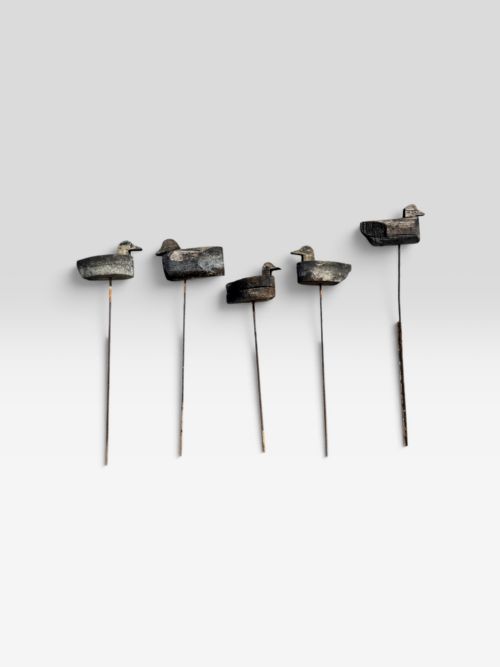
- A carved and painted wooden or canvas replica of a bird used historically by hunters to attract waterfowl. These working objects now occupy a prominent place in folk art collecting.
- Blanc de chine
- A French term for white porcelain originating from China, later adopted by European factories to describe unglazed or clear-glazed white figures. It highlights sculptural form without the distraction of colour.
- Grand Tour
- A traditional trip through Europe undertaken by upper-class young men to absorb classical art and culture. Sculptures purchased on these journeys often reproduced classical antiquities in marble or bronze.
- Spelter
- An alloy of zinc and lead used as a cheaper alternative to bronze during the nineteenth and twentieth centuries. It accepts patination well to resemble heavier metals.
Antique Hunting Sculpture: Frequently Asked Questions
What materials are common in these sculptures?
The listings feature a variety of substances, with cast bronze, carved wood, and ceramic pottery appearing most frequently. Artists also utilised marble, cast lead, silver, and spelter to create these sporting figures.
Each medium required distinct manufacturing techniques, from foundry casting to hand carving and kiln firing, which directly influenced the final appearance and weight of the object.
How do I identify animalier bronzes?
Animalier bronzes focus specifically on realistic depictions of animals, particularly dogs and wildlife, captured in dynamic or resting poses. They often bear the signature of the sculptor on the bronze base.
Look for fine detail in the musculature and fur, as leading nineteenth-century bronzeiers studied anatomy closely to achieve lifelike representations of setters, hounds, and game.
Were decoy ducks used for hunting?
Decoy ducks and geese served a practical purpose in field sports, functioning as floating or land-based lures to attract wildfowl within range of hunters. Carvers shaped them from timber and painted them to match living birds.
Today, these working objects are appreciated as folk art sculptures, prized for their weathered patination and regional carving styles.
What is Black Forest wood carving?
Black Forest wood carvings originate from the mountainous region in Germany and are characterised by deeply carved timber items depicting animals and foliage. Plaques, centrepieces, and wall panels often feature hunting trophies and forest motifs.
These pieces typically utilise dark woods like oak and walnut, showcasing high relief work that emphasises realistic textures such as fur, feathers, and oak leaves.