

Antique Hunting Oil Painting
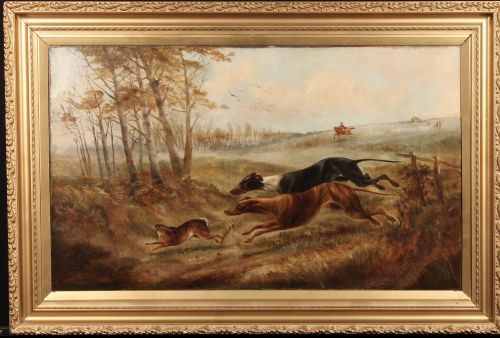
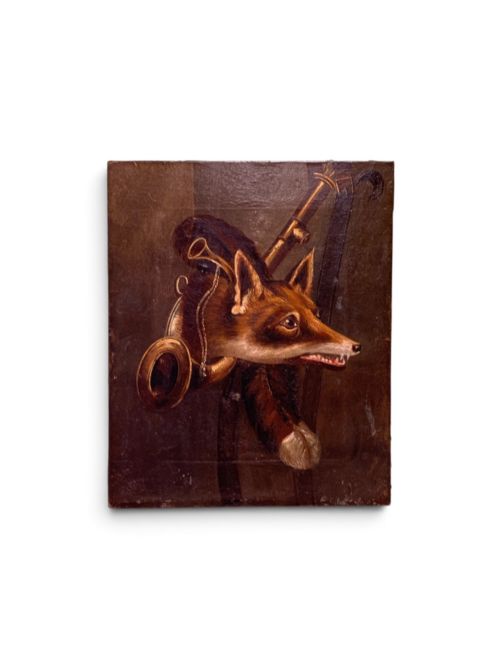
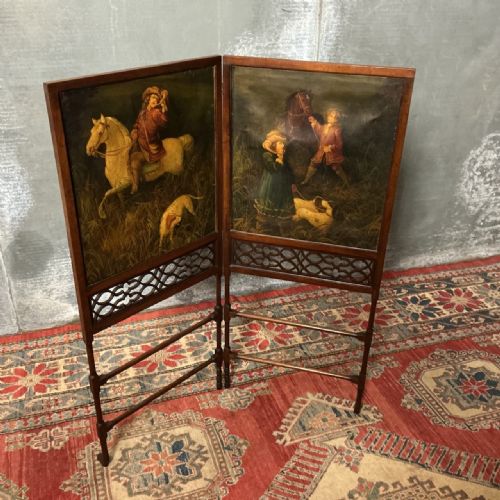
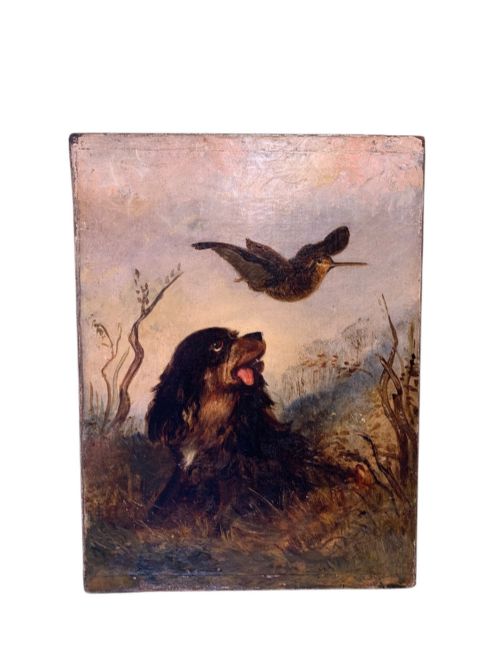
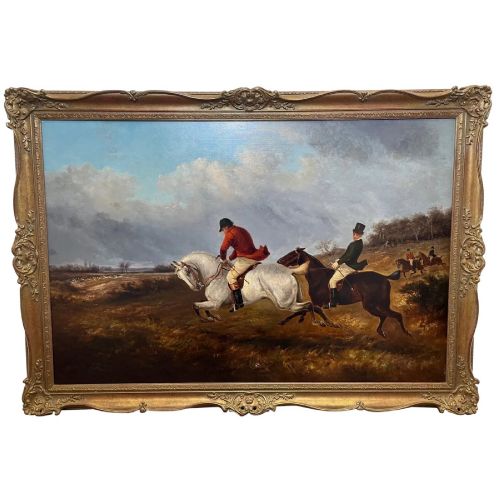
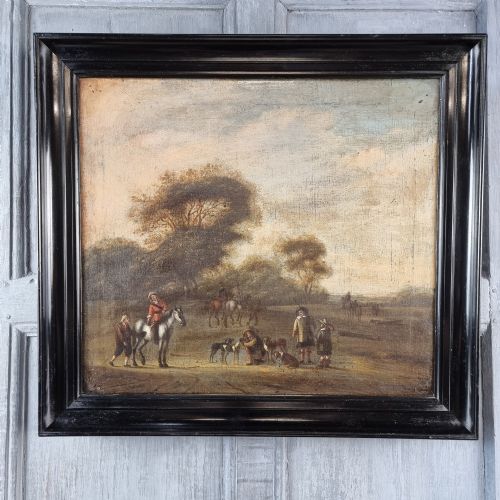
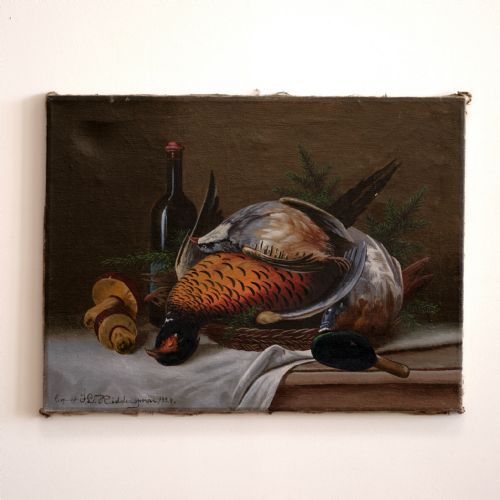
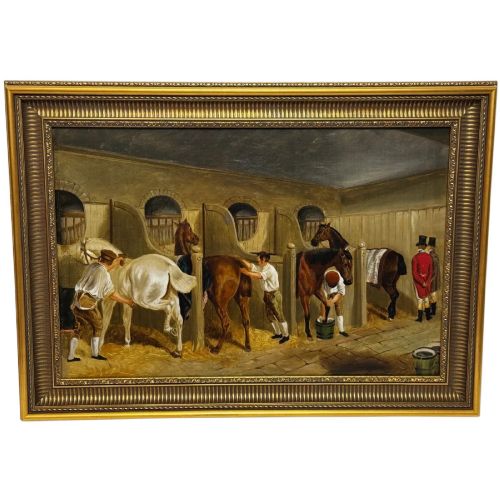
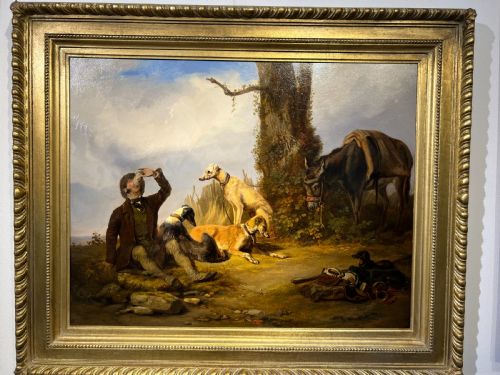
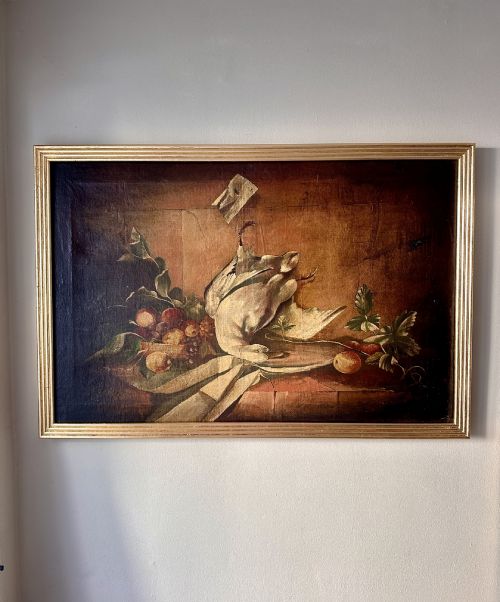
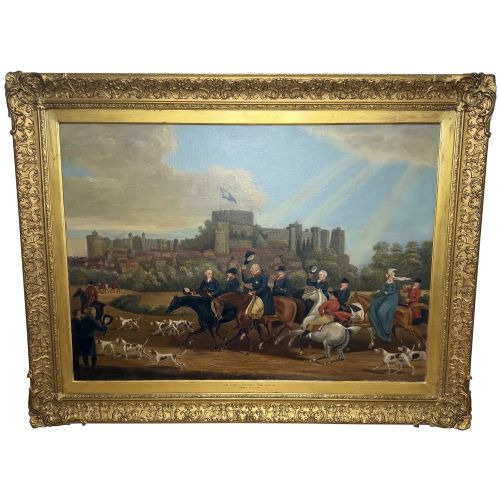
When you seek an antique hunting oil painting, you find works capturing canine portraits, equestrian pursuits, and game scenes across canvas and wood panels.
How they were made
Artists applied oil paint to various supports, primarily stretched canvas and wooden panels, though some works appear on artist palettes or board.
Many significant pieces received custom framing in giltwood or carved wood to complement the domestic interiors of period homes.
What varies in quality
Anatomical precision in rendering horses, hounds, and human figures separates accomplished academic works from simpler provincial efforts.
Atmospheric depth, handling of light within landscapes, and the dynamic tension of animals in motion distinguish master canvases from decorative workshop copies.
Several hounds in these paintings possess expressions more stubborn than obedient.
George Armfield·Thomas Smythe·Michelangelo Meucci·John Sargent Noble·Edgar Hunt·Charles Hunt·Sir Edwin Henry Landseer·John Frederick Herring Senior·Benjamin Blake·Thomas Hicks·John Arthur Lomax·George Wright·Samuel Raven·Philip Henry Rideout·Colin Graeme Roe·Charles Faulkner·Fannie Moody·Robert Cleminson·Jacob Van Der Does II·Alfred Steinacker·John Nost Sartorius·William Howard Hardy
The Antique Hunting Oil Painting Glossary
- Oil on Canvas
- A traditional painting medium where oil pigments are applied to a woven fabric support stretched across a wooden frame.
- Giltwood
- Wood carved and coated with gold leaf, frequently utilised for period picture frames.
- Panel
- A rigid wooden support used by artists before canvas became the dominant medium.
- Sporting Art
- Genre of fine art depicting field sports, equestrian subjects, and hunting dogs.
- Still Life
- A painting focused primarily on inanimate objects, frequently featuring game, birds, and fruit.
Antique Hunting Oil Painting: Frequently Asked Questions
What periods do these paintings cover?
The available selection spans from the late 17th century through the Georgian and Victorian eras up to the mid-20th century.
Victorian and Edwardian sporting works form the majority of the inventory.
How do I hang a heavy gilt-framed canvas?
Substantial giltwood frames require secure wall fixings distributed evenly to support the weight of the timber and canvas structure.
Professional picture hangers utilise heavy-duty brackets screwed directly into wall studs or masonry.
Are these works signed by the artists?
Several pieces bear signatures, monograms, or attribution to notable animal and sporting artists of the 19th and early 20th centuries.
Others represent the broader British and Continental schools without direct signatures.
What subjects besides fox hunting appear?
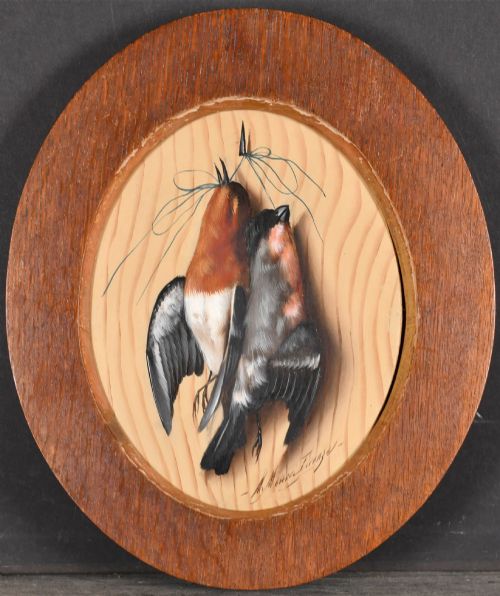
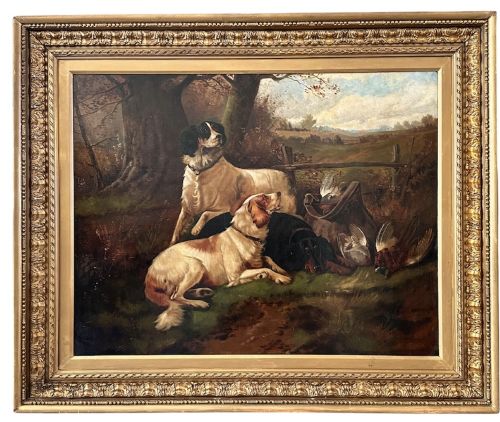
The genre encompasses gun dog portraits, game still lifes featuring hares and waterfowl, and coaching scenes.
Equestrian studies and rural landscapes with hounds complete the range of subjects.