
Antique Hunt Painting
When you search for an antique hunt painting, you uncover rich Victorian and Edwardian portrayals of hounds, horses and field sports.
Antique Hunt Painting
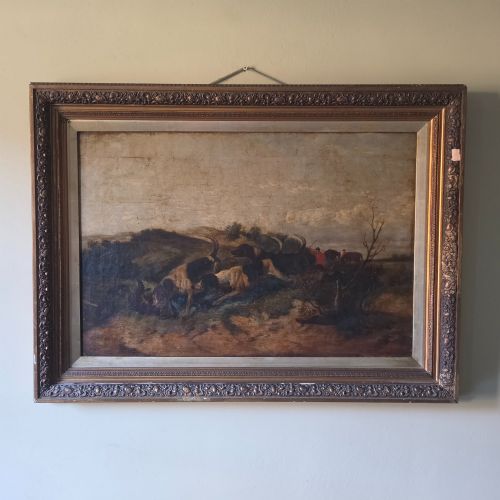
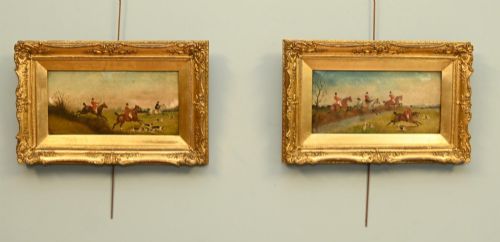
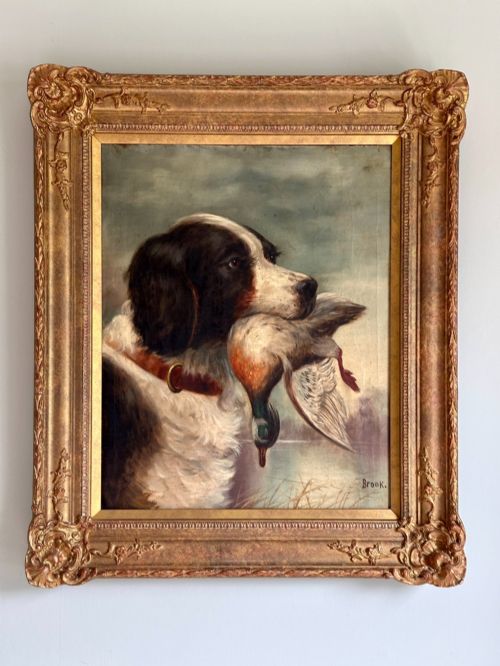
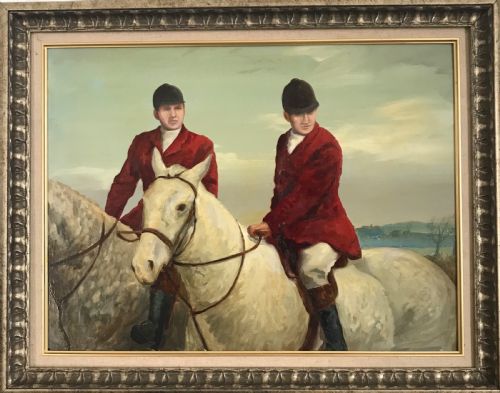
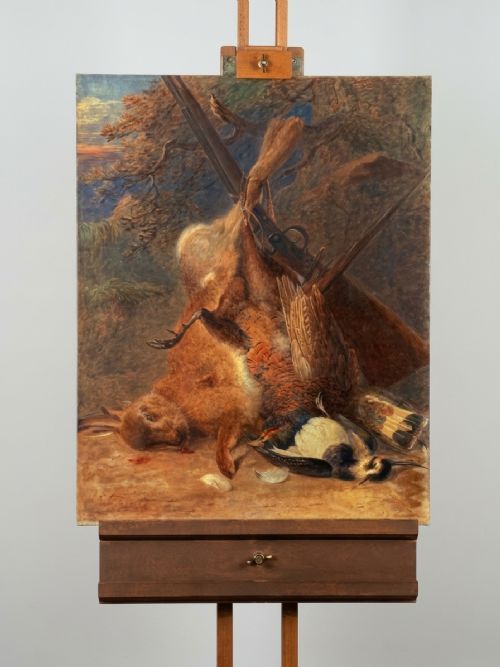
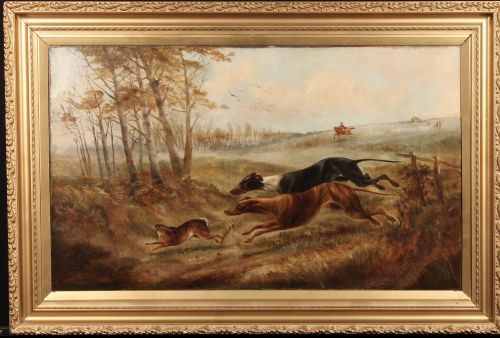
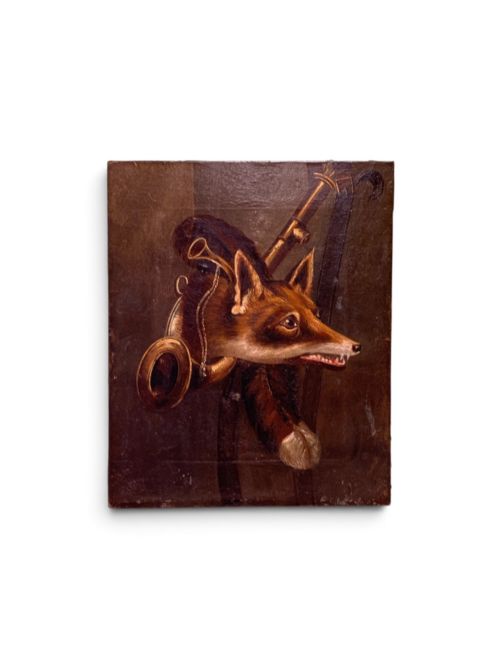
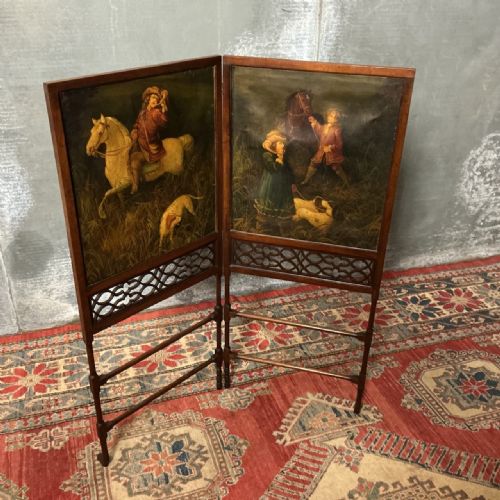
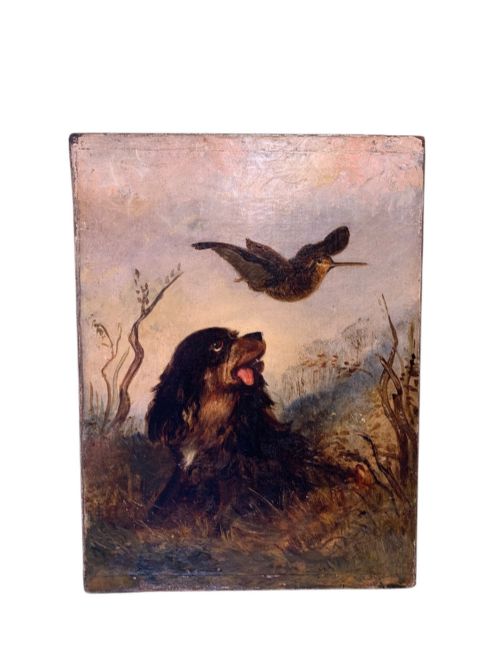
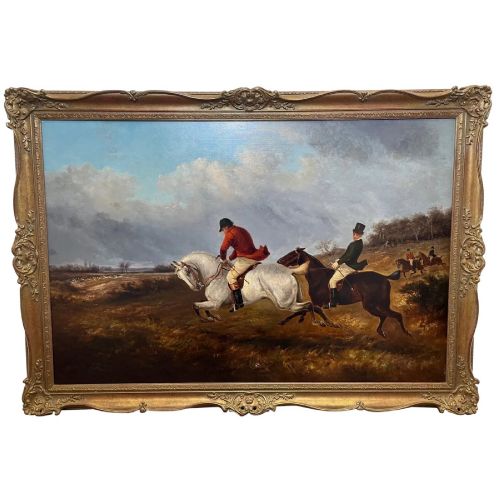
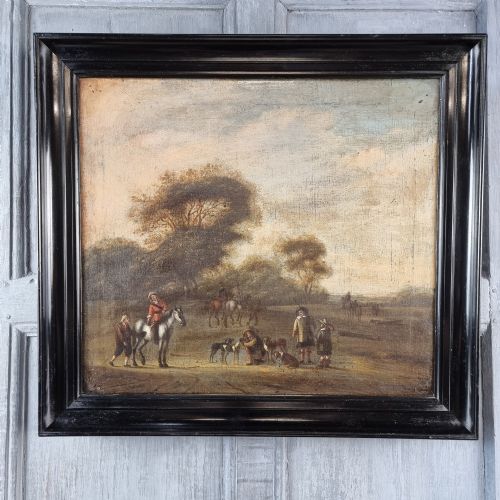
An antique hunt painting captures the drama and pageantry of rural pursuits across canvas, wood panels and paper. The subjects range from expansive countryside packs in full cry to intimate studies of gun dogs and game.
Most examples found here date from the nineteenth century into the early twentieth century. These works reflect a distinct sporting tradition deeply rooted in British country life and equestrian culture.
What Varies in Quality
The anatomical accuracy of horses and hounds marks the distinction between competent studio work and master execution. Strong pieces convey tension and motion with precise brushwork in the rendering of muscle and coat.
Condition of the pigment and the originality of the mounting also dictate worth. Works retaining their untouched surface without excessive restoration hold greater presence and historical integrity.
Listings feature works spanning the seventeenth century through to the mid-twentieth century, executed in oil, watercolour and mixed media.
George Armfield·Edgar Hunt·John Frederick Herring Senior·Arthur Wardle·Henry Alken
The Antique Hunt Painting Glossary
- Bodycolour
- Watercolour mixed with white pigment to create an opaque finish. This technique allows artists to add sharp highlights to fur and foliage.
- Full cry
- The moment when the entire pack of hounds catches the scent and bays together. It forms the most dynamic action scene in sporting art.
- Gilt wood
- Timber frames coated in a thin layer of gold leaf or metallic paint. These ornate surrounds were designed to enhance the depth of oil paintings.
- Provenance
- The documented history of ownership tracing a work back to its origin. Clear records add considerable weight to signed equine canvases.
Antique Hunt Painting: Frequently Asked Questions
How do I date an old sporting canvas?
Examine the preparation of the canvas or panel alongside the style of the dress and tack depicted. Costume details and framing methods frequently narrow the decade of production.
Signatures and inscriptions on the reverse offer further clues, though many period works remain attributed to schools rather than named hands.
What subjects appear in these works?
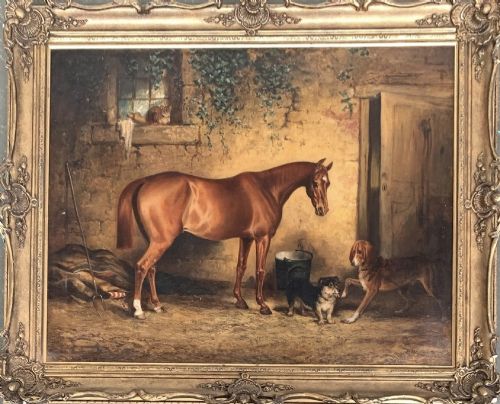
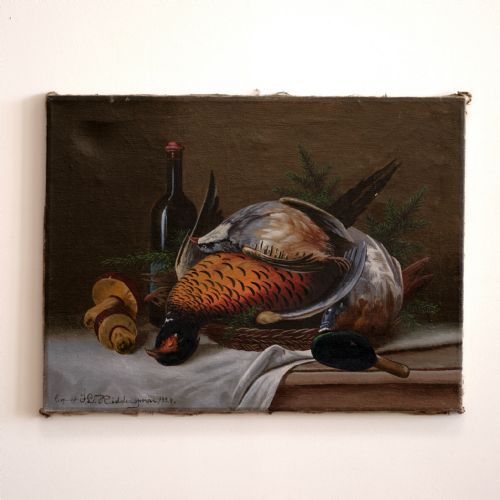
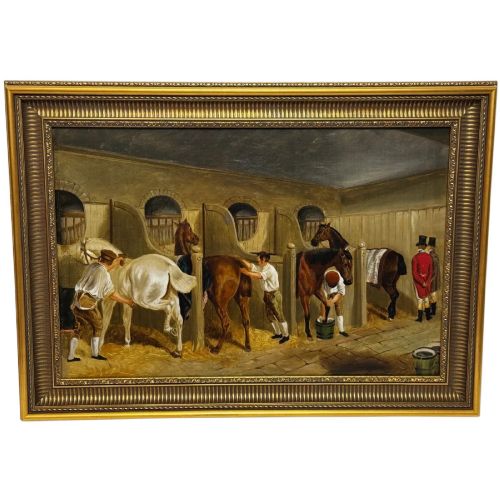
The most common subjects include mounted huntsmen, packs of foxhounds, stable portraits of hunters, and still lifes of game birds. Each subject reflects the Victorian preoccupation with rural sport and animal portraiture.
Some compositions focus strictly on the hounds themselves, while others place the animals within sweeping country landscapes.
Are watercolours as durable as oils?
Works on paper require careful protection from direct sunlight to prevent fading of the delicate pigments. Glazing with conservation glass helps preserve the integrity of the watercolour wash.
Oil paintings on canvas tolerate ambient light better, though they still benefit from stable humidity levels to protect the wooden stretchers.
How were these artworks displayed originally?
Landed families hung large equestrian canvases in dining rooms, libraries and halls to celebrate their sporting achievements and estates. Smaller watercolours and studies often found places in intimate sitting rooms.
Heavy gilt frames were standard, intended to project status and catch the flickering light of period interiors.