




Antique Hotel Furniture
Antique hotel furniture brings utilitarian craft and commercial durability straight into the home, offering robust utility wrapped in history.
Antique Hotel Furniture
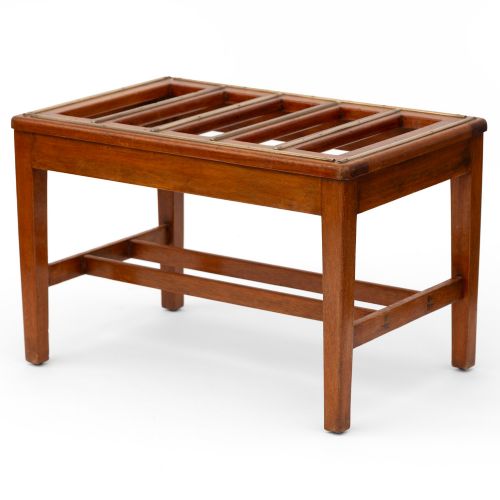
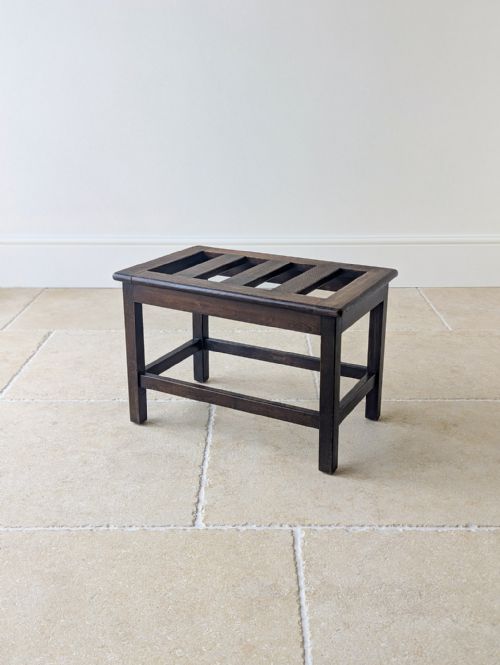
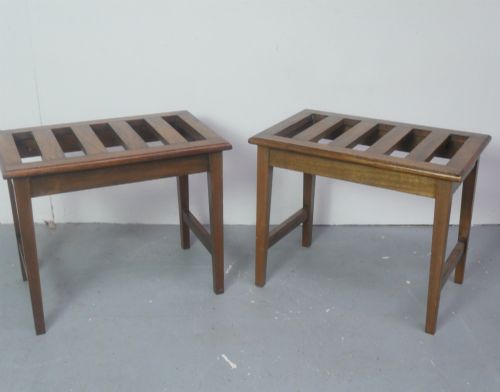
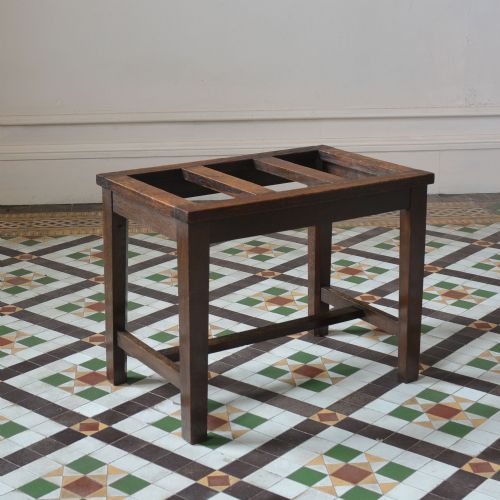
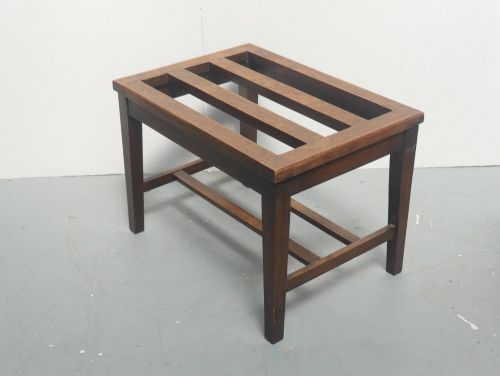
When you search for antique hotel furniture, you find pieces built for heavy public use that now lend character to domestic interiors. The selection leans heavily toward oak and walnut luggage racks alongside reception furniture from various eras.
Most examples date from the Victorian and Edwardian periods, running through 1900, 1910, and 1920. Forms range from simple luggage stands to French oak reception greeting stations and mahogany side tables.
How these pieces were made
Construction relies on durable timbers such as oak, mahogany, walnut, and pine, selected for longevity in commercial settings. Metal and iron components provide structural reinforcement, while brass fittings add functional detail.
Surfaces often feature polished finishes or paint, reflecting the practical maintenance required in busy establishments. Joinery is straightforward and sturdy, designed to withstand daily handling by guests and staff.
Listings feature items spanning the Victorian era through the 1920s, constructed in oak, walnut, mahogany, pine, metal, iron, and paint.
What varies in quality
Quality rests on the integrity of the timber and the retention of original hardware such as brass brackets or rails. Pieces originating from known commercial settings or documented makers carry greater historical interest.
Proportion and execution set utilitarian items apart, distinguishing standard commercial production from finer bespoke reception pieces. Simple luggage racks differ from grander greeting stations mainly in scale and detail.
Waring & Gillow
The Antique Hotel Furniture Glossary
- Luggage stand
- A low folding or fixed wooden frame designed to hold a guest suitcase at a convenient height. These usually feature slatted tops and robust legs.
- Reception greeting station
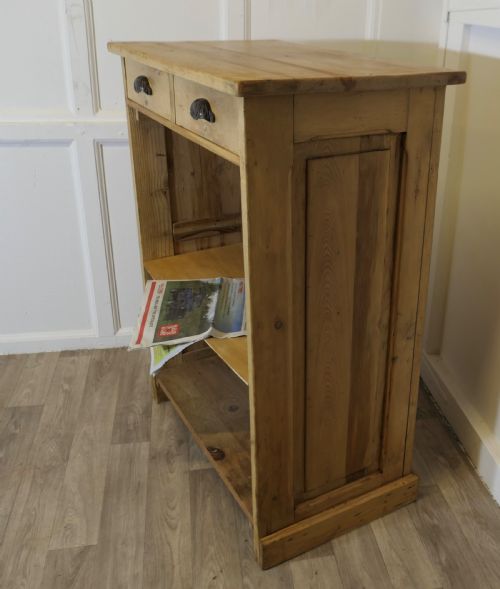
- A larger desk or counter piece used in hotel or restaurant entryways to greet visitors. These often incorporate panelled woodwork and integrated storage.
- Edwardian
- A stylistic and historical period spanning from the death of Queen Victoria in 1901 to the start of the First World War in 1914. Furniture from this era often shows lighter proportions than Victorian designs.
- Washstand
- A domestic or hotel table fitted for washing equipment, sometimes repurposed later with sign writing for specific establishments.
Antique Hotel Furniture: Frequently Asked Questions
What is antique hotel furniture?
Antique hotel furniture comprises durable items built for commercial hospitality settings during the nineteenth and early twentieth centuries. These pieces were designed to withstand heavy daily use by guests and staff.
Today, they are repurposed for domestic interiors, offering practical utility alongside distinct period character. Common forms include luggage racks, desks, and reception stations.
How were luggage stands used?
Luggage stands were placed in guest bedrooms to hold suitcases off the floor, making unpacking easier for travellers. Their slatted tops provided sturdy support for leather and canvas trunks.
In modern homes, they function well as tray tables, bench seats, or bedroom accessory stands. Their compact footprint makes them versatile for smaller spaces.
What materials are common?
Oak is the most frequent wood found in these pieces, valued for its strength and straight grain. Walnut, mahogany, and pine also appear across various forms and periods.
Metal, iron, and brass provide structural bracing and functional hardware. Painted finishes are occasionally seen on pieces intended for specific interior schemes.
How do I date these pieces?
Dating relies on stylistic clues, construction methods, and materials typical of periods like the Victorian and Edwardian eras. Reference to specific decades such as 1900, 1910, or 1920 often helps narrow the timeframe.
Maker marks, where present, provide definitive chronological markers. Hardware styles and timber selection further assist in identifying the correct era.