

Antique Horse Canvas Artwork
These antique horse canvas artwork pieces capture centuries of equine history through detailed oil paintings.
Antique Horse Canvas Artwork
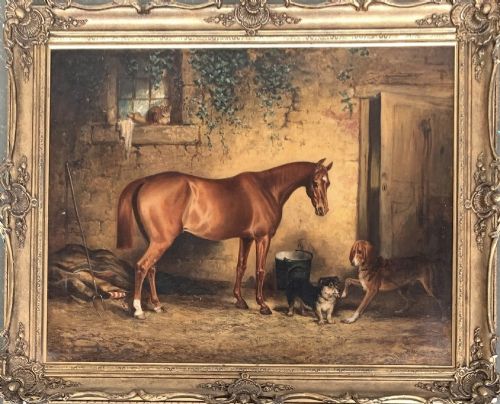
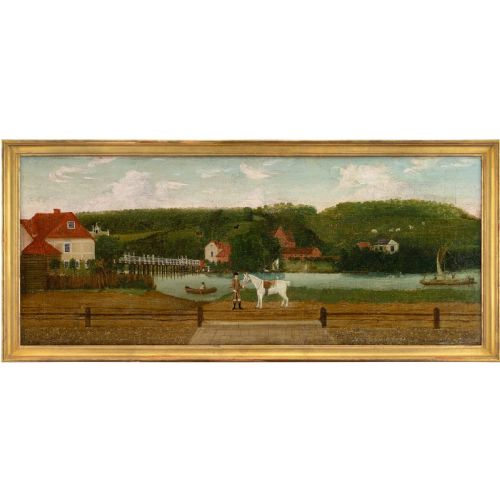
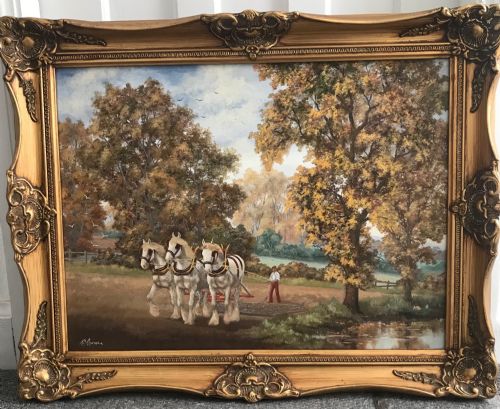
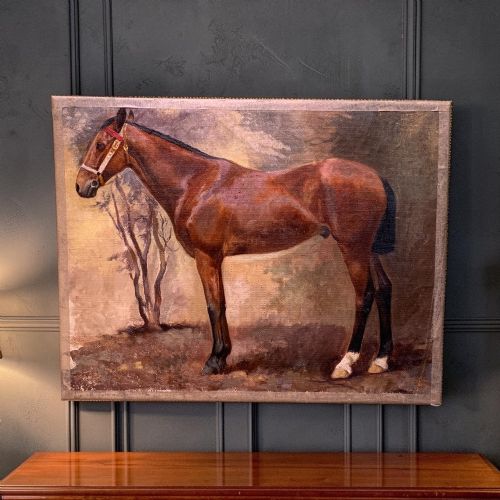
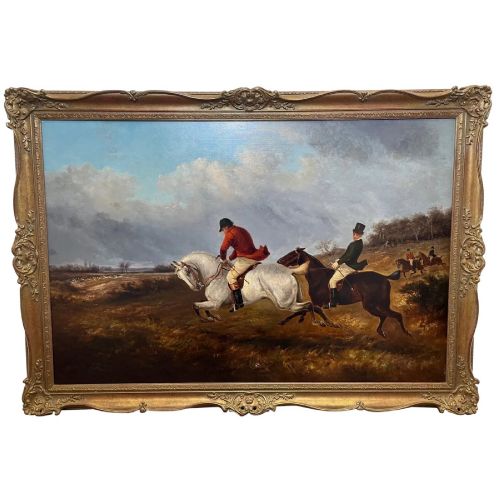
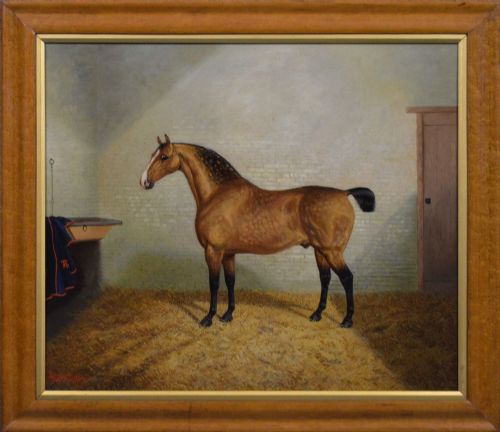
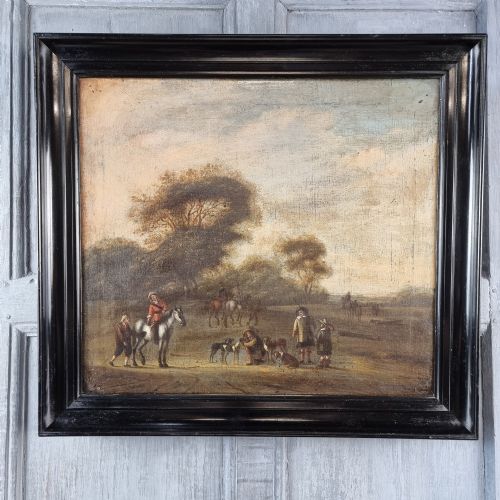
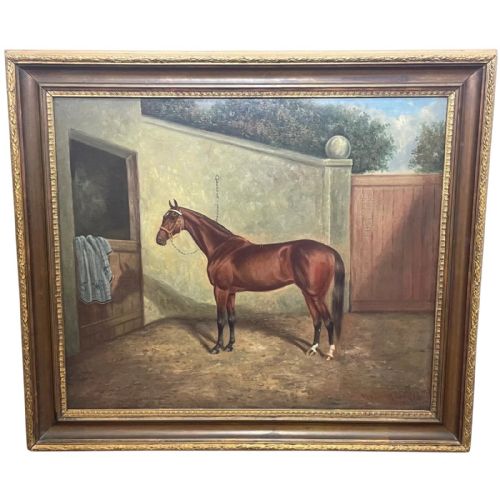
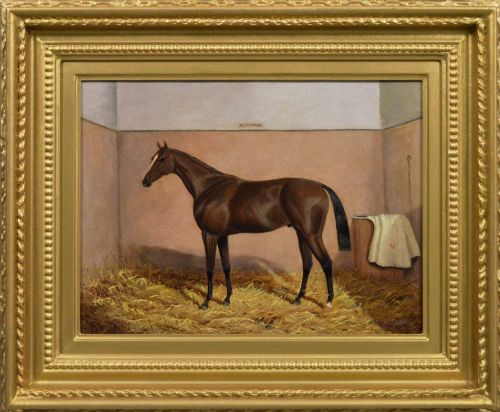
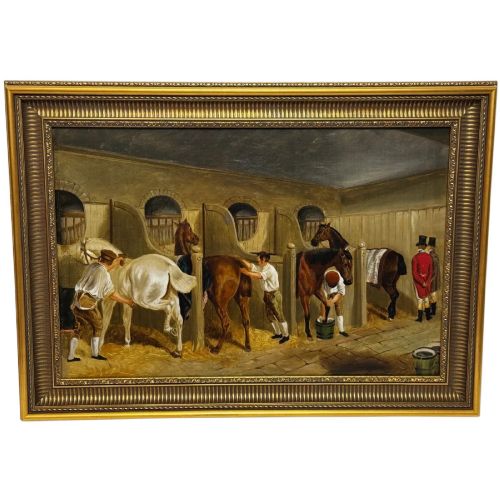
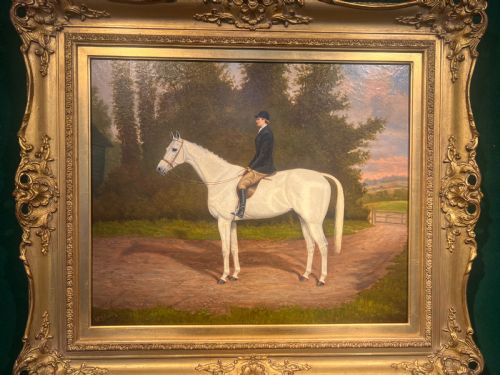
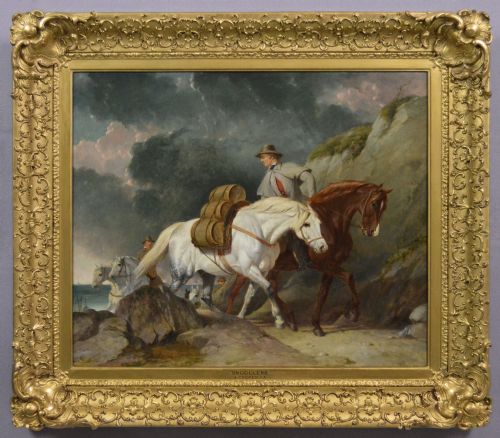
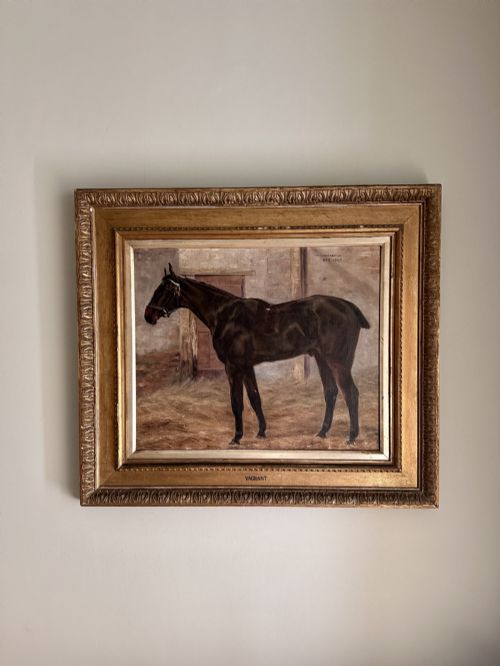
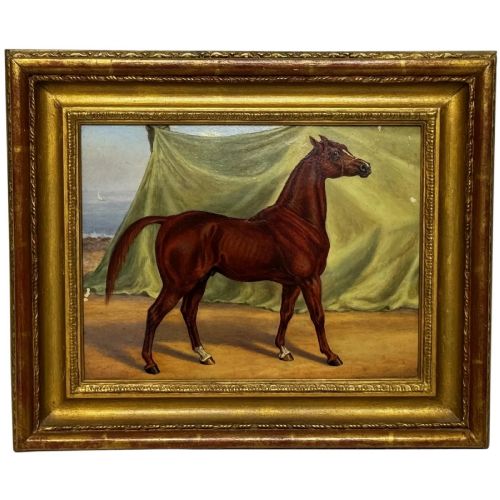
When you search for antique horse canvas artwork, you encounter painted representations of equines rendered across the nineteenth and twentieth centuries. These works include individual portraits of named racehorses, hunting scenes, rural landscapes with working horses, and broader equestrian studies.
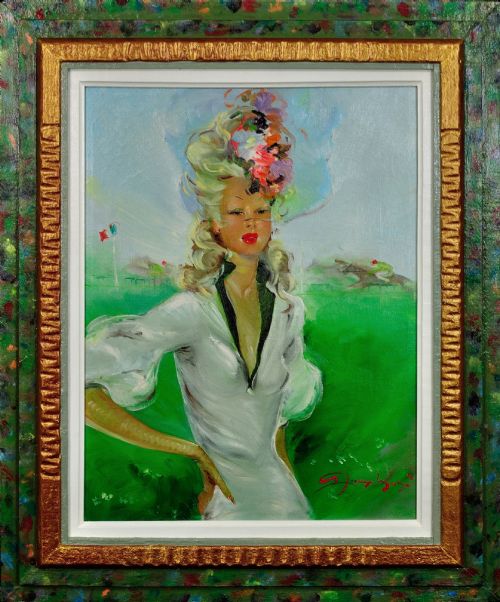
The pieces on this page stem predominantly from Victorian and Edwardian periods, stretching from the early nineteenth century through to mid-century modern interpretations. You find framed canvases depicting thoroughbreds, hunters, and rural draught animals in stables, fields, and racing grounds.
Materials and Construction
The works utilise oil paint applied to woven canvas stretched over wooden frames, often housed within decorative giltwood or wooden surrounds. Pigments are brushed onto the fabric ground to build texture, depth, and anatomical detail in the depiction of the animals.
Support structures consist of traditional timber stretchers, while the outer presentation typically employs carved and gilded wood mouldings characteristic of the period in which the painting was produced.
Listings feature oil on canvas materials spanning the nineteenth century, 1920, Victorian, 1900, 1880, 1910, 1960, and 1930 periods.
Distinctions in Quality
Quality rests upon the precision of anatomical rendering, the articulation of light on muscle and coat, and the fidelity of the composition. Superior examples display careful handling of perspective and background detail alongside a convincing likeness of the subject.
The capability of the hand behind the brush dictates the outcome, separating competent regional records from masterworks by recognised sporting and animaliers painters who understood equine conformation.
Henry Barraud·Thomas Smythe·Albert Clark·Abraham Cooper·John Ferneley Senior
The Antique Horse Canvas Artwork Glossary
- Oil on Canvas
- A painting medium where pigments bound in drying oil are applied to a woven fabric support. This method allows for rich blending and depth of colour.
- Giltwood
- Timber that has been coated with a thin layer of gold leaf or powder. It provides a bright, reflective border for traditional framing.
- Equestrian
- Pertaining to horses, horse riding, or horse art. It defines subjects centred on the animal and its handlers.
- Stretchers
- The wooden frames upon which canvas is pulled taut before painting. They maintain the tension of the fabric surface over time.
Antique Horse Canvas Artwork: Frequently Asked Questions
What periods do these paintings cover?
The selection spans from the early nineteenth century through the Victorian and Edwardian eras into the mid-twentieth century. Works reflect the artistic styles of their respective decades.
Dates range from specific years like eighteen hundred up to nineteen sixty, capturing changing trends in British and European sporting art.
How should I hang an oil painting?
Secure your canvas using appropriate wall fixings that match the weight of the frame and the stretcher. Ensure the hanging point distributes the load evenly.
Keep pieces away from direct sunlight and fluctuating heat sources to protect the oil paint and canvas from cracking or warping.
What subjects appear most often?
Portraits of named racehorses, hunters, and working animals dominate the available selection. Many canvases set these animals within rural landscapes, stables, or racing environments.
Scenes also incorporate figures such as jockeys, grooms, and estate owners alongside hounds and carriages.
How do I identify the artist?
Look for signatures, monograms, or dates inscribed directly onto the painted surface, typically found near the lower corners. Old labels, framing stamps, or inscriptions on the reverse stretcher can also provide clues.
Consulting historical records helps link the style and subject matter to recorded painters from the Victorian and Edwardian periods.