

Antique Horology Timepieces
These antique horology timepieces range from pocket watches to bracket clocks, offering mechanical precision and period craftsmanship.
Antique Horology Timepieces
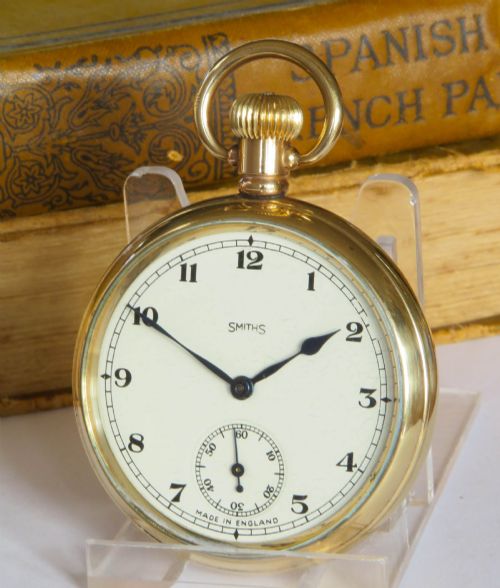
When you examine antique horology timepieces, you encounter mechanical objects designed to record hours and minutes across several centuries. The selection spans pocket watches, wristwatches, carriage clocks, wall clocks, and mantel clocks.
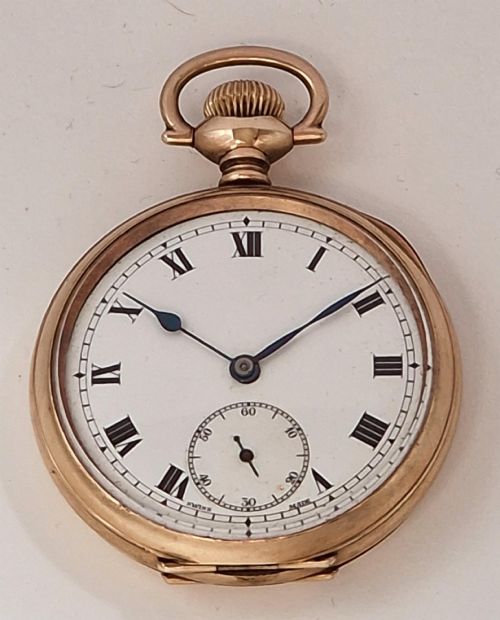
You are most likely to meet Victorian and Edwardian pocket watches alongside Georgian wall clocks and French carriage clocks on this page. These pieces derive from periods including the Georgian, Victorian, Edwardian, and mid-century eras, incorporating styles such as Art Deco and French nineteenth-century design.
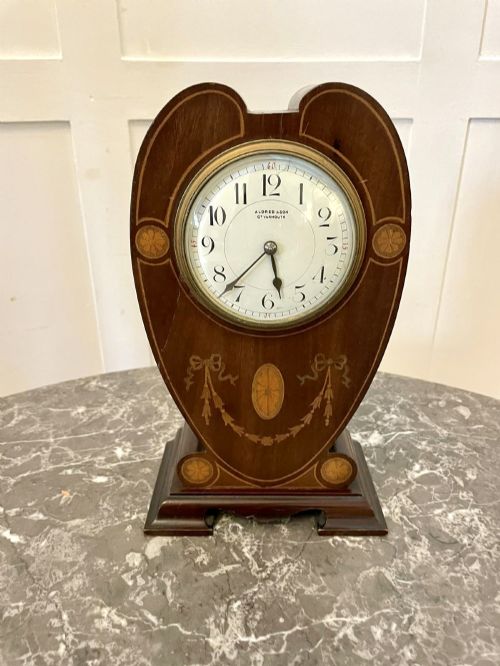
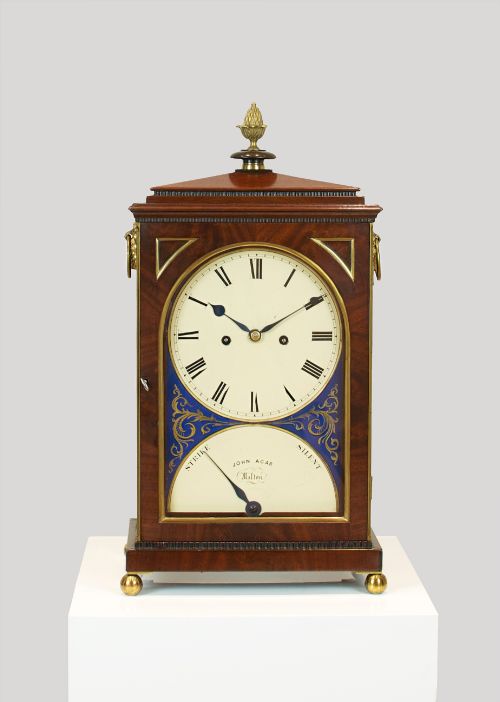
The forms vary from simple pocket chronographs and military timepieces to ornate bracket clocks housed in mahogany or gilt-brass. Each type reflects the technological priorities and domestic habits of its original era.
Materials and construction
The makers utilised durable metals including brass, silver, steel, and gold alongside glass crystals and enamel dials. Casing materials frequently feature mahogany, oak, and gilt-bronze, occasionally accented with porcelain plaques or leather travel cases.
Mechanisms rely on traditional horological techniques such as fusee movements, escapements, and intricate gear trains housed within fitted metal plates. Dials combine painted numerals, gilt brass details, and subsidiary seconds counters executed by hand.
Antique Horology Timepieces Retail Price Guide 2026
Typical asking prices for horology timepieces among the pieces listed under this phrase on Sellingantiques today, from the lower quarter to the upper quarter. They describe what is for sale here now, not the wider market.
Listings feature pocket watches, mantel clocks, and wall clocks spanning the Georgian period to the mid-century era in brass, silver, and mahogany.
Judging quality in horology
Quality rests upon the refinement of the movement, the integrity of the original components, and the execution of the exterior case. Superior examples feature signed movements by known makers, crisp dial engraving, and well-balanced proportions.
The degree of hand-finishing on internal components and the retention of original parts distinguish finer timepieces from standard production items. Aesthetic cohesion between the dial, hands, and timber or metal housing further elevates a piece.
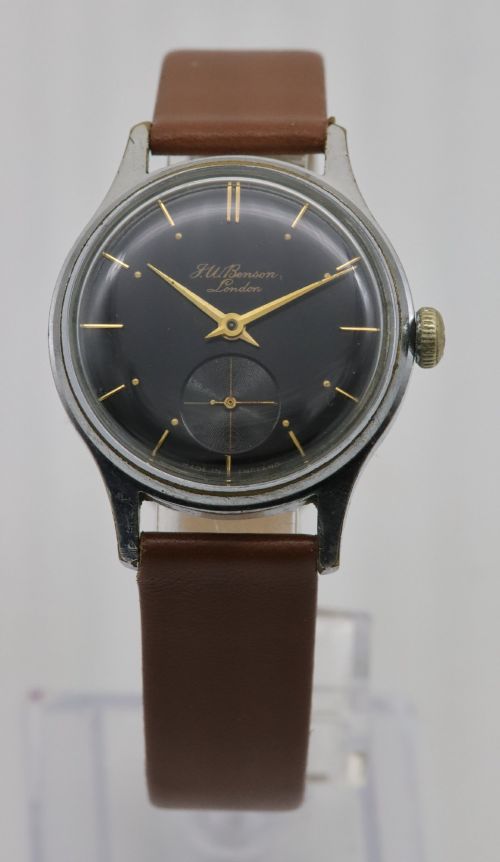
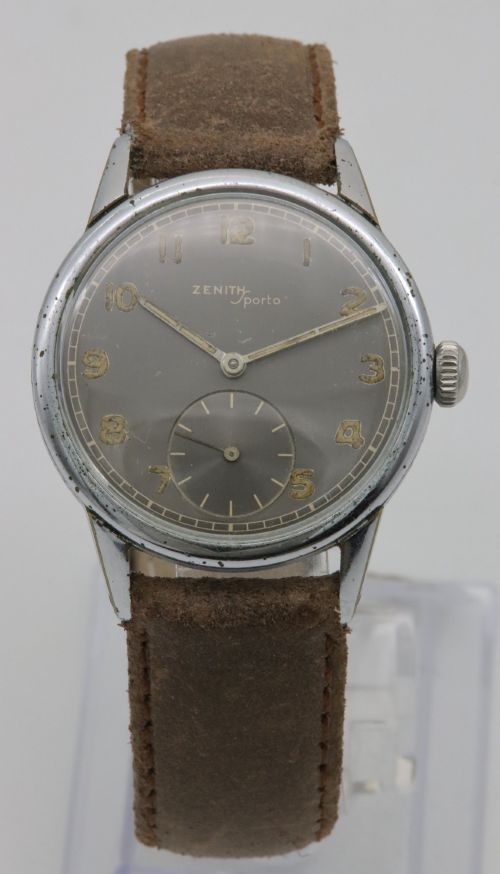
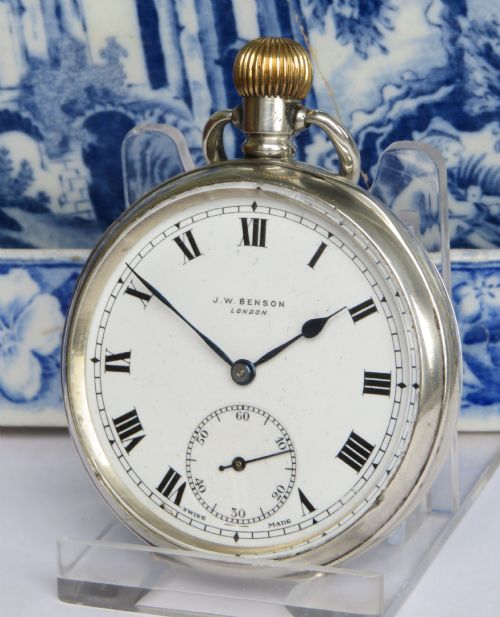
King London·Zenith Sporto·J W Benson·Henri Jacot·Thomas Russell·Bulova Vintage Classic·Agar of Malton·Waltham Traveller·Elgin·Jean-Baptiste Delettrez·Bickley London·William Gard·Limit No 2·Omega·Bulle Clock·Lange Sohne·Richardson
The Antique Horology Timepieces Glossary
- Fusee
- A conical pulley used in older clocks and watches to maintain even force on the movement as the mainspring unwinds.
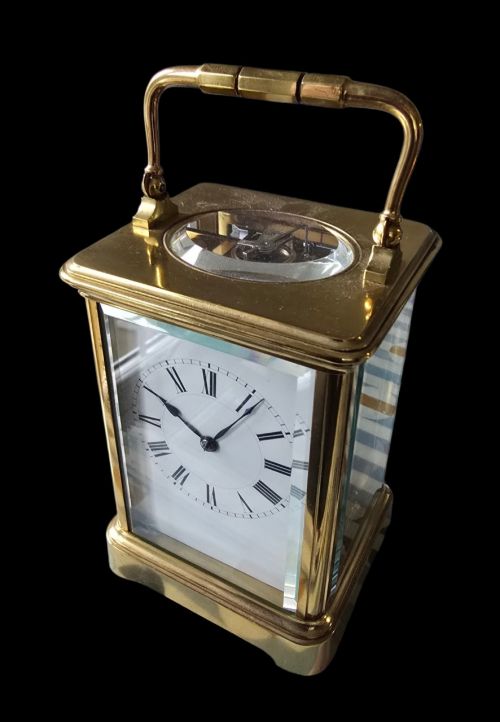
- Carriage clock
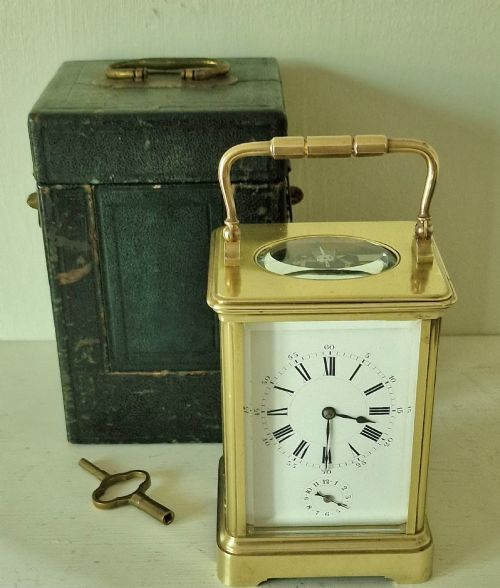
- A small, portable spring-driven clock with a handle, originally designed for travelling during the nineteenth century.
- Half hunter pocket watch
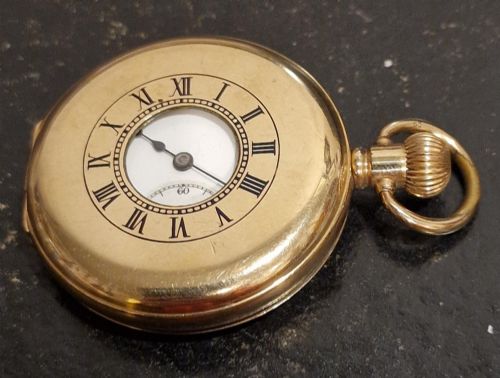
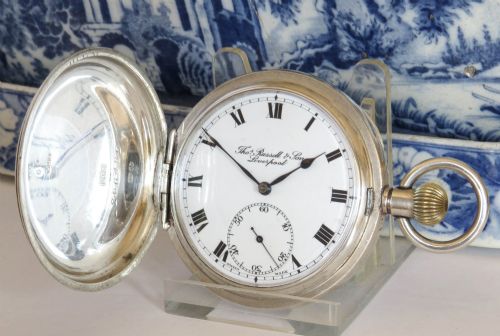
- A pocket watch featuring a case with a glass or open centre panel in the front cover, allowing time to be read without opening the case.
- Bracket clock
- A portable table clock historically placed on a bracket, usually featuring a fine wooden case and striking mechanism.
- Chronograph
- A watch equipped with a separate sweep-second hand that can be started, stopped, and reset for measuring intervals of time.
Antique Horology Timepieces: Frequently Asked Questions
What is a fusee movement?
A fusee movement uses a conical pulley connected to the mainspring via a chain or cord to equalise the declining power of the spring as it unwinds. This mechanism improves timekeeping accuracy across the power reserve.
Such systems appear frequently in older British clocks and pocket watches, distinguishing traditional craftsmanship from later mass-produced calibres.
How do I wind a mechanical pocket watch?
Winding requires turning the crown clockwise until you feel gentle resistance, being careful not to force the mechanism past its stopping point. Regular winding at approximately the same time each day keeps the mainspring under consistent tension.
Most pocket watches require daily winding, while key-wound versions utilise a specialised small key fitted to the dial or back plate.
Where were carriage clocks used?
Carriage clocks were created for travellers during the nineteenth century, allowing people to transport reliable timekeeping inside fitted leather travel cases. Wealthy owners placed them in carriages and hotel rooms.
Over time, these spring-driven pieces transitioned into decorative mantel ornaments for domestic interiors while retaining their distinctive folding handles.
How do I identify a Georgian wall clock?
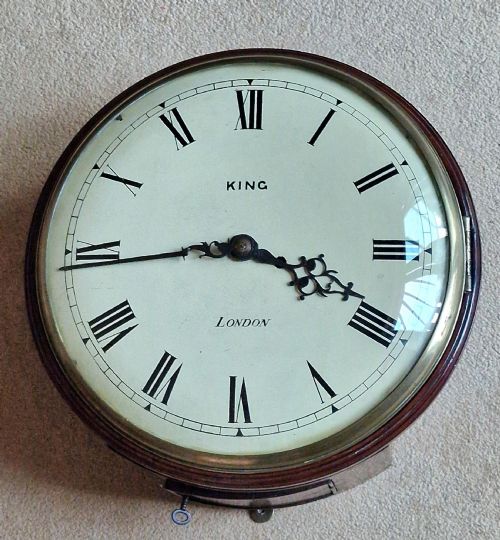
Georgian wall clocks often feature wooden dial surrounds, brass inlay, and fusee movements housed in mahogany or oak cases. Their dials frequently display bold Roman numerals and makers' signatures near the centre.
Examining the construction of the timber case and the hand-cut brass components helps confirm the eighteenth-century or early nineteenth-century origin.