

Antique Horology Pocket Watch
An antique horology pocket watch brings centuries of mechanical mastery to the waistcoat pocket, offering a direct link to the daily rhythms of past generations.
Antique Horology Pocket Watch
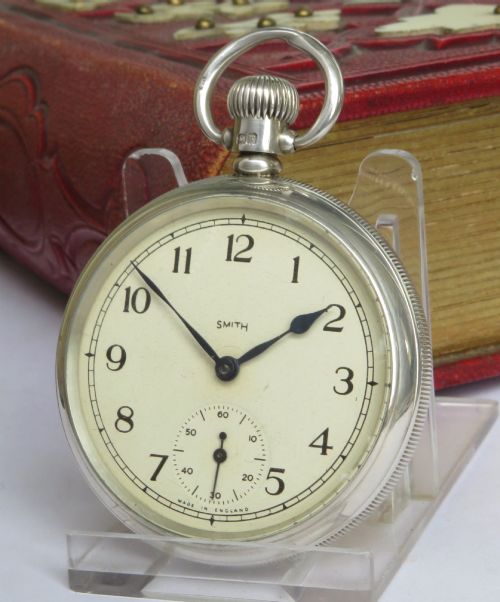
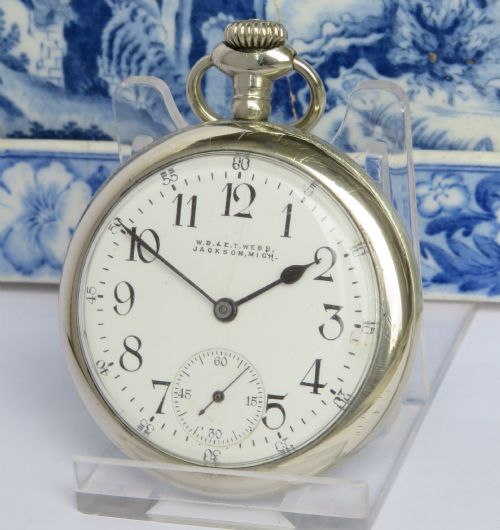
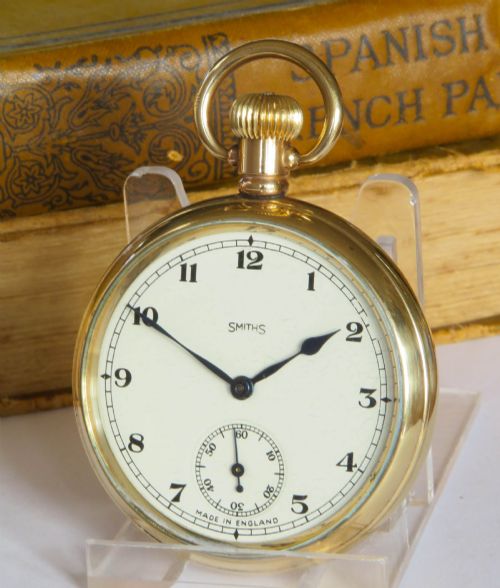
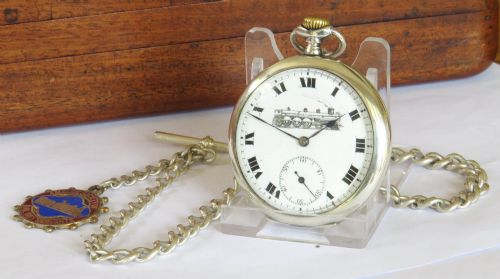
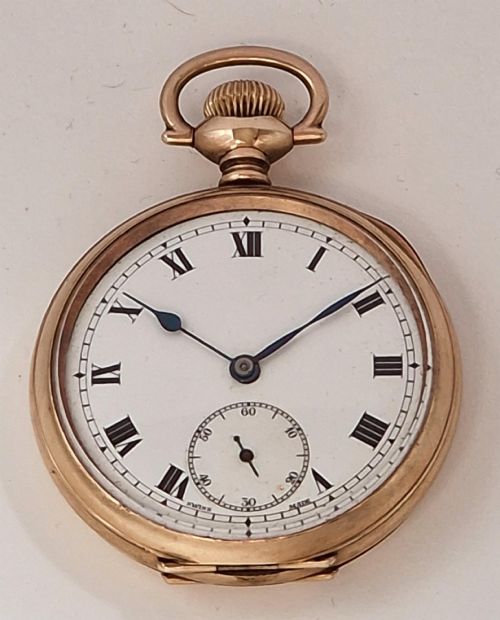
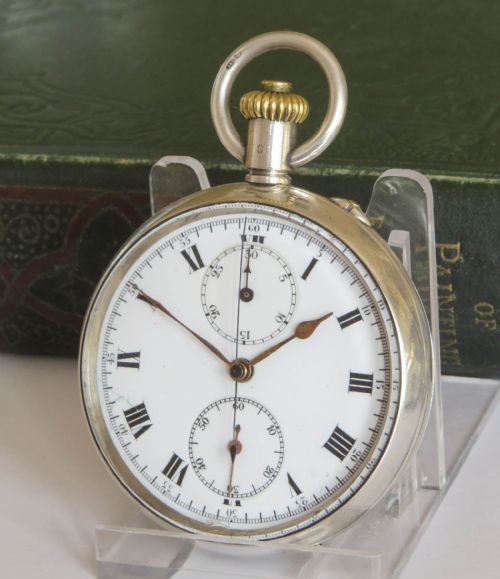
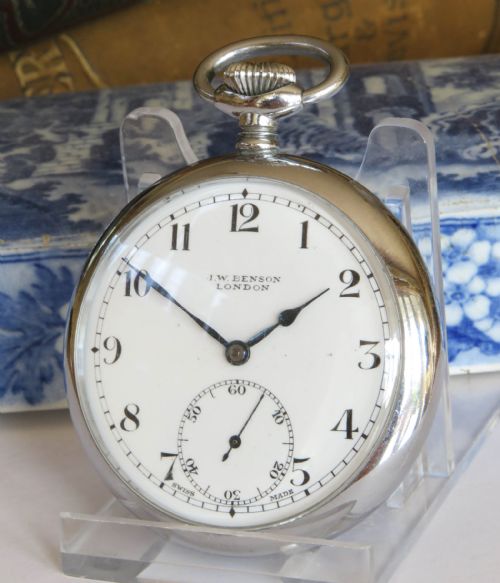
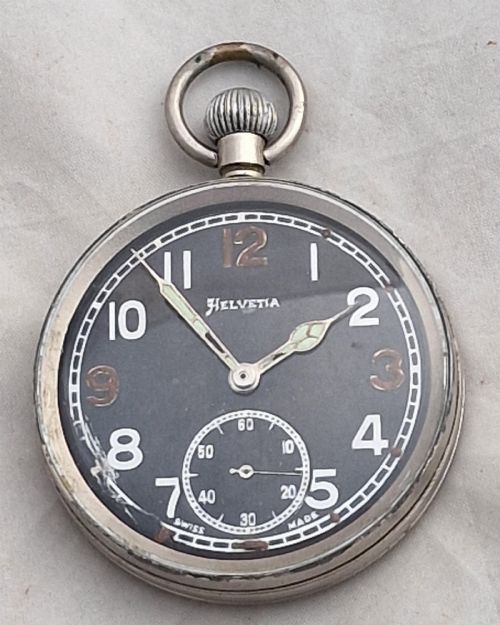
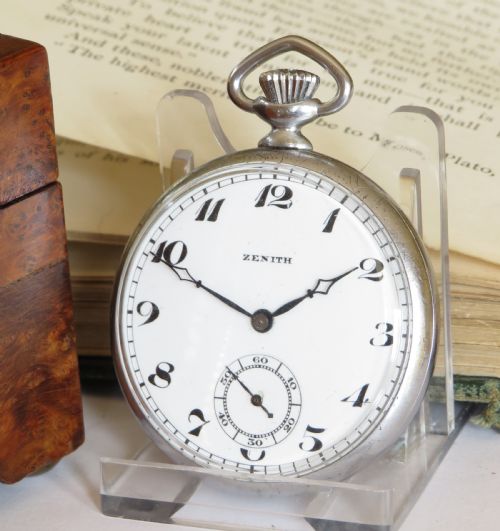
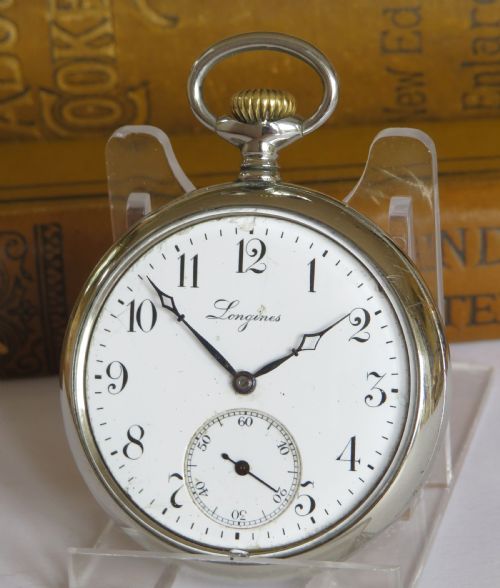
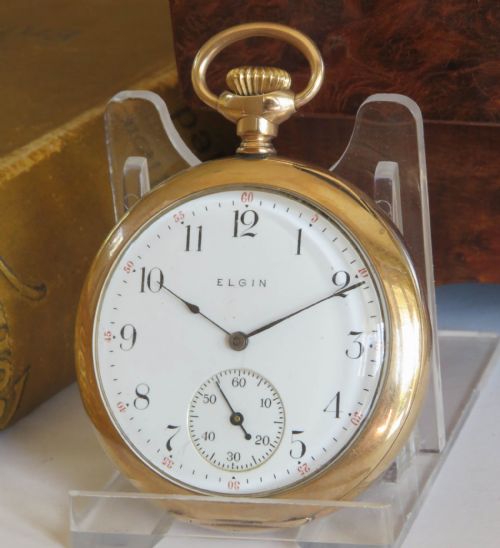
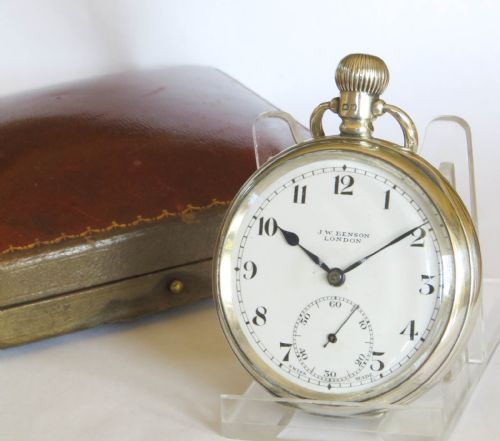
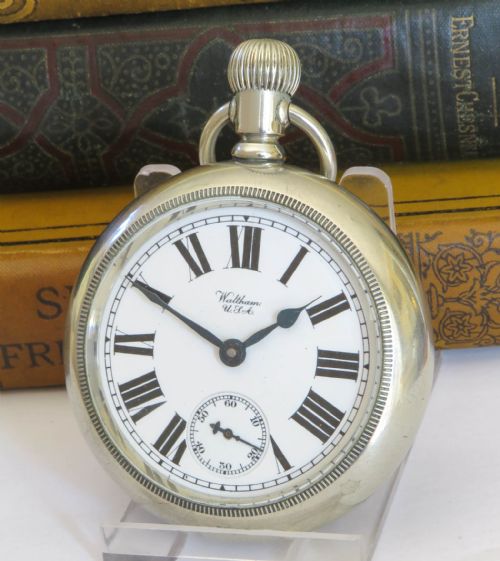
An antique horology pocket watch is a portable timepiece designed to be carried in a pocket and secured with a chain or fob. These items range from humble utility timepieces issued to railway workers and military personnel to elaborate gold specimens produced by renowned horologists.
The pieces available span multiple centuries, touching upon Georgian, Victorian, Edwardian, Art Deco, and mid-century eras. Buyers encounter silver pair cased designs from the eighteenth century alongside robust steel military models from the 1940s and 1950s.
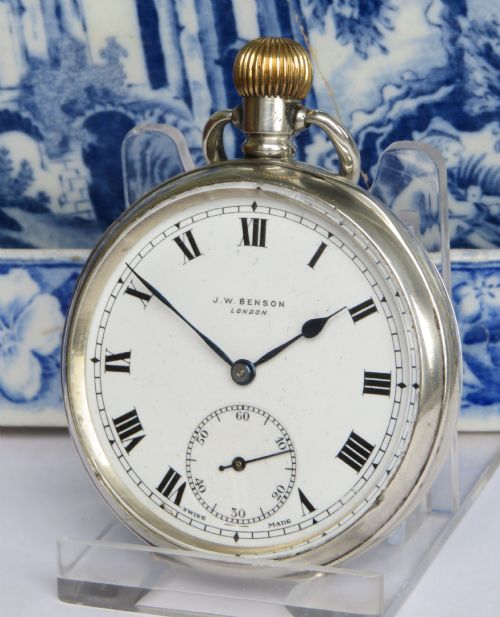
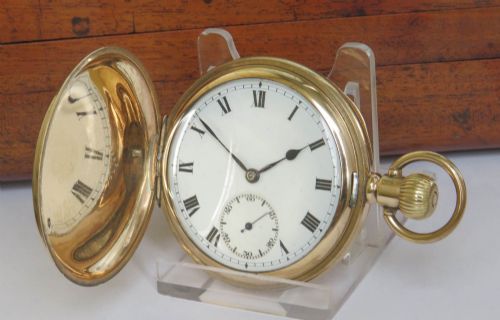
Everyday pocket watches form the largest share of the current selection, featuring standard silver or metal cases paired with enamel dials. Specialised examples, such as fusee movements, half hunters, and railway regulators, appear regularly alongside standard pocket watches.
How they were made
Makers constructed cases from silver, gold, gun metal, brass, and steel, often protecting delicate white enamel dials behind clear glass covers. Sterling silver and various grades of gold dominated civilian production, whilst base metals served utilitarian military and railway functions.
Mechanical movements relied upon intricate brass and steel gear trains, regulated by balance wheels and hairsprings. Earlier eighteenth and nineteenth-century pieces utilised fusee chains to equalise the mainspring's pulling force, whilst twentieth-century mechanisms adopted more direct gear setups.
Antique Horology Pocket Watch Retail Price Guide 2026
Typical asking prices for horology pocket watch among the pieces listed under this phrase on Sellingantiques today, from the lower quarter to the upper quarter. They describe what is for sale here now, not the wider market.
A few ingenious timepieces carry calendar moonface displays, letting owners track lunar phases right alongside the hours of the working day.
What varies in quality
The refinement of the movement distinguishes standard production timepieces from high-grade horological works. Finer examples feature intricate complications, jewelled bearings, and signed dials by respected makers, whereas utility models prioritise rugged dependability.
Case materials and decoration set the hierarchy of finish. Solid gold or heavy silver pair cases housing finely engraved fusee or repeating movements represent the pinnacle of the craft, standing apart from plain gun metal or base metal cases.
J W Benson·Camerer Cuss·R Stewart Glasgow·Lange And Sohne·Charles Le Roy Paris
The Antique Horology Pocket Watch Glossary
- Fusee
- A conical pulley used in older pocket watches to maintain even power delivery as the mainspring unwinds. This mechanism ensures consistent timekeeping throughout the daily wind.
- Verge
- An early type of escapement utilising a crown wheel and pallets to regulate the watch. It represents traditional mechanical engineering found in Georgian examples.
- Half hunter
- A pocket watch case featuring a glass or open centre panel on the front cover. This design allows the user to read the time without opening the outer case.
- Pair cased
- An eighteenth-century housing method utilising two separate nested cases for added protection against dust and damage. The inner case holds the movement while the outer case shields the whole assembly.
- Fob watch
- A smaller timepiece designed to be worn attached to a short strap or ribbon rather than carried deep in a pocket. These are frequently paired with ornamental chains.
- Quarter repeating
- A complex mechanism that sounds the hours and quarters on demand through internal gongs. This feature required supreme skill from the maker.
Antique Horology Pocket Watch: Frequently Asked Questions
What is a fusee movement?
A fusee movement incorporates a conical pulley that moderates the pull of the mainspring. As the spring loses tension throughout the day, the chain rides up the cone's wider radius to maintain constant torque.
This ingenious historical solution predates modern mainspring barrels and ensures superior chronological accuracy across the winding cycle.
Can I wear a pocket watch daily?
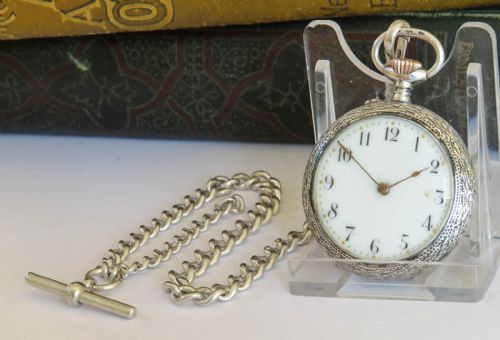
Carrying a pocket watch daily remains entirely practical provided the piece receives appropriate care. Securing the watch with an albert chain through a waistcoat or trouser buttonhole prevents accidental drops.
Mechanical movements from past centuries require regular professional servicing to keep the oil fresh and the delicate gears running smoothly.
How do I tell the age of a watch?
Hallmarks stamped inside the precious metal cases offer the most reliable date indicators for British silver and gold pieces. Assay office symbols and date letters reveal the exact year the metal was tested and marked.
Unmarked movements often rely on style, maker signatures, and serial numbers recorded in historical manufacturing ledgers to establish their production period.