
Antique Horology Dial
An antique horology dial brings mechanical precision and period character into a room, spanning wall clocks, longcase clocks and pocket watches.
Antique Horology Dial
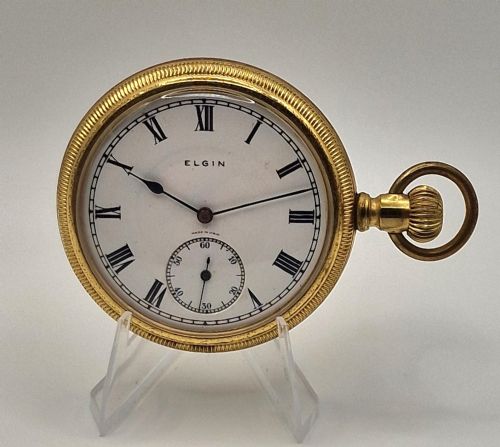
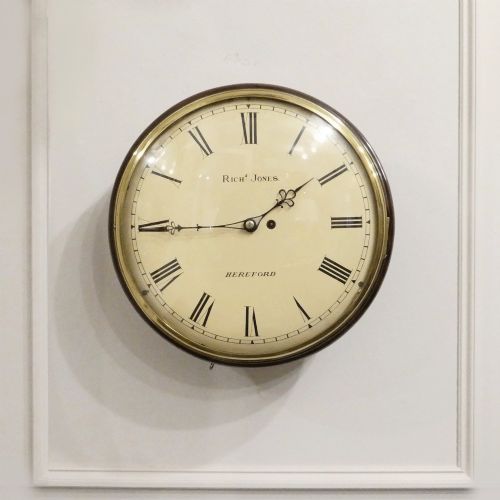
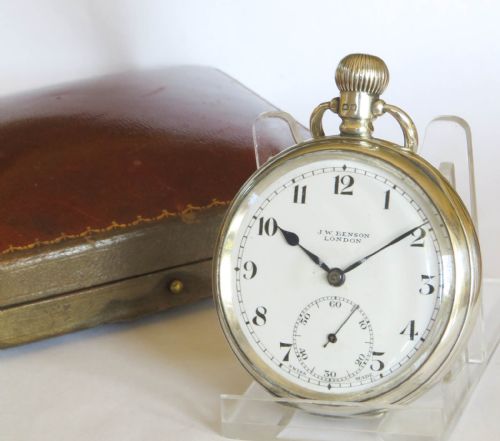
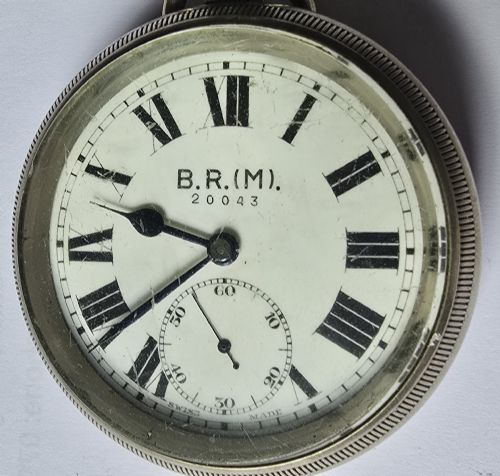
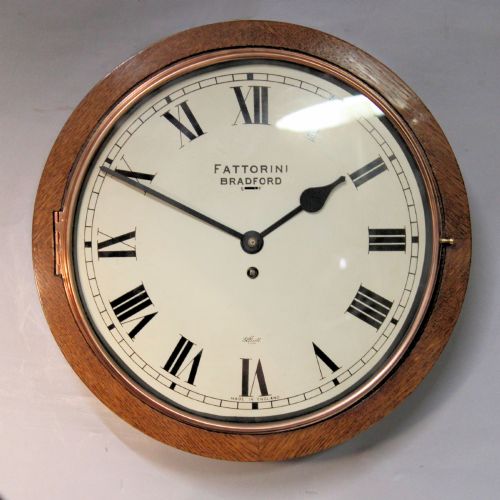
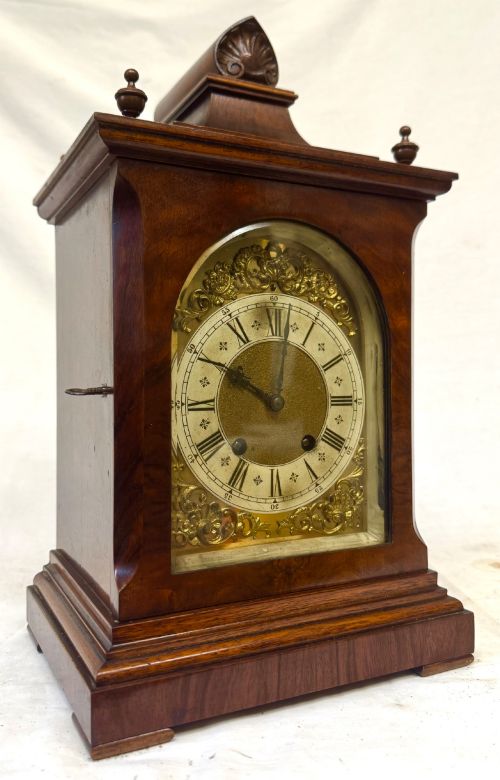
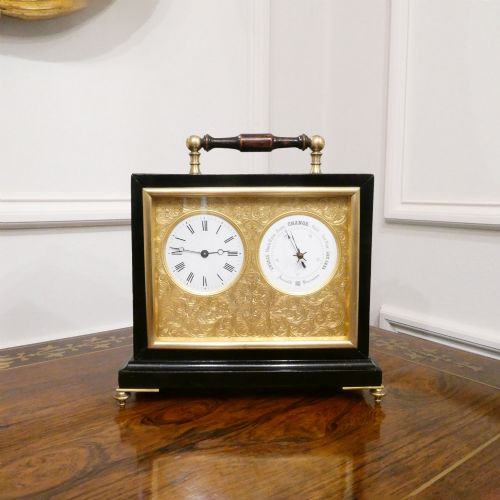
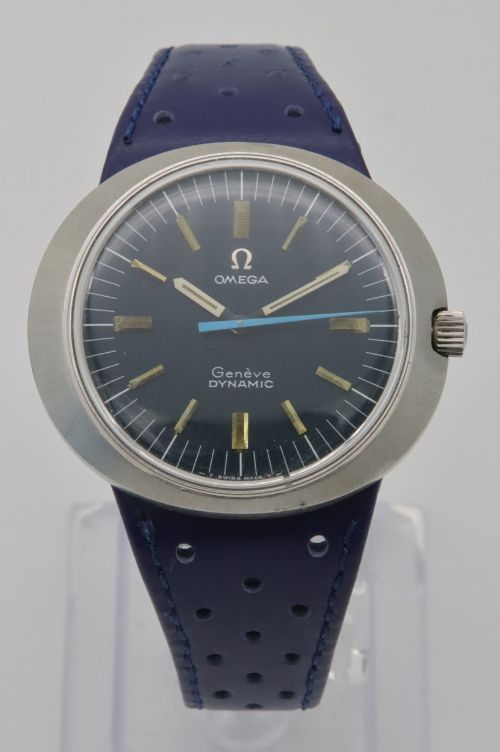
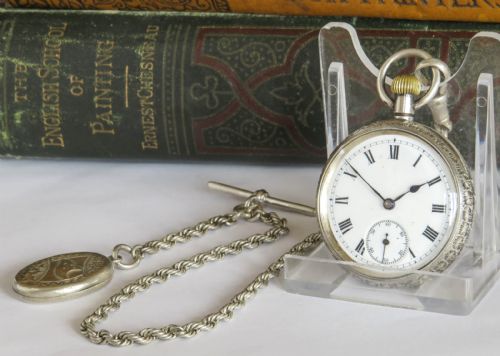
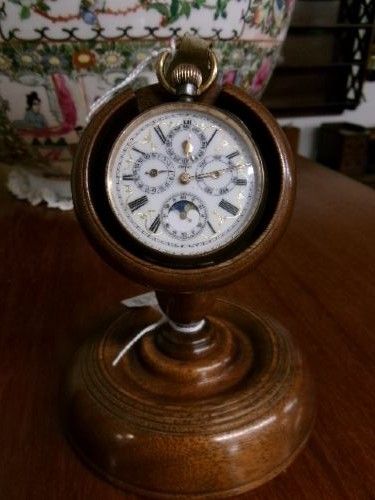
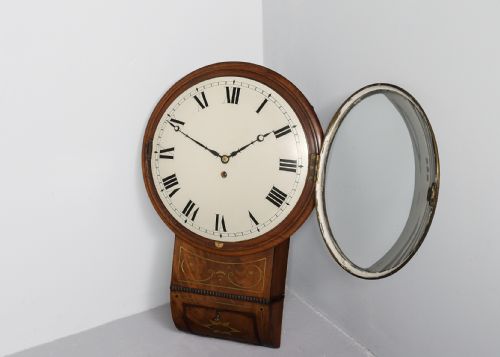
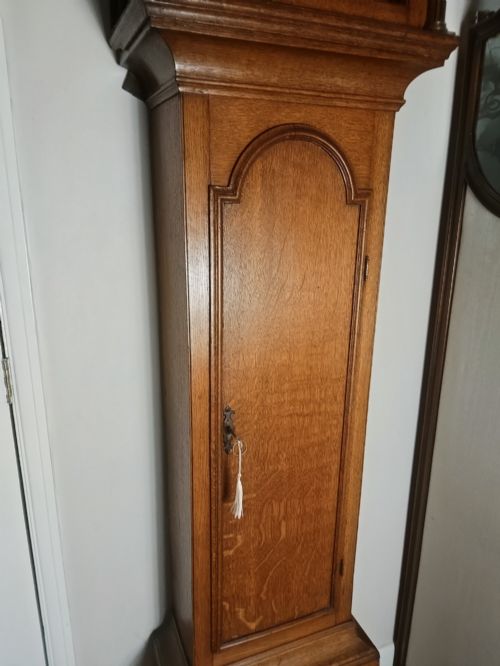
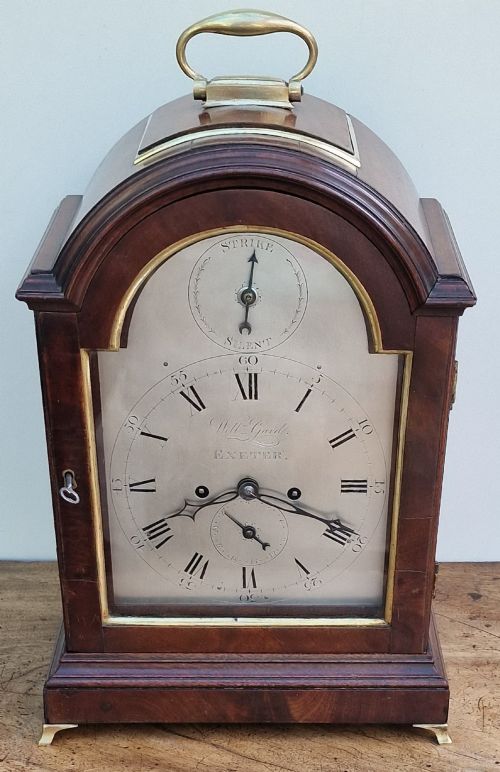
An antique horology dial encompasses the visible face and timekeeping mechanism of pocket watches, wristwatches, wall clocks, mantel clocks and longcase clocks. When searching for an antique horology dial, buyers encounter a range of formats from brass-faced bracket clocks to large mahogany wall dial clocks.
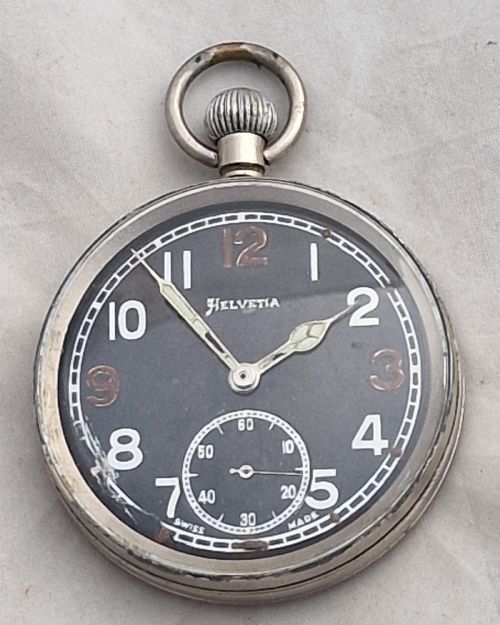
The selection reflects varied domestic and institutional needs across centuries, including military pocket watches, railway timepieces and domestic longcase clocks. These pieces originate from periods spanning the Georgian era, Victorian times, Edwardian years and the mid-century.
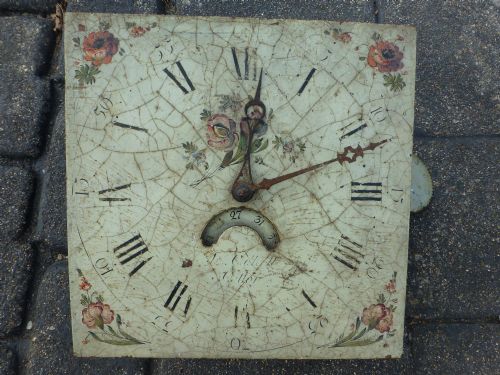
Dial faces take many forms, including silvered brass, white enamel and painted wood, housed within cases of mahogany, oak, walnut and gunmetal. Buyers find examples ranging from small pocket watches to large fusee wall clocks designed for public spaces and grand hallways.
Materials and Construction
Horology makers constructed cases from durable timbers such as mahogany, oak and walnut, often embellishing them with brass inlay or leather travel cases. Movements relied on brass, steel and glass components assembled to drive intricate escapements and striking trains.
Dials utilised materials like enamel, brass and silver, inscribed with painted numerals and subsidiary seconds tracks. Glass protected the delicate hands and faces of pocket watches and carriage clocks alike.
Materials span brass, silver, enamel, mahogany, oak, walnut, glass and steel across pieces from the eighteenth century to the mid-twentieth century.
Judging Quality and Execution
Quality in an antique horology dial rests on the crispness of the engraving, the clarity of the enamel and the finesse of the metalwork. Finer dials display precise graduation marks and well-defined lettering executed by skilled hands.
The sophistication of the movement inside matches the exterior finish, with fusee movements and repeater mechanisms marking out superior examples. Timber cases show quality through choice wood grains and careful brass inlay rather than simple construction.
J W Benson·Lenzkirch·Henri Jacot·Mappin & Webb·Lange & Sohne
The Antique Horology Dial Glossary
- Fusee
- A conical pulley used on clock and watch movements to maintain even force on the gear train as the mainspring unwinds. This mechanism ensures more accurate timekeeping throughout the power reserve.
- Escapement
- The mechanical linkage that controls the rotation of the gear train by releasing the wheel teeth at regular intervals. It gives clocks and watches their characteristic ticking sound.
- Carriage Clock
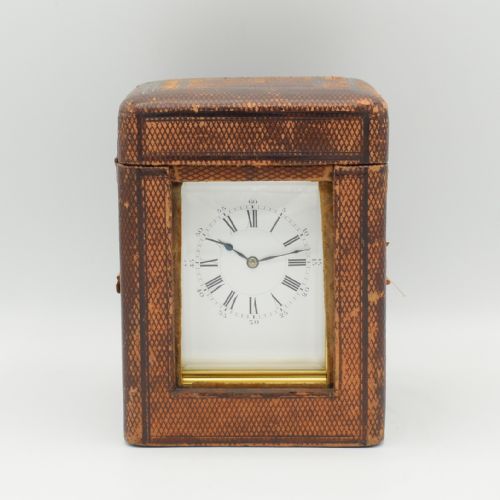
- A small, portable spring-driven clock designed for travel during the nineteenth century. These clocks typically feature brass frames with bevelled glass panels.
- Bracket Clock
- A shelf clock originally designed to sit on a architectural bracket or table. Examples often incorporate striking mechanisms or musical chimes.
- Full Hunter
- A pocket watch fitted with a spring-loaded metal cover that protects the glass dial face from scratches. The cover springs open via a button on the winding crown.
Antique Horology Dial: Frequently Asked Questions
How do I wind an antique clock?
Most antique clocks require a dedicated key inserted into the winding holes on the dial face to tension the internal springs or lift the driving weights.
Turn the key gently in the correct direction until resistance is felt, taking care not to overwind the mechanism.
What is a fusee wall clock?
A fusee wall clock is a timepiece designed to hang on a wall, utilising a fusee cone to regulate the power delivered from the mainspring.
These clocks were widely utilised in offices, railway stations and large domestic rooms for reliable timekeeping.
How are carriage clocks cleaned?
Carriage clocks require professional horological servicing to clean the delicate brass gear trains and escapements without damaging the finish.
External glass and brass surfaces can be gently wiped with a soft, dry cloth to remove dust.
Can I wear an antique pocket watch daily?
Antique pocket watches can be carried and used daily provided they receive regular mechanical servicing and careful handling.
Owners should wind them gently at consistent times and protect them from moisture and sharp impacts.