


Antique Hindu Sculpture
These antique hindu sculpture pieces are devotional and mythic works shaped in bronze, stone, and wood that bring centuries of ritual art into your home.
Antique Hindu Sculpture
When you search for antique hindu sculpture, you encounter figures of deities, mythical beasts, and architectural reliefs spanning many centuries and regions. The selection ranges from pre-sixteenth century Javanese and Northern Indian pieces to nineteenth century Indian and Balinese carvings.
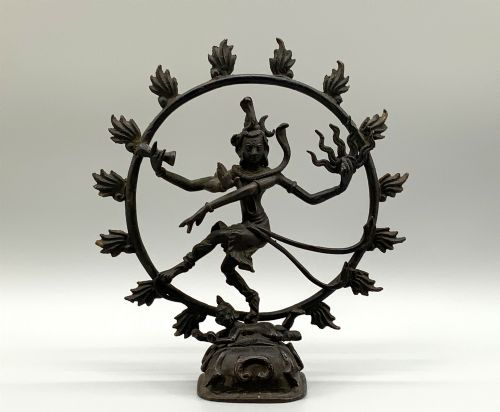
You are most likely to meet nineteenth century bronze and hardwood figures on this page, representing deities such as Shiva, Vishnu, and Parvati. These pieces vary widely from small domestic statues to large decorative carvings and temple fragments.
Materials and methods
Metal sculptures utilise traditional casting techniques, predominantly bronze, brass, and copper alloy, sometimes enhanced with gold leaf or gilt bronze. These metals capture fine details of drapery, ornaments, and iconography.
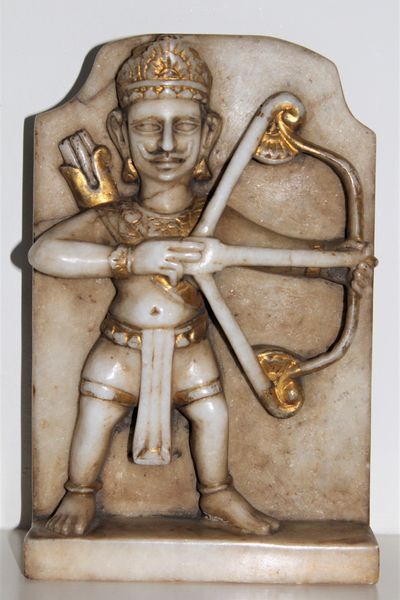
Carved pieces are worked in various woods including stained and hardwoods, alongside sandstone, marble, and alabaster. Artisans shape these dense materials into detailed relief carvings and freestanding statues.
Antique Hindu Sculpture Retail Price Guide 2026
Typical asking prices for hindu sculpture among the pieces listed under this phrase on Sellingantiques today, from the lower quarter to the upper quarter. They describe what is for sale here now, not the wider market.
A four-kilogram bronze Ganesh sits comfortably alongside a wooden Nandi bull and celestial dragons.
Quality differences
Surface finish and material selection also define the grade of a piece, from simple stained hardwood to gold gilded bronze and finely polished stone. The depth of detail in secondary elements like attendants and mountings elevates the status of the sculpture.
The Antique Hindu Sculpture Glossary
- Bronze
- An alloy of copper and tin widely used for casting portable and temple deities. It develops a rich patina over centuries of handling and ritual use.
- Relief carving
- A sculptural technique where figures project from a flat background. Architectural carvings often use this method to depict narrative scenes.
- Iconography
- The traditional imagery and symbolic elements associated with a subject. Specific gestures, attributes, and mounts identify each deity.
- Patina
- The surface sheen and colour acquired by metal, wood, or stone through age and handling. It indicates the natural ageing process of the material.
- Gilt bronze
- Bronze coated with a thin layer of gold or gold leaf. This technique highlights sacred figures and adds luminosity to the metal.
Antique Hindu Sculpture: Frequently Asked Questions
What materials are used?
These sculptures are fashioned from a variety of metals including bronze, copper alloy, brass, and gilt bronze, often enriched with gold leaf.
Other pieces are carved from dense materials such as hardwood, sandstone, marble, alabaster, and turquoise.
How old are these pieces?
The collection spans multiple eras, including pre-sixteenth century temple reliefs and seventeenth century wooden figures.
Nineteenth century bronzes and wood carvings appear frequently, alongside examples dated around eighteen hundred and nineteen hundred.
Where do these sculptures originate?
Origin points include various regions of India, such as Rajasthan and the South, representing different regional traditions.
Other pieces come from Java, Bali, and Sino-Tibetan areas, reflecting diverse cultural interpretations of Hindu and related mythologies.
Which deities are depicted?
Common subjects include forms of Shiva such as Nataraja and Mahadeva, alongside Vishnu, Ganesha, and the goddess Parvati.
Other representations feature figures like Rama and Sita, Arjuna, Garuda, and Nandi the bull.