

Antique Hearth Spark Guard
An antique hearth spark guard protects the room from stray embers while bringing fine metalwork and period character to the fireplace.
Antique Hearth Spark Guard
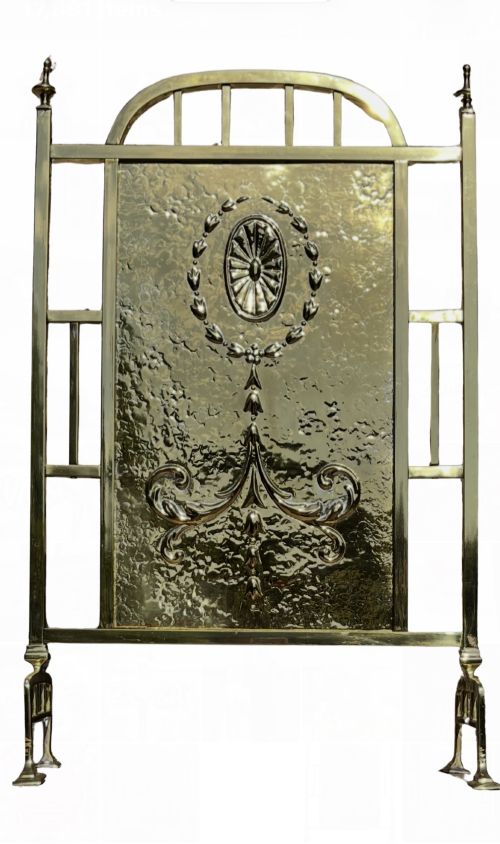
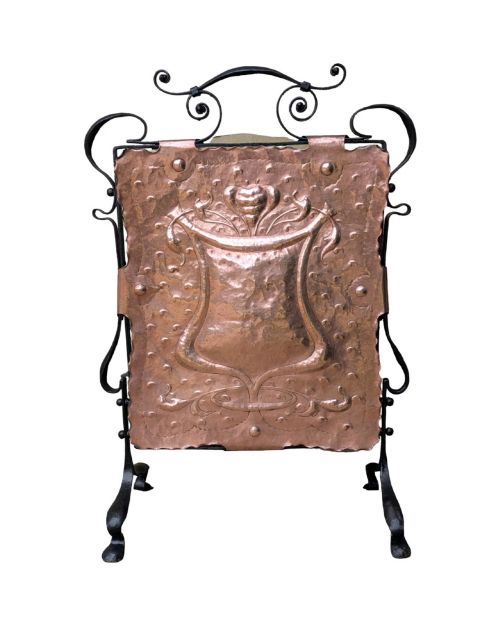
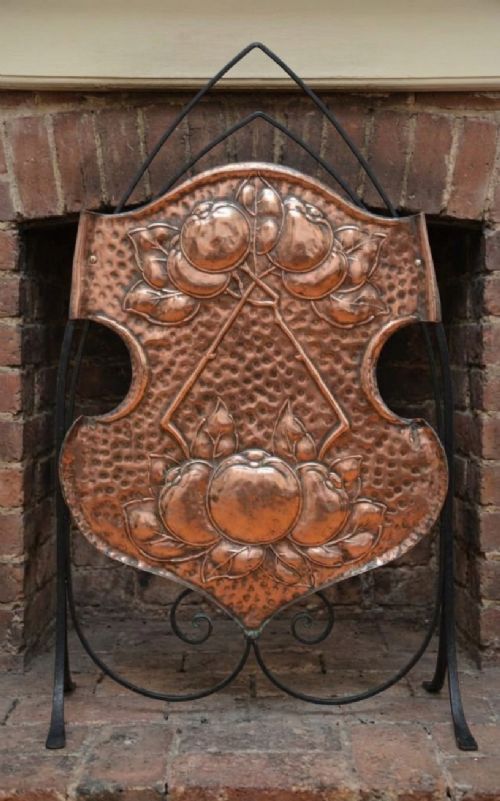
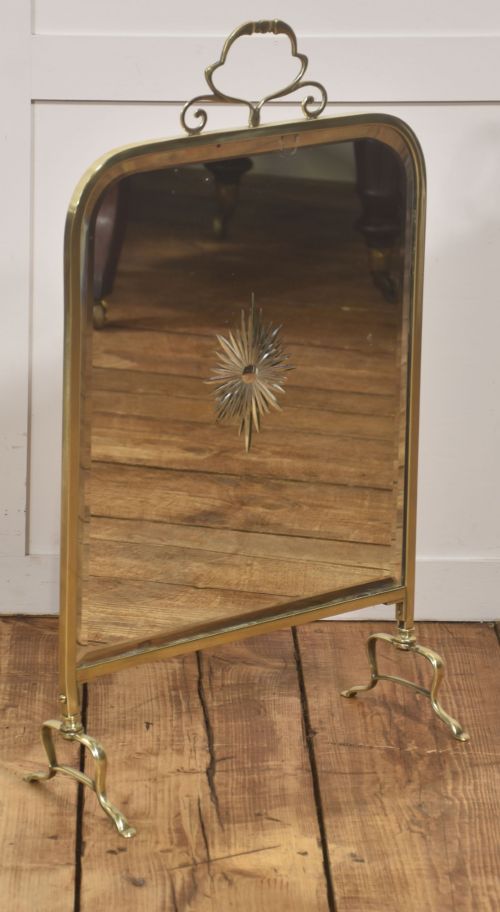
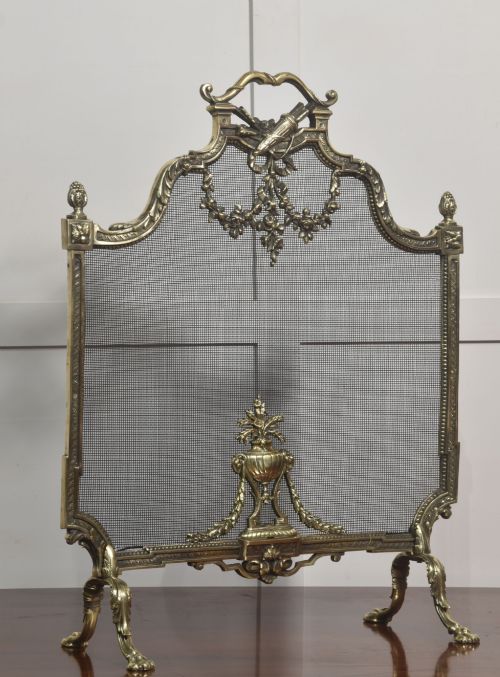
When you search for an antique hearth spark guard, you encounter a variety of protective screens and guards designed to sit before an open fire. These pieces span periods from the nineteenth century into the early twentieth century, taking forms such as folding fans, solid panels, and mesh guards.
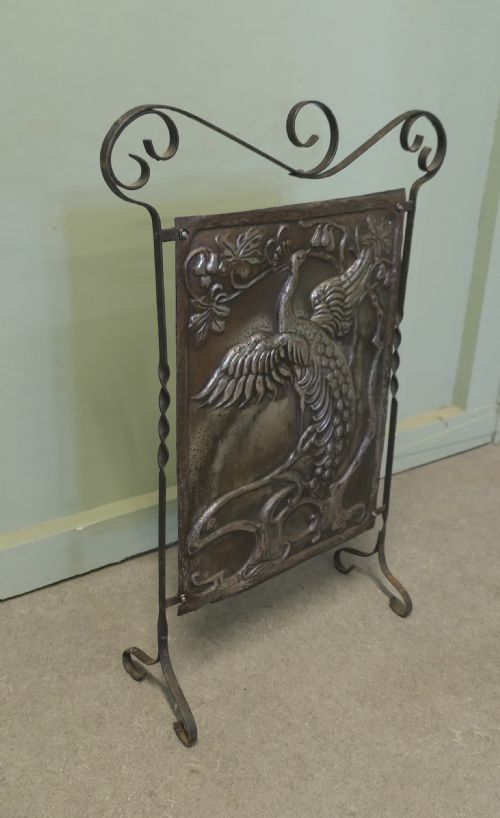
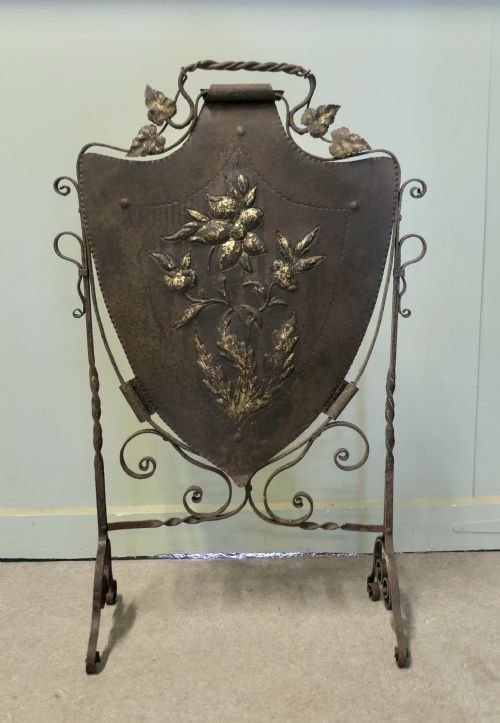
The selection includes French revival styles, Arts and Crafts ironwork, and elaborate Victorian brass designs. Many examples function simultaneously as fire screens, nursery fenders, and decorative fireplace accessories.
Originating largely from British, French, and Dutch workshops, these guards combine practical hearth safety with period craftsmanship in brass, iron, and copper.
Materials and construction methods
Makers utilised durable metals including brass, wrought iron, copper, and gilt bronze, often combining them with wire mesh to contain sparks safely. Structural framing frequently incorporated solid brass or polished iron to support folding sections and decorative panels.
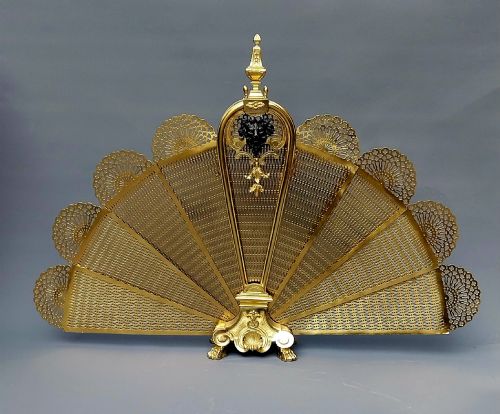
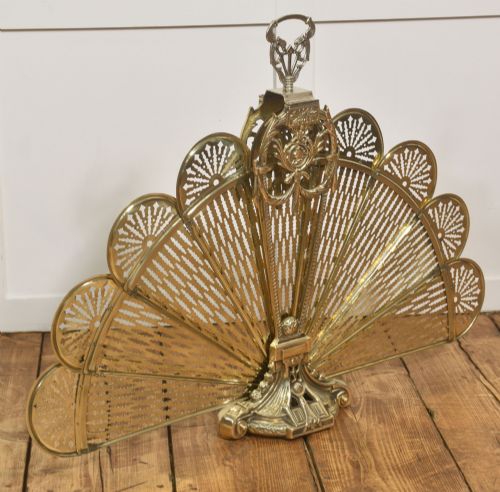
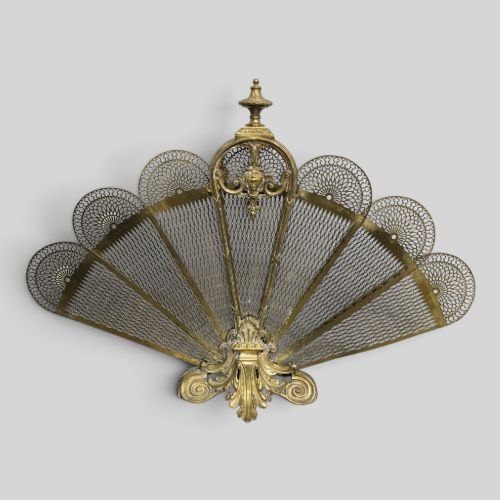
Surface ornamentation involved techniques such as embossing, chasing, piercing, and painting. Pieces like the peacock fan screens relied on articulated folding brass blades that opened outward from a central mount.
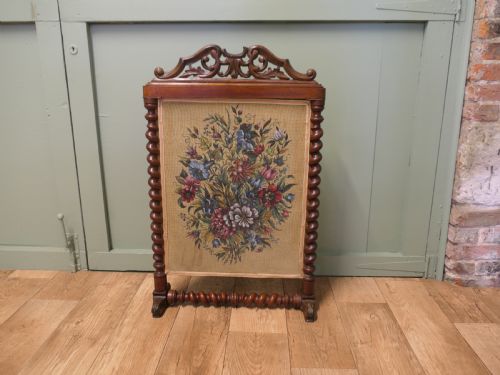
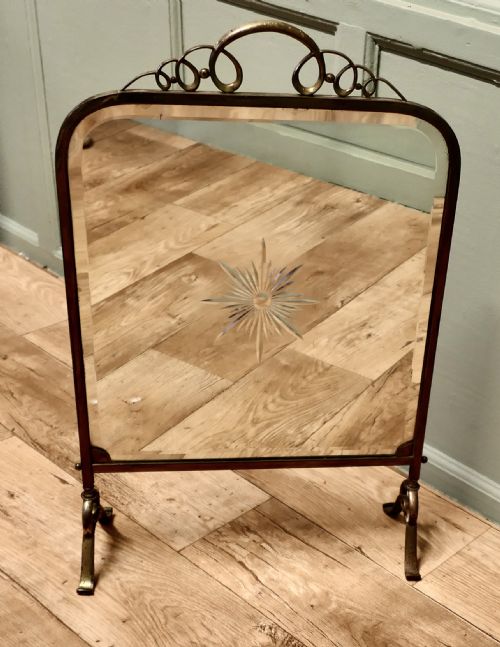
Wood elements such as oak and walnut occasionally formed the frames or backing, whilst specialised examples integrated cut glass, needlepoint embroidery, or black lacquer finishes.
Antique Hearth Spark Guard Retail Price Guide 2026
Typical asking prices for hearth spark guard among the pieces listed under this phrase on Sellingantiques today, from the lower quarter to the upper quarter. They describe what is for sale here now, not the wider market.
Flamingos occasionally make an unexpected appearance guarding the hearth on hand-painted oriental lacquer screens.
Distinctions in quality and execution
Quality rests upon the weight of the metal and the crispness of the chased or pierced detailing. Heavier cast brass frames and finely articulated folding mechanisms indicate superior original manufacture.
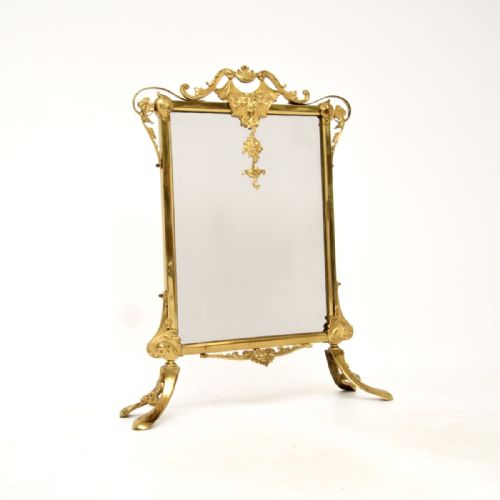
The complexity of the decorative design separates standard production from exceptional pieces. Hand-embossed coats of arms, sculptural gilt bronze trophies, and intricate Arts and Crafts ironwork reflect a higher standard of artistry.
Integration of specialised materials, such as bevelled cut glass, hand-painted flamingo motifs, or detailed needlepoint panels, elevates the decorative presence of the guard within the room.
The Antique Hearth Spark Guard Glossary
- Spark guard
- A protective screen or mesh barrier placed before an open fireplace to catch flying embers. These items range from simple wirework frames to elaborate folding metal panels.
- Peacock fan screen
- A fireplace screen featuring folding metal blades that spread outward like a peacock tail. They typically utilise brass and collapse neatly when the fire is unlit.
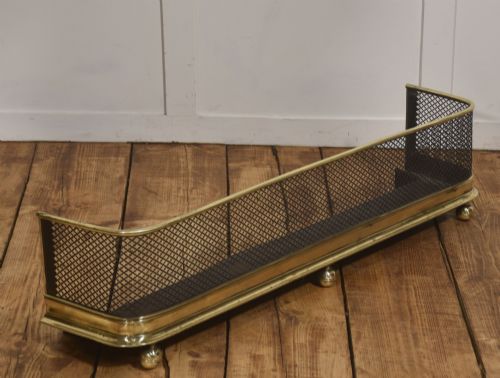
- Nursery fender
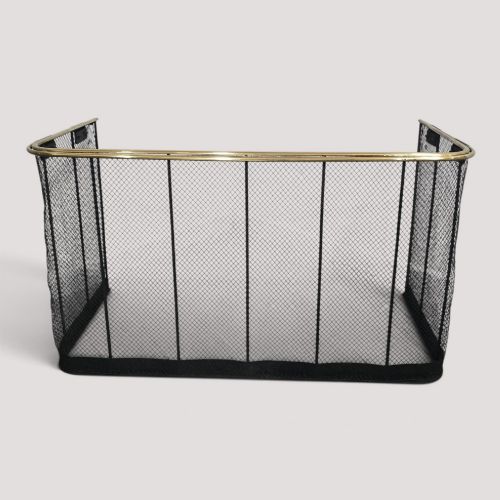
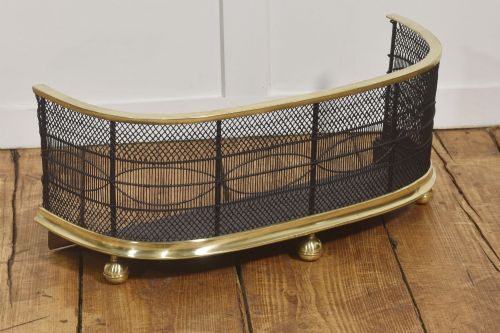
- A low metal barrier enclosing the hearth to prevent children or pets from getting too close to the fire. Some examples include an integrated clothes rail for warming garments.
- Repoussé
- A metalworking technique where the design is hammered into relief from the reverse side. This method appears frequently on embossed brass fire screens.
Antique Hearth Spark Guard: Frequently Asked Questions
How do I choose the right size spark guard?
Measure the width and height of your fireplace opening to ensure the guard covers the entire hearth area adequately.
Consider whether you prefer a fixed panel or a folding design that adjusts to fit narrower or wider hearths.
Can these spark guards be used with a working fire?
Many historical guards were built for active hearth use, featuring sturdy wire mesh and robust iron or brass frames.
Check the construction of the specific piece to confirm the mesh and joints can withstand daily heat exposure.
How do I clean an antique brass fire screen?
Dust the metal gently with a soft cloth to remove surface particles without disturbing the aged patina.
Avoid harsh chemical polishes that strip away historical character, opting instead for gentle cleaning methods suitable for antique metals.
What is the difference between a fire screen and a spark guard?
Fire screens historically served to block radiant heat from the fire when sitting nearby, as well as to decorate the unlit hearth in warmer months.
Spark guards focus specifically on safety by containing embers, though many Victorian and Edwardian designs successfully combined both functions.