
Antique Hearth Bin
An antique hearth bin serves fuel beside the grate while bringing heavy metal and timber to the fireplace.
Antique Hearth Bin
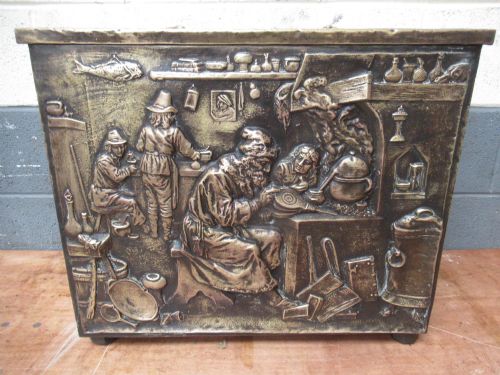
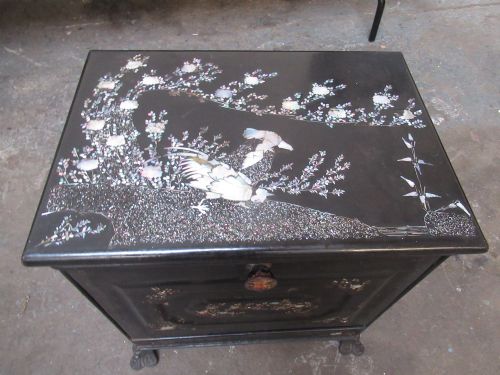
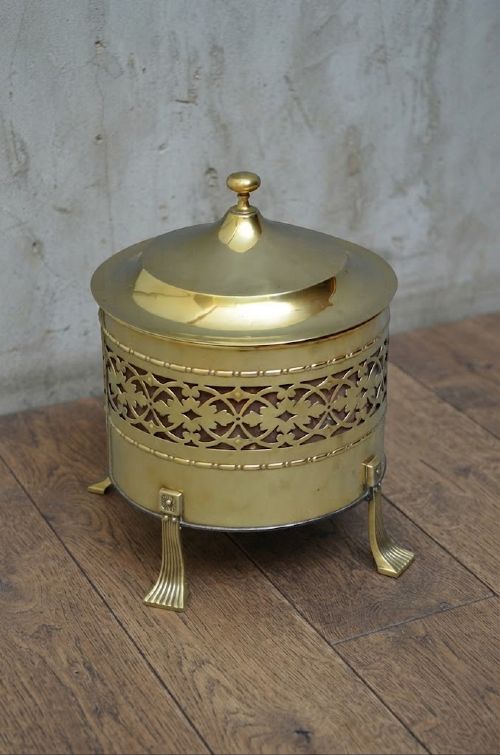
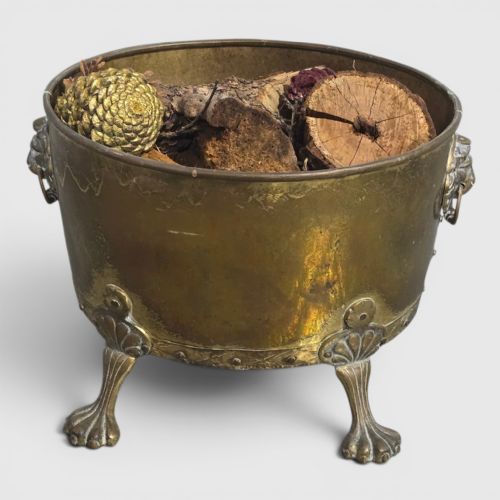
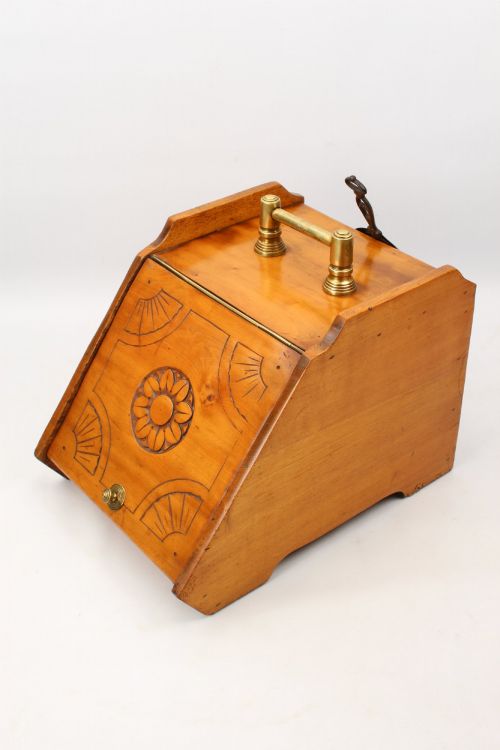
An antique hearth bin is a functional fireside accessory designed to hold coal, logs, or peat beside an open fire. These vessels appear in forms such as copper pots, log boxes, coal scuttles, and wooden purdoniums.
The pieces on this page span the eighteenth, nineteenth, and early twentieth centuries, covering Georgian, Victorian, and Edwardian periods. Arts and Crafts and Art Nouveau styles also feature prominently among the metalwork.
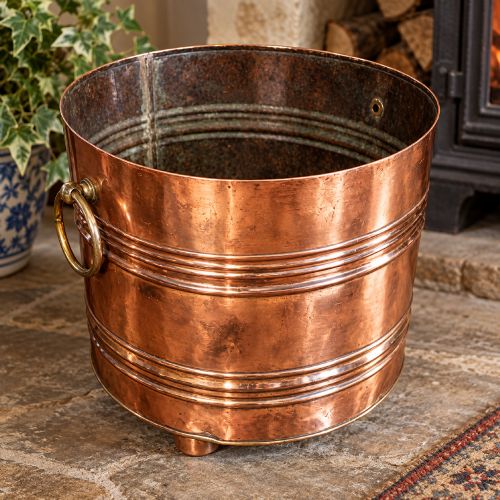
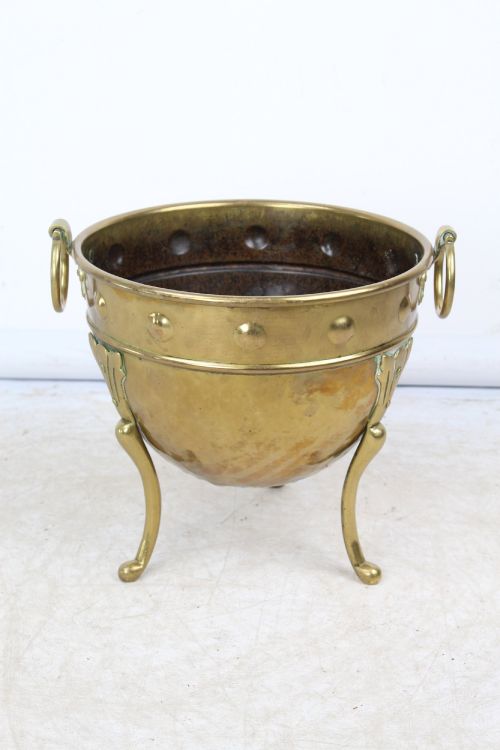
Buyers will encounter copper and brass buckets alongside oak and mahogany boxes. Many items bridge utilitarian duties and decorative roles, occasionally doubling as planters.
How they were made
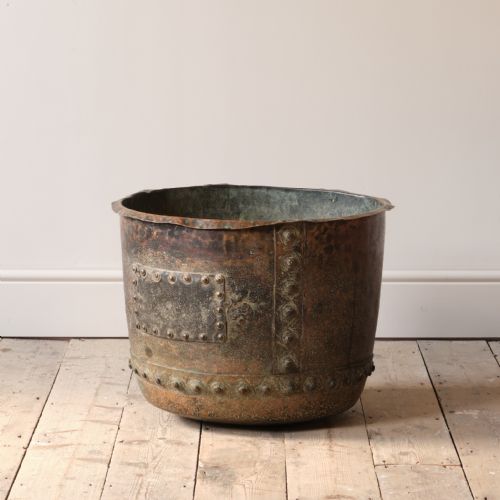
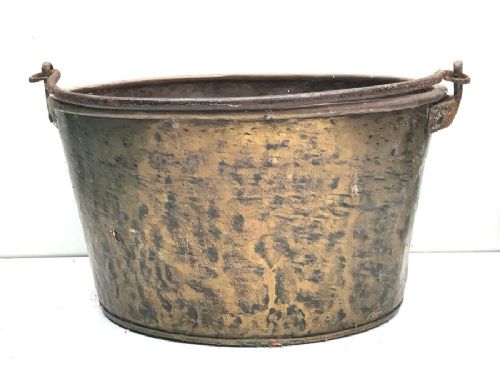
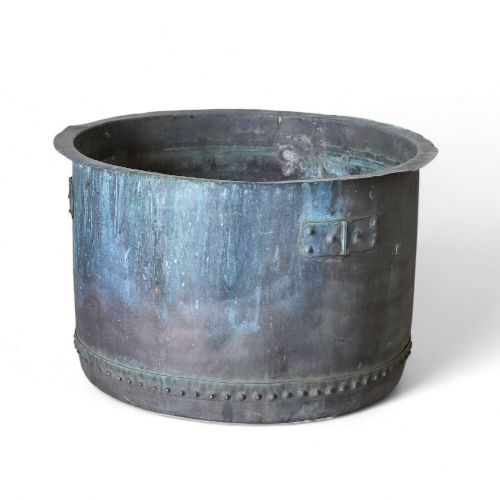
Metal vessels rely heavily on hand-riveted sheet copper and brass, often paired with iron handles, bands, or swing bails. Rivets and joints show the hand of the maker in securing heavy plates together.
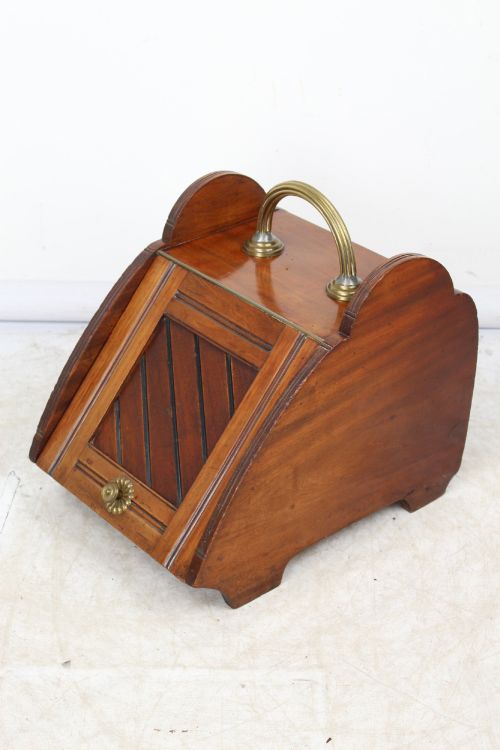
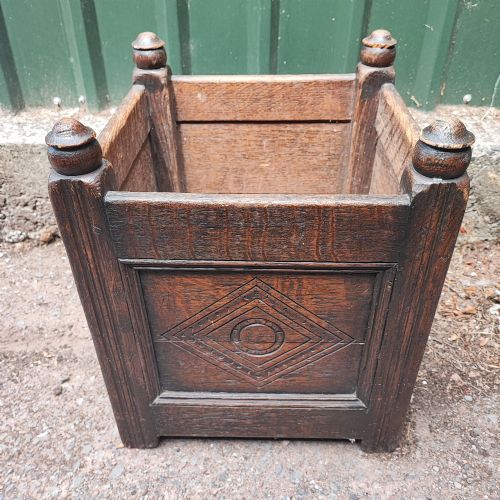
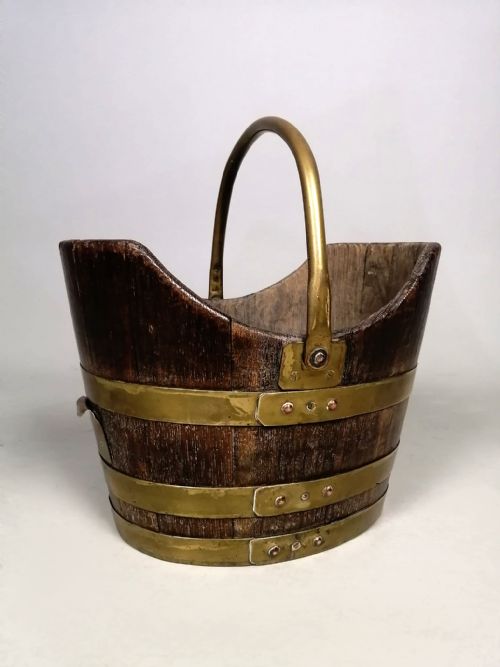
Wooden bins utilise timber such as oak, mahogany, walnut, and pine, frequently formed using coopered stave construction with metal hoops or detailed cabinet work. Carving, fretwork, and leather coverings add surface texture to selected boxes.
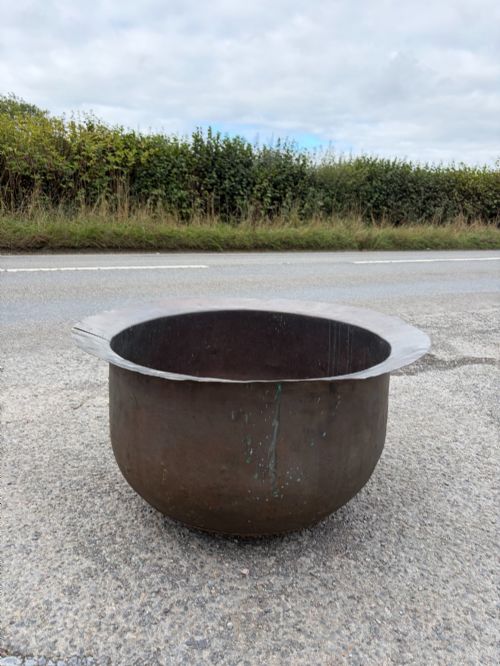
Several heavy copper grain measures found new life beside the hearth as stout log bins.
What varies in quality
Quality rests in the weight of the metal and the substance of the timber. Thick, hand-hammered or riveted copper holds its shape better than thin sheet metal, while solid oak and mahogany provide structural longevity.
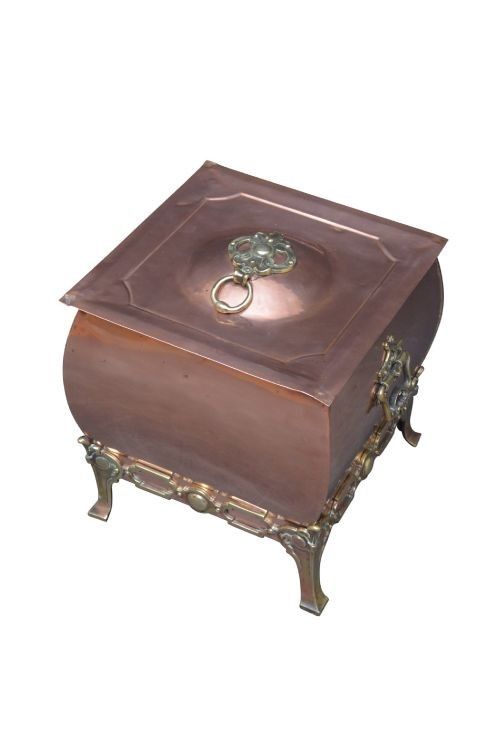
Design execution separates standard utility items from finer examples. Details such as decorative brass banding, riveted seams, hand-carved panels, and original iron frames elevate an ordinary fuel container into a distinguished piece of fireside furniture.
Henry Loveridge·Petrus Ramus
The Antique Hearth Bin Glossary
- Purdonium
- A specialised coal cabinet featuring a hinged sloping front and an internal metal liner designed to hold fuel neatly. These wooden boxes often include matching shovels stored in internal racks.
- Coal Scuttle
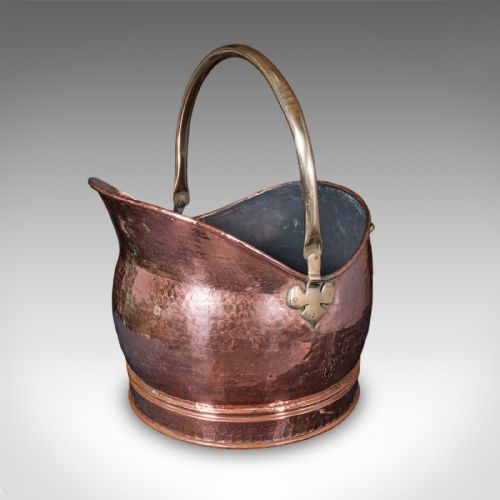
- A bucket or pail with a shaped lip and handle intended for carrying coal to the grate. Styles range from simple brass pots to helmet-shaped copper vessels.
- Coopered
- Built from curved wooden staves bound together by metal hoops, much like a traditional cask or barrel. This method was commonly used for wooden log and peat buckets.
- Planter
- A secondary function assigned to many metal bins when repurposed for horticulture. Such pieces feature waterproof metal interiors suitable for holding soil and plants.
Antique Hearth Bin: Frequently Asked Questions
What is a hearth bin used for?
These vessels store fuel like coal, logs, or peat close to the fireplace for convenient burning.
They also serve to keep hearth debris contained while adding metal or wooden texture to the room.
How do I clean copper bins?
Maintenance depends on whether you prefer a bright polished shine or a dark natural patina.
Gentle wiping with a soft cloth preserves the historic surface built up over decades of use.
Are wooden coal boxes lined?
Period wooden purdoniums and boxes typically feature internal metal liners to contain coal dust and moisture.
This metal insert protects the surrounding timber from direct contact with fuel.
How do I date an antique bin?
Construction methods and materials offer the clearest clues to age and period.
Hand-riveted copper plates point toward nineteenth-century workshop practices, while coopered wooden staves reflect traditional rural craftsmanship.