




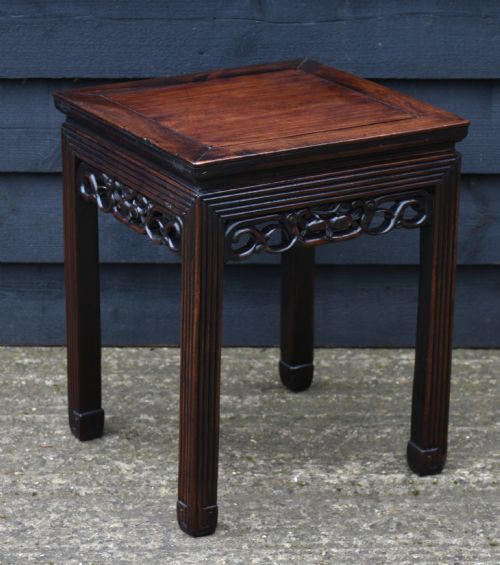
Antique Hardwood Furniture
These pieces of antique hardwood furniture bring dense grains, deep colour and regional carving traditions into a room.
Antique Hardwood Furniture
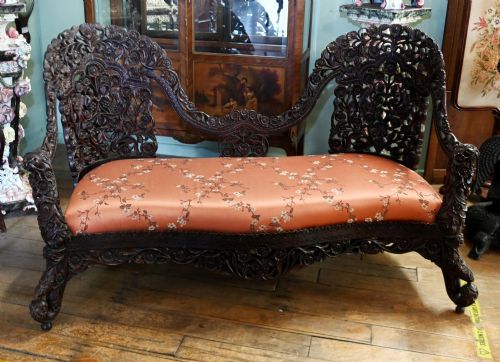
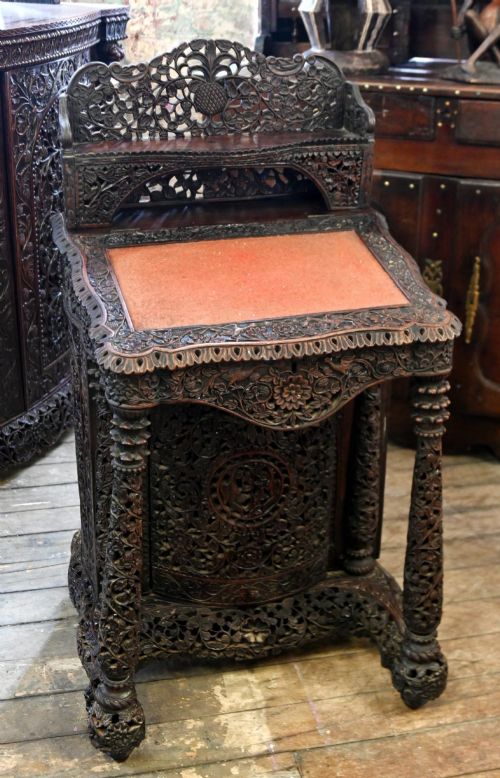
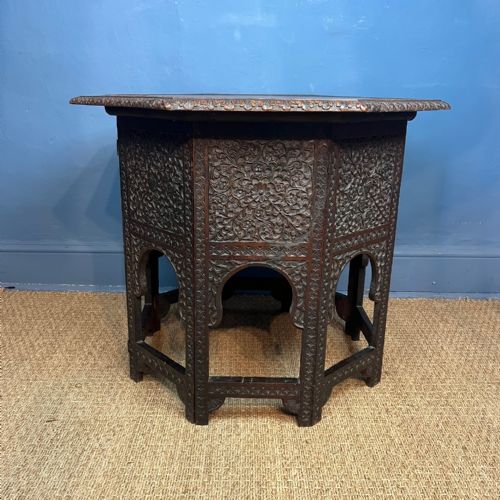
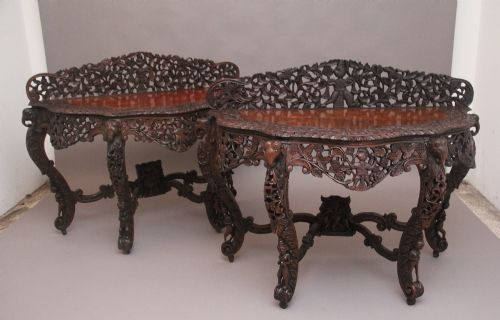
When you search for antique hardwood furniture, you encounter dense timber objects shaped across global trade routes from the eighteenth century to the early twentieth century. These pieces encompass utilitarian items and decorative forms, ranging from side tables and display cabinets to benches, armchairs and desks.
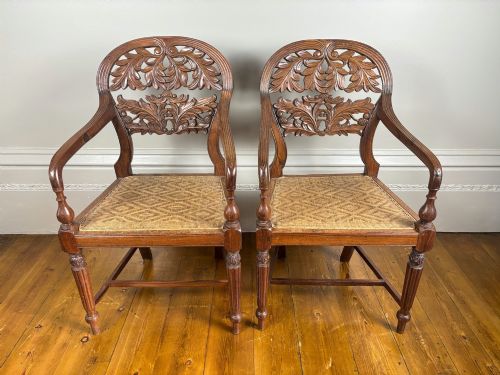
The selections span distinct regional workshops including Chinese Qing Dynasty productions, Anglo-Indian colonial pieces, Japanese Meiji period cabinets and Middle Eastern inlaid trunks. You are most likely to meet side tables, low tables, display cabinets and benches fashioned from padouk, rosewood, teak and elm.
Makers utilised native timbers and tropical varieties to build substantial seating, stands and storage units designed for both domestic use and colonial administration. The range extends from rustic farmhouse garden seating to intricately carved Hongmu altar tables and Syrian mother-of-pearl inlaid chests.
How they were made
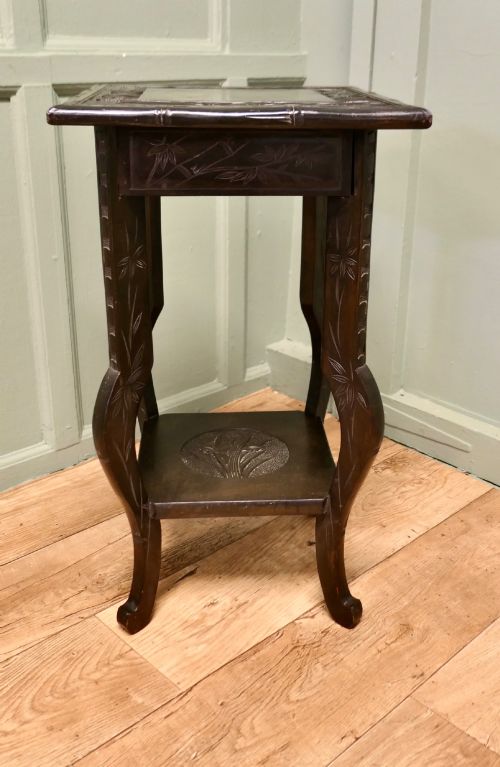
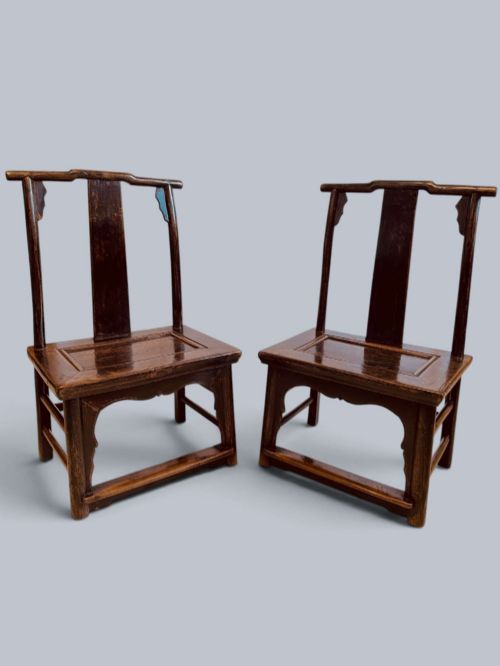
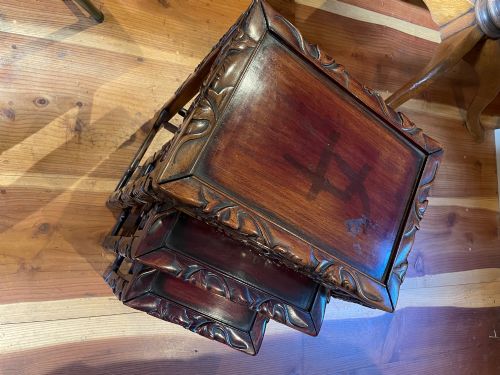
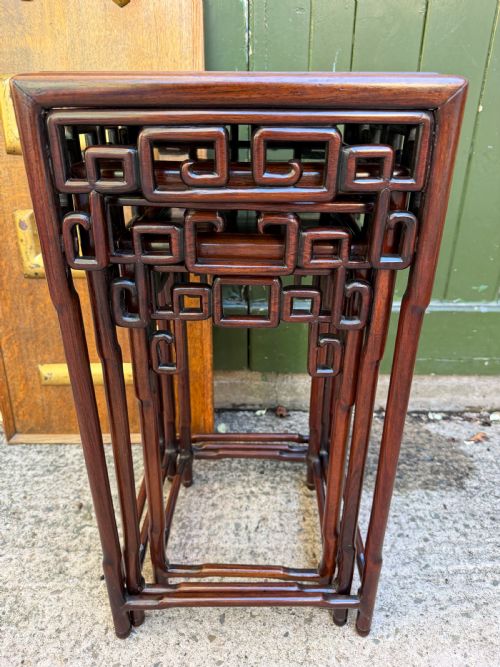
Workshops relied on dense tropical timbers such as padouk, rosewood, ebony and teak, alongside temperate hardwoods like elm. These materials required specialised joinery and patient hand-carving to shape complex panels, horseshoe-back chair frames and interlocking nesting tables without modern machinery.
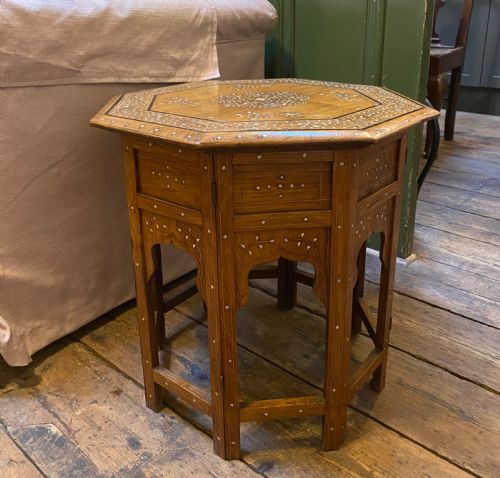
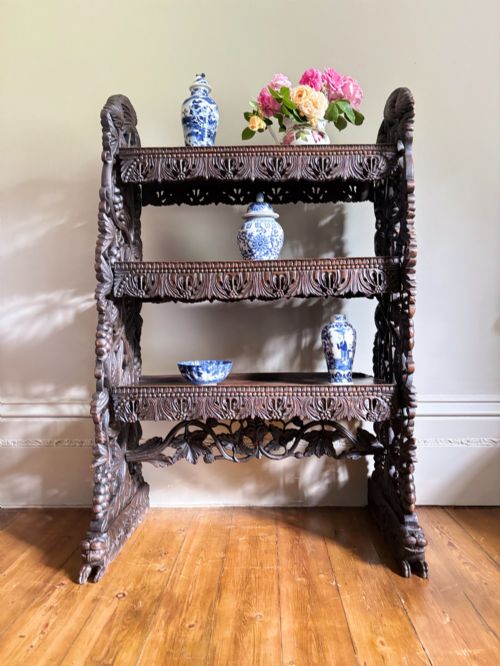
Surface enrichment involved contrasting materials set directly into the primary timber frame, including white marble inserts, bone inlay, mother-of-pearl, brass plates, copper panels and red lacquer. Carvers employed chisels to produce deep relief panels depicting foliage, dragons and geometric patterns characteristic of regional traditions.
Construction methods prioritized durability in variable climates, utilising pegged joints and multi-tiered bracing for heavy items like altar tables, display cabinets and garden benches. Structural integrity depended on the natural density of the hardwood rather than applied veneers or secondary softwood framing.
Antique Hardwood Furniture Retail Price Guide 2026
Typical asking prices for hardwood furniture among the pieces listed under this phrase on Sellingantiques today, from the lower quarter to the upper quarter. They describe what is for sale here now, not the wider market.
Listings feature items spanning the eighteenth century to the 1930s, incorporating materials such as marble, bone, brass and glass alongside tropical hardwoods.
What varies in quality
The distinction between standard utility items and exceptional pieces rests upon the crispness of the hand-carving and the selection of the primary timber. Superior examples exhibit deeply undercut relief work and tightly figured grain patterns in woods like Hongmu or gonçalo alves.
Integration of secondary materials such as inset marble tops, bone inlay or brass accents dictates the grade of the piece. Master workshops aligned these contrasting elements with precision, whereas lesser productions relied on simpler surface decoration and coarser assembly methods.
The Antique Hardwood Furniture Glossary
- Hongmu
- A traditional Chinese term denoting dense, dark hardwoods including various species of rosewood. These timbers provide the heavy weight and dark red-brown colour typical of fine Qing Dynasty altar tables and nesting sets.
- Padouk
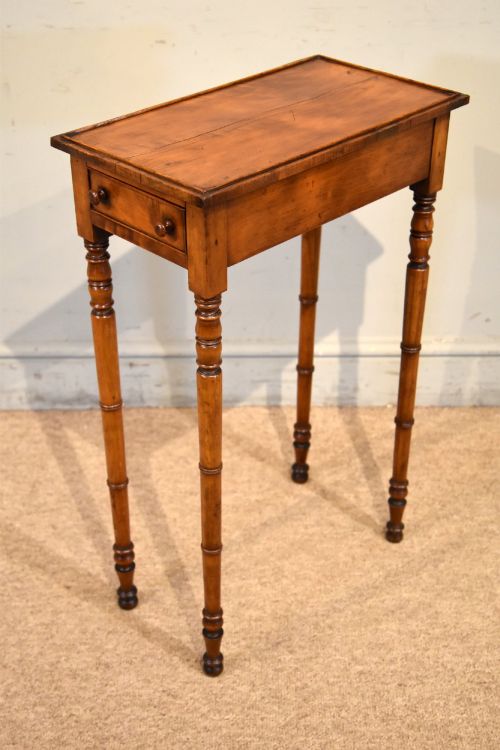
- A heavy, durable tropical timber native to Africa and Asia with a distinctive reddish hue. Cabinetmakers utilised it for nineteenth-century sideboards, centre tables and side tables requiring high structural stability.
- Meiji Period
- The era in Japanese history spanning from 1868 to 1912, characterised by intricate carved cabinetry and display cases produced for both domestic use and export markets. Cabinets from this time often feature elaborate multi-tier shelving.
- Altar Table
- A long, narrow rectangular table originating in China, traditionally placed against a wall for ceremonial use or display. They typically feature carved aprons and raised flange ends.
- Inlay
- A decorative technique where contrasting materials such as bone, mother-of-pearl, brass or copper are embedded into the surface of the hardwood. Middle Eastern and Anglo-Indian trunks frequently employ this method for geometric and floral motifs.
Antique Hardwood Furniture: Frequently Asked Questions
How do I clean antique hardwood furniture?
Dust surfaces regularly with a soft, dry cloth to prevent particulate accumulation in carved recesses. Avoid silicone-based sprays and excessive moisture, which can degrade old wax finishes and dry out dense tropical timbers.
For stubborn grime, apply a minimal amount of neutral wax polish using a soft brush, then buff gently. Maintaining stable room humidity prevents the timber from splitting or warping around inlaid panels and marble inserts.
Can I use an antique hardwood bench outdoors?
Certain items like weathered teak garden benches are built to withstand outdoor environments. Other forms intended for indoor use, such as opium benches or inlaid Syrian chests, will deteriorate rapidly if exposed to dampness and direct sunlight.
Verify the timber species and original construction context before placing any wooden seating outside. Even durable varieties benefit from protective covers and indoor storage during harsh winter months.
How do I identify Chinese Qing Dynasty pieces?
Look for traditional joinery methods that utilise interlocking wooden frames without metal nails. These items frequently employ Hongmu or rosewood and incorporate architectural elements like horseshoe-backs or recessed leg structures.
Examine the carving style for traditional motifs such as dragons, scrolling foliage and geometric frets. The absence of modern glues and the presence of natural patina accumulated over generations confirm the period of manufacture.
What is an Anglo-Indian cabinet?
An Anglo-Indian cabinet is a piece of furniture made in India during the British colonial period, combining European furniture forms with local carving traditions. Workshops utilised regional hardwoods like padouk and ebony to build these storage units.
These pieces typically display dense, intricate foliage carvings executed by local artisans. They served administrative and domestic functions within colonial households, blending functional British designs with Asian craftsmanship.