
Antique Hanging Shelf
An antique hanging shelf brings practical vertical storage and quiet period character to a plain wall without crowding the floor space.
Antique Hanging Shelf
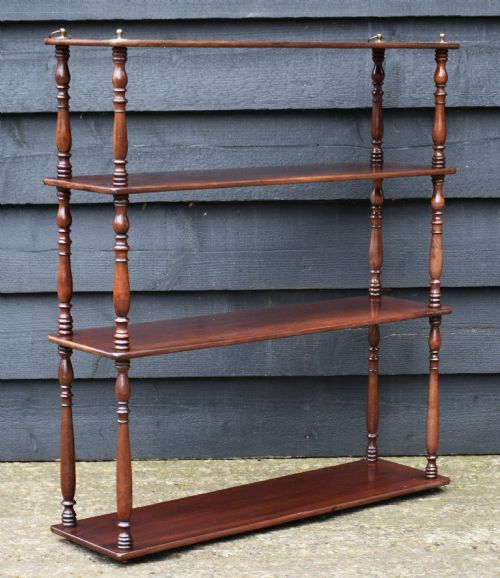
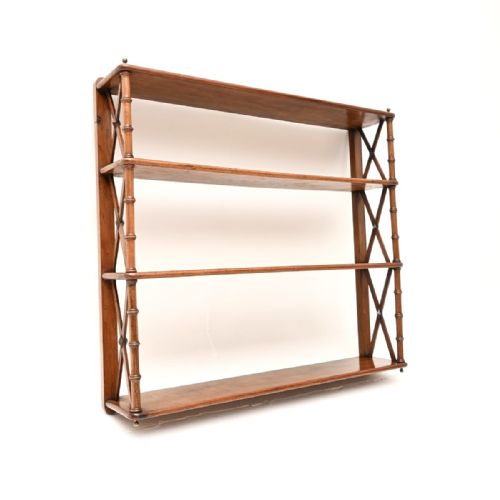
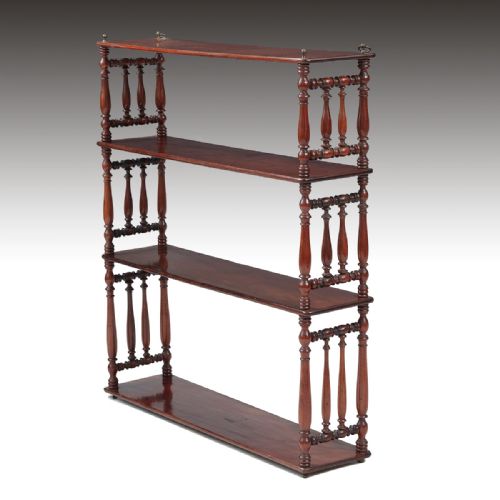
An antique hanging shelf serves as a compact display or storage unit designed to be fixed directly to a wall, keeping surfaces clear below. The pieces appearing here span from the Georgian and Regency eras through the Victorian period and into the Edwardian decades, reflecting changing domestic tastes in timber furniture.
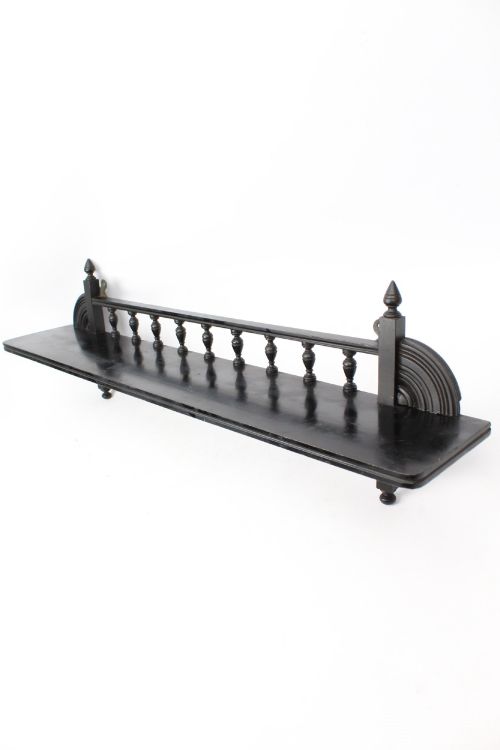
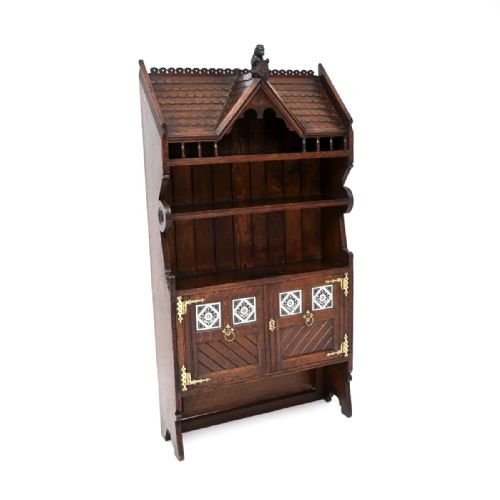
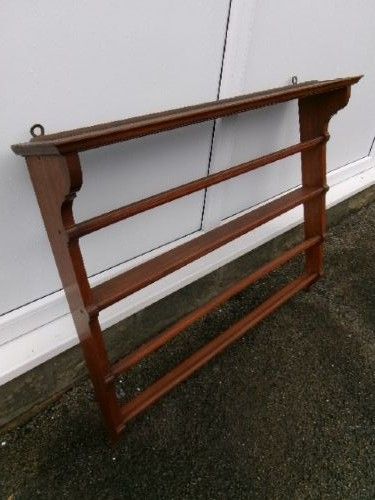
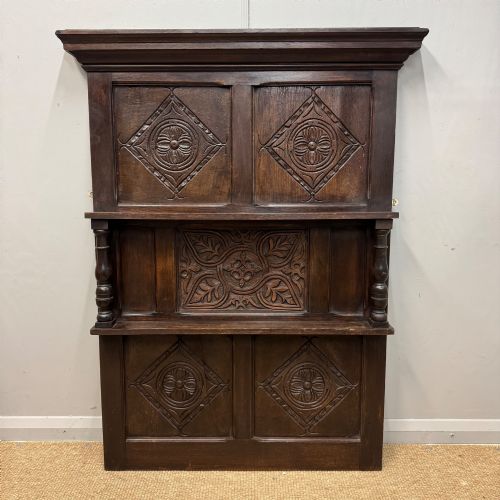
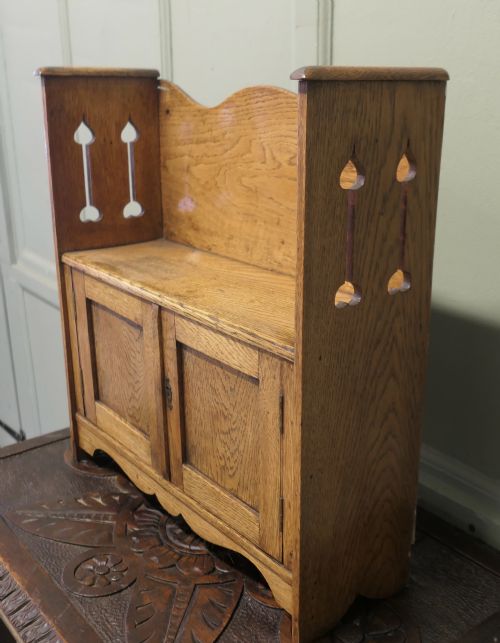
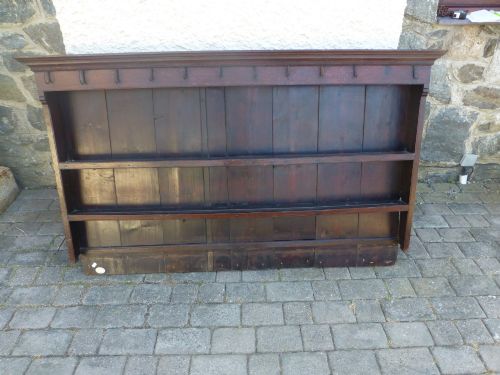
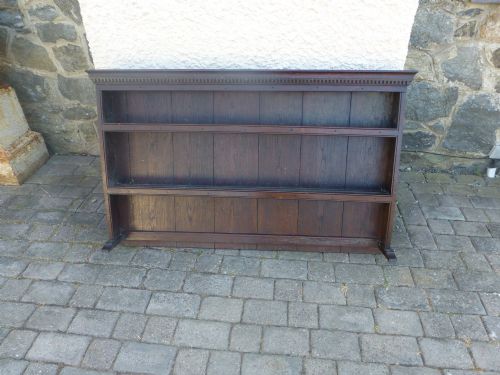
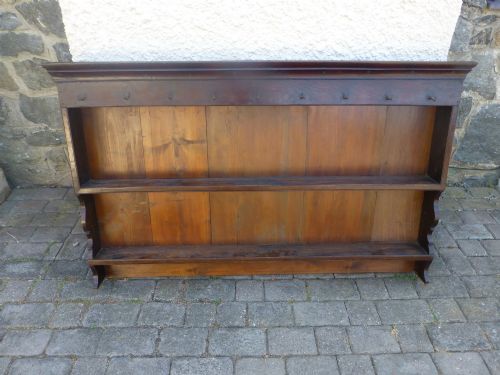
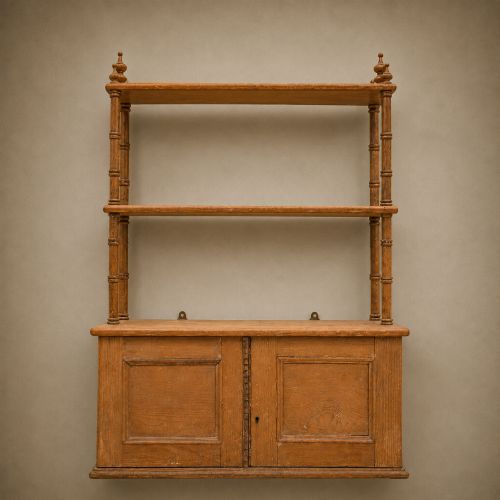
The most common formats on this page are mahogany wall shelves, oak plate racks, and corner shelves in various timbers. Buyers frequently encounter tiered bookcases, small display cabinets with doors, and simple wooden ledges intended for books or ceramics.
Origins range from English country workshops to metropolitan cabinet makers, encompassing styles such as Arts and Crafts, Gothic Revival, and French designs. Each piece demonstrates how historical interiors utilised vertical space for both ornament and utility.
Materials and construction
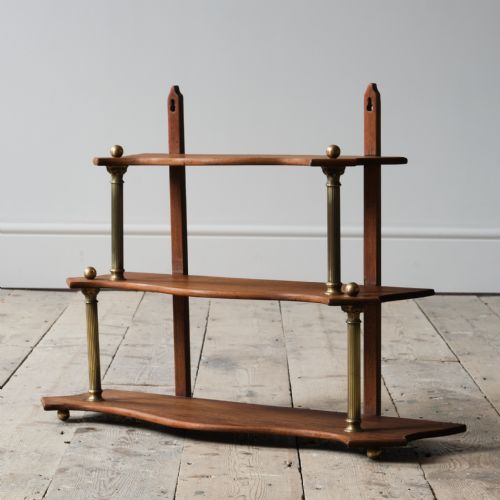
Cabinet makers relied heavily on solid mahogany, oak, and walnut, often selecting figured grain for prominent display surfaces and secondary pine for structural backs. Brass brackets, hinges, and hanging rings provided necessary support and subtle decorative contrast against the dark wood.
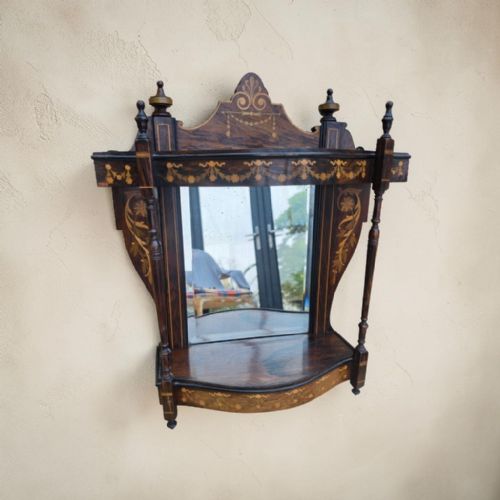
Joinery techniques included dovetailed joints for shelves and drawers, alongside pegged mortise and tenon frames in earlier oak pieces. Ebonised finishes, painted details, and intricate marquetry inlay appeared as decorative treatments, particularly on Victorian and Arts and Crafts examples.
Listings feature timbers such as mahogany, oak, walnut, pine, satin birch, and olive wood across the Georgian, Victorian, and Edwardian periods.
Craftsmanship and proportion
Quality rests upon the crispness of the timber mouldings, the integrity of the original hanging points, and the balance of the proportions. Superior examples display thoughtful grain matching across the visible shelves and refined dovetailing that remains tight after centuries of use.
Later alterations, replaced brackets, or mismatched timbers diminish the integrity of a piece. The finest items retain their original surfaces, uncompromised patination, and the specific structural lightness required for safe wall mounting.
John Moyr Smith·George Edmund Street·Arthur Simpson
The Antique Hanging Shelf Glossary
- Bracket mirror
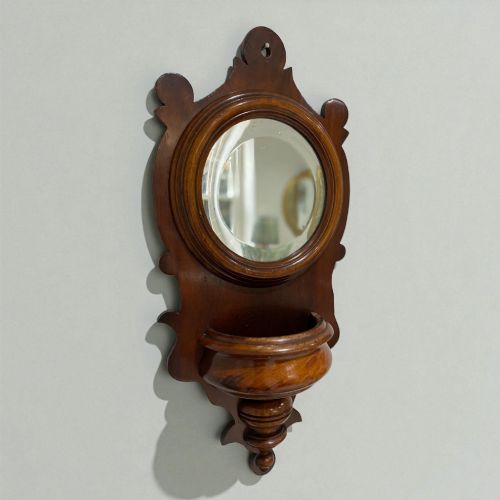
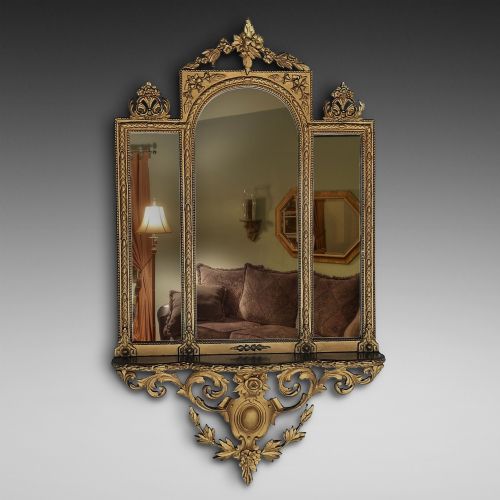
- A wall-mounted mirror incorporating small ledges or shelves for displaying small ornaments. These pieces combined reflective glass with functional display space in compact Victorian halls and bedrooms.
- Delft rack
- A wooden wall-mounted rack featuring horizontal slats or grooves designed to hold ceramic plates upright. They originate primarily from the eighteenth-century oak tradition for kitchen and dining display.
- Waterfall shelves
- A set of open shelves where each tier steps back progressively from the bottom to the top. This configuration creates a cascading profile popular in nineteenth-century book storage.
- Overmantel
- A large decorative shelf or mirror assembly designed to be hung specifically above a fireplace mantelpiece. They often feature multiple display tiers and carved wooden framing.
- Ebonised wood
- Timber treated with chemical stains or dark finishes to imitate expensive ebony. This technique gained widespread popularity during the Victorian Aesthetic Movement.
Antique Hanging Shelf: Frequently Asked Questions
What is the difference between a plate rack and a bookcase?
Plate racks feature shallow ledges and protective front retaining rails or grooves specifically angled to hold ceramic plates and platters upright without slipping. Bookcases provide deeper, flat shelves designed to store volumes vertically.
Many eighteenth and nineteenth-century pieces blur these definitions, serving adaptable functions depending on the depth of the timber ledges.
How do I care for antique wood finishes?
Dust the timber regularly with a soft, dry cloth to prevent the accumulation of grit that can scratch the surface. Avoid silicone-based sprays and heavy waxes that build up a cloudy residue over time.
Keep wall shelves away from direct heat sources such as radiators and out of harsh, direct sunlight to prevent the timber from warping or splitting. Occasional applications of pure beeswax help nourish dry antique surfaces.
How do I identify a Victorian Gothic Revival shelf?
Victorian Gothic Revival pieces often feature architectural motifs such as pointed arches, trefoils, and heavy chamfered edges. Ebonised wood or dark oak finishes are common, emulating medieval church woodwork.
Look for robust construction and structural ironwork that reflect the nineteenth-century revival of medieval design principles.