


Antique Hanging Lantern
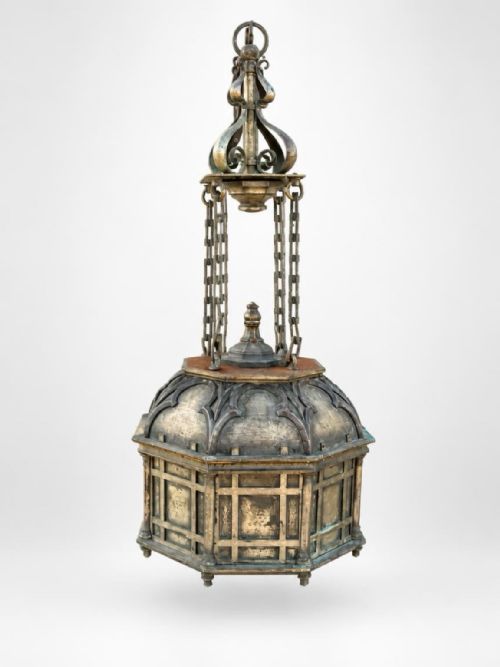
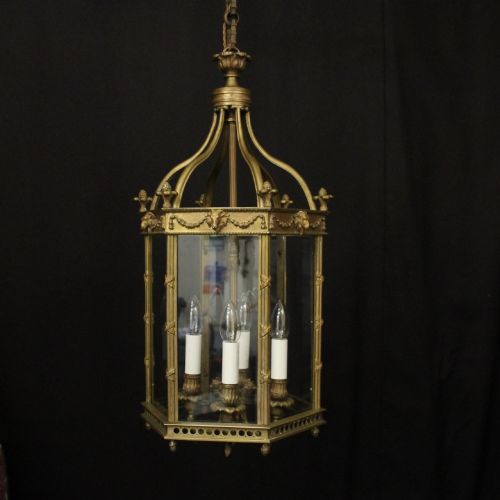
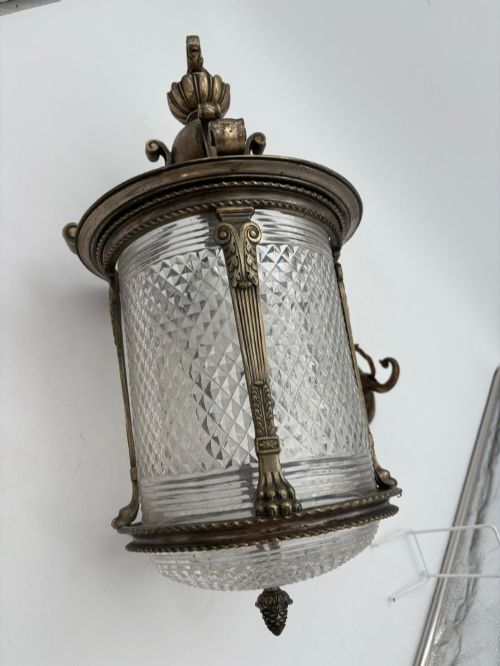
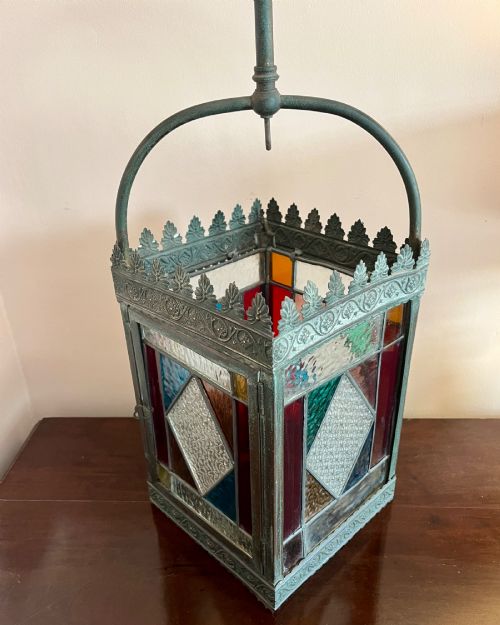
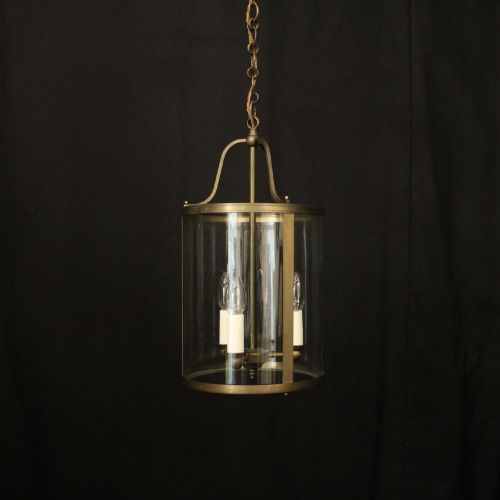
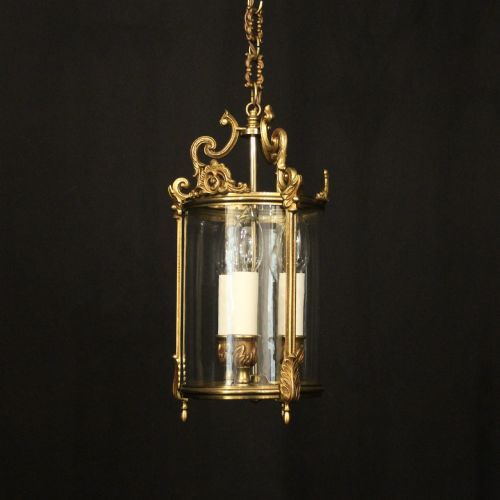
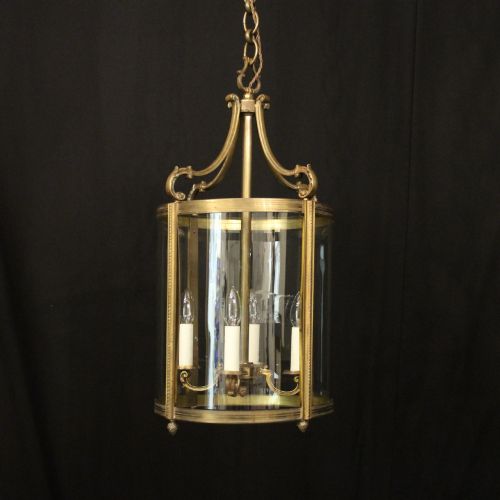
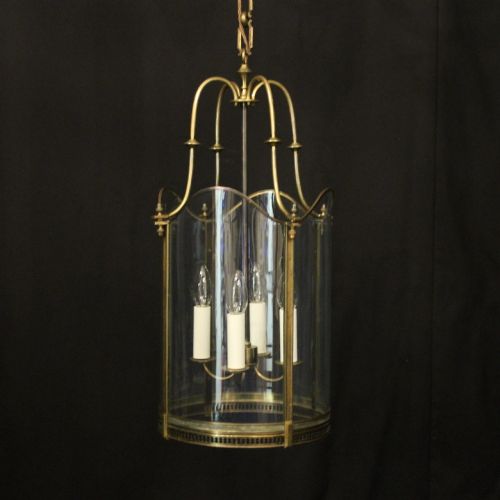
An antique hanging lantern brings immediate architectural weight to an entrance hall, casting soft illumination through bevelled or leaded glass panels.

Antique Hanging Lantern
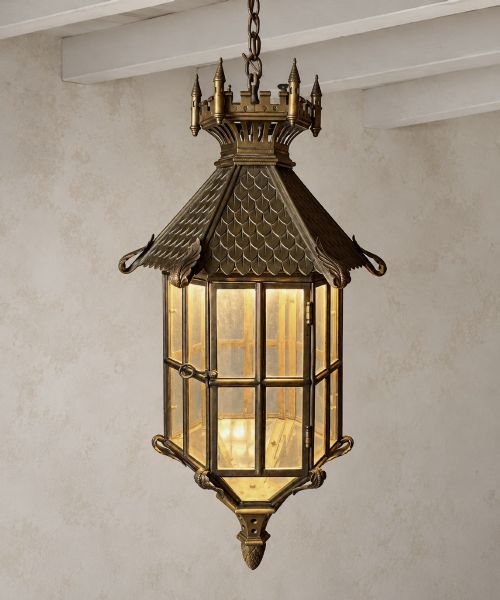
An antique hanging lantern is primarily a ceiling-mounted light fixture designed for entrance halls, corridors, and high-ceilinged stairwells. The pieces encountered here span from the mid-nineteenth century through the Edwardian era and into the nineteen-twenties, incorporating Victorian, Arts and Crafts, and French styles.
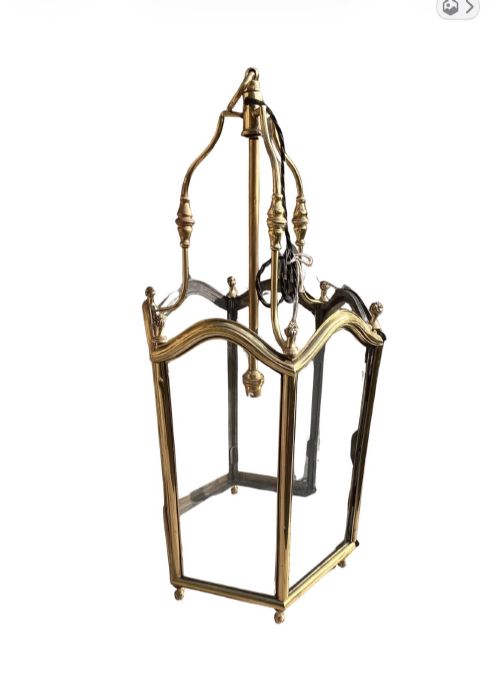
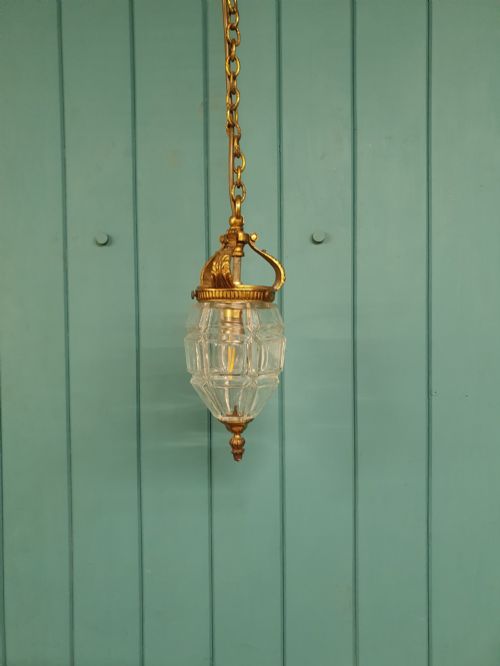
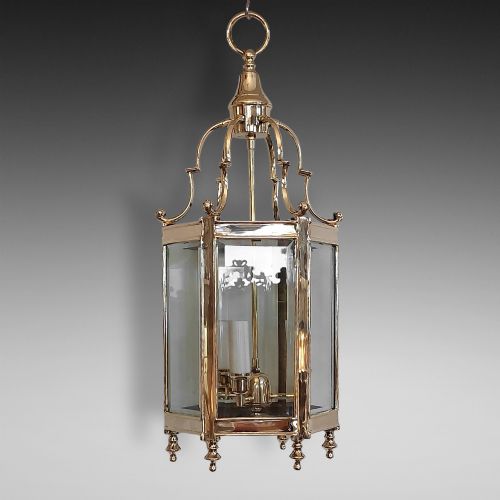
The assortment is dominated by hall lanterns, pendant lights, and ceiling lanterns constructed in brass, bronze, and copper frames. Buyers frequently encounter hexagonal, convex, and multi-light configurations suspended by chains or rods from the ceiling.
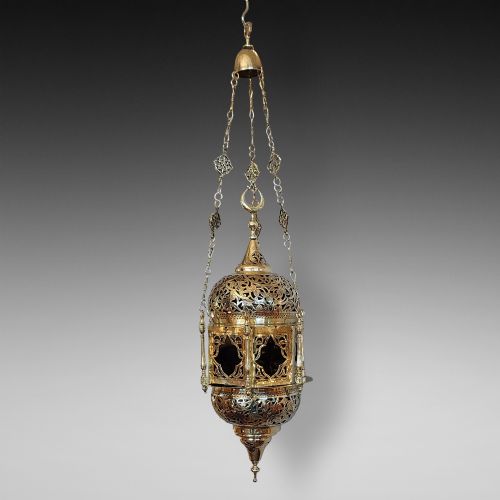
Originating largely from English and French workshops, these fixtures range from utilitarian railway examples to decorative gilt bronze creations. They serve both a practical lighting function and a distinct decorative role in period interiors.
Materials and Construction
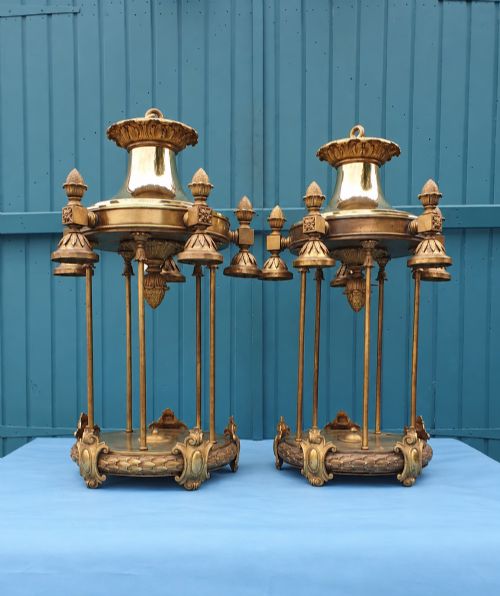
The framework of these lanterns relies heavily on cast and sheet brass, gilt bronze, copper, and wrought iron, often assembled with soldered joints or visible mechanical fasteners. Metal components are frequently finished with gilding or left with a natural patinated surface.
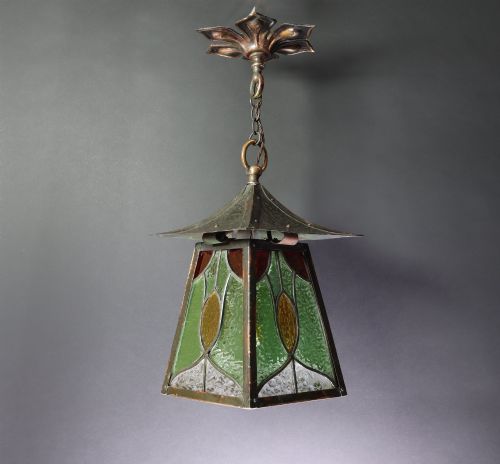
Glazing techniques define the visual character of the fixtures, utilising leaded glass, bevelled panes, hand-blown bullseye glass, and etched panels. In some examples, specialised lead came or zinc channels secure individual pieces of glass within the rigid metal frame.
Antique Hanging Lantern Retail Price Guide 2026
Typical asking prices for hanging lantern among the pieces listed under this phrase on Sellingantiques today, from the lower quarter to the upper quarter. They describe what is for sale here now, not the wider market.
Railway guards once carried specialised copper lanterns that eventually found new life swinging peacefully in domestic hallways.
Distinctions in Execution
Quality in an antique hanging lantern is determined by the weight of the metal casting and the precision of the frame assembly. Thicker gauge brass or bronze frames retain their structural rigidity over decades of suspension, whereas lighter constructions may show distortion at the joints.
The treatment of the glazing further separates standard production from finer work. Hand-blown glass with natural imperfections, complex bevelled edges, and detailed etched motifs require significantly greater artisanal skill than flat machine-cut panes.
The Antique Hanging Lantern Glossary
- Convex glass
- Curved glass panels that project outward, frequently seen on French hall lanterns to diffuse light across a wider angle. This technique requires specialised moulding during production.
- Leaded glass
- Individual pieces of glass held together by strips of lead came, creating decorative geometric or floral patterns. This method is prominent in Victorian and Arts and Crafts examples.
- Gilt bronze
- Bronze metal treated with a thin layer of gold or gold-coloured alloy, providing a rich metallic sheen that resists tarnishing. It is characteristic of decorative French lighting.
- Bulls-eye glass
- Thick, circular glass panes featuring a central prominent nodule, originating from the centre of a blown glass sphere. They add texture and historic authenticity to nineteenth-century pieces.
- Hall lantern
- A vertical hanging light fixture specifically proportioned for narrow corridors and entrance spaces. These fixtures typically direct light outward through multiple glass panels.
Antique Hanging Lantern: Frequently Asked Questions
How do I hang a heavy brass lantern safely?
Suspension of heavy metal fixtures requires anchoring directly into ceiling joists using a rated structural hook and appropriate chain links. Electrical wiring should be inspected and updated by a professional to ensure it supports the weight without straining internal components.
Historic lanterns often require a load-bearing steel strap hidden within the canopy to transfer weight away from decorative brass elements. Consult a licensed electrician familiar with antique lighting installations before mounting.
Can these antique lanterns be wired for modern electricity?
Most antique hanging lanterns are adapted for modern electrical standards while retaining their original sockets or incorporating discreet internal wiring channels. Rewiring preserves the historical exterior metalwork and glass while ensuring compliance with contemporary safety codes.
Standard bulb bases can be fitted inside the frame, though the choice of lumen output and colour temperature affects how light passes through leaded or bevelled glass panels. Low-heat LED bulbs are often selected to protect historic materials from thermal stress.
How do I clean historic glass and brass?
Maintenance involves gentle dusting with a soft, dry cloth to remove surface particles without disturbing the underlying metallic patina. Glass panels can be cleaned with mild soapy water applied cautiously to avoid dampening vintage internal wiring or solder.
Harsh chemical polishes and abrasive cleaners should be avoided entirely, as they strip away historical patination and damage fragile gilt or lacquered surfaces. Preservation of the aged finish is preferred over a bright, modern shine.
What is the difference between an Edwardian and a Victorian lantern?
Victorian lanterns generally feature heavier proportions, robust brass or copper construction, and ornate detailing influenced by Gothic Revival or industrial utility. The glass work tends toward thick leaded panels and textured bullseye formations.
Edwardian examples often display lighter frames, cleaner lines influenced by Art Nouveau or early neoclassical revivals, and more refined geometric forms. The metal finishes on Edwardian pieces frequently showcase softer patination and simpler suspension systems.