

Antique Hallway Pendants
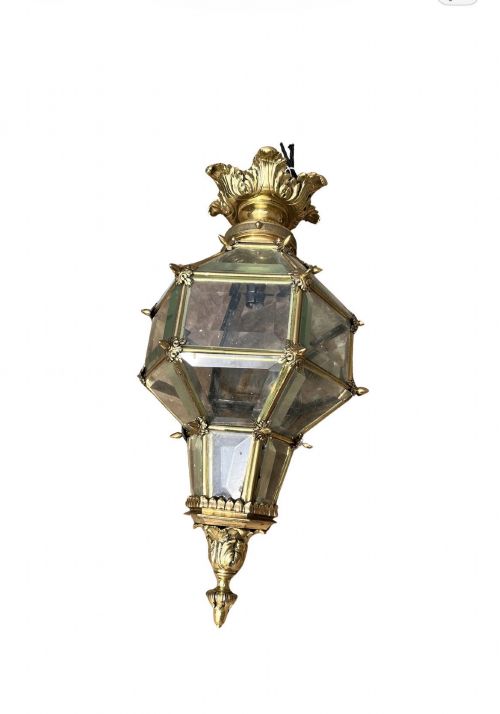
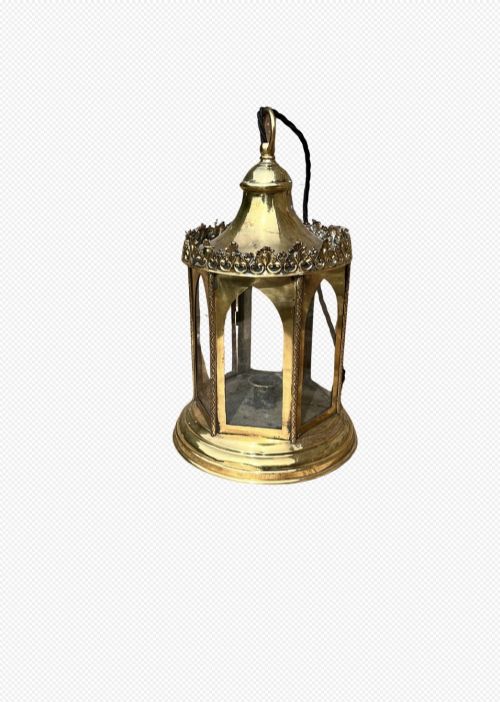
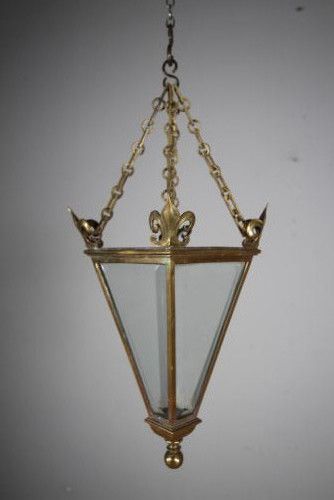
Antique hallway pendants transform an entrance with period character, casting a warm glow through brass and glass.
Antique Hallway Pendants
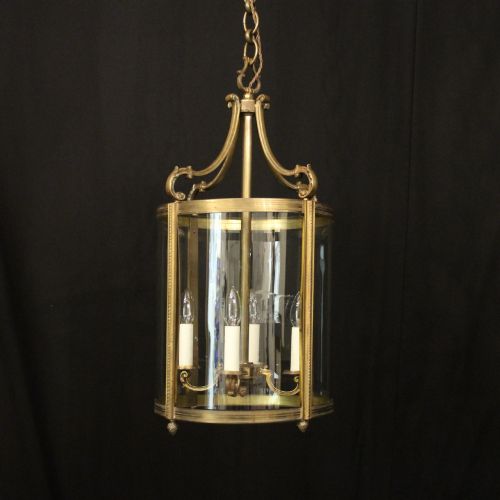
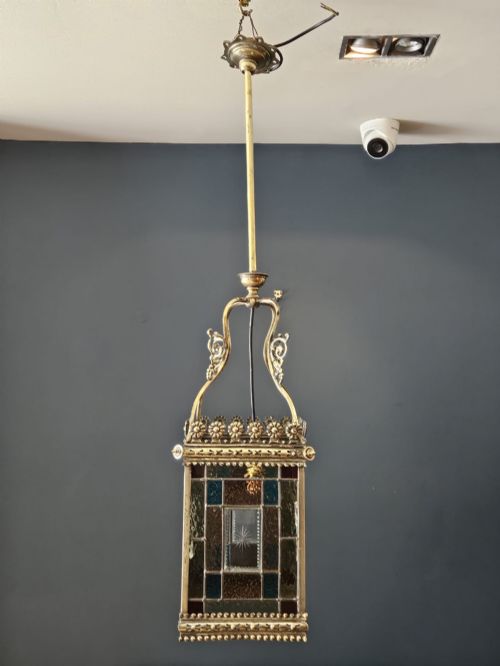
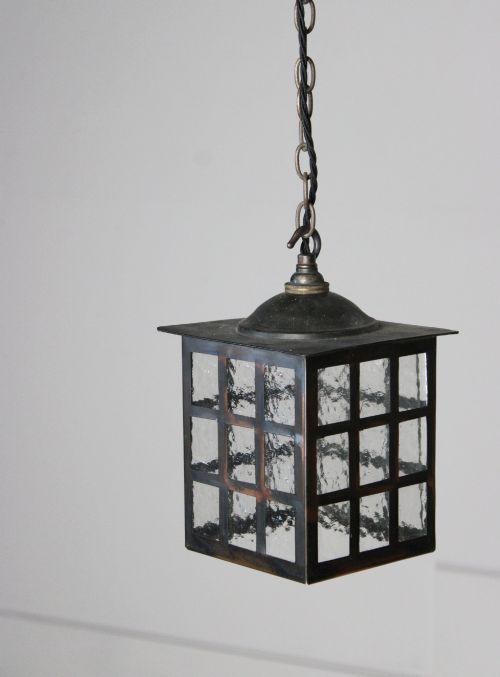
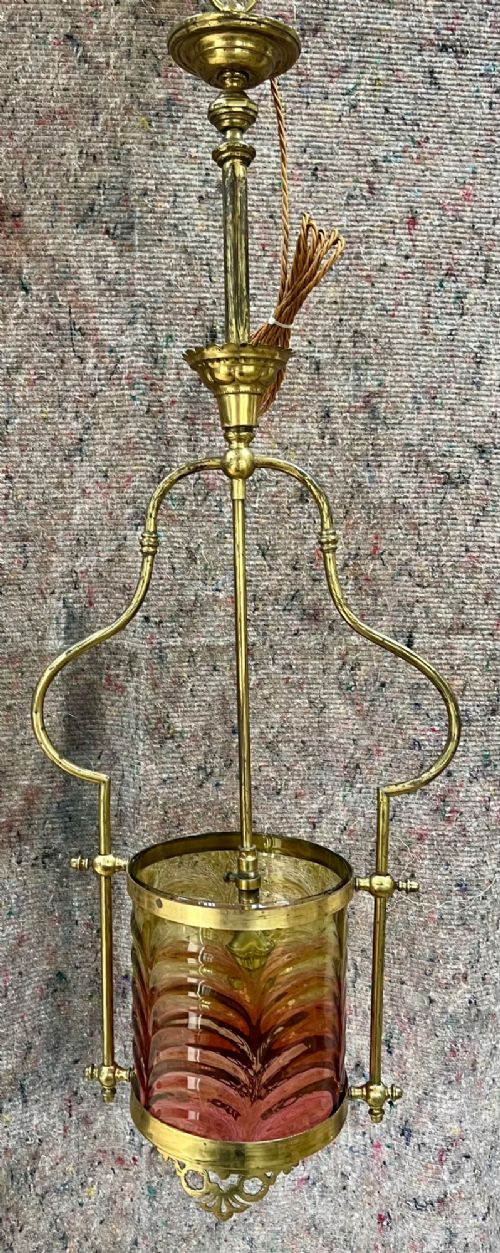
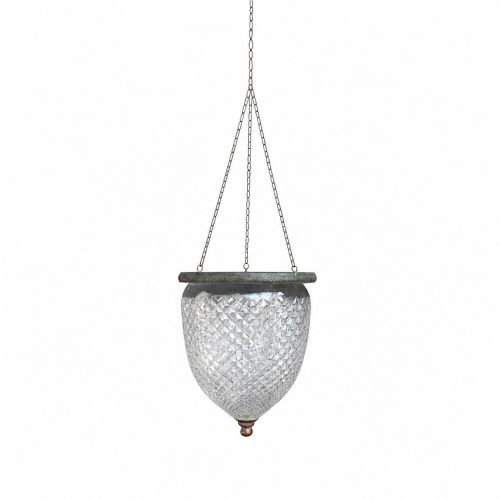
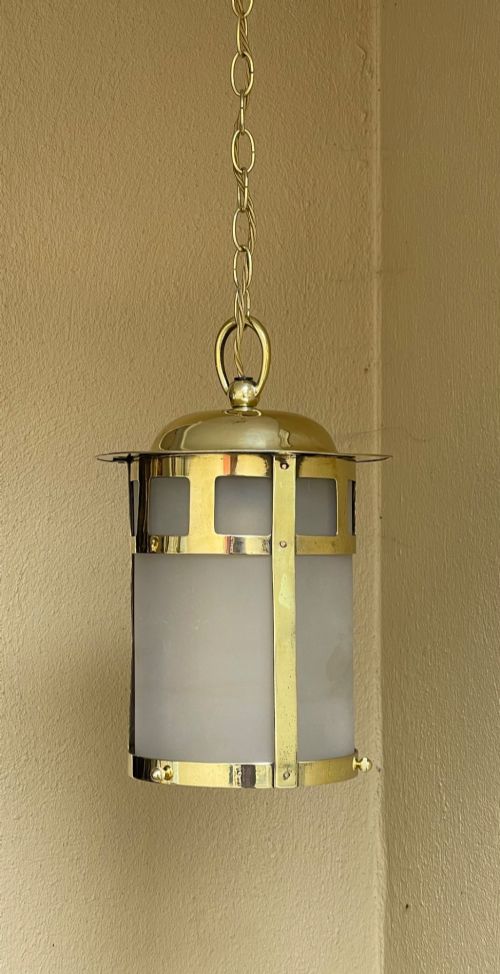
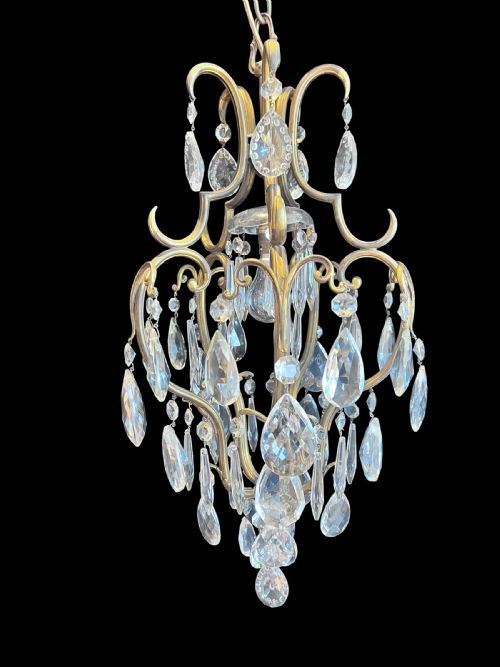
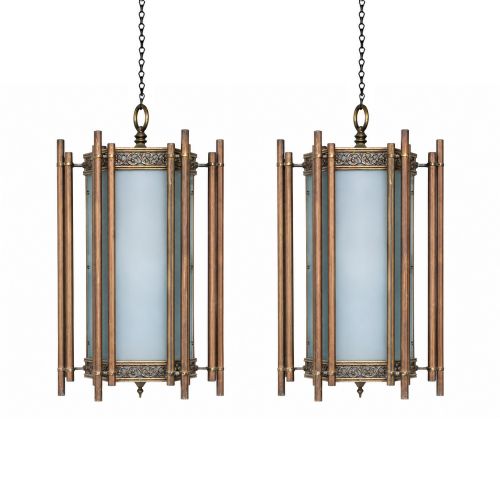
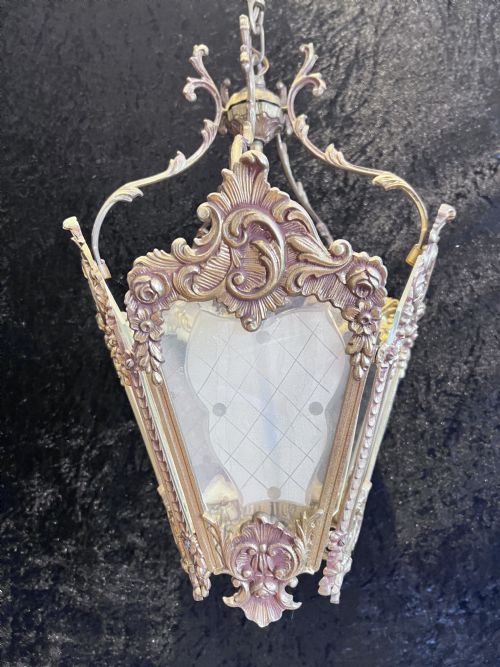
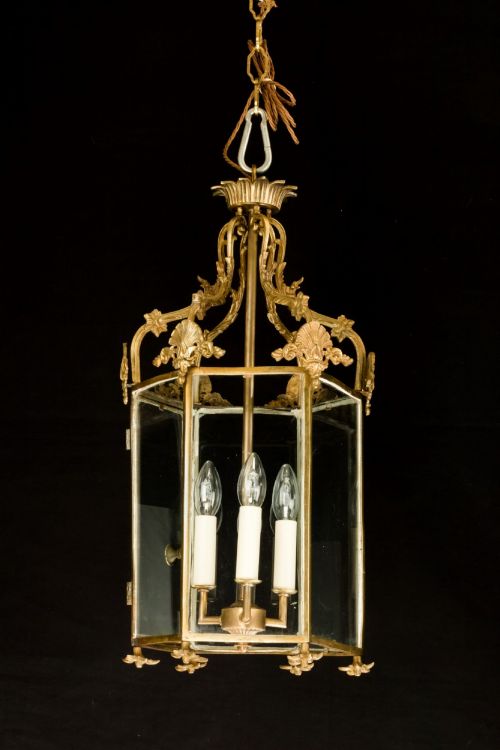
Antique hallway pendants encompass hanging fixtures designed specifically to illuminate entrance spaces and corridors. When you search for antique hallway pendants, you encounter ceiling lights, hall lanterns, and small chandeliers.
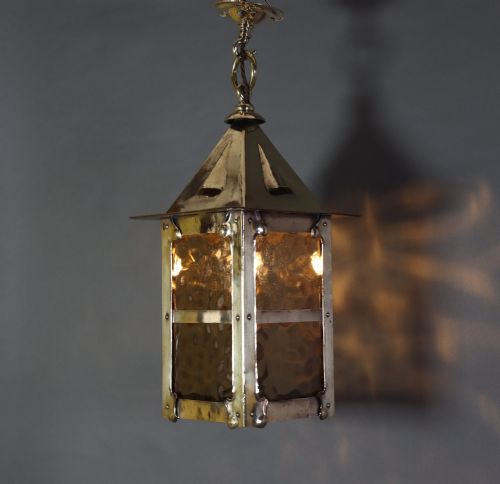
The selections span from the Victorian and Edwardian eras into the Art Deco and 1930s periods. Brass framed lanterns and glass fixtures dominate the forms.
French styles, Arts and Crafts designs, and Gothic Revival pieces frequently appear. These items serve both a practical lighting function and a decorative role in period homes.
How they were made
Makers utilised brass, bronze, copper, and wrought iron to construct the structural frames of these hanging lights. Metalwork was cast, forged, or beaten into shape to support the glazing.
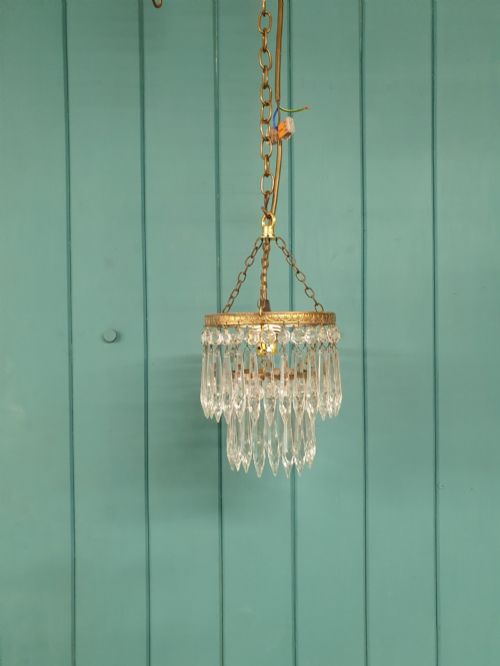
Glass elements include cut glass, moulded glass, lead glass, opaline, and crystal prisms. Panels were fitted into metal frames or suspended as drops, beads, and bag chandeliers.
Periods represented across the selection span from the nineteenth century through Edwardian times to Art Deco and the 1930s.
What varies in quality
The substance of the metal frame and the weight of the bronze or brass dictate the structural integrity of the piece. Substantial casting and heavy gauge metal separate robust examples from lighter alternatives.
The clarity and cut of the glass or crystal components define the visual refinement. Hand-cut prisms and bevelled lead glass panels show superior craftsmanship compared to plain or thin moulded glass.
F&C Osler
The Antique Hallway Pendants Glossary
- Bag chandelier
- A light fixture shaped like a tapered bag or pouch composed of numerous crystal beads threaded on wires. These pieces scatter light across an entranceway.
- Hall lantern
- An enclosed hanging light designed to protect the flame from drafts in a corridor. They utilise glass panels set within a brass, bronze, or iron frame.
- Opaline
- A type of semi-translucent glass that diffuses light evenly. It appears in pear-shaped and pendant forms from the early twentieth century.
Antique Hallway Pendants: Frequently Asked Questions
What periods do these pendants come from?
The pieces span the nineteenth century through to the 1930s. Victorian, Edwardian, and Art Deco examples appear frequently.
Design influences range from French Chateau and Rococo to Arts and Crafts and Gothic Revival.
How were early hallway lanterns lit?
Original examples from the nineteenth century were designed for candles before being converted to gas or electricity. Some retain structural details from their candle-lit origins.
Later twentieth-century versions were manufactured specifically for electrical illumination.
What materials are used in these lights?
Frames are constructed from brass, gilt bronze, bronze, copper, and wrought iron. Glass elements include cut crystal, lead glass, stained glass, and opaline.
Combinations of heavy metalwork and prism drops are typical of the grander styles.
How do I choose the right size?
Scale depends on the height and proportions of your hallway or entrance porch. Smaller bag chandeliers and dome top lights measure around five to ten inches.
Larger monumental lanterns and multi-light fixtures suit expansive entryways with high ceilings.