

Antique Hallway Cupboard
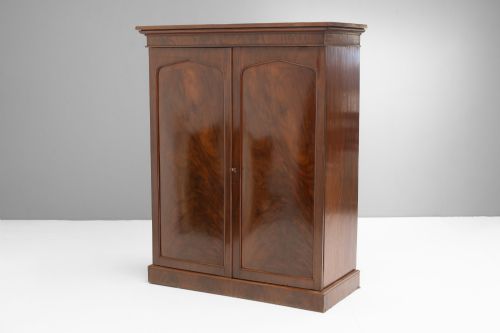
An antique hallway cupboard provides practical entrance storage in timber ranging from deep mahogany to pale pine across Georgian, Victorian, and Edwardian periods.
Antique Hallway Cupboard
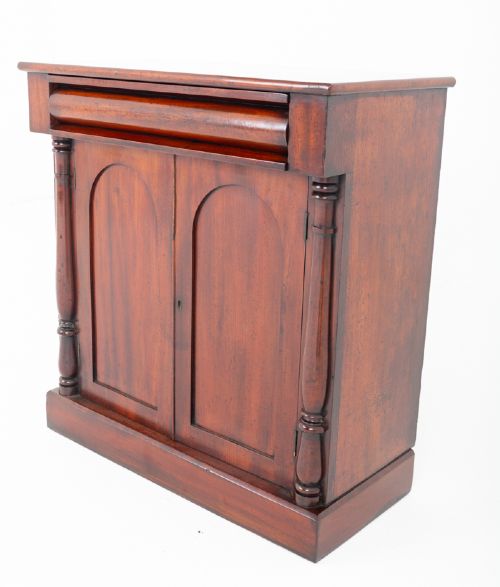
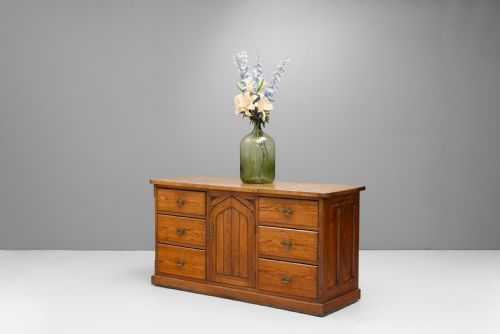
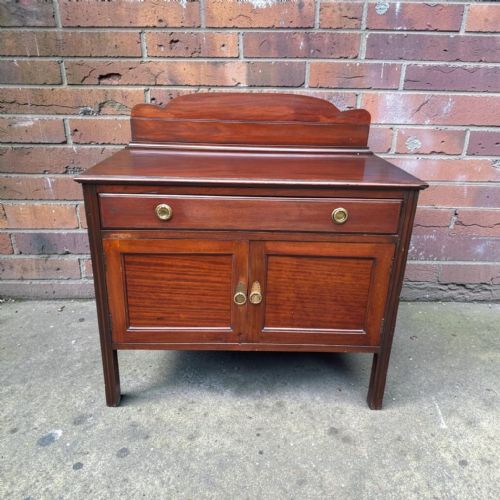
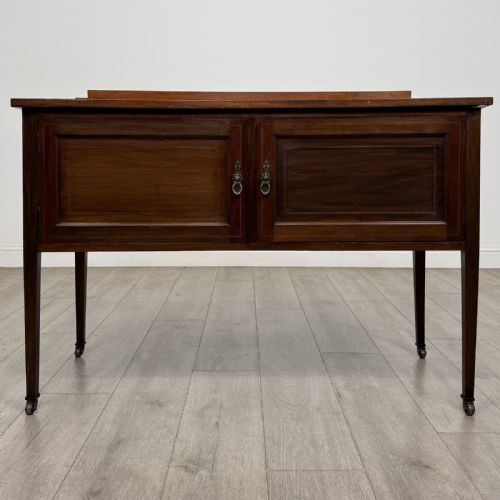
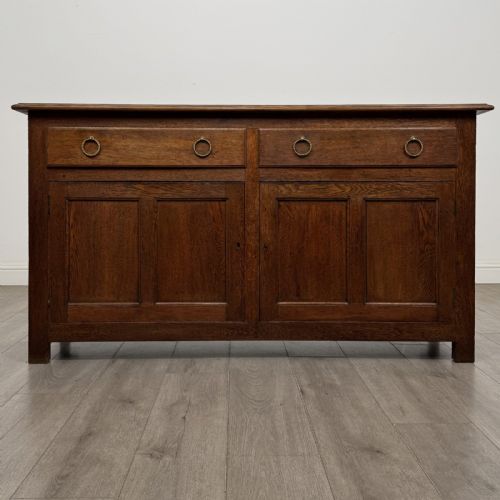
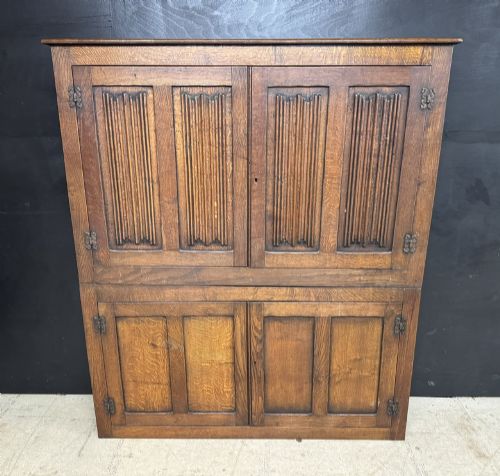
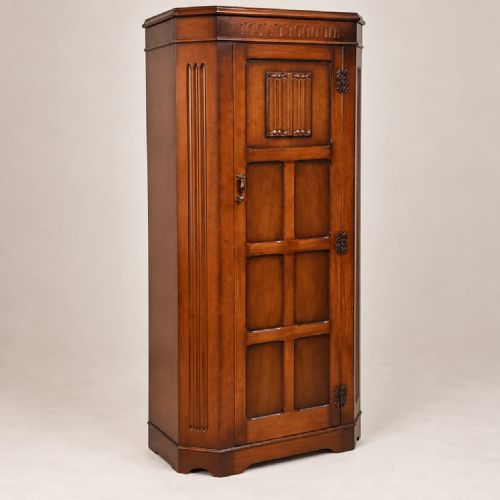
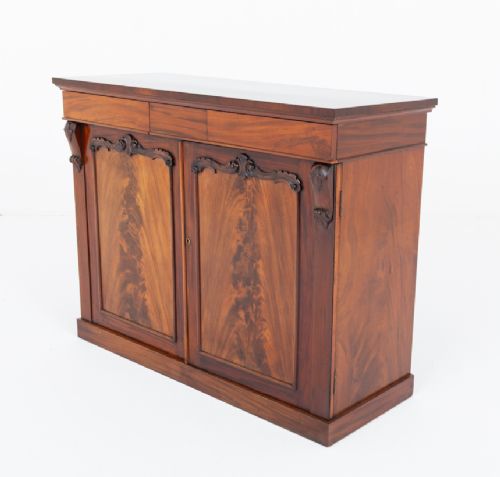
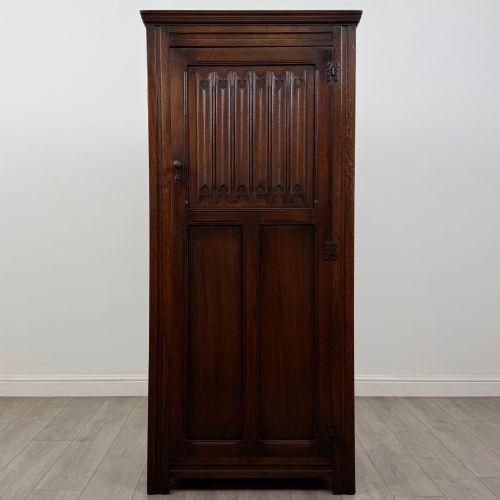
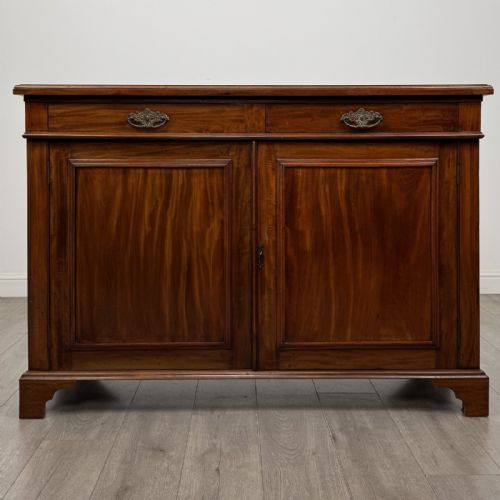
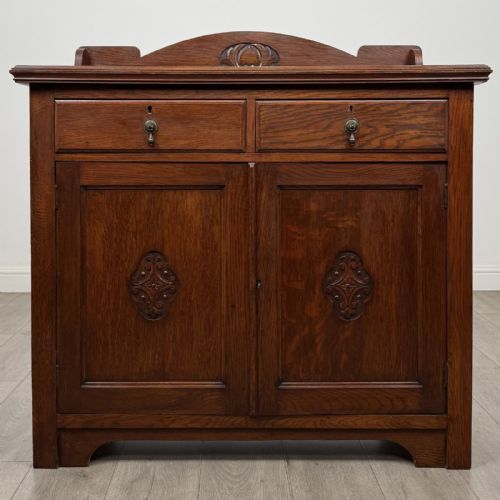
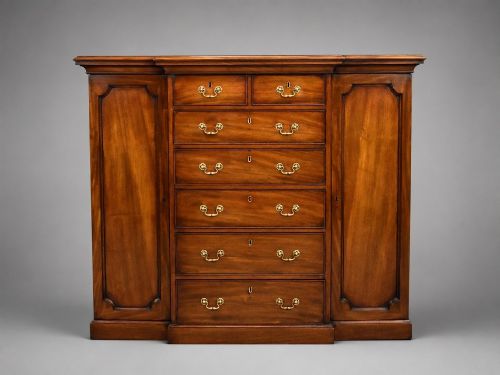
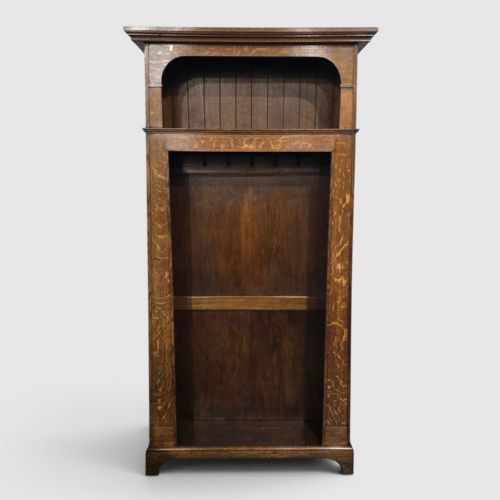
An antique hallway cupboard appears in forms designed for entrance spaces, including shallow wardrobes, cabinets, sideboards, chiffoniers, and dressers. Buyers searching for an antique hallway cupboard encounter pieces spanning the Georgian, Victorian, and Edwardian eras, alongside pieces from the 18th and 19th centuries.
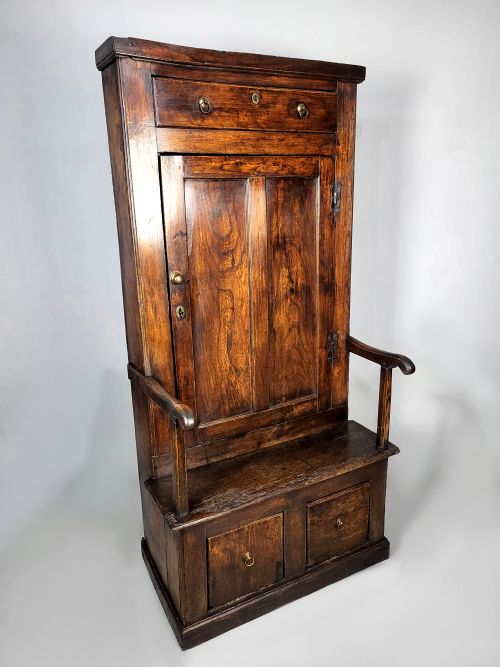
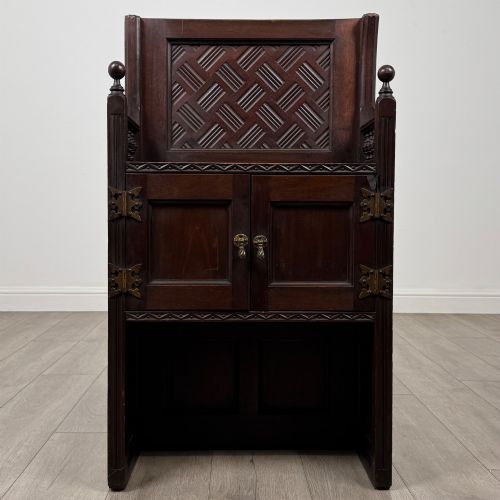
The selection includes low cupboards, hall seats, hanging wardrobes, and console cabinets placed in entryways for coats, hats, and daily essentials. Regional variations appear, such as French provincial oak cabinets and Channel Island wardrobes.
Makers and workshops of the 19th and early 20th centuries produced these items in styles that mirror broader design movements like Regency, Gothic Revival, Jacobean Revival, and Arts and Crafts.
Materials and construction
Makers constructed an antique hallway cupboard predominantly in solid and veneered timbers such as oak, mahogany, pine, rosewood, and satinwood, often incorporating brass hardware and iron fittings.
Construction techniques include hand carving, inlay work, tambour fronts, and structural elements like barley twist turnings. Pine pieces often feature painted or waxed finishes, while oak and mahogany display polished or golden grain.
Antique Hallway Cupboard Retail Price Guide 2026
Typical asking prices for hallway cupboard among the pieces listed under this phrase on Sellingantiques today, from the lower quarter to the upper quarter. They describe what is for sale here now, not the wider market.
Listings feature oak, mahogany, pine, rosewood, and satinwood across Victorian, Edwardian, Georgian, and Regency periods.
Craftsmanship and condition
The degree of refinement in cabinetmaking separates standard utilitarian pieces from finer works, visible in the precision of joints, the choice of figured timber, and the crispness of hand carving. Details like original brass feet, fitted interiors, and integrated mirrors demonstrate higher workshop standards.
Proportion and scale dictate utility in narrow spaces, with shallow depths and clever internal configurations representing superior design for entrance halls.
Hampton & Son's·Gillows
The Antique Hallway Cupboard Glossary
- Chiffonier
- A low cabinet or sideboard with doors, developed during the Regency and Victorian periods. It frequently incorporates a shelf or mirror on top.
- Demi-lune
- A half-moon shape characteristic of console tables and cabinets produced in the 18th and early 19th centuries. This profile allows pieces to sit flat against a hallway wall.
- Barley twist
- A decorative turning technique resembling a twisted rope, seen on legs and supports of Edwardian oak furniture. It adds vertical texture to hall furniture.
- Dresser base
- A low cabinet featuring cupboards or drawers, often used in hallways or dining rooms. It provides robust surface and internal storage.
- Tambour
- A flexible shutter door constructed from narrow strips of wood glued to a canvas backing. It slides smoothly along tracks to conceal cabinet contents.
Antique Hallway Cupboard: Frequently Asked Questions
What fits in a narrow hallway?
Shallow wardrobes, slim cabinets, and demi-lune console tables serve narrow entrance spaces effectively without obstructing movement. These forms provide designated storage for everyday items while maintaining adequate floor clearance.
Pine and mahogany variants offer lighter visual weights that suit confined entrance halls.
How do I identify a Georgian piece?
Georgian furniture displays classical proportions, restrained ornamentation, and high-grade mahogany or oak timbers. Cabinet construction relies on traditional joinery methods established during the 18th century.
Foot styles and hardware often reflect the specific decade of manufacture within the period.
Where were chiffoniers used?
Chiffoniers functioned primarily as serving and storage units in reception rooms and hallways during the Regency and Victorian eras. Enclosed lower cupboards held table linen or household goods.
The upper surface displayed decorative objects or supported a small mirror.
Are pine cupboards stripped or painted?
Pine storage pieces appear in waxed, polished, or painted finishes depending on regional origin and subsequent restoration. Many Victorian and Georgian examples feature soft grey or light paint coats.
Original pine often shows a warm honey tone beneath wax protection.