
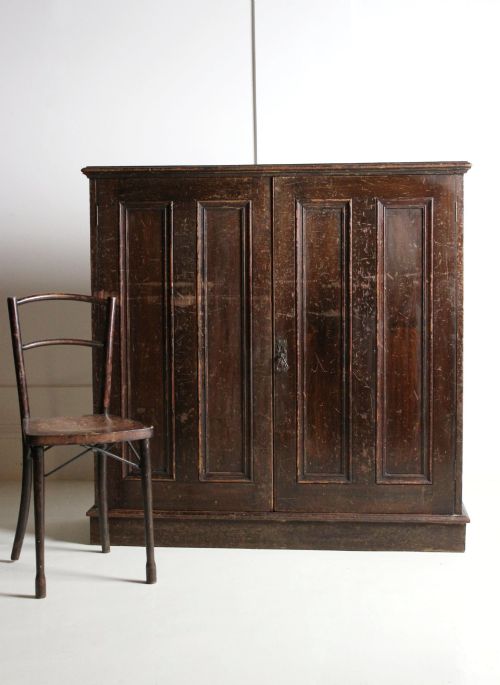
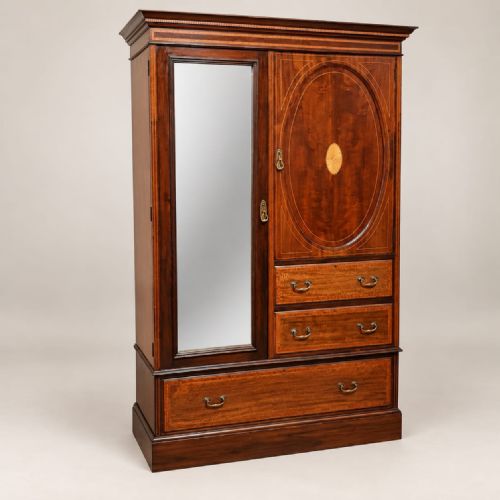
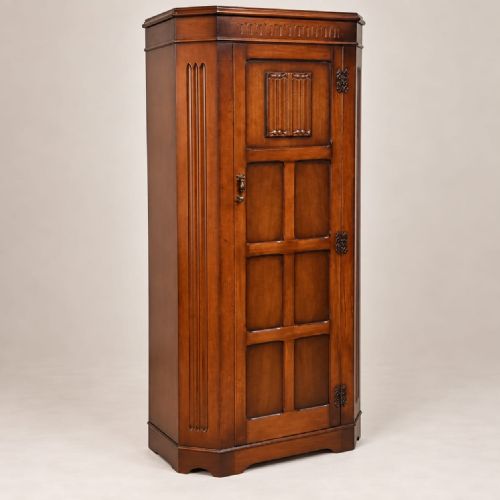
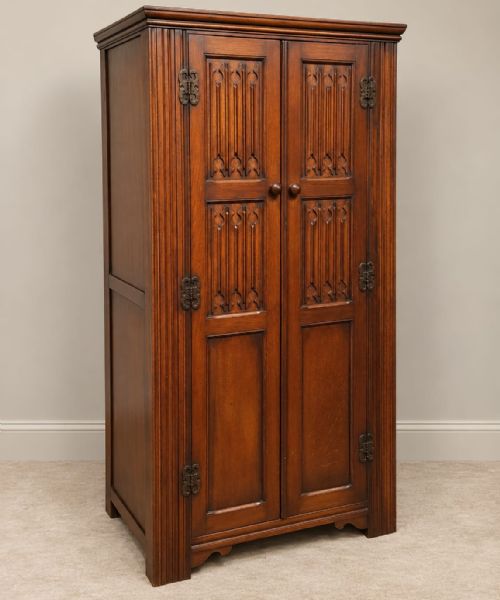

Antique Hall Wardrobe
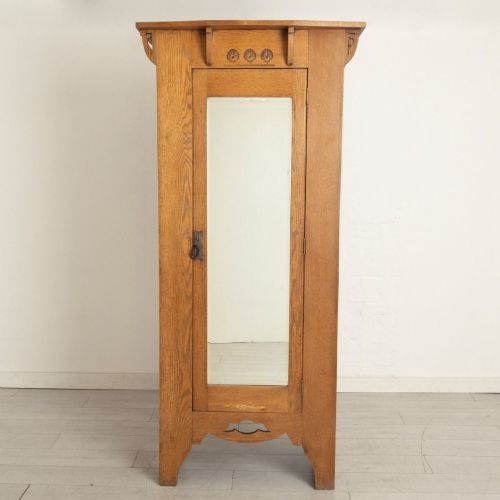
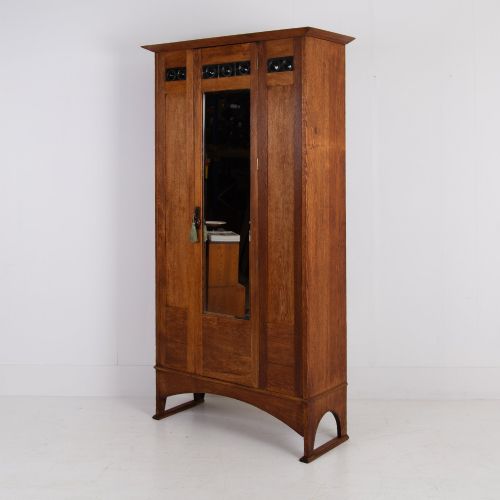
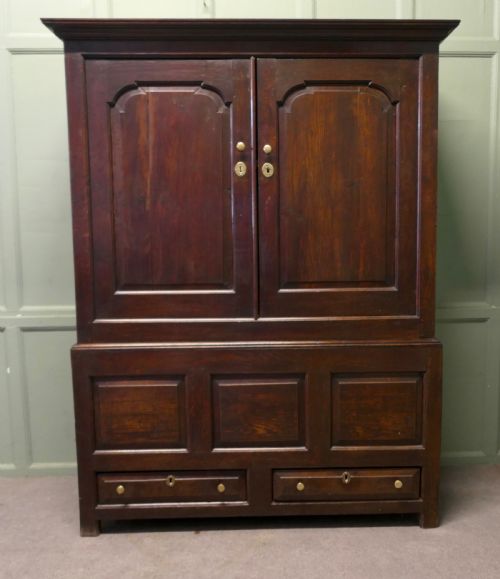
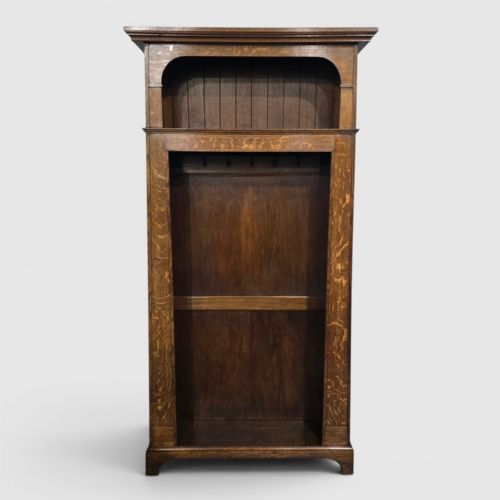
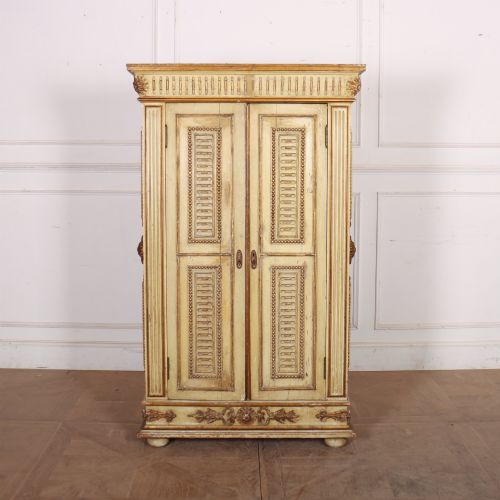
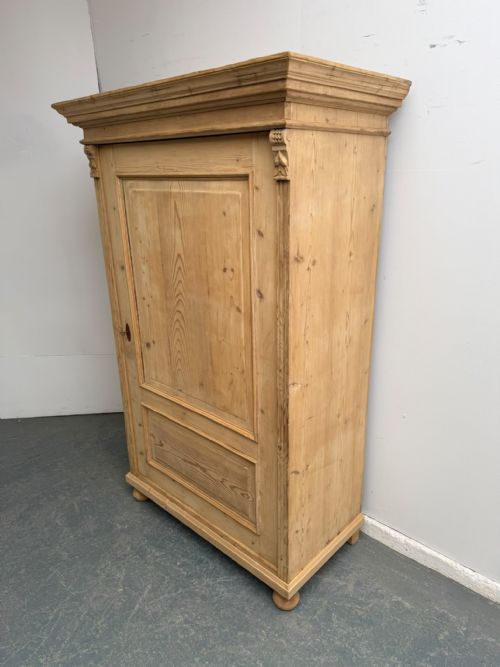
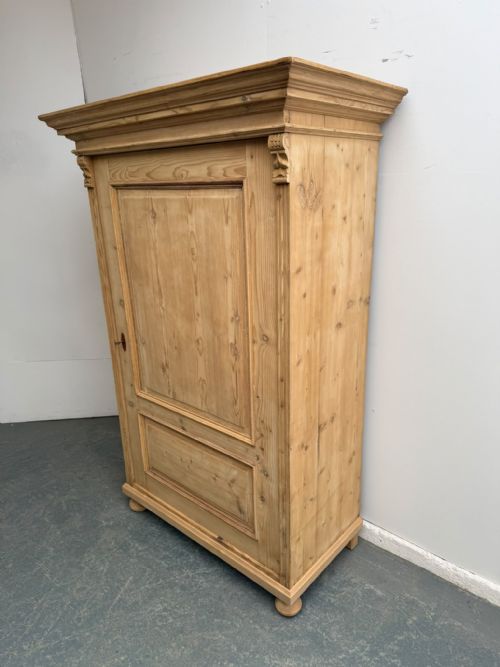
An antique hall wardrobe is a compact timber cupboard designed for entranceways, most commonly found in oak from the early twentieth century or in painted pine from the Victorian and Georgian periods.
The Form and Periods
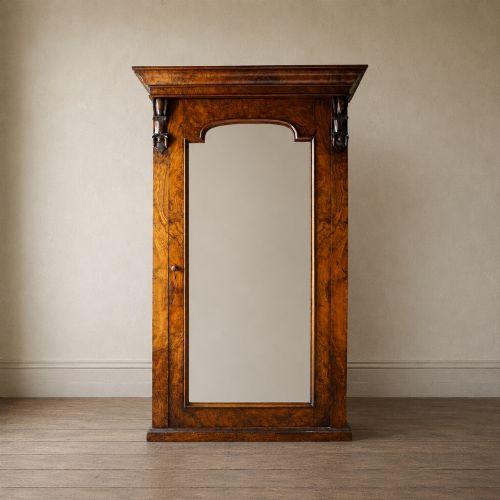
When you search for an antique hall wardrobe, you are looking at narrow storage pieces built to hold coats and outdoor garments in entrance halls and reception rooms. The pieces recorded here span from the seventeenth century through Georgian, Victorian, and Edwardian eras, up to nineteen-twenty.
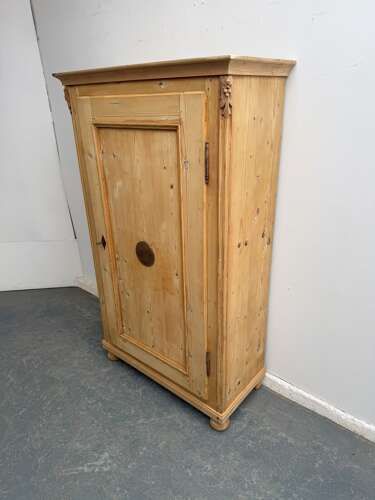
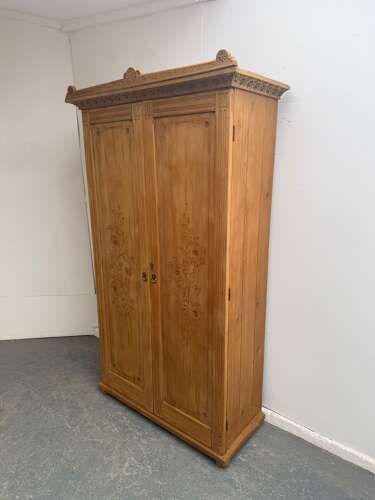
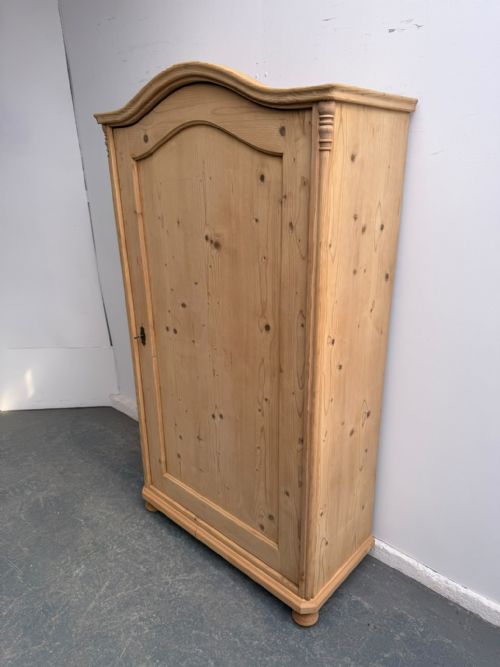
The version you are most likely to meet on this page is an oak or pine single-door cupboard, sometimes with carved decoration, linen fold panels, or painted finishes in black or grey. Alongside standard wardrobes, the selection includes related forms such as hall seats, corner cabinets, and shallow children's wardrobes.
Materials and Construction
Makers built these pieces primarily in solid oak and pine, with occasional examples in mahogany. Hardware incorporated iron, brass, and glass elements to secure doors and hang garments.
Construction methods included panelled doors, linen fold carving, and geometric mouldings. Many pine examples feature painted finishes in grey or black, while oak versions rely on waxed or limed surfaces to display the grain.
One Edwardian oak wardrobe retains carved lion masks keeping watch over the hallway.
Craftsmanship and Origin
The distinction between standard utility cupboards and finer pieces lies in the depth of hand-carved detail, such as Tudor roses or geometric mouldings, and the selection of timber. Pieces produced by named cabinetmakers carry superior joinery and more substantial hardware than anonymous workshop output.
Continental country pieces, including Hungarian examples in pine and oak, exhibit different regional joinery traditions compared to English vernacular furniture. The presence of original paint layers versus later decoration alters the historical integrity of the piece.
Wylie and Lochhead·Gillows·Denby and Spinks
The Antique Hall Wardrobe Glossary
- Linen fold
- A carved wooden panel motif that mimics vertical folds of fabric, frequently seen on oak cupboard doors. This decorative technique has roots in late medieval woodwork.
- Hall seat
- A dual-purpose entranceway item combining storage and seating, often integrated with a cupboard structure. These items served busy reception rooms.
- Continental country
- A term for vernacular furniture originating from European rural workshops outside Britain. These pieces often utilise regional softwoods and distinct painted finishes.
- Geometric oak
- Furniture ornamentation defined by applied mouldings forming repeating geometric patterns across panels. This style recurs on early twentieth-century oak pieces.
Frequently Asked Questions
What is an antique hall wardrobe used for?
These compact cupboards were placed in entrance halls and reception rooms to store coats, hats, and everyday outerwear out of sight.
Their shallow depth allowed them to fit into narrow hallways where standard bedroom wardrobes would block passage.
How do I date an oak hall wardrobe?
Dating relies on stylistic clues such as linen fold carving, geometric mouldings, and Arts and Crafts influences. Pieces marked by specific periods often align with documented construction traits from nineteen hundred to nineteen twenty.
Hardware details like brass hinges and iron fittings also help narrow down the manufacturing decade.
Are painted pine hall wardrobes original?
Many pine examples feature historical painted finishes in black, grey, or light tones applied during the Georgian and Victorian eras. Regional pieces from continental workshops frequently utilised paint to protect and finish softer timbers.
Examining the underlying wood beneath chips or wear reveals the age of the paint layers.
Do hall wardrobes dismantle for moving?
Certain larger or continental pine variations were constructed to dismantle for easier transport between rooms and properties. Most solid oak examples, however, are built as single fixed units with integrated frames.
Checking the internal corners and joints indicates whether a piece separates into modular sections.