


Antique Hall Seating
When you search antique hall seating, you are looking for period furniture designed for entrance spaces, offering both function and architectural presence.
What antique hall seating is
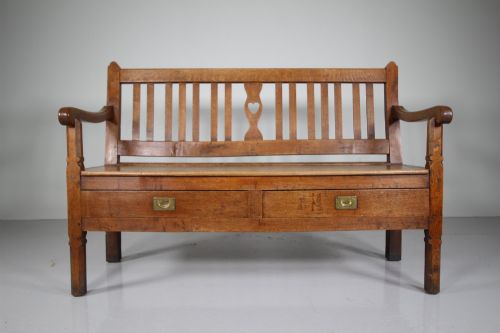
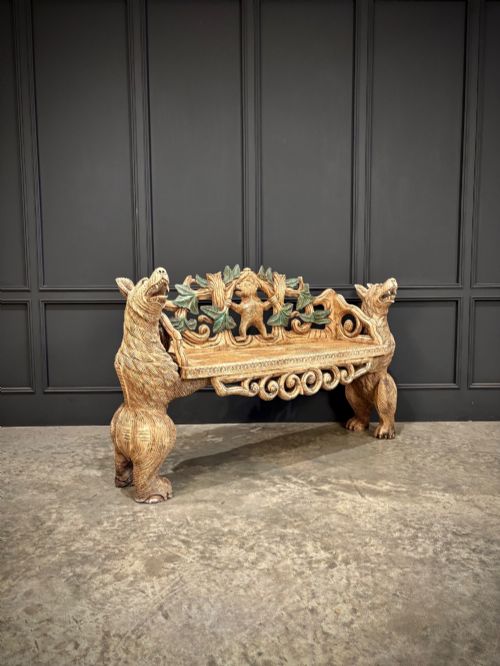
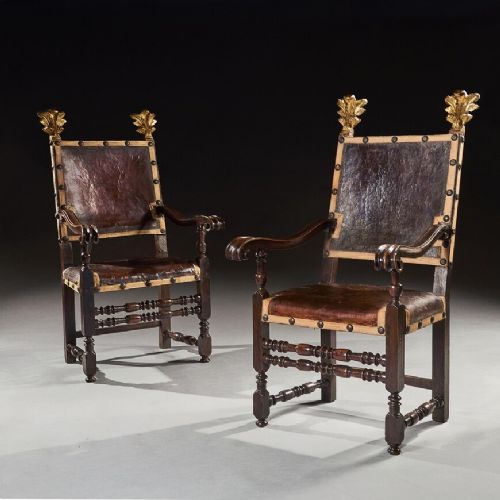
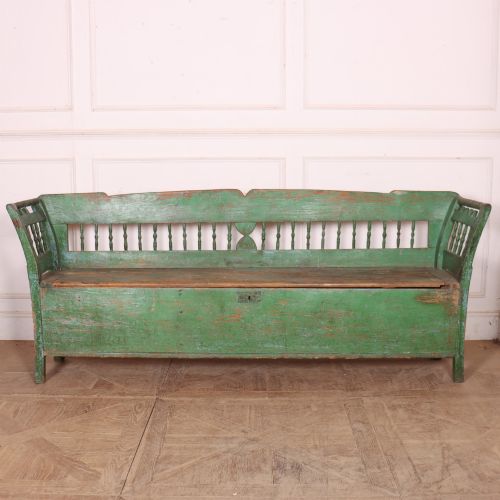
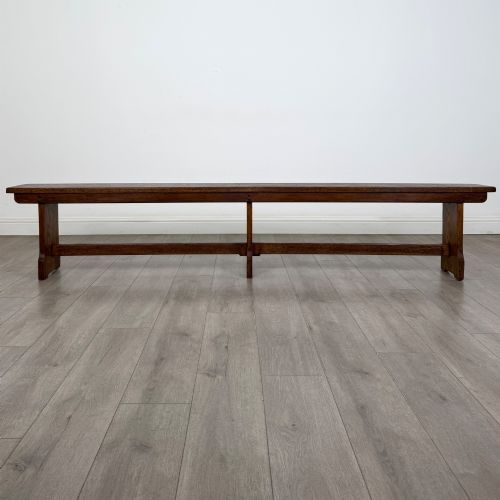
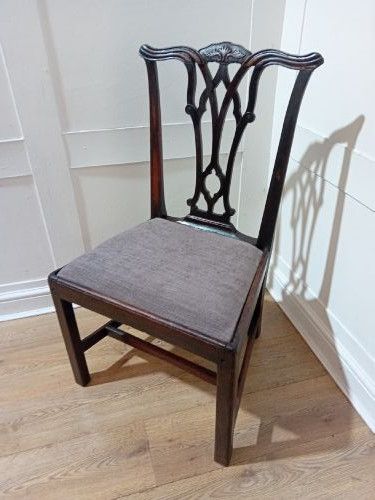
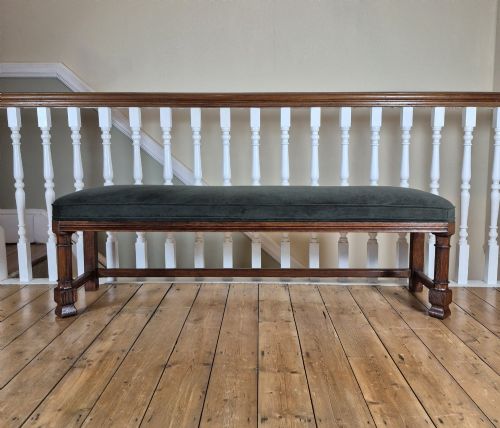
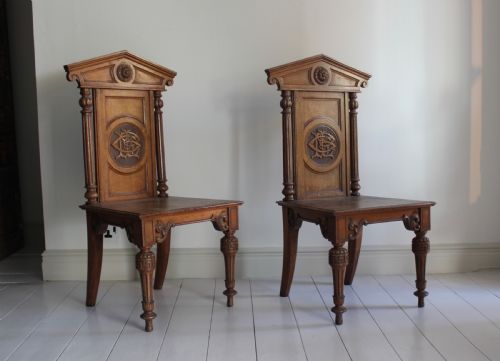
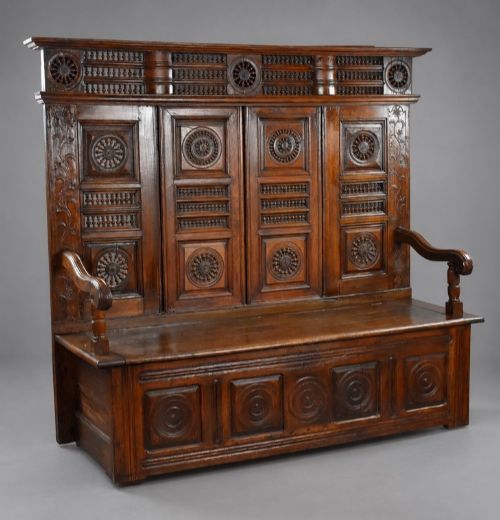
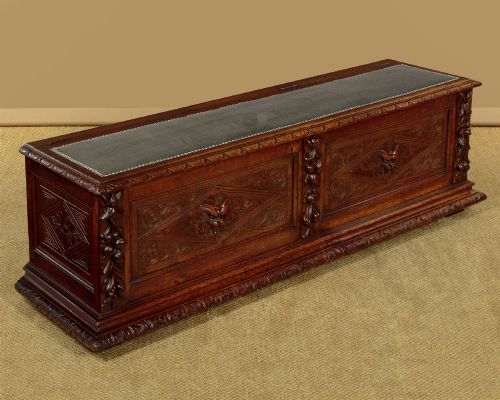
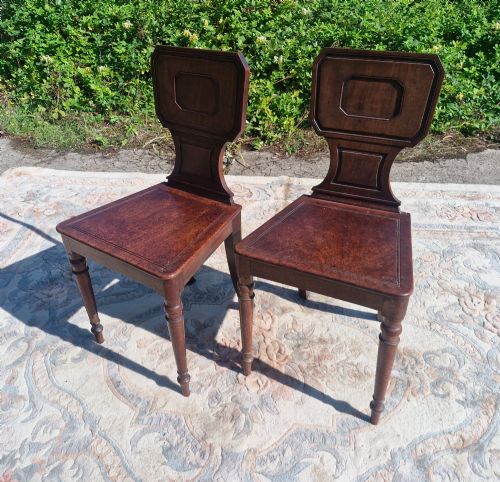
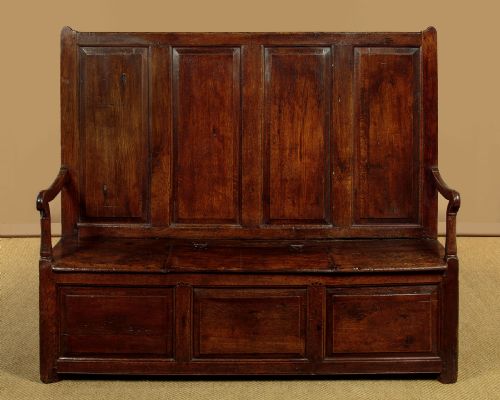
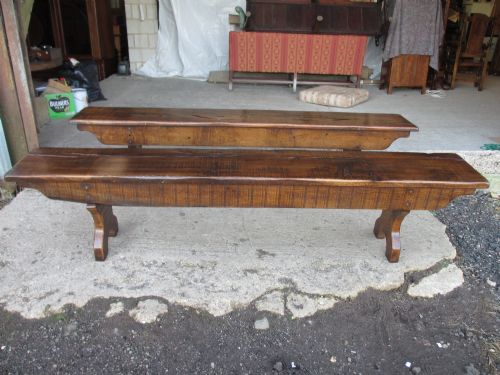
The search for antique hall seating brings up a variety of forms including hall chairs, window seats, hall benches, and armchairs. These pieces emerge from periods such as the 17th Century, 18th Century, Victorian, Georgian, and Regency eras.
You are most likely to meet pairs of chairs or benches on this page. The styles span Jacobean, George II, Victorian Gothic, Regency, French 19th Century, and 19th Century Irish country house designs.
How they were made
The construction utilises timber such as oak, mahogany, walnut, beech, and giltwood. Makers shaped these sturdy materials into rigid forms suited for high-traffic entryways and reception areas.
Surface details and upholstery incorporate textile, leather, and fabric elements. Design execution draws on specific historical vocabularies, including the sgabello form and Pugin style carving.
Retail Price Guide 2026
Typical UK retail prices for hall seating, calculated from the Sellingantiques database of over a million retail prices indexed since 2003. This retail price guide relies exclusively on Sellingantiques data; no external sources or auction records are used, so the figures do not describe the wider market.
Current listings span the seventeenth, eighteenth, and nineteenth centuries, featuring oak, mahogany, walnut, and beech.
What varies in quality
Quality differences lie in the ambition of the design and the execution of the carving. Pieces associated with notable workshops display crisper detail in shield backs and structural joinery than standard output.
The choice of primary timber and secondary woods dictates the visual depth of the piece. Fine grain selection in mahogany or walnut elevates the presence of a hall chair or bench.
Gillows
The Antique Hall Seating Glossary
- Sgabello
- A light, movable wooden chair with a high back and solid trestle supports. This form was popular in the Renaissance and later revived in Georgian design.
- Shield back
- A chair back shaped like a heraldic shield, commonly seen in late 18th Century and Regency seating. This profile requires careful timber shaping.
- Giltwood
- Timber that has been coated with gold leaf or a gold-colored metallic finish. This treatment adds reflective brightness to decorative frames and window seats.
Frequently Asked Questions
What is an antique hall chair?
An antique hall chair is a rigid wooden seat designed for an entrance hall or corridor. These pieces typically lack upholstery and feature prominent wooden backs displaying family crests or decorative carving.
They were intended for brief seating rather than long lounging, often positioned rigidly against walls to impress visitors upon arrival.
How do I use a hall bench today?
Hall benches provide practical seating in modern hallways, mudrooms, or living spaces. Their compact depth allows them to fit narrow passageways without blocking movement.
Pairing a historic bench with contemporary surroundings highlights its architectural lines while retaining daily utility for putting on shoes.
What is a window seat?
A window seat is a long, upholstered or wooden bench designed to fit within a window recess. They offer low seating suited for viewing outward or resting in natural light.
In period interiors, these were placed in galleries or reception rooms where natural light highlighted the woodwork and upholstery.
How do I distinguish 18th century styles?
Eighteenth-century seating style relies on structural proportions and carved ornament. George II pieces often display heavy architectural framing and sgabello influences.
Regency designs transition toward lighter classical motifs, incorporating shield backs and refined mahogany turning that reflect neoclassical taste.