





Antique Hall Runner Rug
An antique hall runner rug brings linear character and enduring floor covering to a narrow space.
Antique Hall Runner Rug
An antique hall runner rug is a long, narrow carpet designed specifically for corridors, hallways, and landings. These floor coverings bridge rooms while adding texture and warmth to transitional spaces in a home.
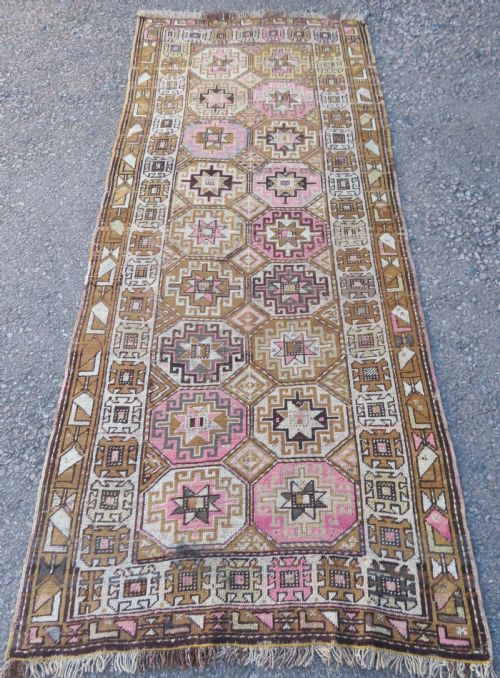
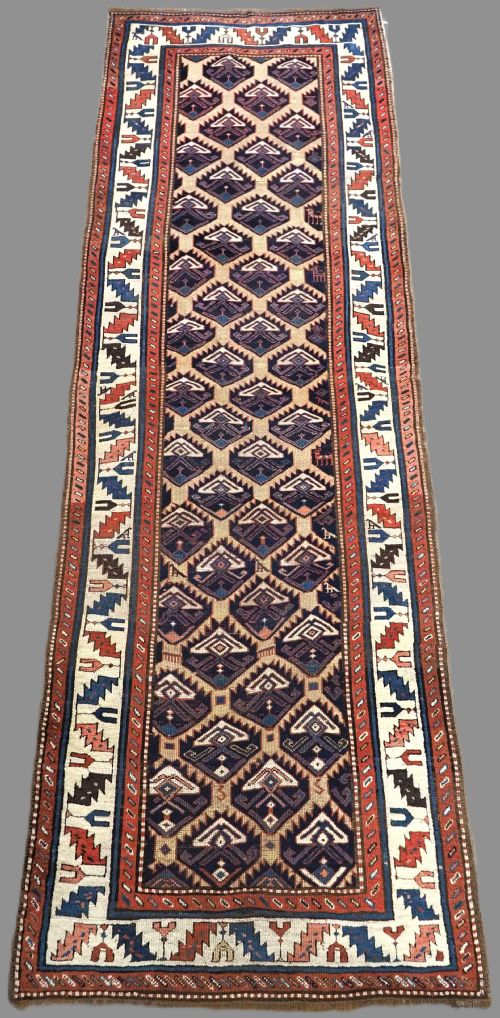
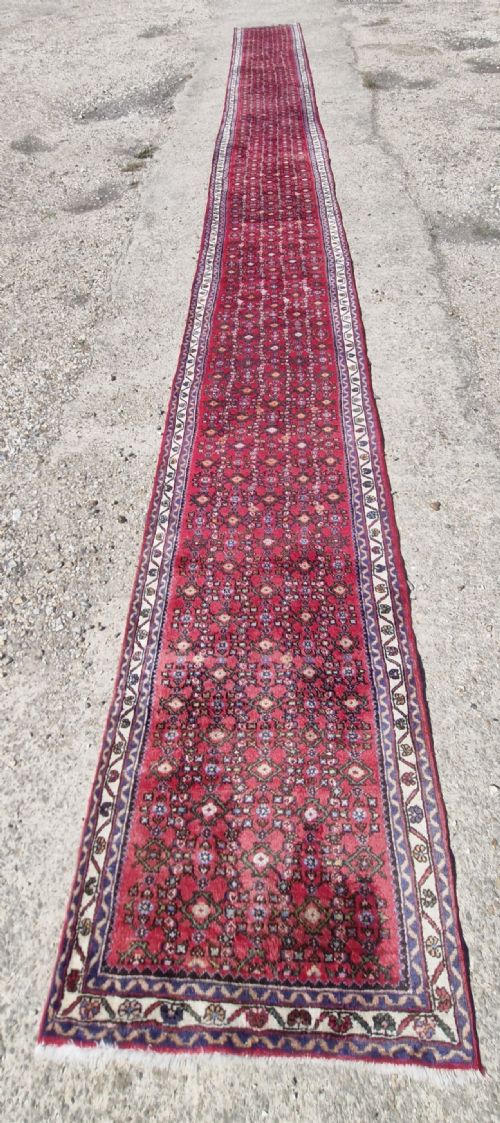
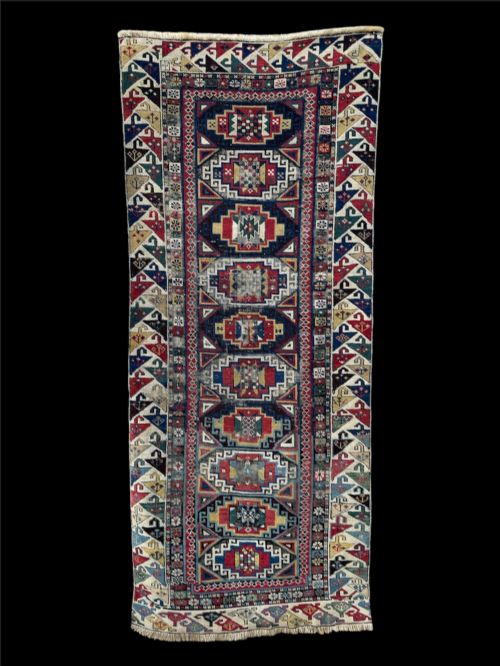
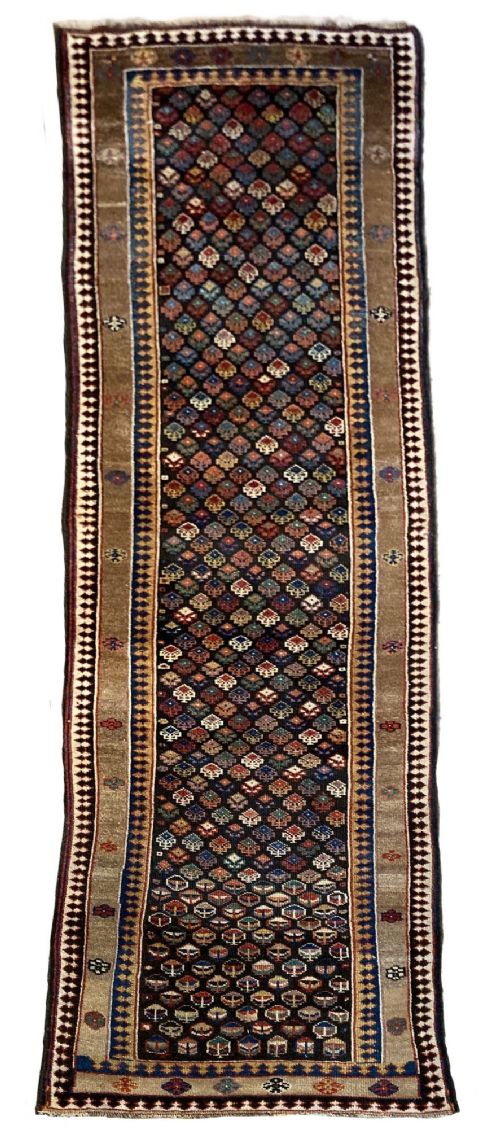
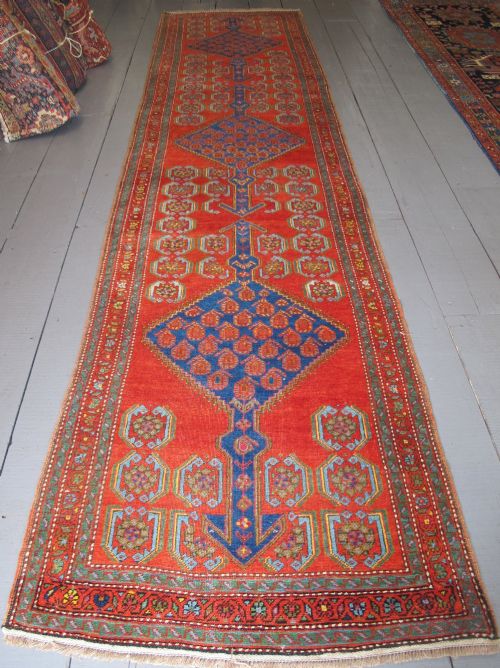
The pieces seen here span the nineteenth and twentieth centuries, including examples from Persian and Caucasian weaving traditions. Buyers encounter regional village and tribal formats such as Heriz, Kurdish, Gendje, and Shirvan runners.
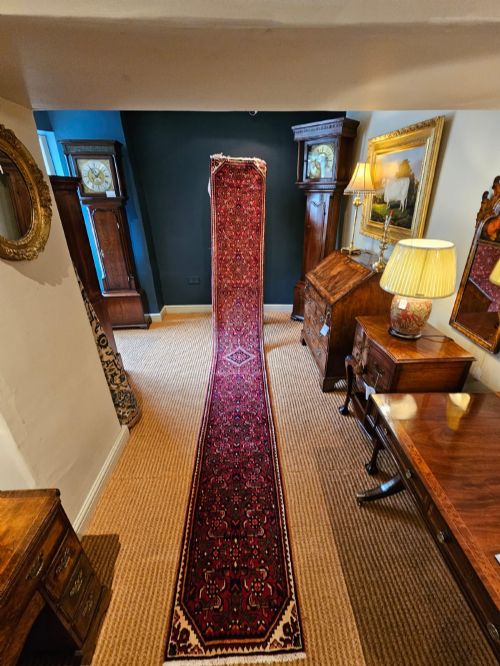
Makers utilised traditional narrow formats to fit domestic architecture where standard broad carpets proved impractical. The resulting formats range from concise corridor lengths up to extensive spans of thirty feet or more.
How they were made
Materials rely predominantly on hand-spun wool and cotton, occasionally incorporating camel hair for natural tones and durability. These fibres form resilient piles knotted onto sturdy foundation warps and wefts.
Natural dyes provide the enduring palette seen across these pieces, yielding rich tones from organic sources. Weavers executed geometric medallions, lattice patterns, and boteh motifs by hand knotting wool yarn strand by strand.
Listings feature wool, cotton, camel hair, and natural dyes across pieces dated from the nineteenth and twentieth centuries.
What varies in quality
Quality differentiates through the fineness of the knotting and the precision of the geometric or tribal design execution. Tighter knots allow intricate patterns such as lattice work and boteh motifs to render with greater clarity.
The integrity of the wool pile and the depth of the natural dyes separate standard village pieces from exceptional tribal examples. Greater handle flexibility and resilient construction indicate superior baseline materials from the period.
The Antique Hall Runner Rug Glossary
- Runner
- A long, narrow carpet format designed for corridors, hallways, and staircases. It directs movement through narrow domestic spaces.
- Boteh
- A stylised almond or teardrop motif of Persian origin frequently woven into tribal and village rugs. It represents a floral or cypress sprout.
- Warp
- The vertical threads stretched lengthwise on the loom that carry the structural foundation of the rug. Fringe ends typically originate from these parallel strands.
- Weft
- The horizontal threads passed across the warp strands to secure the rows of knots in place. This contributes to the structural firmness of the weave.
- Pile
- The upright cut or looped wool surface of the rug that receives foot traffic. Hand-spun wool forms the soft, durable wear layer.
Antique Hall Runner Rug: Frequently Asked Questions
Where should I place a runner rug?
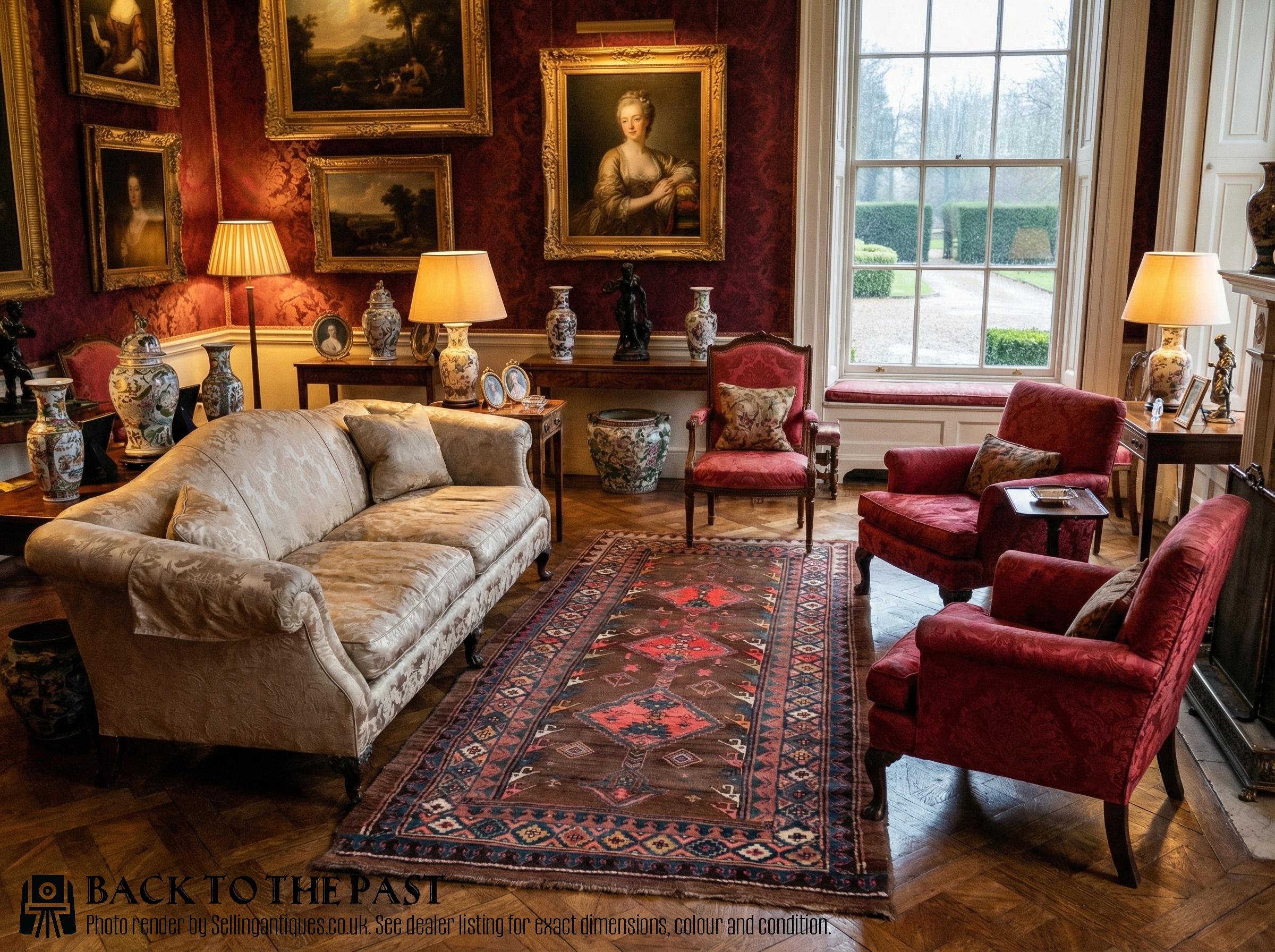
These narrow formats suit corridors, entrance halls, and long landings where linear floor covering works best. They soften wooden floorboards while protecting high-traffic pathways.
Measuring the exact corridor width and length ensures clearance for doors and skirting boards before positioning the carpet.
How do I identify a Caucasian runner?
Caucasian pieces typically display sharp geometric medallions, angular motifs, and saturated primary colour palettes. These village weaves originate from regions such as Shirvan, Gendje, and Kazak.
Their distinct structural traits and tribal motifs separate them from larger Persian workshop carpets.
What materials are used in these rugs?
Most pieces combine hand-spun wool piles with cotton foundations, whilst select tribal examples utilise camel hair. Natural dyes supply the underlying coloration across the historical spectrum.
These organic materials give vintage runners their characteristic soft handle and enduring strength.
How do I care for an antique runner?
Gentle regular vacuuming without a rotating brush roll prevents dust accumulation within the wool pile. Professional cleaning maintains the integrity of natural dyes and hand-spun fibres.
Using a quality underlay prevents slippage and reduces friction against the floorboards underneath.