

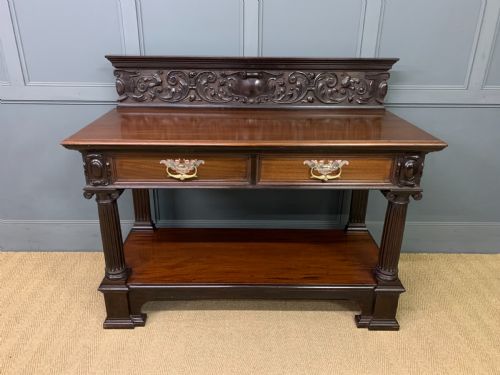
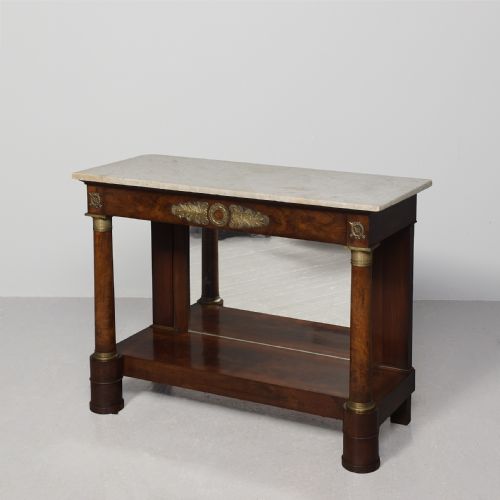
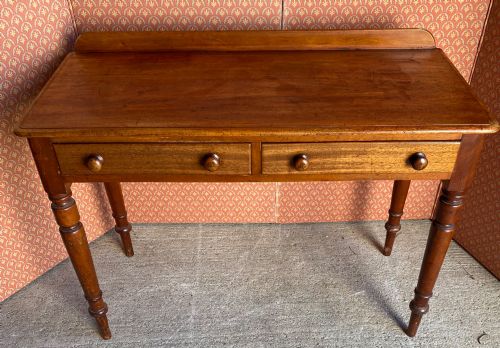
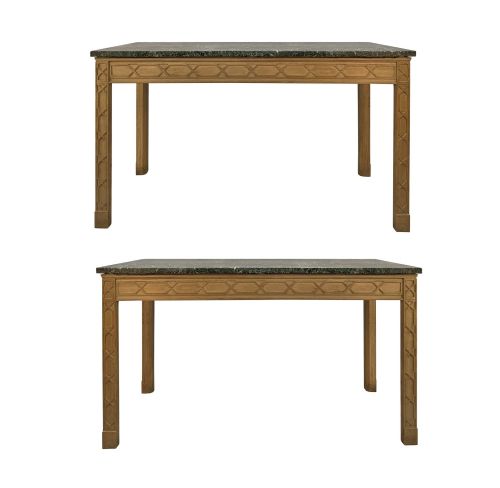

Antique Hall Console Sideboard
An antique hall console sideboard provides a solid surface and practical storage in a narrow space, drawing on centuries of woodcraft and marble work.
Antique Hall Console Sideboard
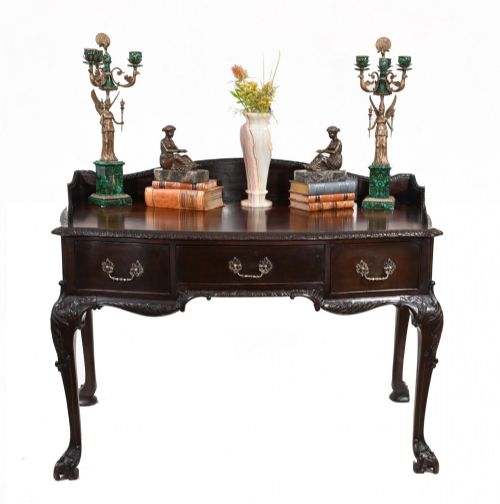
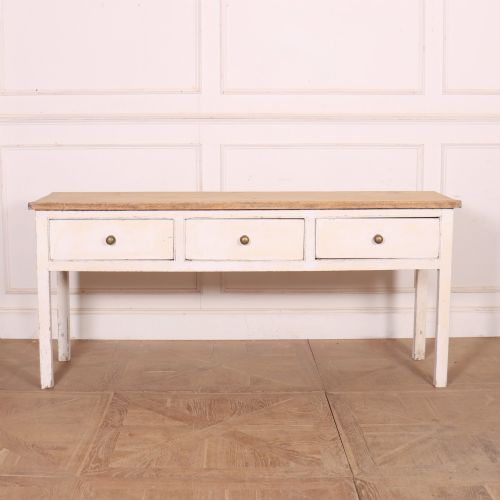
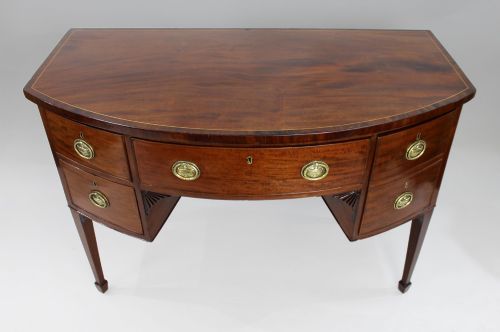
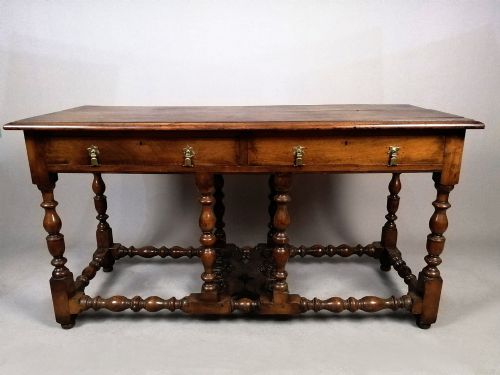
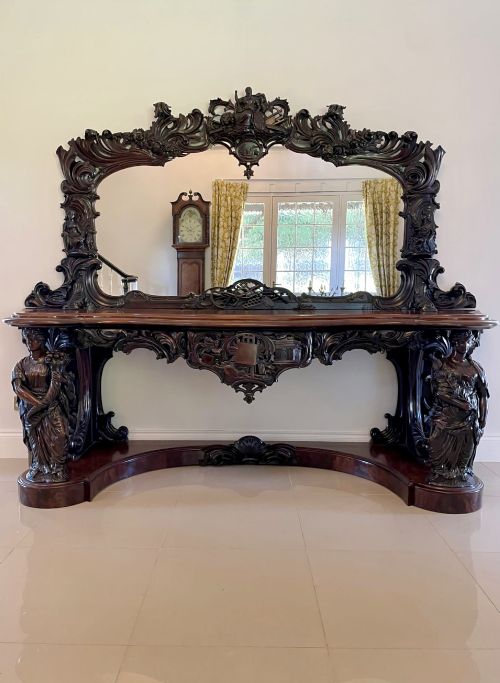
When searching for an antique hall console sideboard, buyers encounter a diverse mix of side tables, serving tables, and dresser bases designed for corridors and living spaces. These forms stretch across multiple centuries, including Georgian and Victorian periods, fulfilling the traditional need for surface display and concealed storage.
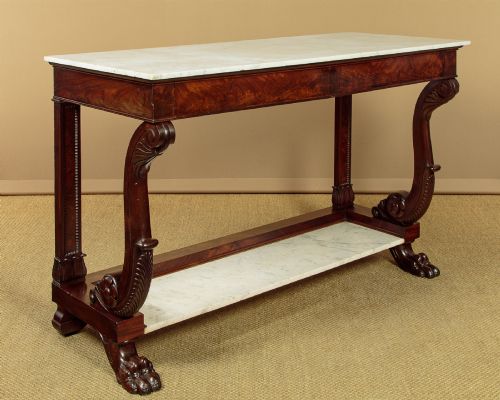
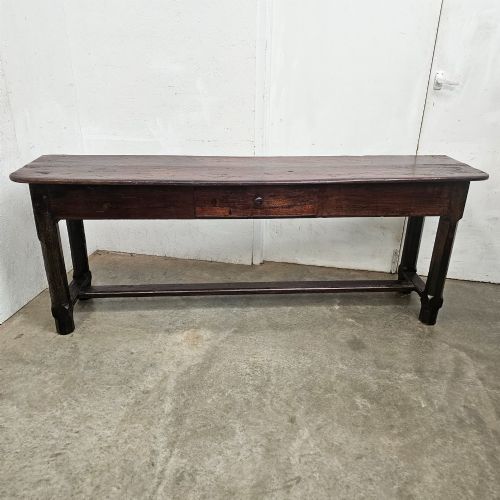
The most common versions on this page are mahogany and oak pieces from the 19th century, alongside French marble-top tables and regional dresser bases. These items range from compact writing desks and washstands to large serving sideboards.
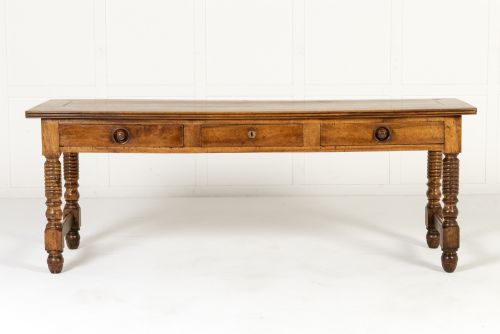
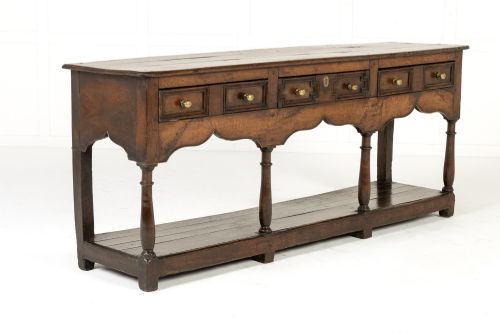
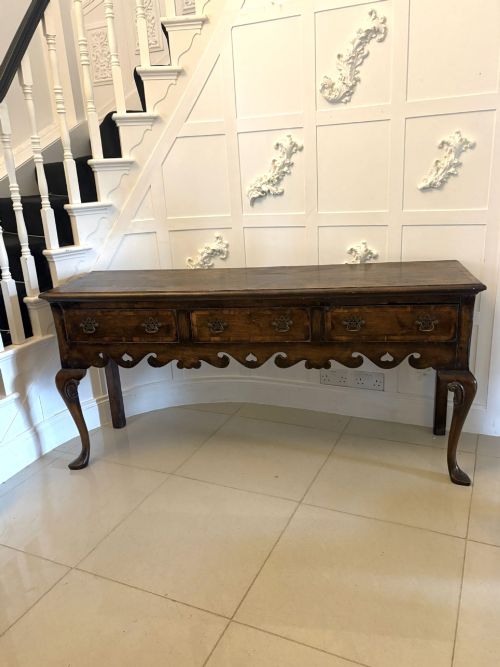
Regional variations appear frequently, such as Welsh oak dresser bases and French fruitwood or walnut consoles. Buyers select these items to anchor an entrance hall or dining room with period character and utility.
Materials and construction methods
Cabinet makers utilised dense hardwoods like mahogany, walnut, and oak to construct the frames and drawers of these console sideboards. Pine and fruitwood also appear in regional pieces and carcase construction, often paired with hand-cut dovetails.
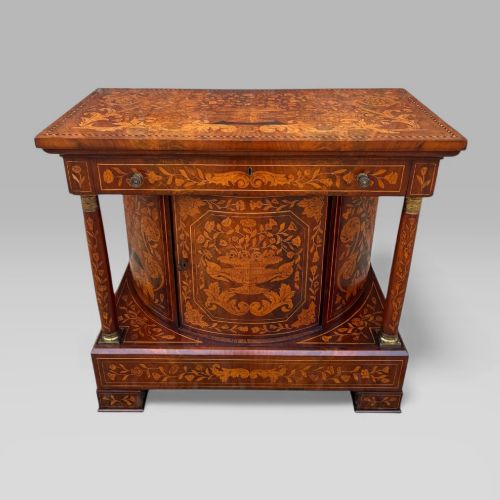
Surface treatments include polished mahogany veneers, painted finishes, and elaborate marquetry inlay. Many console tables feature heavy marble tops set directly onto the timber framing, sometimes secured with brass mounts.
Antique Hall Console Sideboard Retail Price Guide 2026
Typical asking prices for hall console sideboard among the pieces listed under this phrase on Sellingantiques today, from the lower quarter to the upper quarter. They describe what is for sale here now, not the wider market.
Listings feature oak, mahogany, walnut, and pine across Georgian, Victorian, and Edwardian periods.
Factors that separate examples
Quality rests in the crispness of hand-carved details, such as cabriole legs and geometric mouldings, versus machine-cut uniformity. Timber selection also dictates the tier, with figured burr walnut and dense old-growth mahogany sitting above standard pine.
Structural integrity depends on original joinery, timber stability, and the preservation of secondary woods in the drawers and backs. Integration of heavy marble slabs and brass mounts without modern replacement parts marks higher grade pieces.
The Antique Hall Console Sideboard Glossary
- Dresser base
- A low wooden storage unit featuring drawers and sometimes a lower potboard shelf, historically used in kitchens and halls.
- Console table
- A table designed to stand against a wall, frequently secured to it or supported by decorative brackets and legs.
- Marquetry
- The art of applying pieces of veneer to a structure to form decorative patterns and pictures.
- Potboard
- An open slatted lower shelf on a dresser base, traditionally used for storing pots and pans.
- Chiffonier
- A compact sideboard or cabinet featuring a raised shelf or mirror back, popular during the Victorian era.
Antique Hall Console Sideboard: Frequently Asked Questions
Where should I place a console sideboard?
These pieces suit narrow corridors, entrance halls, and dining rooms where surface space is required without a deep footprint.
Their shallow proportions allow them to sit flat against a wall behind seating or beneath mirrors.
How do I care for a marble top?
Marble surfaces require wiping with a damp cloth and mild soap, avoiding acidic cleaners that etch the polished stone.
Using coasters and mats protects the porous material from staining and water rings.
What is the difference between a console and a dresser base?
Consoles are primarily decorative tables meant to stand against walls, occasionally featuring a single drawer.
Dresser bases are heavier timber storage units built with multiple drawers and lower shelving for functional utility.
Can I use an antique washstand in the hall?
Washstands adapt well to modern hallways because their compact dimensions mirror those of small console tables.
Many retain marble tops and splashbacks that protect corridor walls from damp coats or keys.