


Antique Haberdashery
Antique haberdashery gathers commercial storage cabinets, banks of drawers, and sewing implements designed for textiles and trade.
Antique Haberdashery
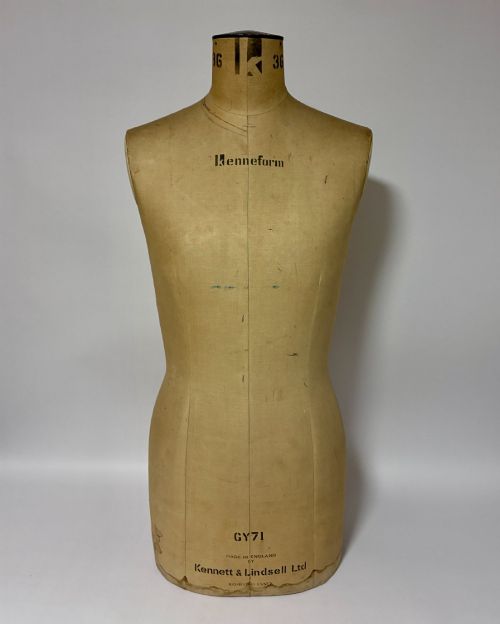
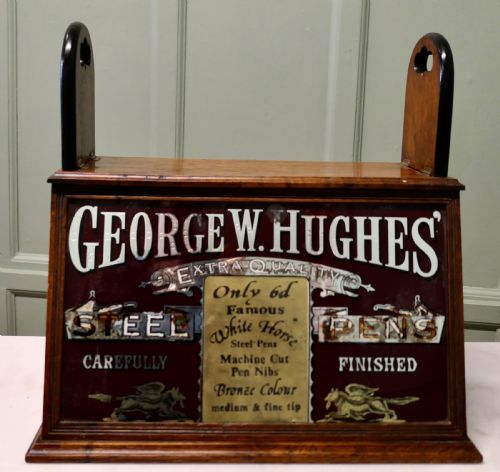
Antique haberdashery encompasses utilitarian shop fittings and personal sewing items spanning the nineteenth century through the early decades of the twentieth century. Buyers seeking this phrase encounter multi-drawer cabinets, glass-fronted display cases, and small sewing accessories like pin cushions and thread holders.
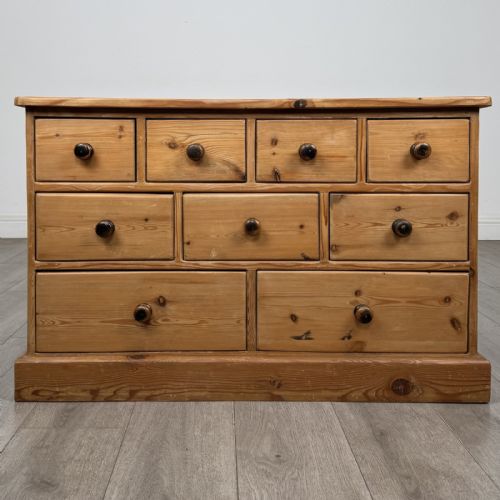
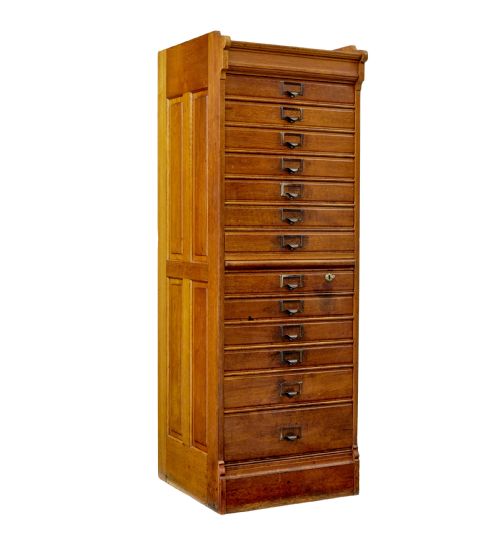
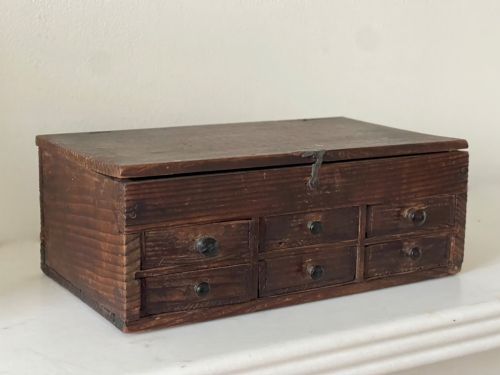
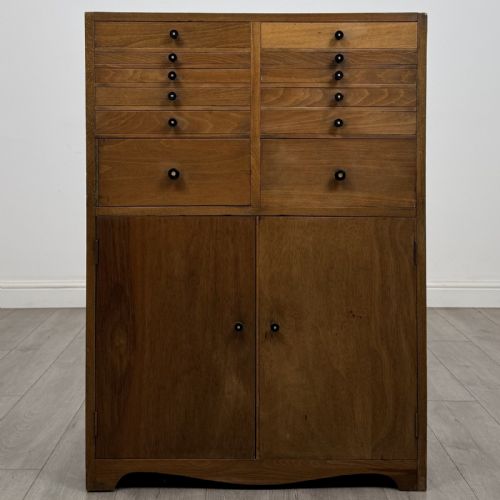
The most common large items on this page are banks of drawers constructed for commercial storage in drapery shops and mercantile stores. These functional units range from pine and oak storage chests to mahogany countertop display cabinets and tall filing chests.
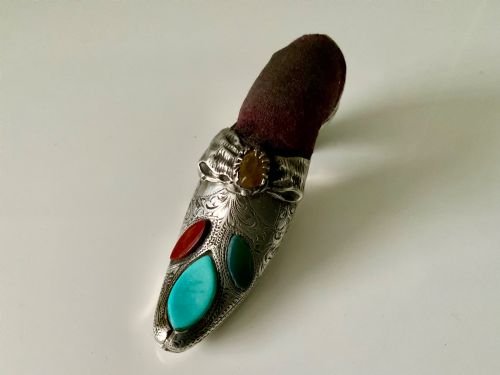
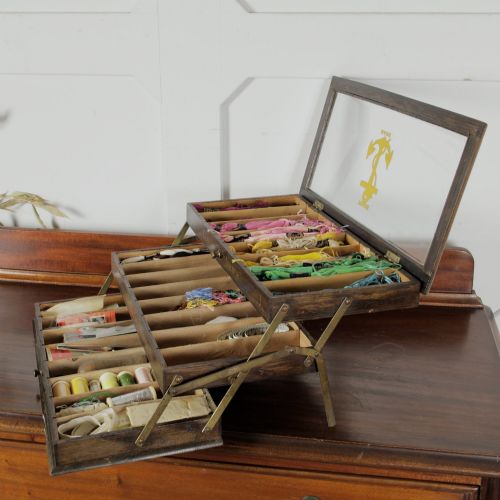
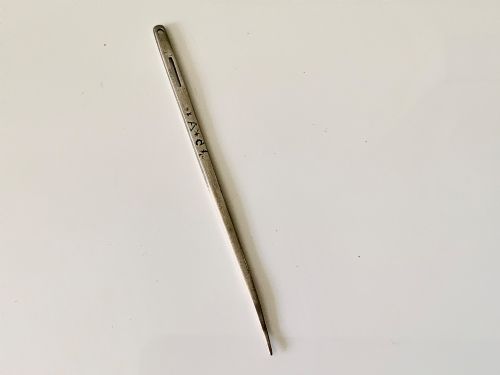
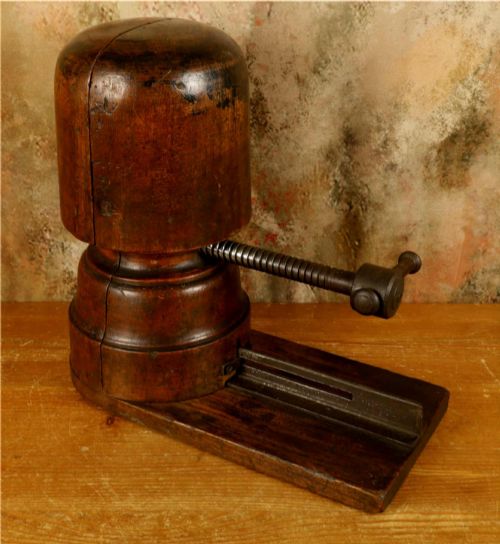
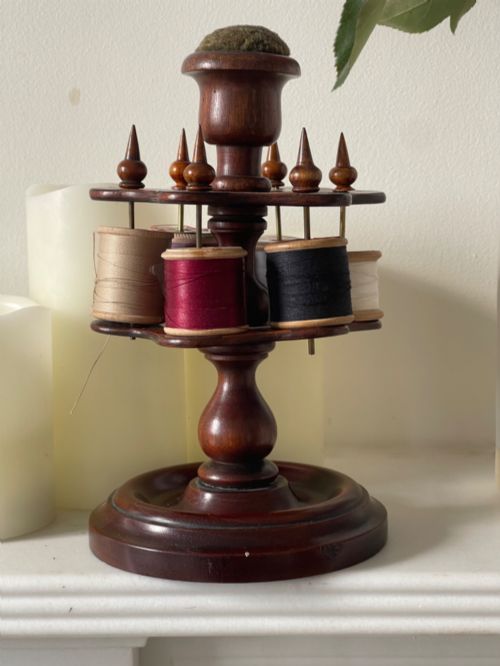
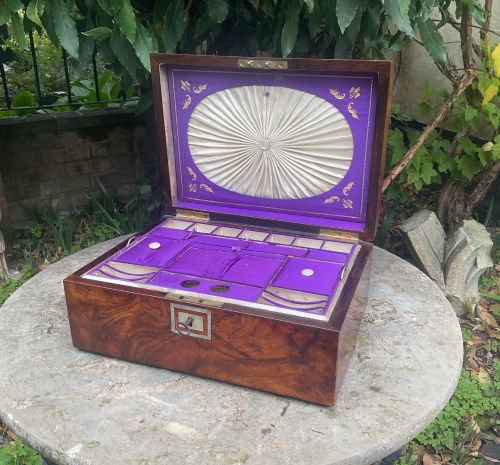
Smaller personal pieces include silver pin cushions shaped as chairs and lamps, alongside wooden sewing boxes and hat stretchers. These objects reflect both the large-scale commercial trade of textiles and the domestic practice of needlework.
How they were made
Makers utilised solid timbers including oak, mahogany, pine, walnut, and fruitwood to build robust commercial furniture and smaller storage boxes. Drawer units feature sturdy dovetail joints and practical hardware such as brass label holders and shell pulls designed for heavy daily use in shops.
Glass panels and iron or brass fittings appear on display cabinets and jewellers chests, while delicate items incorporate sterling silver and silk linings. Surface finishes vary from polished mahogany to painted pine and distressed shop surfaces.
Antique Haberdashery Retail Price Guide 2026
Typical asking prices for haberdashery among the pieces listed under this phrase on Sellingantiques today, from the lower quarter to the upper quarter. They describe what is for sale here now, not the wider market.
Listings feature woods including oak, pine, mahogany, and walnut alongside brass, iron, and sterling silver.
What varies in quality
Quality in antique haberdashery depends on the integrity of the original construction and the survival of working components like label holders and pulls. Dense hardwoods such as mahogany and oak denote higher commercial grade than simpler utility pine.
Pieces bearing maker signatures or specific mercantile provenance command greater interest than unmarked utilitarian storage. The presence of original glass, unpainted surfaces, and complete banks of numerous matching drawers elevates the standing of a piece.
F. Sage and Co·Dudley and Co
The Antique Haberdashery Glossary
- Bank of drawers
- A multi-drawer cabinet originally used in shops or offices for systematic storage. These units often feature numerous shallow compartments for small goods.
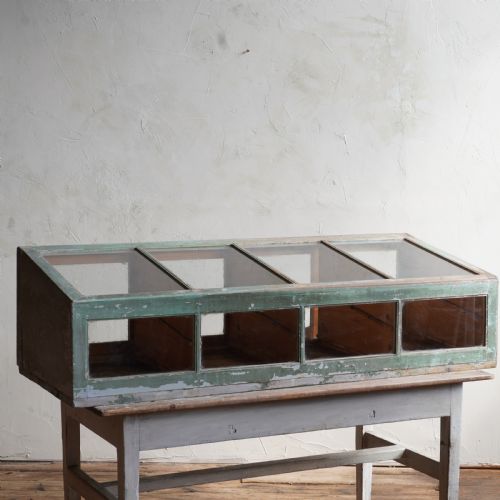
- Shop display cabinet
- A glazed wooden cabinet designed for counters or walls to exhibit merchandise to customers. These cases protect goods while maintaining visibility.
- Pin cushion
- A small stuffed object or silver figurine used to hold sewing pins. Silver examples from this trade often take whimsical shapes such as animals or furniture.
- Hat stretcher
- A wooden device used by milliners to shape and size hats. These mechanical tools expand to stretch headwear during manufacture or retail.
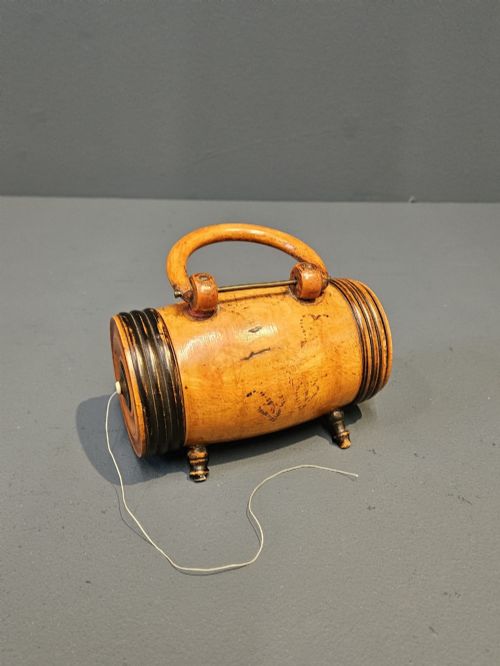
- String barrel
- A turned wooden container designed to hold and dispense twine or string. They feature a central aperture for the cord to pass through cleanly.
Antique Haberdashery: Frequently Asked Questions
What is antique haberdashery?
Antique haberdashery comprises commercial shop fittings, multi-drawer storage units, and sewing tools used in the textile trade and domestic needlework.
These pieces date primarily from the Victorian and Edwardian eras, encompassing large pine or mahogany drawer banks and delicate silver sewing accessories.
How were drawer units used?
Merchants utilised banks of drawers in drapery shops and stores to organise ribbons, buttons, threads, and small fabrics by size and colour.
Label holders on the drawer fronts allowed shopkeepers to locate specific stock quickly during busy trading hours.
How do I style a cabinet?
Commercial drawer units and display cabinets adapt well to modern kitchens, studies, and living spaces for organising collections or tableware.
Their robust timber construction and numerous compartments provide practical storage while adding industrial or period character to a room.
How do I identify periods?
Victorian and Edwardian pieces show distinct timber choices and hardware styles, moving from darker polished mahogany to lighter oak and industrial iron.
Construction methods like hand-dovetailing and original brass drawer pulls help distinguish nineteenth-century examples from later twentieth-century items.