
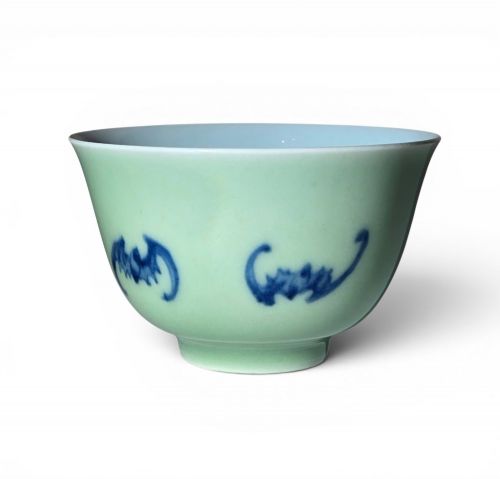

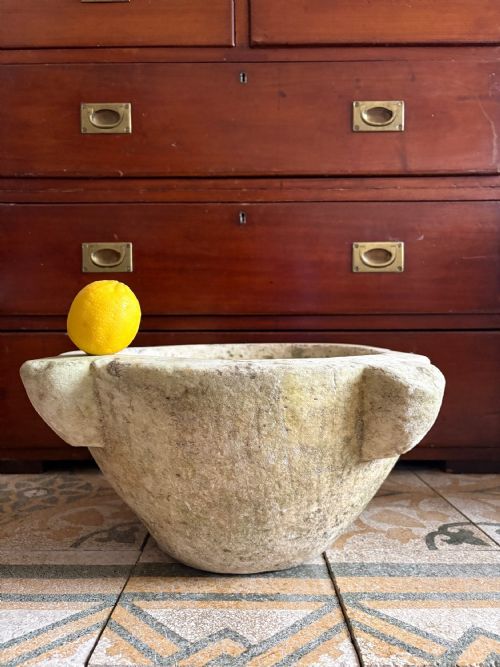


Antique Grinding Bowl
An antique grinding bowl is a heavy vessel used for crushing materials, offering tangible history and enduring practical utility.
Antique Grinding Bowl
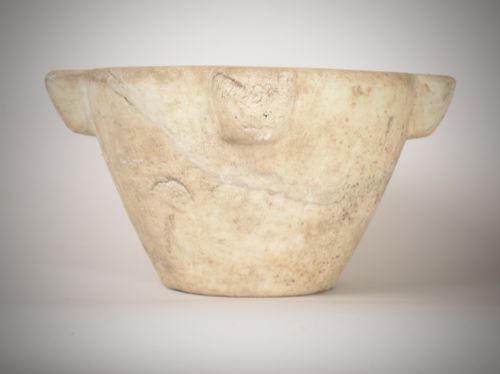
When you search for an antique grinding bowl, you encounter heavy kitchenware and apothecary vessels designed for crushing and pulverising substances. The selections here span sturdy domestic implements and utilitarian workshop tools.
The most common iterations on this page are mortars and pestles originating from the seventeenth, eighteenth, and nineteenth centuries. These pieces reflect centuries of kitchen and laboratory preparation.
Origins vary from English workshops to continental European centres, encompassing styles from rustic country to Georgian and Gothic revival. Each piece demonstrates the specific domestic or industrial demands of its period.
Materials and construction methods
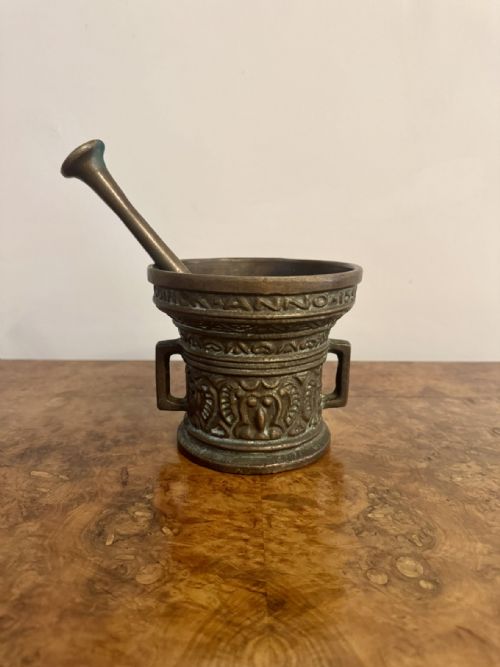
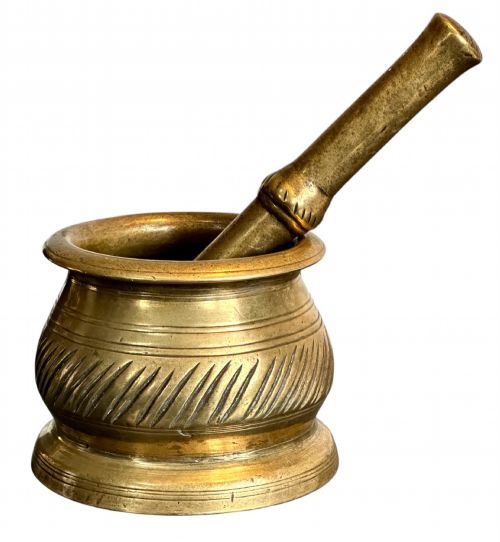
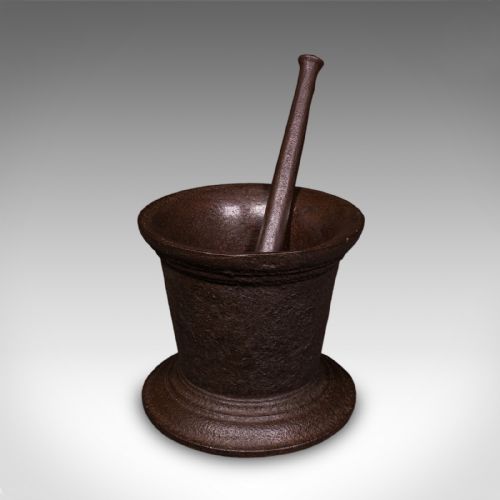
Metalworking dominates the metallic vessels, with bronze and brass cast to create thick, weighty walls capable of withstanding heavy impact from matching pestles. These metal pieces often display surface patination gained through decades of active use.
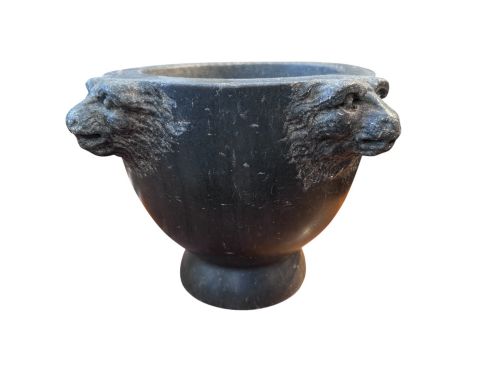
Stone and ceramic versions utilise dense materials such as marble, basalt, and turned lignum-vitae wood. Craftsmen shaped these hard substances through meticulous carving and turning to produce durable receptacles for daily labour.
Listings feature hard materials including bronze, brass, marble, basalt, and lignum-vitae across seventeenth, eighteenth, and nineteenth-century periods.
Distinctions in quality and execution
Material density and weight establish the primary tier of quality, as heavier stone and cast bronze specimens indicate serious utilitarian purpose rather than decorative imitation. Scale also dictates standing, with substantial diameter vessels commanding greater presence.
The precision of the turning or casting work separates standard kitchenware from superior workshop pieces. Crisp surface details, balanced proportions, and surviving original pestles elevate the standing of an individual vessel.
The Antique Grinding Bowl Glossary
- Mortar
- A heavy bowl or vessel used with a pestle for pounding and grinding substances. They appear in metal, stone, ceramic, and wood.
- Pestle
- A heavy tool with a rounded end used for crushing and grinding materials against the interior of a mortar.
- Apothecary
- Relating to the preparation and sale of medicines and drugs, a common original context for surviving bronze and brass mortars.
- Lignum-vitae
- A dense, hard wood derived from trees of the genus Guaiacum, utilised for turned wooden mortars capable of enduring heavy impact.
- Basalt
- A dense volcanic rock utilised by period craftsmen to carve durable grinding vessels with dark coloration.
Antique Grinding Bowl: Frequently Asked Questions
What were antique grinding bowls used for?
These vessels served kitchens, apothecary shops, and dye-making workshops for crushing herbs, spices, minerals, and chemical ingredients.
Their thick walls and heavy pestles allowed operators to reduce hard substances into fine powders or pastes through manual friction and impact.
How do I date a bronze mortar?
Datation relies on stylistic markers such as moulded ribbing, Tudor rose motifs, or Gothic arches cast directly into the metal surface.
Examining the casting texture and wear patterns also helps determine whether a piece originates from the seventeenth century or later revival periods.
Can I still use an antique mortar?
Many stone and metal vessels remain structurally robust enough for culinary tasks like grinding spices or making pestle pastes.
Buyers should verify the material composition and interior condition to ensure no harmful residues or unstable fractures exist before food preparation.
Are wooden mortars durable?
Turned wooden examples utilise dense timbers like lignum-vitae designed to withstand the physical stress of repeated pounding.
Proper oiling and moisture control preserve the wood against splitting over centuries of environmental changes.