





Antique Grey Side Cabinet
An antique grey side cabinet brings subtle painted charm and practical storage to a room, drawing on French, Swedish, and English traditions.
Antique Grey Side Cabinet
An antique grey side cabinet covers a range of compact storage forms including bedside tables, small chests of drawers, cupboards, and washstands. These pieces serve practical functions in bedrooms and living spaces while offering decorative painted or polished surfaces.
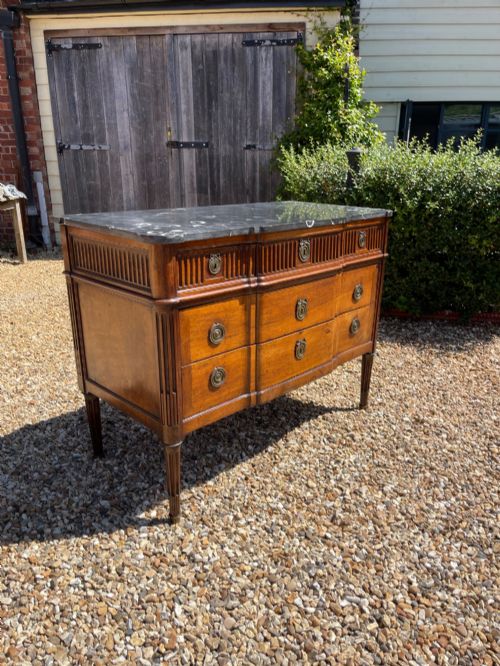
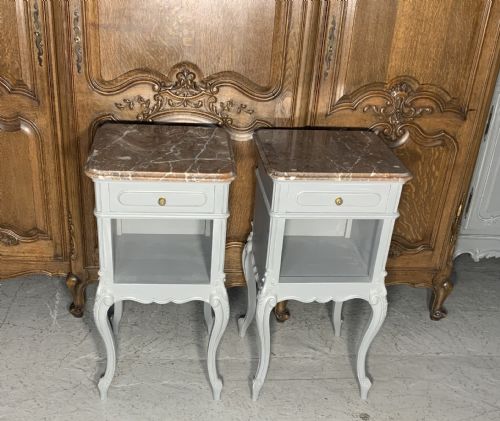
Buyers encountering this search phrase will find that items vary widely in form, from marble-topped commodes and night tables to glazed display cabinets and linen cupboards. Painted wood finishes in light grey sit alongside natural walnut and mahogany timbers, providing diverse options for modern interiors.
Materials and construction methods
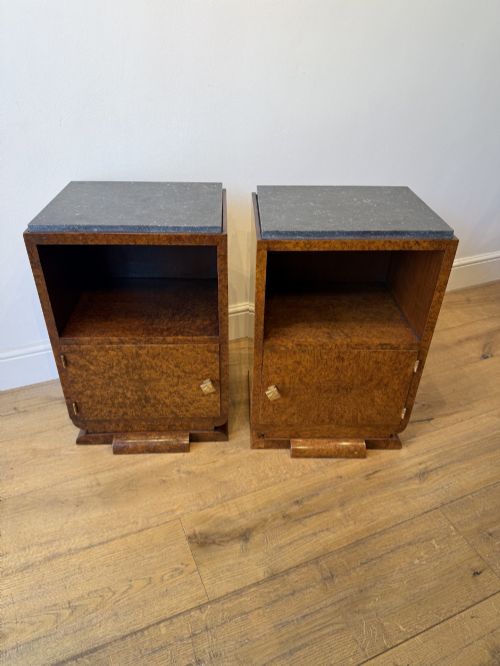
Cabinet makers utilised a variety of solid timbers and veneers, including cherrywood, pine, walnut, burr elm, and mahogany. These foundational woods were frequently painted, layered with decorative finishes, or fitted with contrasting panels.
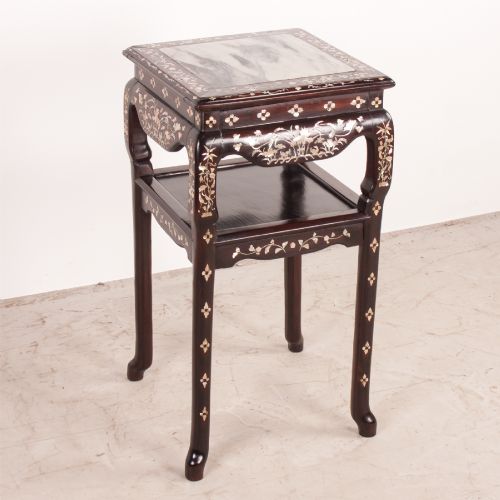
Stone and metal components appear regularly across the inventory, particularly heavy grey marble tops and polished brass hardware. Selected pieces also incorporate specialist techniques such as mother-of-pearl inlay or glazed glass panels.
Listings for this phrase include eighteenth-century pieces alongside Victorian, Edwardian, and early twentieth-century examples in painted wood, walnut, and pine.
Distinguishing quality in period cabinetry
Quality rests upon the integrity of the timber framing, the precision of drawer construction, and the preservation of original painted surfaces or polished stone tops. Superior examples display balanced proportions and crisp carved or inlaid details.
The treatment of the grey finish itself marks a distinction between straightforward utility items and finer decorative pieces, where layered paintwork or patinated timbers show deliberate artistic intent rather than simple restoration.
The Antique Grey Side Cabinet Glossary
- Commode
- A low chest of drawers or cabinet, typically standing on legs, originating in French furniture design. They often feature decorative marble tops and veneered drawer fronts.
- Gustavian
- A Swedish neoclassical style popular in the late eighteenth and early nineteenth centuries. It is characterised by light grey or white painted finishes and restrained classical motifs.
- Washstand
- A specialised piece of furniture designed to hold a basin and jug for personal washing. Many examples feature protective marble tops to resist water damage.
- Burr walnut
- Timber obtained from the burl growths of walnut trees, yielding intricate, swirling grain patterns. Cabinet makers prized this wood for high-status veneered surfaces.
- Night table
- A small bedside cabinet or table intended for holding small personal items during the night. These frequently include enclosed cupboards or small drawers.
Antique Grey Side Cabinet: Frequently Asked Questions
How do I clean a marble top?
Marble surfaces require gentle wiping with a damp cloth and mild, neutral soap to avoid damaging the stone. Strong acids and abrasive cleaners should be kept away from the polished top.
Dry the surface thoroughly after cleaning to prevent water spotting. Periodic waxing can help protect the finish from stains.
Where should I place a side cabinet?
These compact cabinets suit bedrooms as bedside storage or living rooms as small side tables. Their modest footprint allows them to fit easily into alcoves and narrow hallways.
Ensure the piece sits away from direct heat sources and strong sunlight to protect painted wood and timber veneers from drying out.
Are painted finishes original?
Painted finishes on period furniture vary between original historic layers, later traditional repainting, and modern decorative work. Examining the wear around handles and edges helps reveal the age of the paint.
Patina and small chips often indicate authentic age, whereas uniform modern paint can suggest later redecoration.
What is the difference between a commode and a chest?
A commode generally refers to a decorative low chest of drawers with French origins, frequently fitted with a marble top. A standard chest of drawers is often taller and more utilitarian in design.
Both pieces provide practical enclosed storage, but commodes typically emphasise finer aesthetic details and distinct continental styling.