


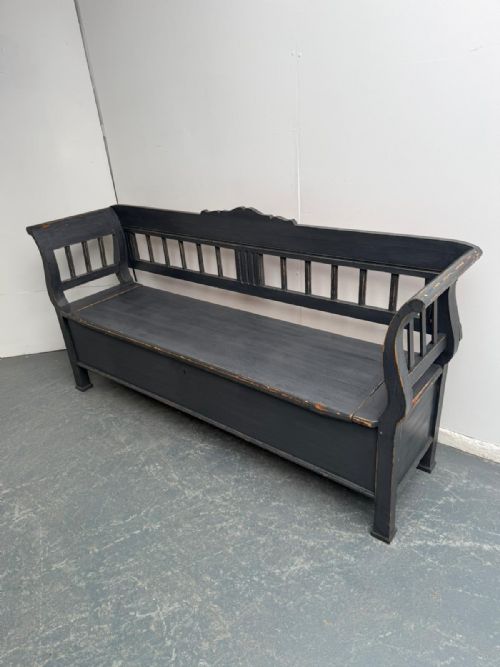


Antique Grey Bench
An antique grey bench brings subtle painted character and practical seating to a hallway or garden.
Antique Grey Bench
When you search for an antique grey bench, you encounter a selection of painted wooden seating spanning the nineteenth and early twentieth centuries. These pieces encompass garden benches, box settles, and rustic seating options originating from English, French, and Hungarian traditions.
The versions most commonly met on this page include Victorian pine box settles and weathered outdoor seating finished in various shades of grey paint. Buyers frequently choose these items to introduce understated colour and historic texture to contemporary interiors or gardens.
Materials and construction methods
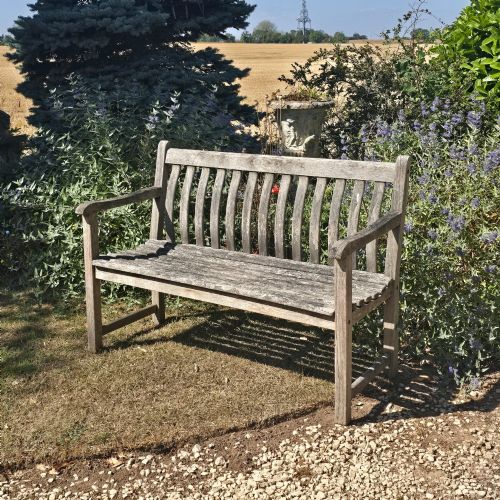
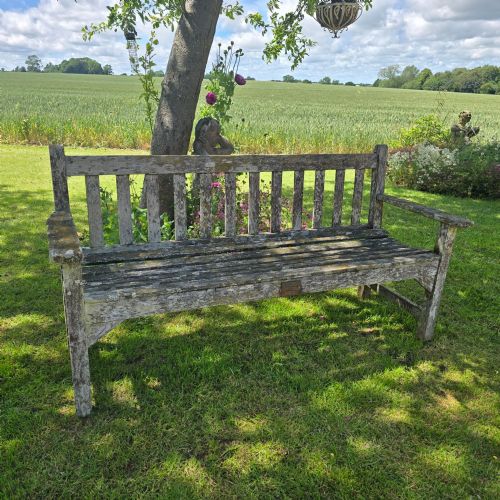
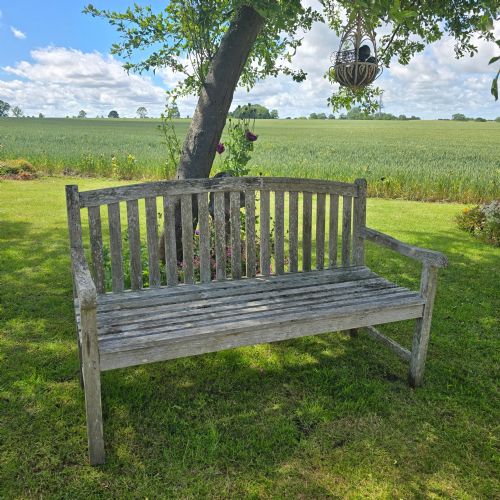
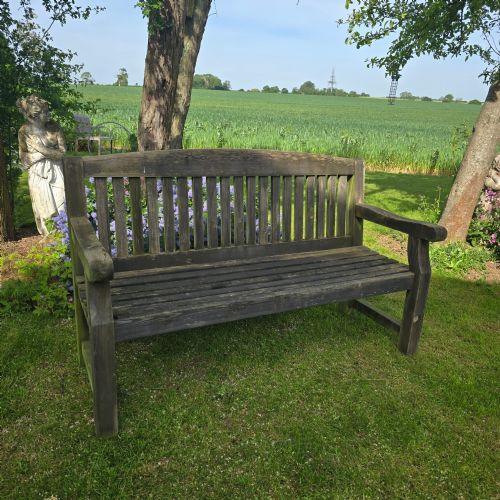
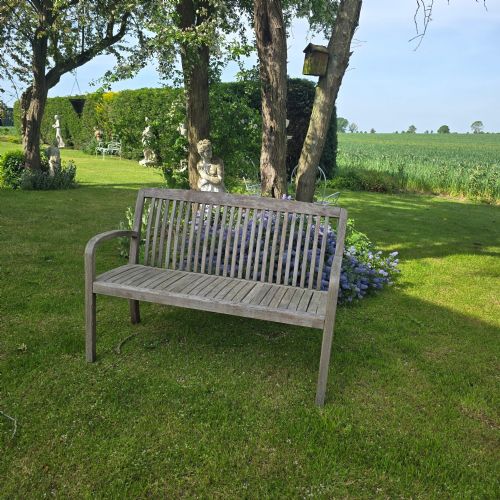
These benches rely primarily on timber such as pine, beech, teak, and oak, shaped by carpenters and joiners using traditional methods. Outdoor examples utilise durable hardwoods capable of withstanding the elements, often developing a silvered patina over time.
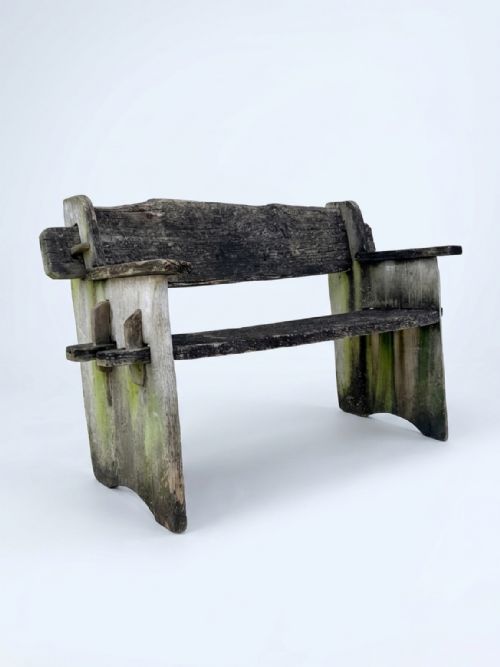
Surface finishes involve layers of paint, sometimes weathered or limed, which define the distinctive aesthetic of the grey colourway. Structural joinery ranges from rustic pegged joints in country pieces to finer carved details on French provincial and Louis XVI style items.
Several pieces double as hidden storage chests, perfect for stashing away boots or blankets.
Distinctions in craftsmanship and condition
Quality separates through the integrity of the timber frame and the authenticity of the painted surface rather than standard measurements. Pieces featuring original paint layers retain greater character and historical honesty compared to later repainted surfaces.
Construction robustness dictates longevity, particularly in utility forms like garden benches and box settles meant for heavy daily use. Finer decorative items display crisper carving and more sophisticated stylistic proportions within their respective periods.
The Antique Grey Bench Glossary
- Settle
- A wooden bench with a high back, solid arms, and often a box compartment beneath the seat. This form provided draught protection in older homes.
- Box Settle
- A traditional seat featuring a hinged lid that opens to reveal storage space inside the base. They were commonly utilised in rural hallways and kitchens.
- Weathered
- The natural ageing of wood exposed to outdoor conditions over decades. This process turns teak and other timbers to a silvery grey tone.
- Louis XVI Style
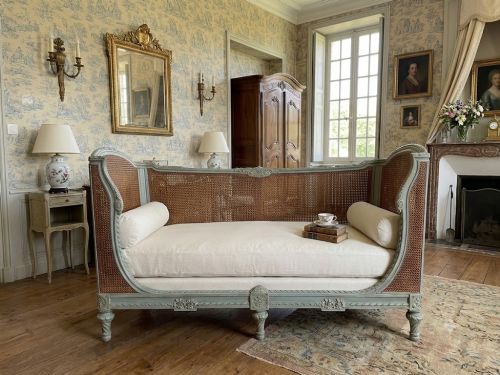
- A neoclassical design vocabulary characterised by straight fluted legs and classical symmetry. French pieces often incorporate this aesthetic into painted sofas and daybeds.
- Gustavian
- The Swedish interpretation of French neoclassical design, noted for pale painted finishes and restrained ornamentation. These pieces typically exhibit soft grey or white tones.
Antique Grey Bench: Frequently Asked Questions
Where should I place an antique grey bench?
These benches suit entrance halls, boot rooms, and covered outdoor spaces where their painted finishes complement natural light. Box settles additionally provide practical concealed storage for shoes and household items.
Garden-specific teak variations perform well on patios or lawns, where exposure to weather continues the natural silvering of the timber.
How do I care for painted wooden benches?
Dust painted surfaces regularly with a soft cloth and avoid harsh chemical cleaners that might strip the historic finish. Indoor pine and beech pieces benefit from stable humidity levels away from direct heat sources.
Outdoor wooden benches require minimal intervention due to the inherent durability of the timber, though sheltering them during severe winter weather helps preserve the structure.
Are these benches comfortable for daily sitting?
Many historical benches feature upright wooden backs and solid seats designed for utility rather than lounging. Adding loose cushions or pads can improve comfort for extended seating periods.
Upholstered daybeds and settees listed alongside wooden benches offer softer seating options while maintaining period character.
How can I tell the period of a painted bench?
Examine the construction joints, tool marks, and the manner in which the timber has aged beneath the paint layers. Fasteners and hardware often indicate whether a piece originates from the Victorian era or the early twentieth century.
Stylistic cues such as carved motifs or leg profiles also align pieces with specific design movements like the Edwardian period or Louis XVI style.