

Antique Green Porcelain
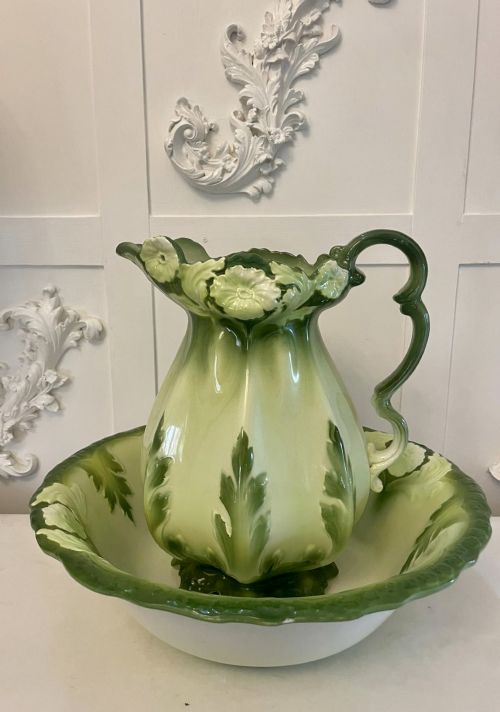
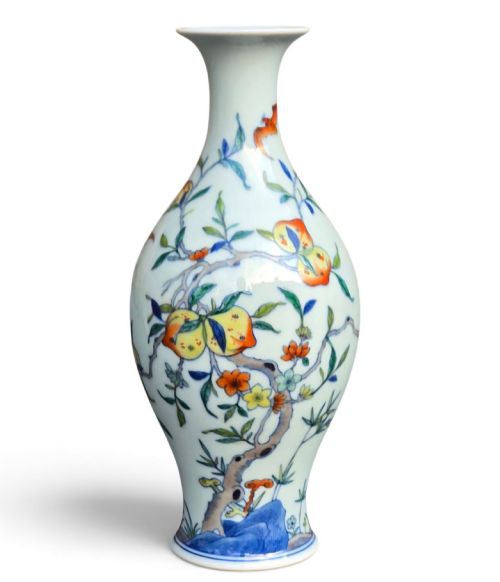
Antique green porcelain encompasses vibrant Chinese wares, English cabinet plates, and French lamps glazed in distinctive botanical and celadon tones.
Antique Green Porcelain
When searching for antique green porcelain, buyers encounter diverse forms ranging from Chinese export chargers and censers to European decorative vases, lamps, and tableware. The pieces originate from multiple periods, with significant representation from the eighteenth and nineteenth centuries, spanning Chinese dynasties and European revival styles.
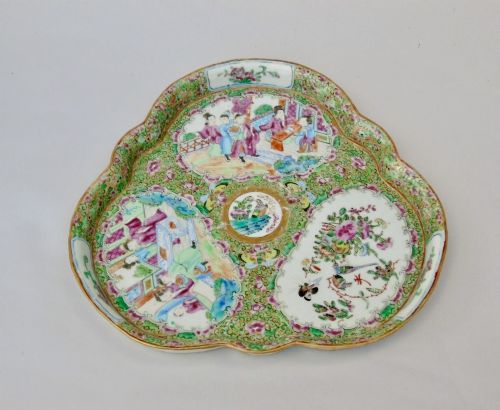
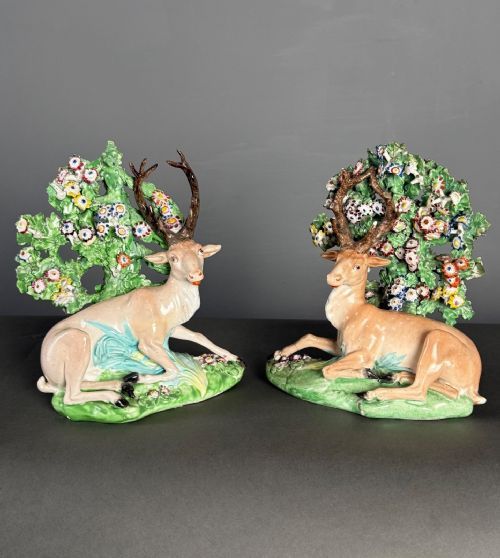
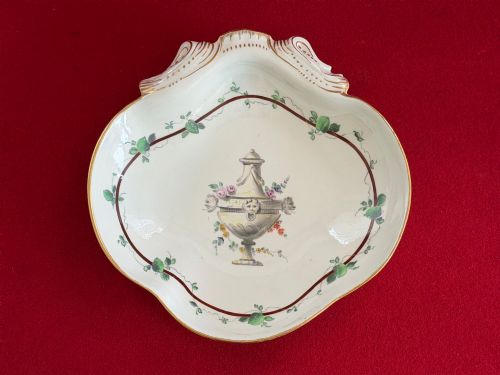
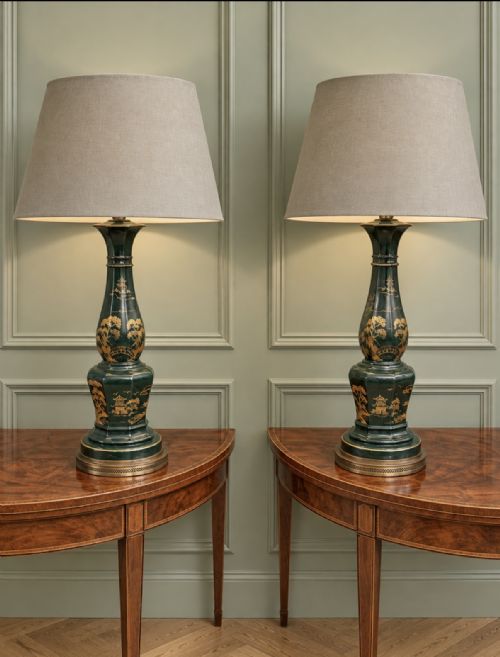
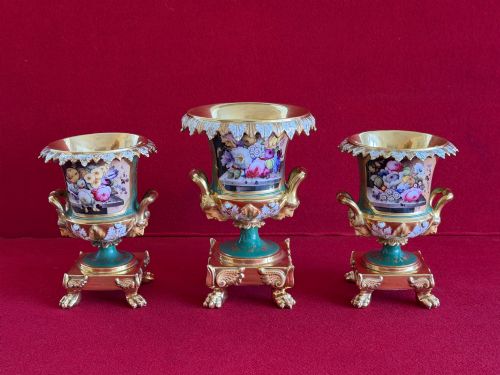
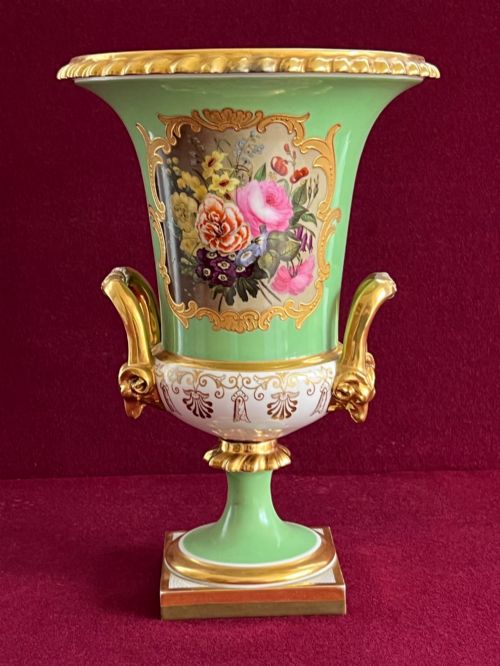
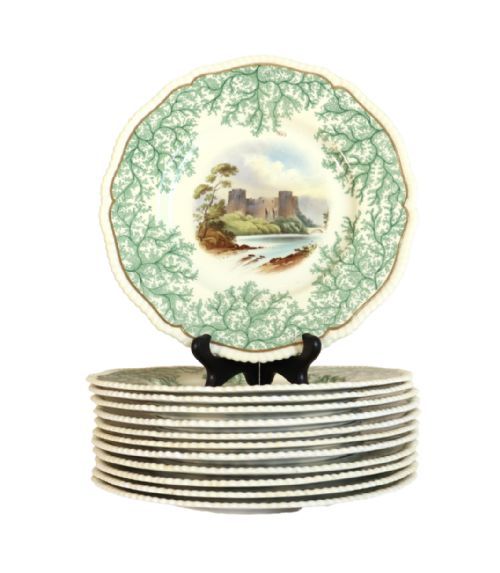
Vessels on this page include garniture sets, campana shape vases, cabinet mugs, and tea services, alongside figurative works such as parrots and stags. French lamps and English botanical dishes sit alongside Qing dynasty chargers, showing how varied the green palette appears across different cultures and eras.
Celadon glazes, famille verte, and olive grounds dominate the selection, applied to porcelain, bone china, and earthenware bodies. Buyers find both utilitarian items, such as dinner plates and coffee cups, and purely ornamental objects designed for display.
How these items were made
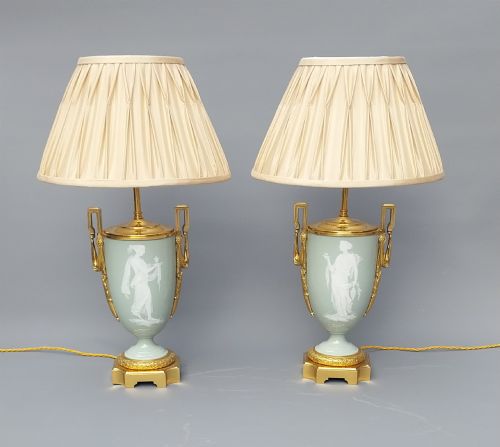
Makers utilised porcelain and bone china bodies, applying mineral-based green glazes and enamels before high-temperature firing. Techniques such as pâte-sur-pâte built up raised white relief designs over coloured slip grounds, creating layered depth on French and English pieces.
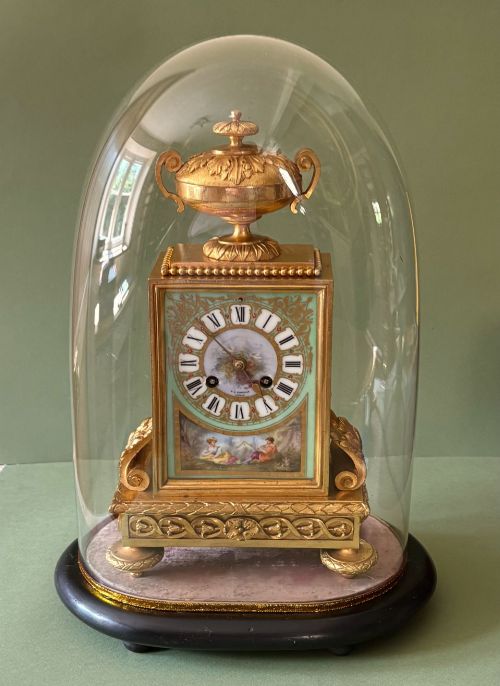
Gilding with gold leaf frequently accented the green surfaces, particularly on Regency Worcester wares and French neoclassical items. Artisans also incorporated bronze mounts, turning ceramic bodies into functional mantel clocks and table lamps.
Antique Green Porcelain Retail Price Guide 2026
Typical asking prices for green porcelain among the pieces listed under this phrase on Sellingantiques today, from the lower quarter to the upper quarter. They describe what is for sale here now, not the wider market.
Perched porcelain parrots from Meissen and Karl Ens bring permanent, feathered company to the room without requiring any seeds.
What varies in quality
Depth and consistency of the green glaze separate standard decorative items from superior examples, particularly in celadon and imperial-taste wares where subtle tone matters. The precision of hand-painted enamelling and the crispness of moulded relief details, such as feathers on bird figures or botanical motifs, indicate the skill of the maker.
The integration of secondary materials, including fire-gilded bronze mounts on lamps and clocks, distinguishes finer studio outputs from routine factory production. Provenance and identifiable workshop marks, from Worcester to Meissen and Chinese imperial kilns, anchor the upper tier of the range.
Minton·Flight Barr and Barr·Spode·Richard Chaffers·Karl Ens·Royal Doulton·Meissen·Jacob Petit·Wedgwood·Chamberlains Worcester
The Antique Green Porcelain Glossary
- Celadon
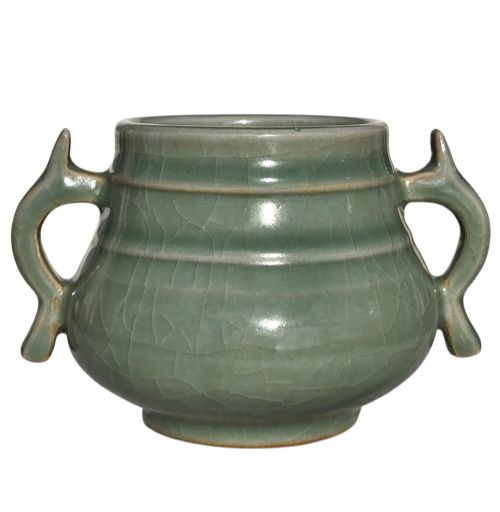
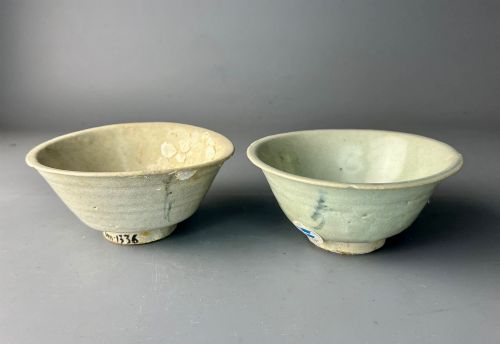
- A transparent green glaze over a pale grey-green body, originating in China and later emulated in Europe. This finish relies on iron oxides in the reduction kiln atmosphere.
- Pâte-sur-pâte
- A method where an artist paints layers of liquid white porcelain slip onto a coloured damp clay body before firing. This builds low-relief decoration that resembles a cameo.
- Famille Verte
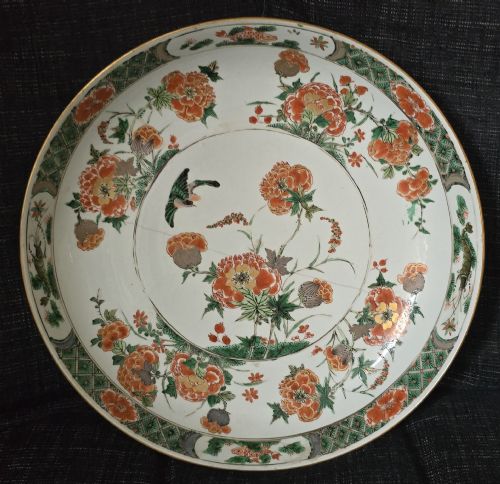
- A Chinese porcelain palette dominated by green enamel overglaze colours, developed during the Kangxi period. It often depicts flora, fauna, and figurative scenes.
- Campana
- A vase shape modeled on ancient Roman bronze wine craters, featuring an inverted bell form on a pedestal foot. English factories frequently produced these in porcelain.
- Garniture
- A set of three or more matching vases and jars designed to stand on a mantelpiece or cabinet top. These displays became popular in European interiors during the seventeenth and eighteenth centuries.
Antique Green Porcelain: Frequently Asked Questions
What is celadon porcelain?
Celadon refers to wares featuring a jade-like green glaze produced by iron oxides reacting during the kiln firing. The colour ranges from sea-green to olive, often associated with historic Chinese kilns.
European factories later attempted to replicate this specific finish, adapting the glaze for domestic decorative objects and lamps.
How do I identify Chinese export porcelain?
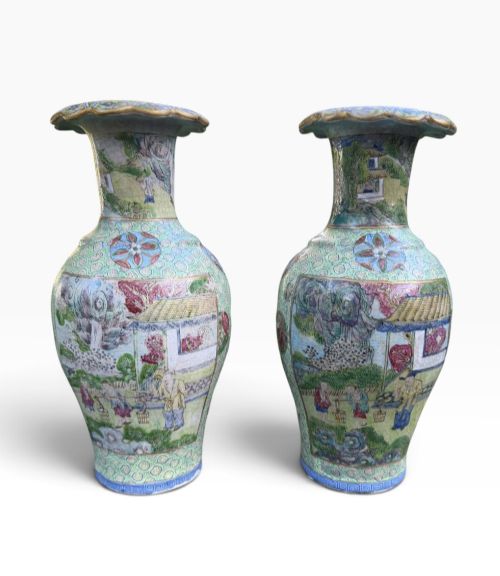
Chinese export pieces combine traditional Asian motifs, such as famille rose or green dragon patterns, with forms requested by Western markets. These items arrived in Europe via trading companies during the Qing dynasty.
Inspect the paste and glaze characteristics, which typically show the dense body and hand-painted brushwork of regional kilns.
What is pâte-sur-pâte decoration?
Pâte-sur-pâte involves building up successive layers of liquid white porcelain slip onto a dark or coloured ceramic ground. This creates a translucent cameo effect that stands out in low relief.
French and English workshops utilised this technique in the nineteenth century for high-end cabinet pieces and lamps.
How should I care for antique green porcelain?
Clean these items gently using a soft, dry cloth to remove dust without abrasive pressure. Avoid harsh chemical cleaners that can damage overglaze enamels and fragile gold leaf.
Keep pieces away from direct sunlight and damp environments to protect the glaze and any incorporated metal mounts.