
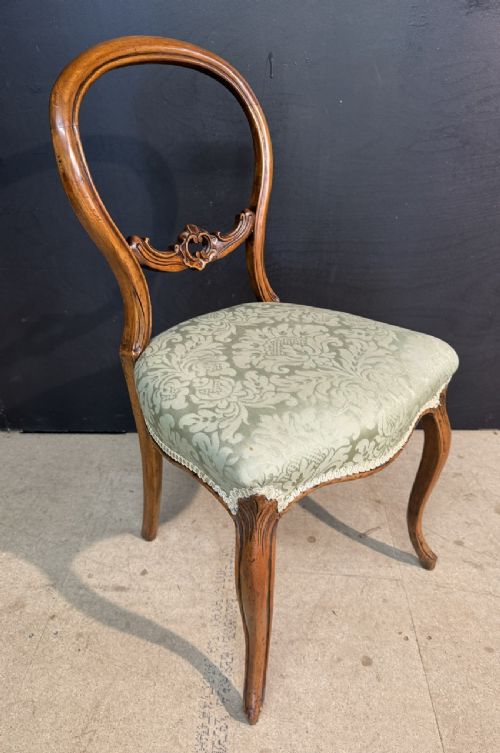
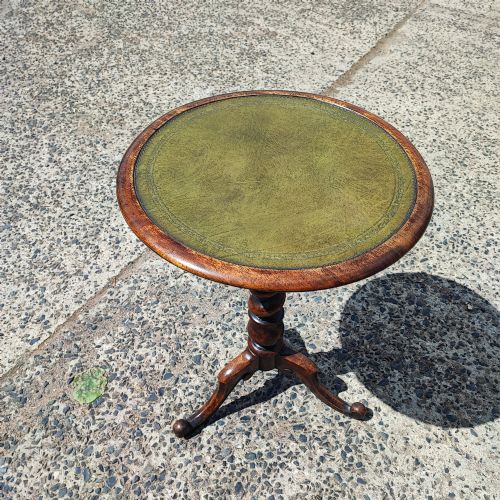
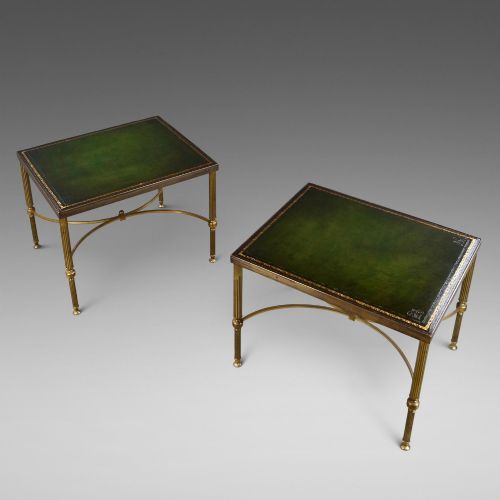
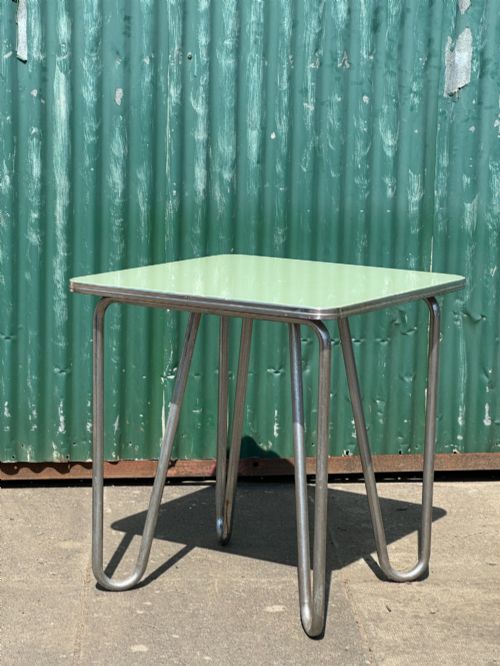
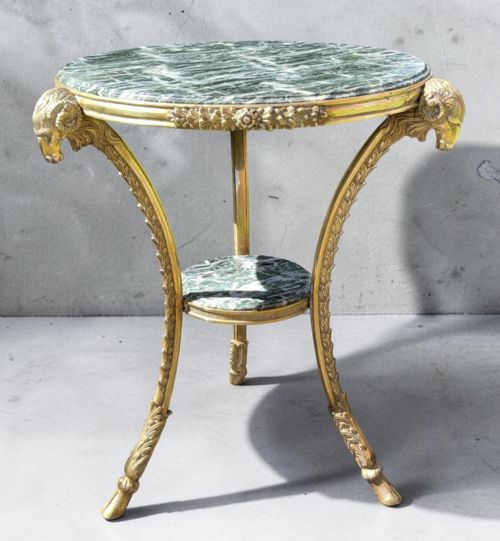
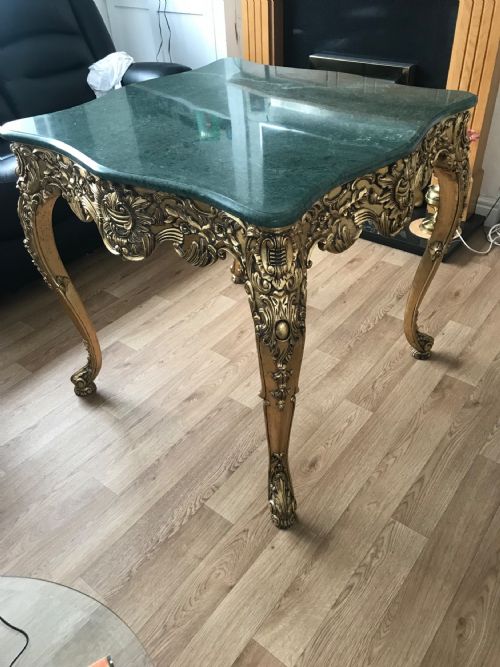


Antique Green Occasional Table
An antique green occasional table brings practical surface space and distinct colour into a room.
Antique Green Occasional Table
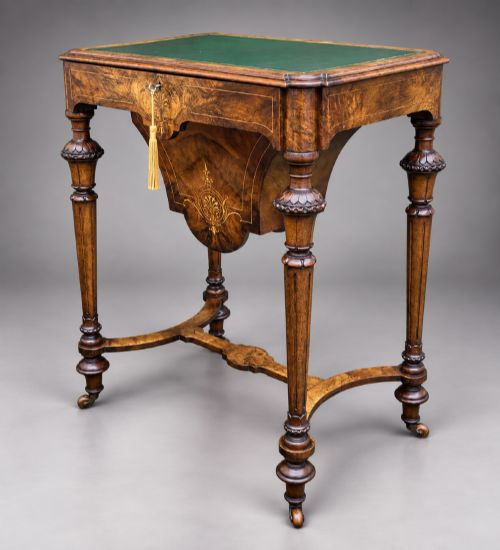
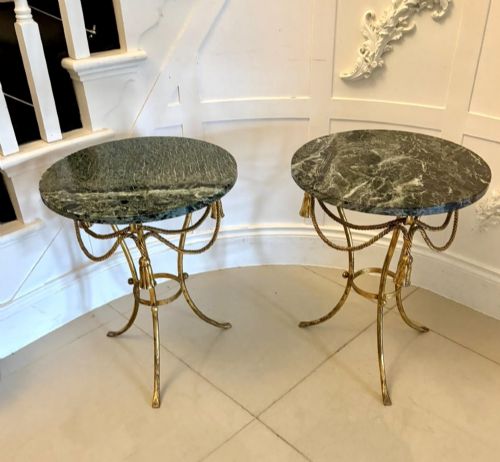
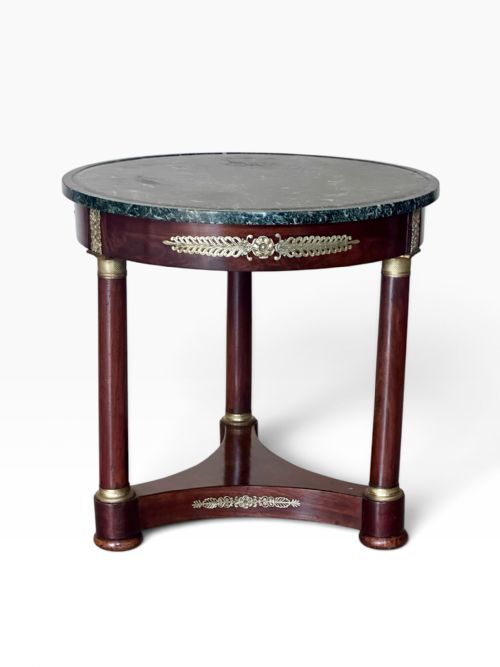
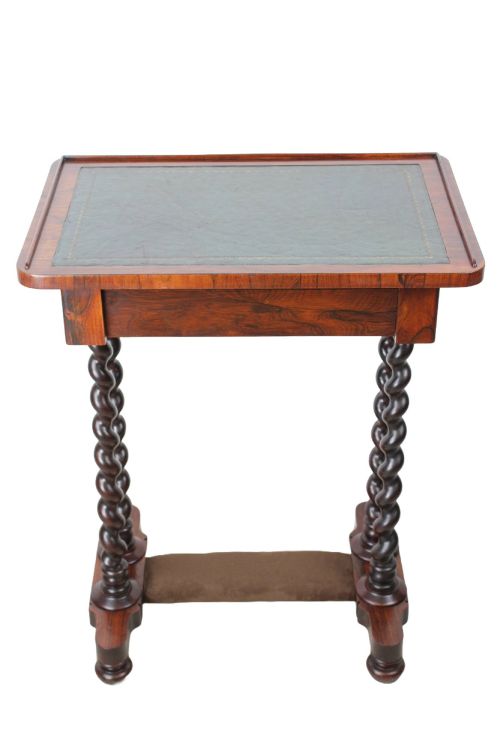
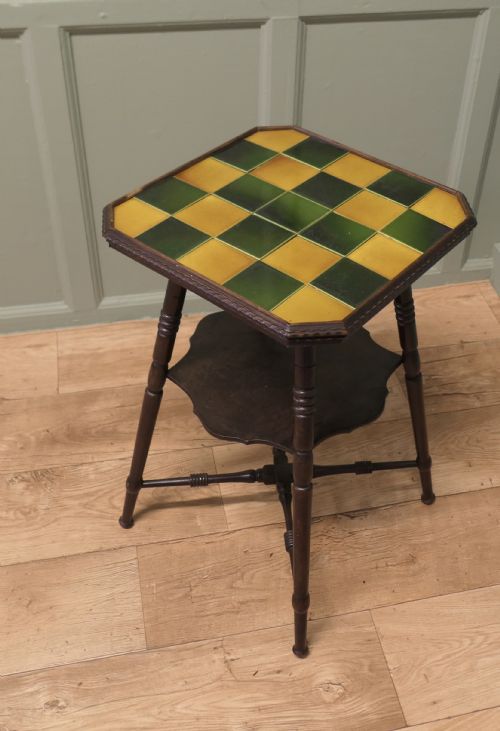
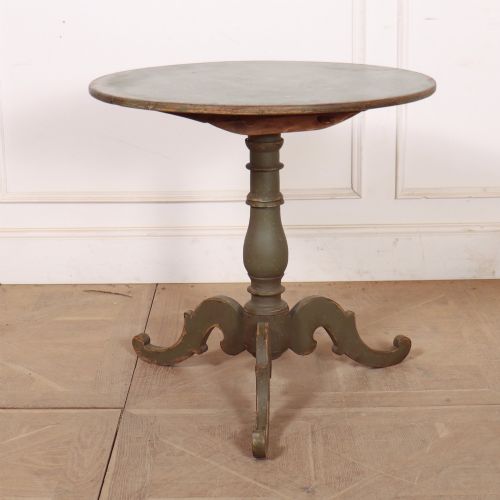
An antique green occasional table appears in various forms on this page, including lamp tables, side tables, and games tables from periods such as the 18th century, Victorian era, and Regency period. These smaller movable tables serve functional roles beside seating while introducing painted or marble surfaces into a interior.
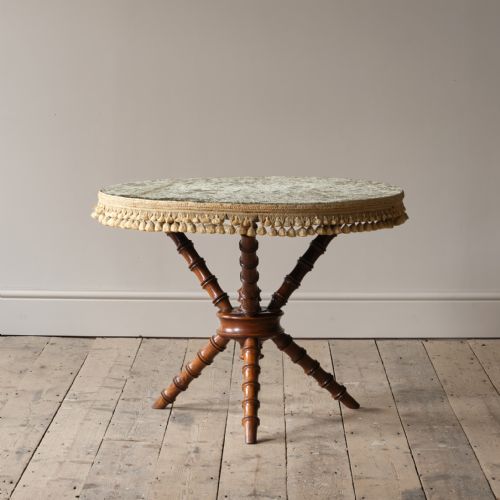
The materials and decoration range from solid oak and mahogany to simulated bamboo and gilt metal, often featuring painted finishes or marble inserts. Makers and workshops from England, France, Italy, and Sweden contribute to the variety of stylistic influences present in the inventory.
Materials and construction
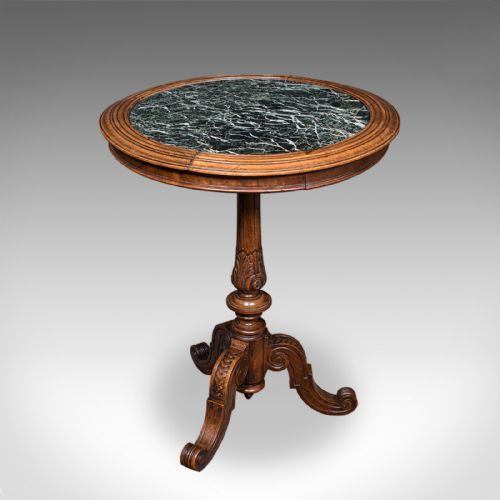
Makers utilised traditional timbers such as oak, mahogany, walnut, and pine, frequently applying hand-painted finishes, floral designs, or simulated bamboo effects to the frames. Stone tops like Italian verde marble and onyx appear alongside timber, brass, leather, and tiled surfaces.
Joinery methods reflect the period of origin, from Georgian cabinet-making to Arts and Crafts construction by firms like Shapland and Petter or Liberty of London. Carved details, gilt framing, and fitted interiors show the level of joinery skill applied to these smaller pieces.
A carved oak 'Green Man' smiles out from beneath the top of one 19th-century table.
Judging quality and finish
Quality rests in the crispness of carved woodwork, the weight and polish of marble or onyx tops, and the integrity of hand-painted decoration. Tables with integrated fitted interiors or original decorative schemes demonstrate superior craftsmanship compared to later surface embellishments.
The choice of timber and the precision of brass or gilt metal mounts distinguish finer examples. Structural stability in tripod pedestals and leg joints determines how well a table holds up to daily use.
Shapland & Petter·Liberty of London·Willmington & Cope
The Antique Green Occasional Table Glossary
- Gueridon
- A small French table, often round, supported by a central column or figures. These versatile pieces function well as lamp or side tables.
- Tilt-top table
- A table with a hinged top that pivots vertically to save space when not in use. This mechanism appears frequently on Victorian examples.
- Cricket table
- A small, lightweight table with three legs and a circular wooden top. Welsh and English country versions often feature painted oak construction.
- Verde marble
- A dark green decorative stone used for tabletops. It provides a cool, polished surface resistant to everyday wear.
Antique Green Occasional Table: Frequently Asked Questions
Where should I put an occasional table?
These small tables fit easily beside armchairs, sofas, or beds to hold lamps, drinks, or books.
Their compact size allows them to move between rooms as needed.
How do I clean a marble top?
Wipe the stone surface with a soft, damp cloth and mild soap to remove dust and spills.
Avoid harsh acidic cleaners that can etch the polished finish.
Are painted finishes original?
Some pieces retain their period painted decoration, while others feature later decorative additions applied in Victorian or subsequent times.
Examining the wear patterns helps distinguish original surfaces from later work.
What is a tilt-top used for?
The hinged mechanism allows the tabletop to stand vertically against a wall when floor space is needed.
In period homes, this prevented the timber surface from gathering dust or accidental damage.