

Antique Green Mirror
An antique green mirror brings colour and depth to a room, drawing the eye with painted timber or tinted glass.
Antique Green Mirror
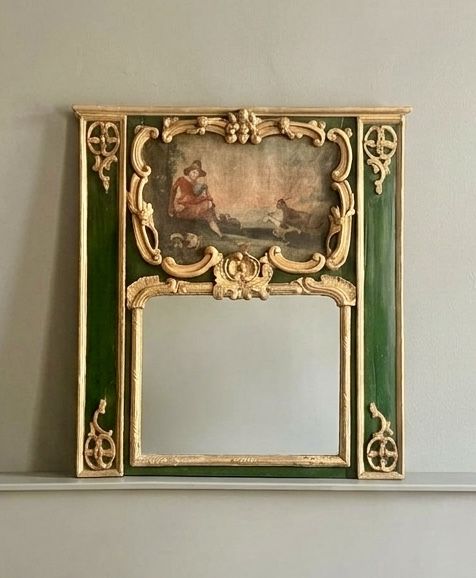
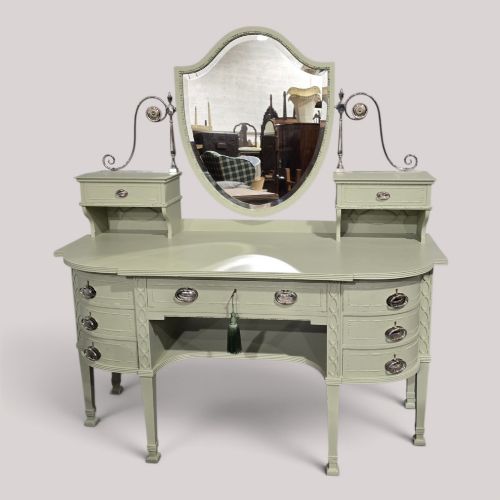
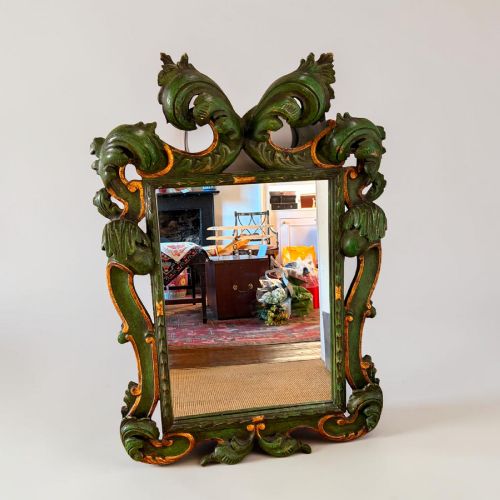
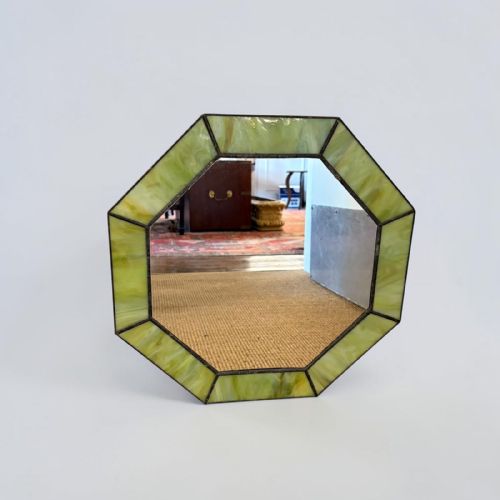
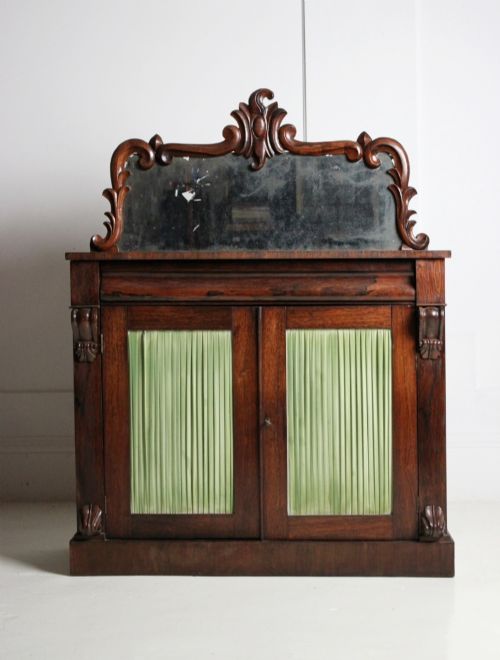
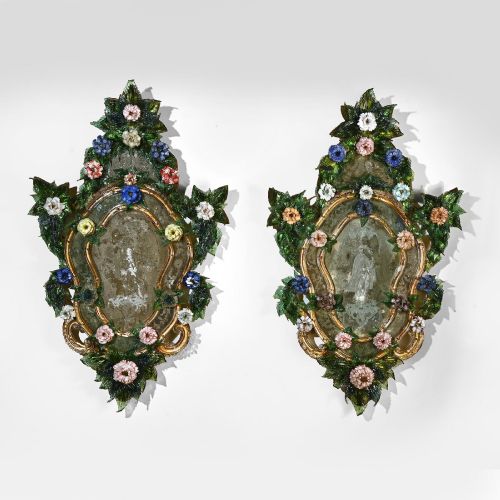
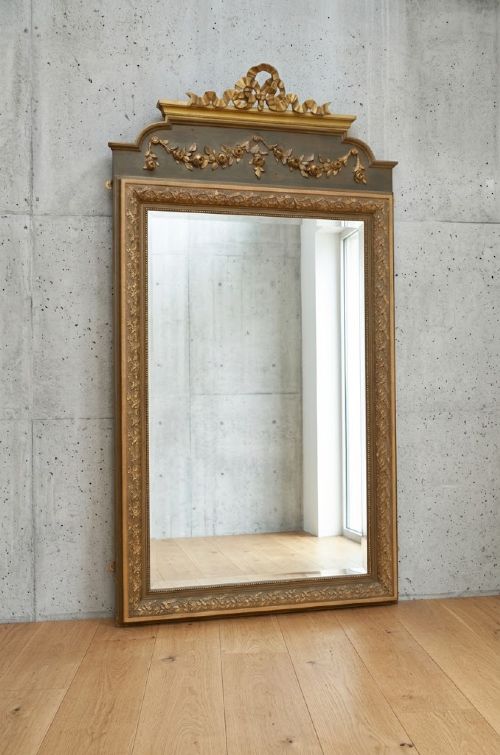
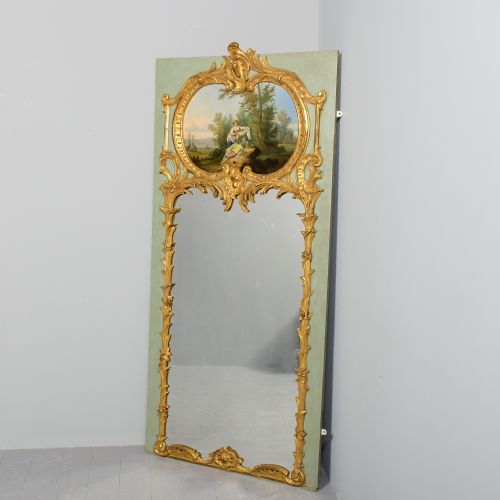
When searching for an antique green mirror, buyers encounter wall-hung pieces, trumeaux, and overmantels originating from Victorian, Edwardian, and Art Deco periods. These items range from simple painted timber frames to ornate Venetian polychrome creations and geometric multi-tone designs.
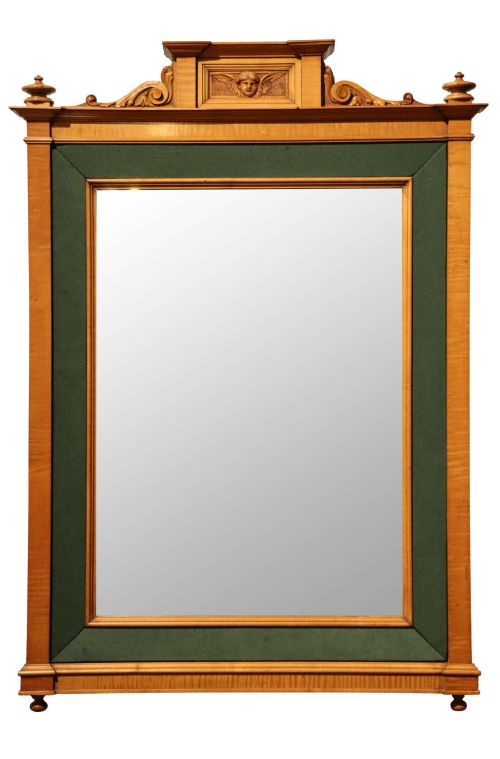
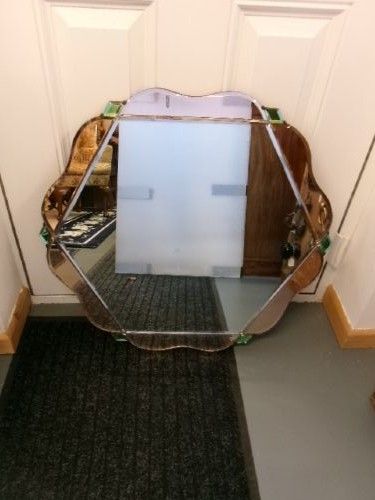
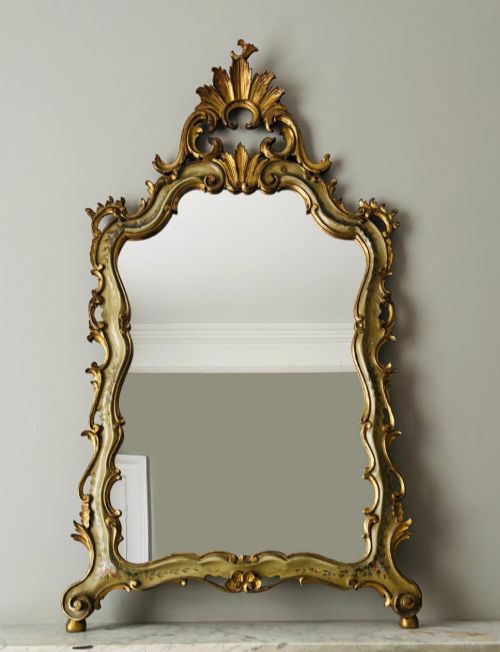
The most common versions met on this page include French painted pier mirrors, Edwardian wall hangings with fabric or carved crests, and striking Art Deco examples featuring emerald green glass panels. Such pieces serve practical dressing and decorative functions in hallways, sitting rooms, and bedrooms.
Origins stretch across Britain, France, and Italy, reflecting diverse regional tastes in green decoration from muted olive tones to vibrant emerald hues. Whether rendered in stained ash, giltwood, or cast bronze, each object carries the distinct stylistic markers of its decade.
Materials and Techniques
Construction relies heavily on traditional timber frames fashioned from oak, satinwood, ash, or rosewood, frequently treated with paint, gilt, or polychrome decoration to achieve the desired green coloration. Artisans applied pigments to wood or utilised specialised glass panels to create distinct visual contrast.
Mirror glass sits within hand-carved or moulded surrounds of giltwood, brass, or painted wood, sometimes complemented by applied crests depicting cherubs, ribbons, or dragons. Joining techniques and surface finishes align strictly with period workshop practices from the nineteenth and early twentieth centuries.
Antique Green Mirror Retail Price Guide 2026
Typical asking prices for green mirror among the pieces listed under this phrase on Sellingantiques today, from the lower quarter to the upper quarter. They describe what is for sale here now, not the wider market.
Listings span the nineteenth century through the 1920s, featuring materials such as glass, wood, brass, giltwood, and painted oak.
Evaluating the Pieces
Quality rests upon the skill of the carver, the crispness of the painted or gilded surface, and the integrity of the original mirror glass. Superior examples display harmonious proportions, refined detail work in crests and mouldings, and authentic period pigments rather than later alterations.
The distinction between standard domestic mirrors and exceptional works lies in the depth of hand-carving, the complexity of multi-tone glass assembly, and the preservation of original finishes over time.
Gillows Of Lancaster·George Walton·Meyle And Mayer·Pauly Et Cie
The Antique Green Mirror Glossary
- Trumeau mirror
- A decorative wall mirror designed to fit within a specific architectural panel or above a fireplace. It often combines painted or gilded woodwork with a lower mirror plate.
- Polychrome
- The practice of decorating architectural elements, wood, or sculpture in a variety of colours. On these mirrors, it appears as multi-coloured painted highlights alongside green hues.
- Giltwood
- Timber that has been coated with a thin layer of gold leaf or gesso preparation. It provides a bright, reflective contrast to painted green frames.
- Chinoiserie
- European artistic style reflecting Chinese motifs and decorative techniques. Pieces of this type often feature lacquer work and oriental landscape scenes.
Antique Green Mirror: Frequently Asked Questions
Where should I hang an antique green mirror?
These mirrors suit placement above a mantelpiece, in a hallway, or over a console table to reflect light and add colour to a scheme.
Ensure the wall fixings match the weight of the timber and glass frame safely.
How do I identify an Art Deco green mirror?
Art Deco pieces typically display geometric lines, frameless structures, or coloured glass panels such as emerald tones.
They date from the early twentieth century and lack the ornate carvings seen on earlier Victorian or Venetian items.
Are the mirror plates original?
Many pieces retain their original glass, which can exhibit light foxing, minor speckling, or age-related oxidation.
Such characteristics confirm the genuine age of the object without diminishing its decorative appeal.
What woods were used for green painted mirrors?
Cabinetmakers utilised oak, satinwood, ash, and pine as foundations for painted or stained finishes.
The choice of timber often corresponds to the manufacturing period and regional workshop traditions.