


Antique Green Marble Top
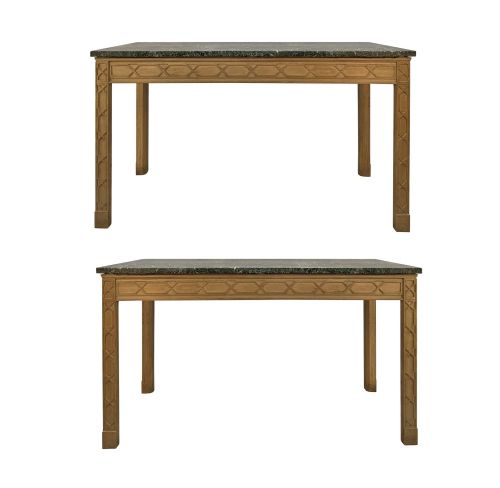
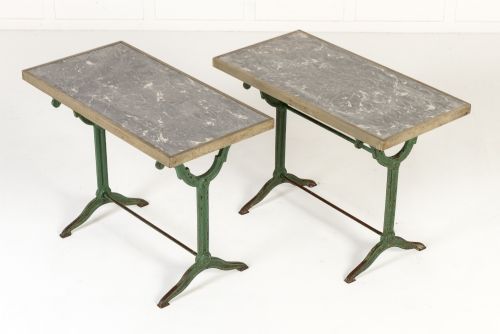
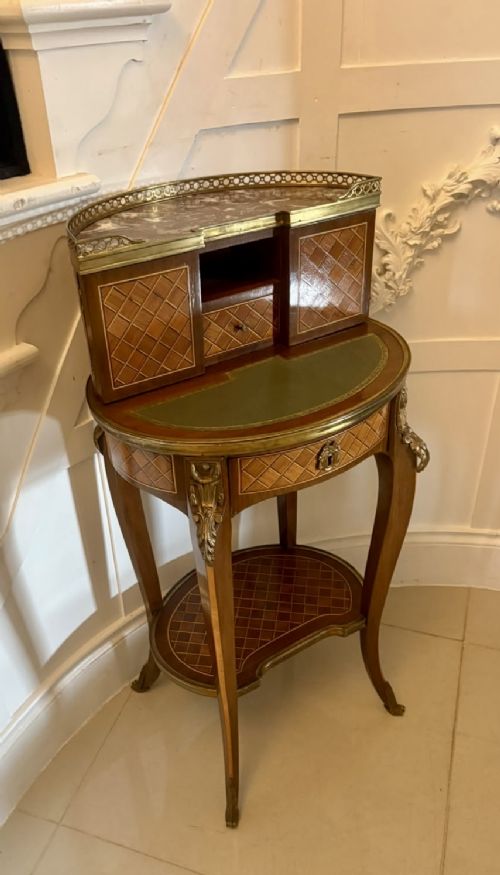
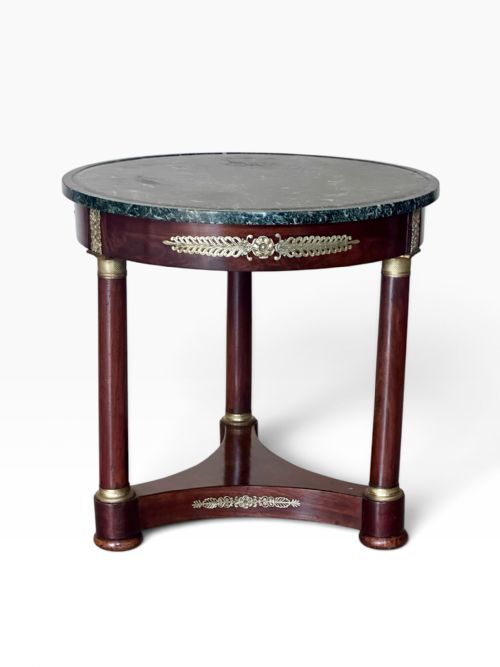
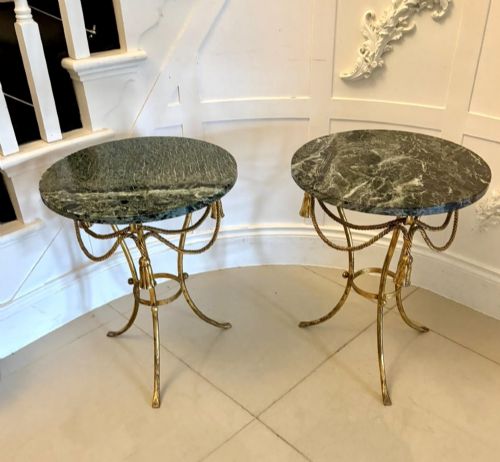
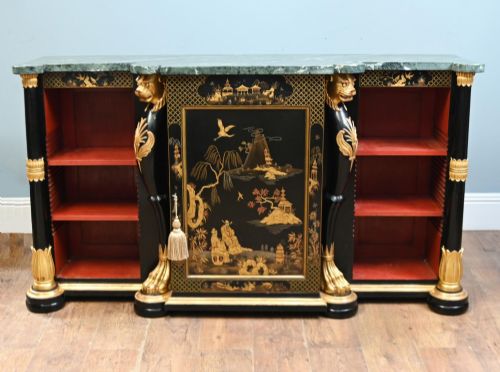
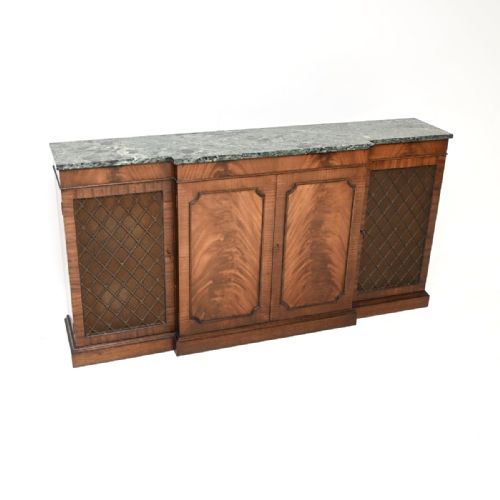
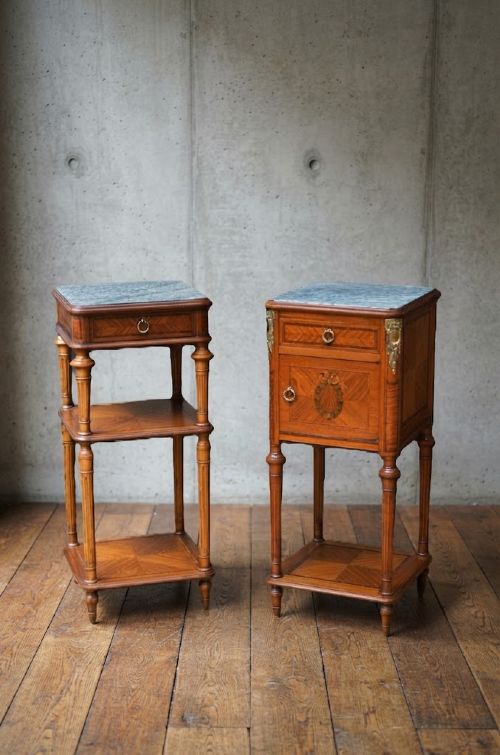
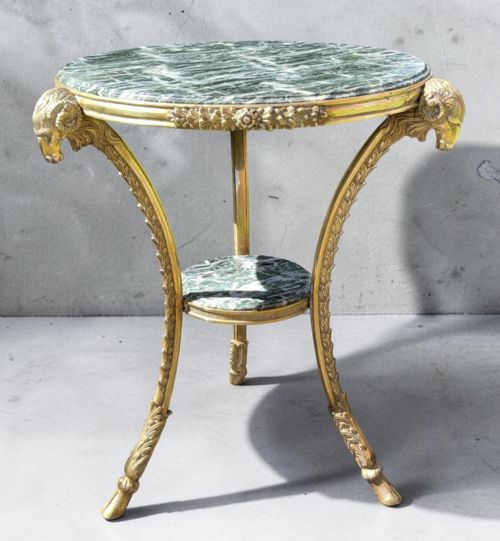
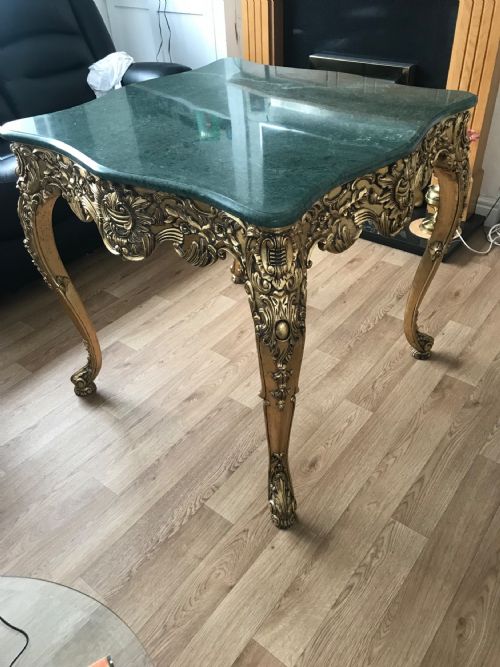
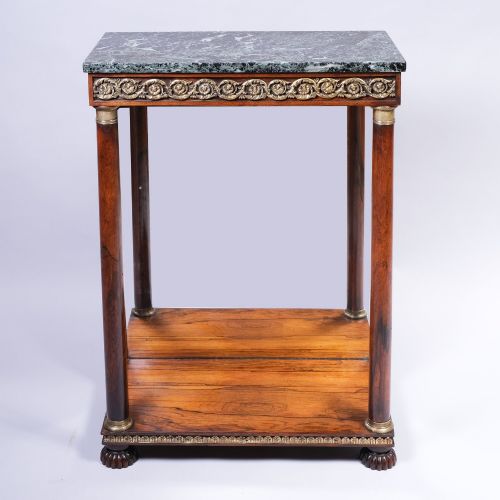
An antique green marble top anchors these tables and cabinets with a cool, polished weight that defines period furniture.
Antique Green Marble Top
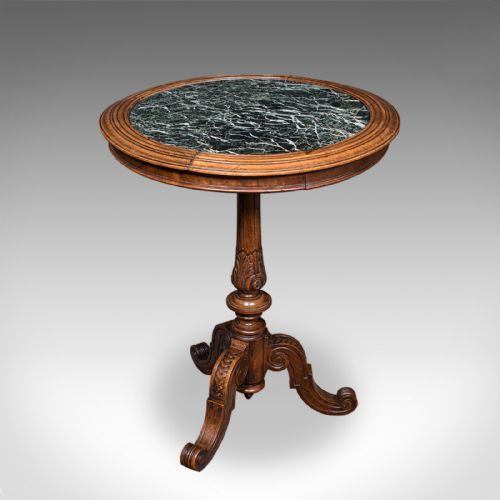
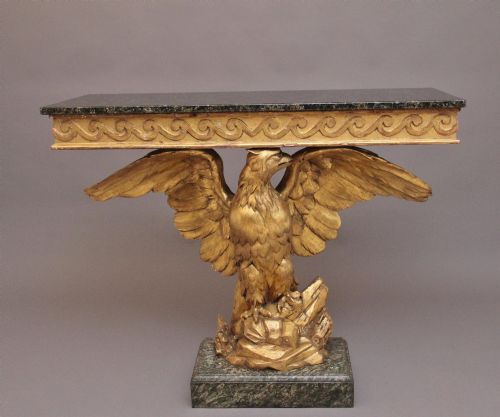
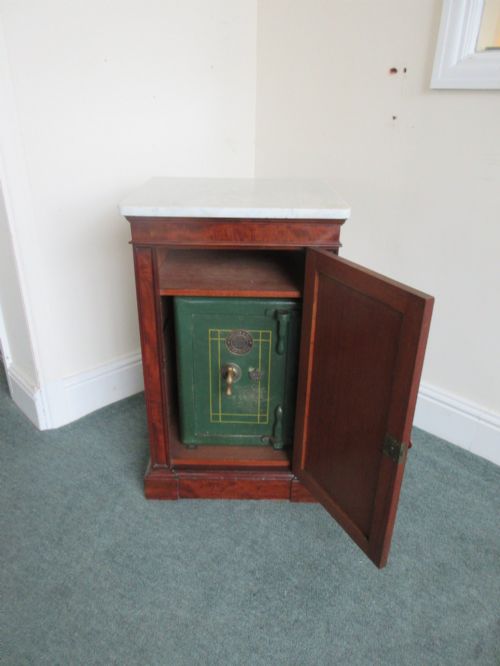
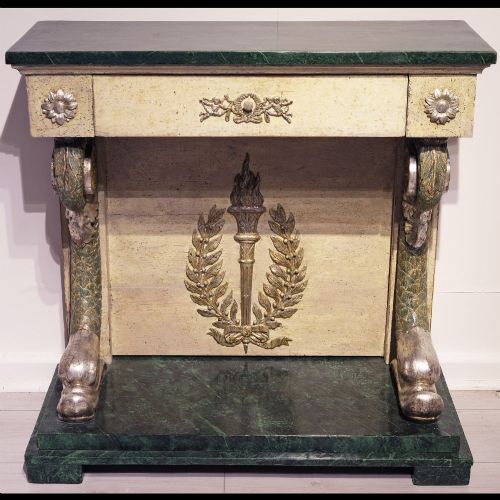
An antique green marble top sits on a variety of tables and storage pieces designed for domestic utility and display. Console tables, side tables, and washstands form the core of what you will encounter on this page.
The materials and styles span from the eighteenth century through to the early twentieth century, drawing heavily on French Empire, Italian Rococo, and Victorian aesthetics. These slabs of green stone provide a durable, decorative surface suited to both formal rooms and private chambers.
How they were made
Cabinet makers combined dense hardwoods such as mahogany, walnut, rosewood, and satinwood with heavy carved stone slabs. Giltwood, gesso, or ormolu mounts often decorate the wooden bases to complement the polished stone.
Stones were cut and polished by hand to reveal natural veining, then fitted securely to wooden frames, commodes, or table bases using traditional joinery and brass fastenings.
Antique Green Marble Top Retail Price Guide 2026
Typical asking prices for green marble top among the pieces listed under this phrase on Sellingantiques today, from the lower quarter to the upper quarter. They describe what is for sale here now, not the wider market.
Listings feature woods including mahogany, satinwood, rosewood, and walnut alongside giltwood and painted finishes.
What varies in quality
The depth of carving on the wooden frames and the complexity of ormolu or gilt mounts distinguish high workshop output from simpler utilitarian pieces. Crisp detailing in the timber and precise fitting of the stone indicate superior craftsmanship.
The quality of the green marble itself, including the richness of its coloration and the smoothness of its polish, dictates the visual impact of the piece.
Lefebvre of Belgium
The Antique Green Marble Top Glossary
- Gueridon
- A small circular French table designed for the centre of a room, frequently topped with marble. These pieces served decorative and occasional functions in elite interiors.
- Ormolu
- Gilded bronze mounts applied to the corners and legs of cabinetwork. This decorative technique was favoured in French Empire and Neoclassical design.
- Console table
- A table designed to stand against a wall, often supported by ornate brackets or carved legs. They frequently carry heavy marble slabs on their upper surfaces.
- Marquetry
- The art of applying small pieces of veneer to a structure to form decorative patterns. It appears on the wooden bodies beneath or around the stone surfaces.
- Commode
- A low chest of drawers or cabinet originating in France. Many examples feature fitted marble tops above panelled or inlaid doors.
Antique Green Marble Top: Frequently Asked Questions
How do I clean an antique green marble top?
Use a damp cloth with mild, non-acidic soap to wipe the polished surface gently. Avoid harsh chemical cleaners that can etch or dull the stone over time.
Dry the marble thoroughly with a soft cloth to prevent water spots and maintain its natural lustre.
Were these marble slabs originally fitted to the bases?
Most antique tables and cabinets were designed and built specifically to carry heavy stone tops from the workshop. The weight of the marble usually keeps it secure without the need for adhesives.
Minor variations in fit can occur due to shrinkage in the underlying timber over the centuries.
How do I tell a Victorian washstand from a console table?
Washstands generally incorporate storage compartments or lower shelves intended for basins and jugs, reflecting domestic bathroom use. Console tables are shallower and built purely for wall placement and display.
Examine the internal structure and any surrounding woodwork to determine the original functional context.