




Antique Green Glass Stemware
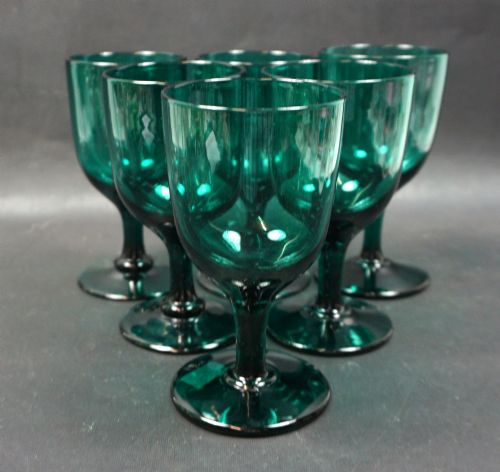
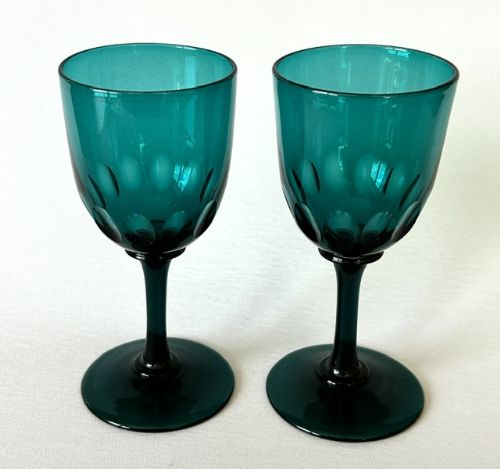
These antique green glass stemware pieces bring rich colour and historic character to the table.
Antique Green Glass Stemware
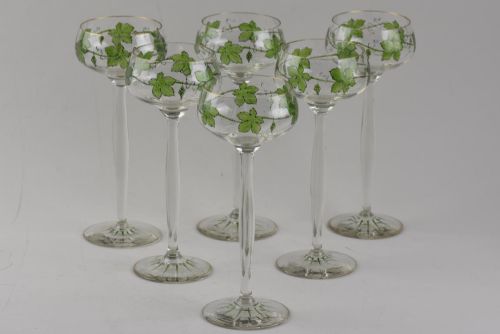
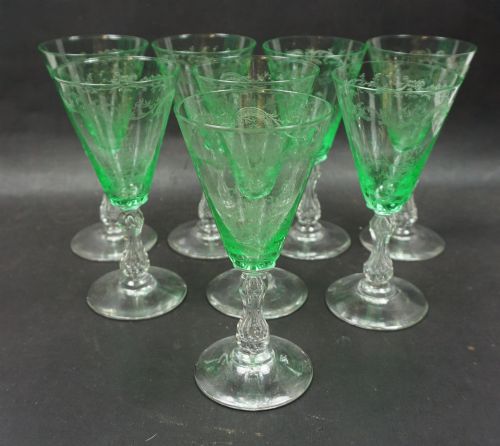
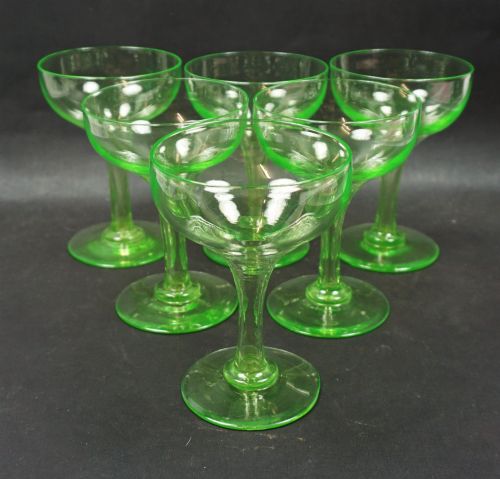
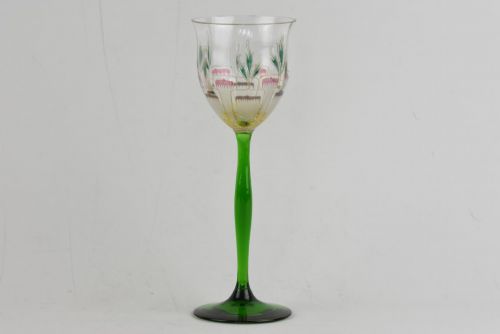
Antique green glass stemware encompasses wine glasses, hock glasses, champagne coupes, cordial glasses, and dram glasses spanning the Georgian, Victorian, Edwardian, and Art Deco periods. Buyers looking for antique green glass stemware will find vessels ranging from early Georgian rib-moulded wine glasses to brightly enamelled Edwardian and 1930s continental glassware.
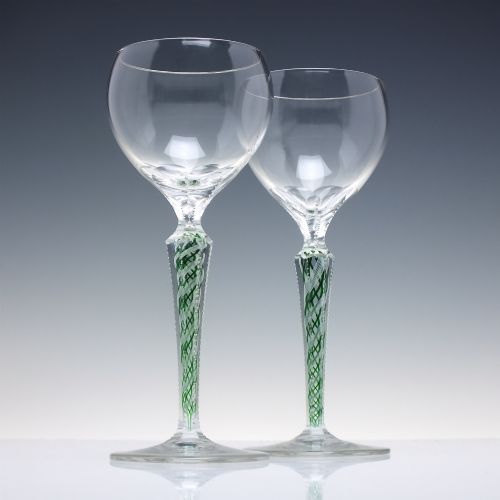
The most common items met on this page are sets of wine glasses and hock glasses from the nineteenth and early twentieth centuries. Pieces originate from English, French, and German makers, utilising distinct styles such as Victorian, Art Nouveau, Biedermeier, and Arts and Crafts.
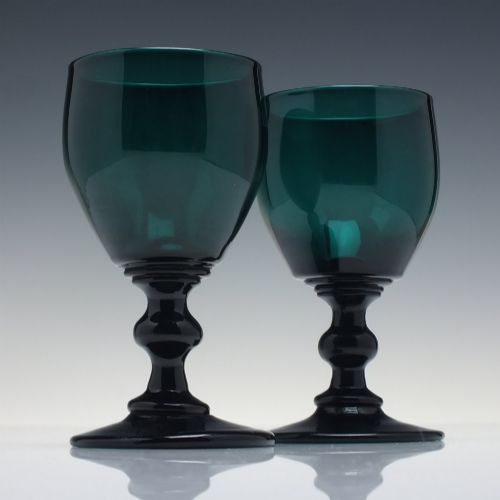
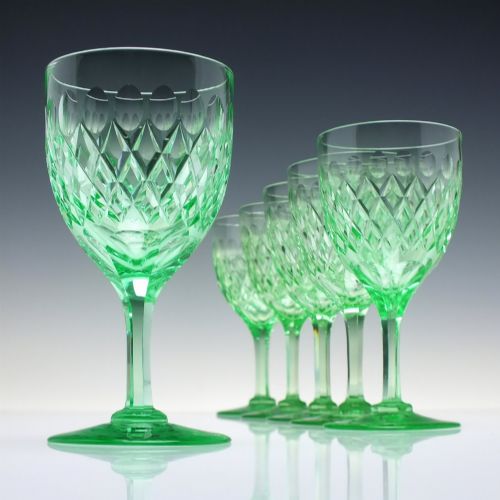
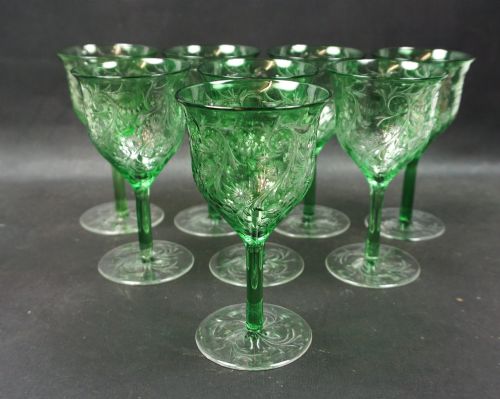
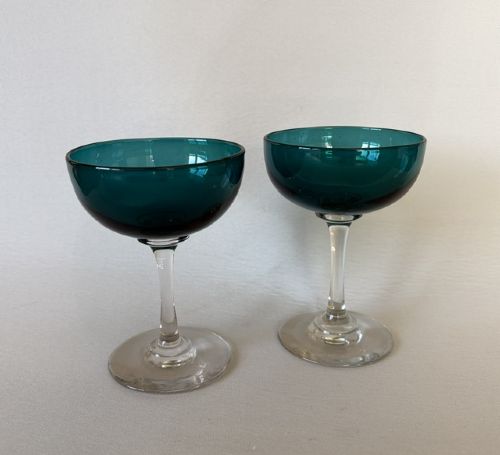
Forms vary from tulip shapes and pedestal cordials to heavy cut crystal and delicate blown vessels. Collectors encounter shades running from deep Bristol green to aqua, turquoise, and vaseline glass.
Making the glass
Glassmakers utilised lead glass and blown glass techniques, shaping vessels while molten and employing rib moulds to create texture on pieces such as eighteenth-century dram glasses. Cased glass and over-crystal methods involved fusing coloured glass layers over clear crystal before cutting back the surface.
Surface decoration frequently involved hand-enamel work and gold leaf applications, seen on continental hock and cordial glasses from the early twentieth century. Artisans also used cutting and engraving on Biedermeier and Victorian items to reveal lighter glass beneath the green exterior.
Antique Green Glass Stemware Retail Price Guide 2026
Typical asking prices for green glass stemware among the pieces listed under this phrase on Sellingantiques today, from the lower quarter to the upper quarter. They describe what is for sale here now, not the wider market.
Listings feature periods from Georgian and Victorian times through to Art Deco, utilising blown glass, lead glass, and cased glass techniques.
Judging quality
Quality rests in the crispness of the rib moulding, the depth and clarity of the green colour, and the precision of the cut crystal layers. Hand-enamelled details executed with fine brushwork indicate superior craftsmanship compared to simpler production methods.
Completeness of a matched set heavily influences desirability, particularly for larger groupings of six or eight wine glasses. The weight of the lead glass and the balance of the stem relative to the bowl demonstrate the skill of the original glasshouse.
Baccarat·Theresienthal·Harry Powell for James Powell·St Louis Massenet
The Antique Green Glass Stemware Glossary
- Hock glass
- A tall-stemmed wine glass traditionally used for German white wines. These often feature coloured bowls or cased crystal layers.
- Vaseline glass
- Uranium glass that exhibits a distinct yellow-green fluorescence under ultraviolet light. It appears frequently in Victorian tablewares.
- Cased glass
- Glass made by fusing one or more layers of coloured glass over a layer of clear or contrasting glass. Cutting through the outer layer reveals the contrasting colour beneath.
- Rib moulded
- Glass blown into a ribbed or fluted mould to create parallel raised lines on the body of the vessel. This technique appears on eighteenth-century and Georgian pieces.
- Champagne coupe
- A shallow, broad-bowled stemmed glass designed for sparkling wine. Period examples often utilise cased or blown green glass.
Antique Green Glass Stemware: Frequently Asked Questions
How do I clean antique green glass?
Wash pieces by hand in warm water using a mild detergent, avoiding harsh scrubbing or dishwashers that can damage old surfaces.
Dry them immediately with a soft lint-free cloth to prevent water spots and protect any enamel or gold leaf details.
Can I use these glasses for daily dining?
These historic vessels require careful handling due to their delicate materials and age, making them better suited for special occasions rather than rough everyday use.
Hand-washing is mandatory, and care must be taken to store them safely away from crowded cupboard edges.
What is Bristol green glass?
Bristol green refers to a deep, characteristic dark green shade produced by glasshouses in Bristol during the eighteenth and nineteenth centuries.
The term later described similar rich green tones used across English and continental wine glasses and tableware.
How do I date antique glassware?
Examine the pontil mark on the base, the weight of the metal, and the stylistic cues such as Georgian rib moulding or Edwardian enamel motifs.
Comparing the manufacturing technique and shape against documented periods helps establish a reliable date range.