

Antique Green Dining Chairs
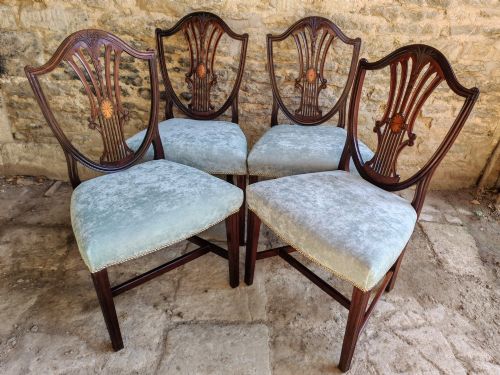
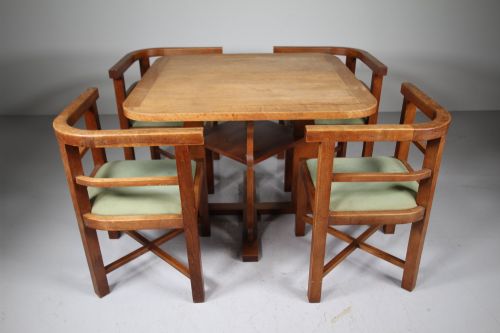
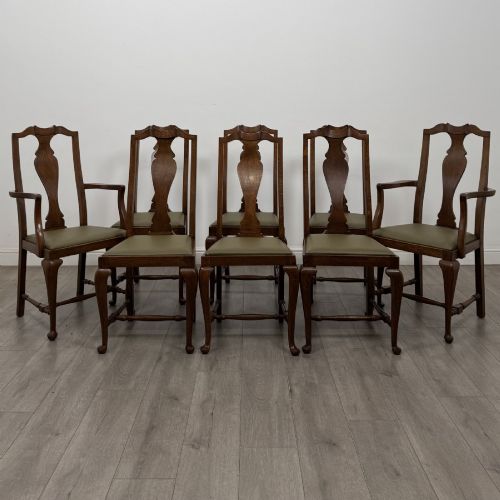
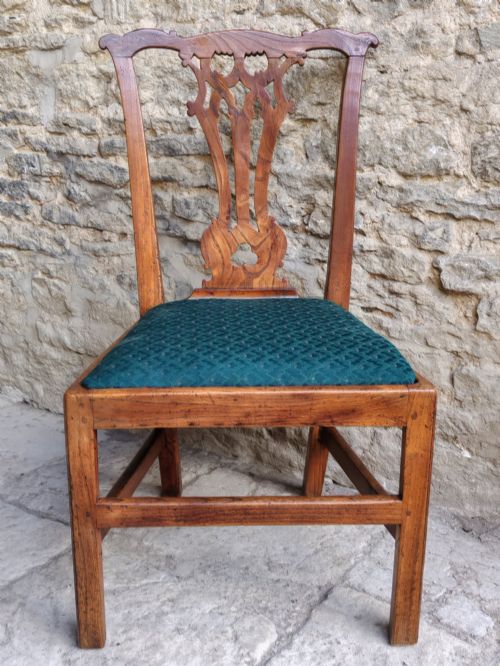
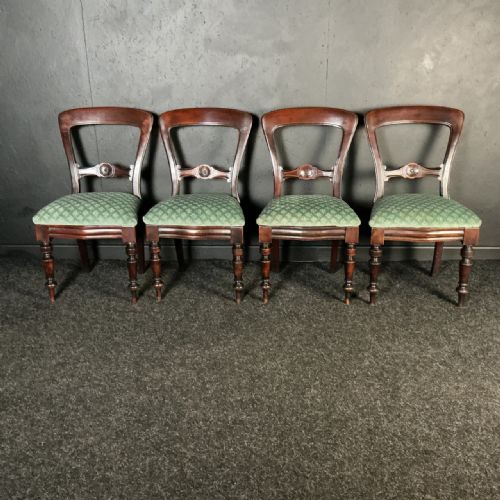
These antique green dining chairs bring historical seating into the modern interior through durable timber construction and period upholstered forms.
Antique Green Dining Chairs
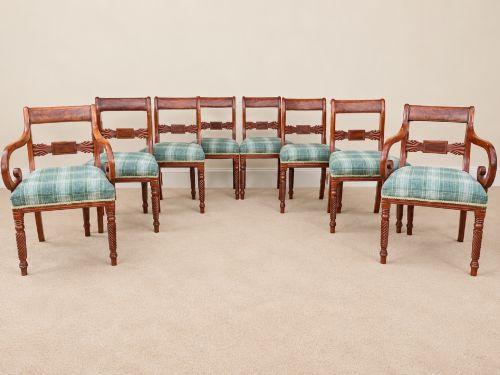
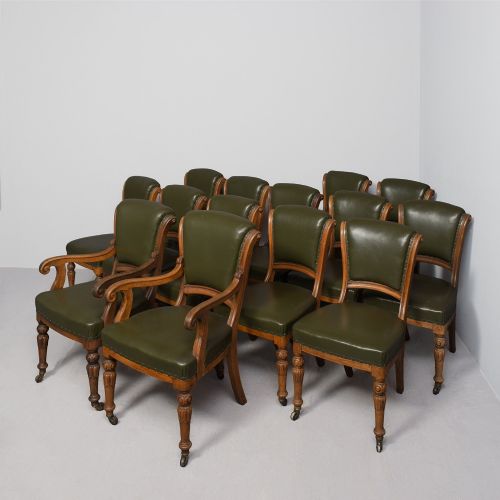
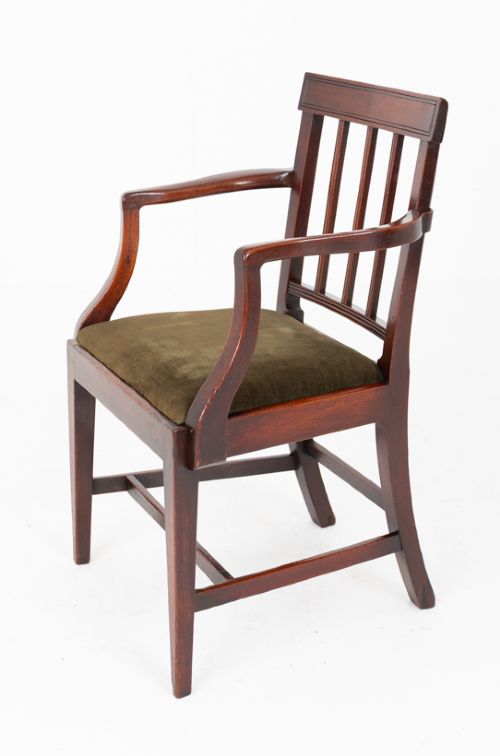
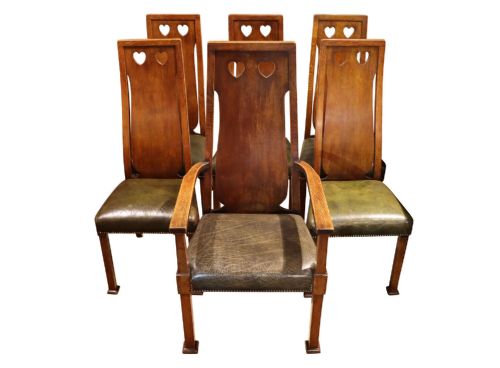
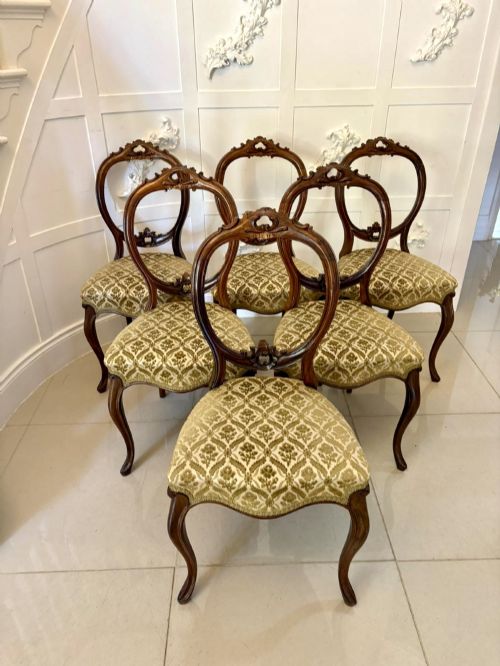
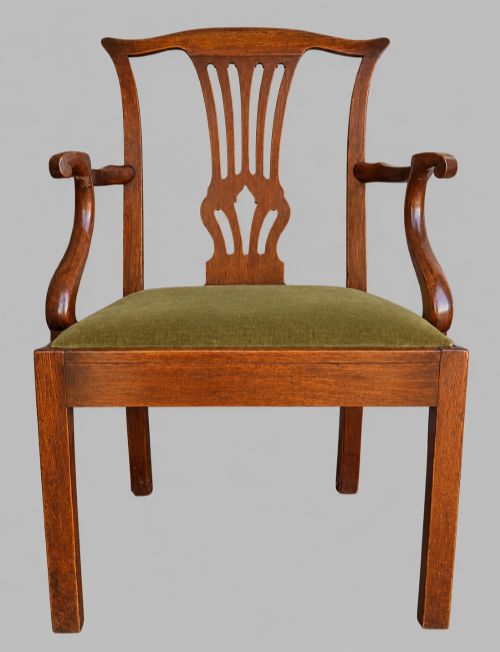
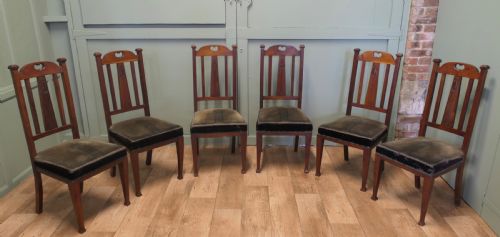
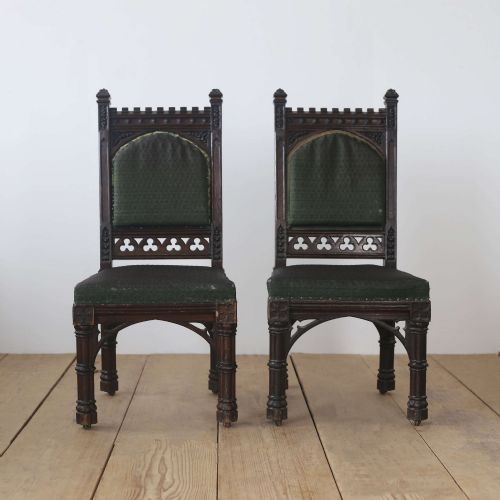
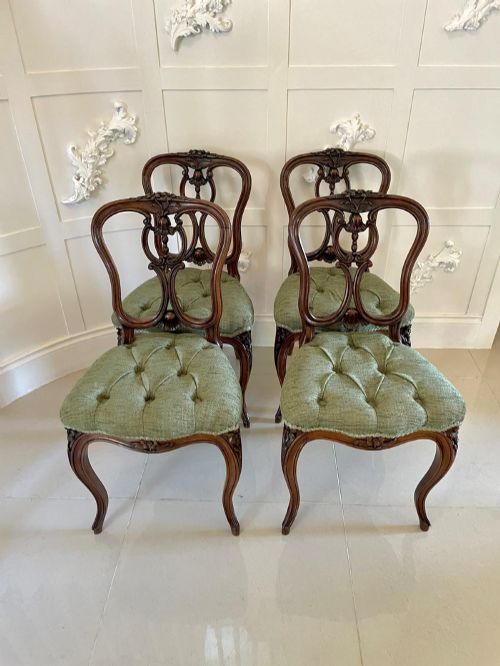
When buyers search for antique green dining chairs, they look at seating framed in timbers such as mahogany, oak, walnut and rosewood, paired with green fabric, velvet or leather upholstery. The evidence shows these pieces span the Georgian, Regency, Victorian and Arts and Crafts periods, appearing as single side chairs, armchairs and sets numbering up to fourteen.
Sets most commonly date from the Georgian and Victorian eras, utilising mahogany and oak frames shaped in styles ranging from Chippendale and Regency to Gothic Revival. Single chairs and pairs often feature carved walnut or rosewood from the mid nineteenth century.
The green upholstery seen across these forms relies on textile choices recorded in past sales, which provide the colour element in the traditional dining setting.
What varies in quality
The calibre of timber selection and the depth of hand-carving define the distinction between standard examples and finer workshop pieces. Dense graining in mahogany or walnut and crisply executed carving on the back splats and legs indicate superior craftsmanship.
The integrity of the frame construction and the fidelity of period styling, from Georgian proportions to Arts and Crafts joinery, determine the overall execution of each piece.
Antique Green Dining Chairs Retail Price Guide 2026
Typical asking prices for green dining chairs among the pieces listed under this phrase on Sellingantiques today, from the lower quarter to the upper quarter. They describe what is for sale here now, not the wider market.
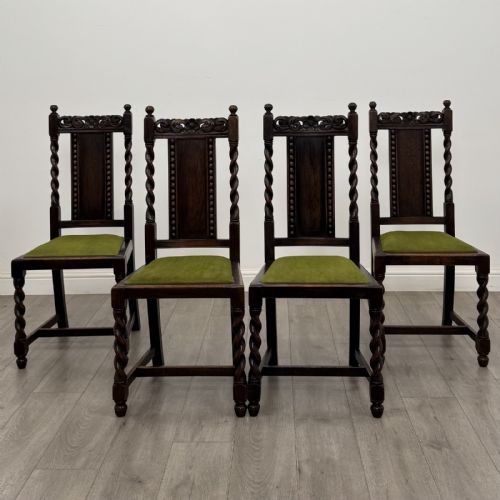
Even the children managed to sit straight in Victorian times, as proved by a small barley twist chair.
The Antique Green Dining Chairs Glossary
- Carver chair
- An armchair designed to sit at the head of a dining table, typically matching a set of side chairs. These often feature open arms or scroll arm carvers.
- Splat
- The vertical central strip of wood in the back of a chair, frequently shaped or pierced in Georgian and Chippendale designs.
- Cabriole leg
- A furniture leg that curves out and then in, mimicking an animal's leg, commonly found on eighteenth and nineteenth-century seating.
- Side chair
- A chair without arms, designed primarily for use at the side of a dining table.
- Scroll arm
- An armrest curved in the form of a scroll, seen on Regency and William IV armchairs.
Antique Green Dining Chairs: Frequently Asked Questions
How do I clean wooden chair frames?
Dust the timber regularly with a soft cloth to prevent particle buildup. Apply microcrystalline wax periodically to nourish the wood surface.
Avoid using harsh chemical sprays or excessive water, which can damage antique polishes and finishes.
Can I mix different chair styles?
Pairing carver chairs at the table ends with side chairs along the sides creates a balanced arrangement. Mixing related periods, such as Georgian and Regency mahogany, maintains a cohesive aesthetic.
Ensure seat heights align comfortably with standard dining table clearances before combining diverse pieces.
How do I care for antique upholstery?
Vacuum fabric and velvet surfaces gently with a soft brush attachment to remove dust. Protect leather sections with specialised saddle soap or leather balms.
Keep upholstered chairs away from direct sunlight to prevent the green dyes in the fabric from fading.
How do I identify Victorian oak chairs?
Look for heavy proportions, dark finishes, and decorative influences like Gothic Revival or Jacobean styles. These chairs often feature sturdy turned legs and panelled or carved backs.
Examine the construction joints underneath to check for period hand-tool marks.