
Antique Green Accent Table
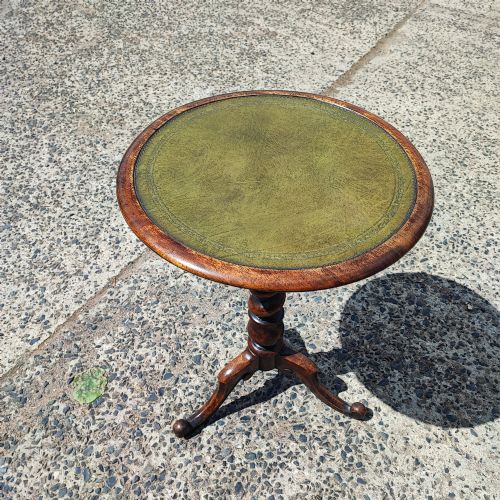
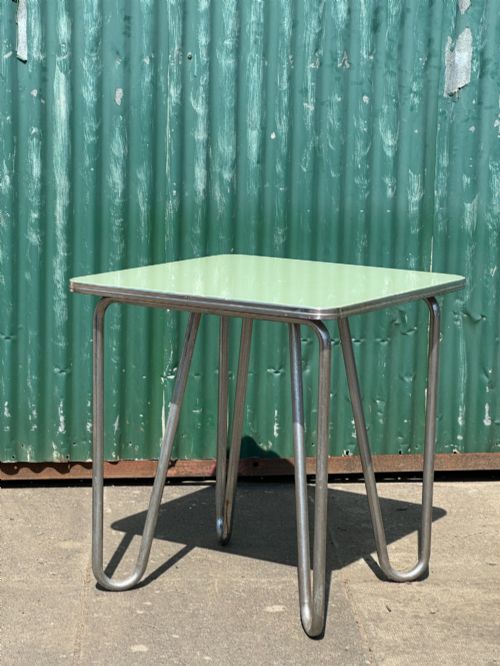
An antique green accent table brings character and a splash of colour to a room, offering both practical surface space and historic charm.
Antique Green Accent Table
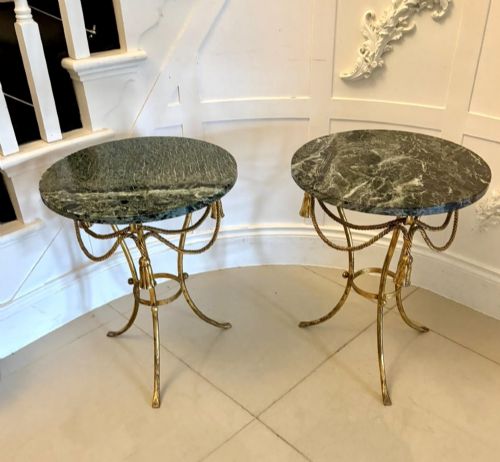
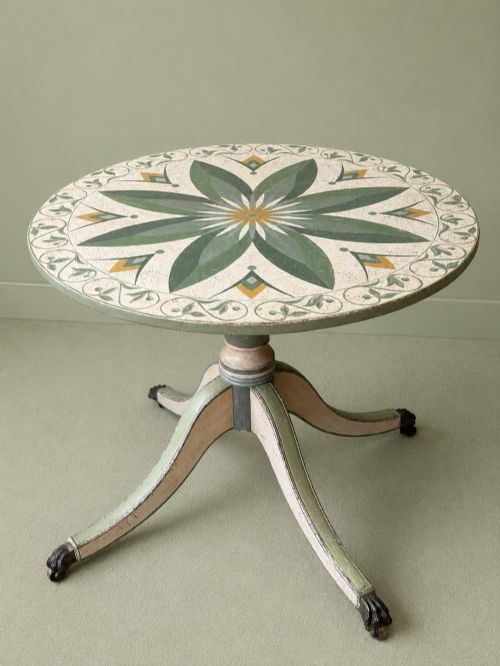
An antique green accent table encompasses a varied selection of occasional, side, lamp, and centre tables originating from periods spanning the eighteenth century through to the early twentieth century. Buyers searching for an antique green accent table will encounter pieces shaped by diverse regional designs, including English country pieces, French gueridons, and Italian painted furniture.
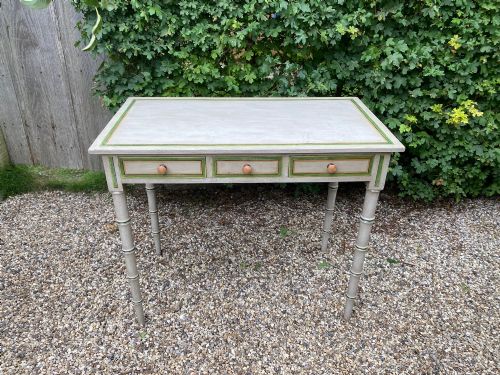
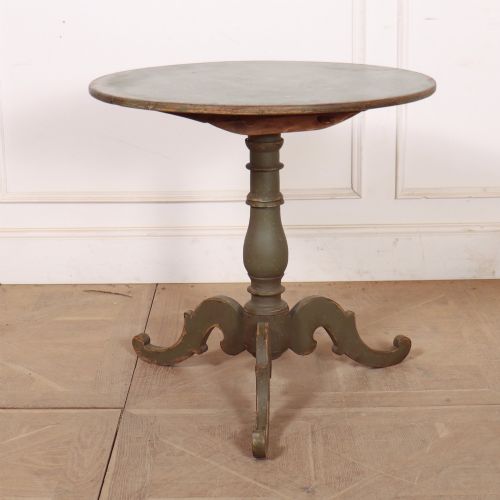
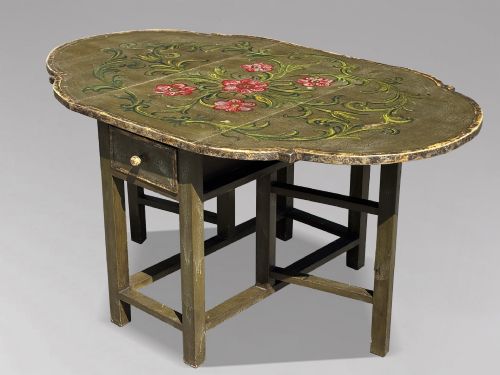
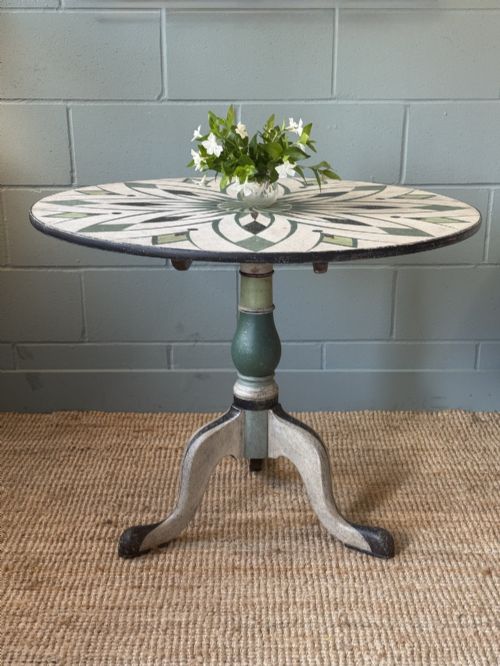
The selection on this page relies heavily on painted wooden surfaces, often featuring green hues alongside giltwood, parcel-gilt details, or faux bamboo finishes. Forms range from compact lamp tables and drop-leaf designs to tilt-top tables and occasional stands topped with marble or onyx.
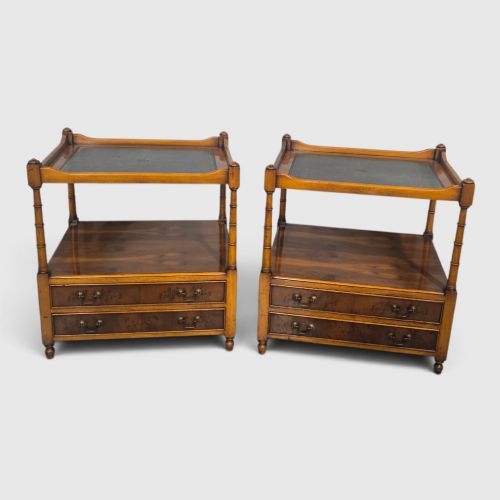
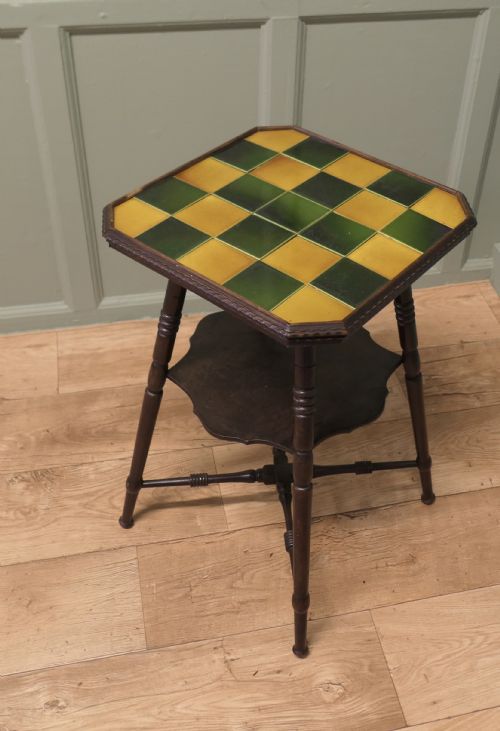
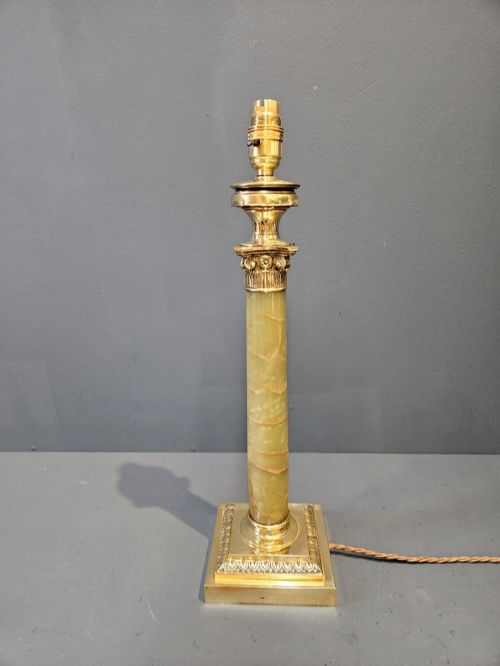
Many of these tables serve secondary functions as lamp tables, writing desks, or display stands, incorporating materials like brass, bronze, and tiled tops alongside traditional timbers such as oak, mahogany, and pine.
How they were made
Maker workshops utilised solid timbers such as oak, mahogany, and pine as the structural foundation for these tables, frequently applying decorative paint layers or gilt finishes to achieve distinctive green colourways. Surface ornamentation often involved hand-carved wooden details, faux bamboo turnings, or applied metal mounts in brass and bronze.
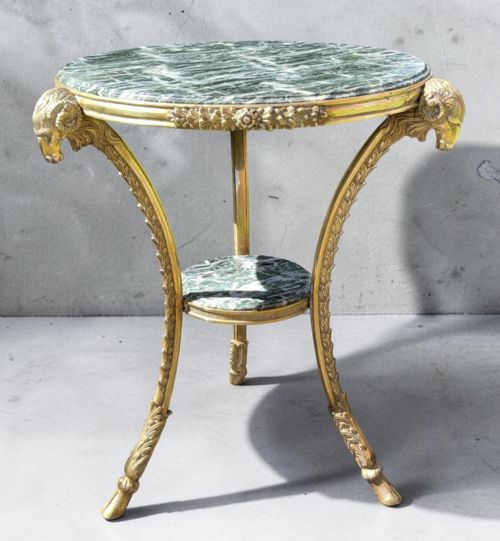
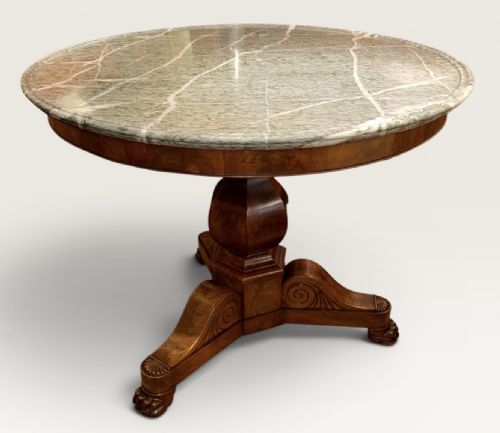
Many occasional and centre tables incorporate contrasting inset tops made from white or green marble, onyx, and tiled surfaces, fitted securely into wooden or gilt metal frames. Painted surfaces were built up using traditional pigments and varnishes, sometimes featuring later decorative floral designs or parcel-gilt highlights over carved mouldings.
Listings feature pieces spanning the 18th century, 19th century, and early 20th century, utilising materials including brass, marble, painted wood, and oak.
What varies in quality
The standard of a piece is defined by the integrity of its timber construction, the depth and originality of its painted or gilded surface, and the harmony of its proportions. Tables featuring undisturbed original paintwork or period marble and onyx inserts command greater attention than those with heavily restored or later applied decoration.
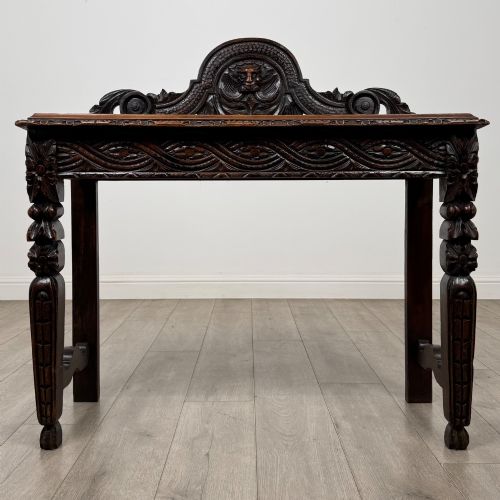
Finer examples display crisp hand-carving on cabriole legs, dolphin supports, or faux bamboo turnings, alongside robust joinery that ensures stability. The distinction between standard utility items and finer decorative works lies in the subtlety of the surface patination and the precision of the metal or stone mountings.
Shapland & Petter
The Antique Green Accent Table Glossary
- Gueridon
- A small French round table, typically supported by a central pillar or a trio of legs. These pieces frequently feature marble tops and served historically as stands for lights or decorative objects.
- Tilt-top table
- A small table with a hinged tabletop that can be rotated to a vertical position when not in use. This mechanism allowed tables to be stored flat against a wall in smaller rooms.
- Occasional table
- A small, movable table designed for a specific, transient use in a living space. They appear in various forms, including lamp tables, wine tables, and side tables.
- Parcel-gilt
- A decorative technique where selected portions of an object are highlighted with gold leaf. This method was often applied over painted wooden surfaces to accentuate carved details.
- Faux bamboo
- A decorative finish where wood is turned and painted to imitate the segmented stalks of natural bamboo. This style gained popularity during the nineteenth century under Asian design influences.
Antique Green Accent Table: Frequently Asked Questions
What is an accent table used for?
An accent table provides a convenient surface for holding lamps, books, or decorative objects within a living space. Their compact dimensions allow them to fit easily beside seating arrangements or in narrow hallways.
Historically, specific variations like lamp tables or gueridons were built to support heavy lighting or display prized ornaments. Today, they function primarily to break up large expanses of floor space and add regional character to a room.
How do I date an antique green table?
Dating relies on observing the structural joinery, the type of timber used, and the style of the carving or painted decoration. Pieces from the eighteenth century often feature simpler, heavier construction in oak or pine, while nineteenth-century examples might incorporate exotic veneers or painted faux bamboo.
Stylistic cues also provide clear markers, such as Regency period influences or Arts and Crafts movement details. Examining the wear patterns on the painted surfaces helps distinguish original historic finishes from later decorative updates.
Are painted green tables original?
Many tables retain their original painted finishes, particularly those originating from Italian, Swedish, or English country workshops. Pigments and surface patination develop distinct ageing characteristics that expert handlers use to verify authenticity.
Some pieces, however, received decorative paint layers later in their lifespan, such as Victorian tilt-top tables with subsequent floral artwork. Checking beneath the tabletop and inside joints reveals whether the paint layer aligns with the age of the wood.
How do I care for a painted wooden table?
Painted wooden surfaces require protection from direct sunlight and excessive moisture to prevent the finish from fading or cracking. Gentle dusting with a dry, soft cloth is sufficient for regular maintenance.
Avoid applying harsh chemical polishes or modern cleaning sprays directly onto historic paintwork or giltwood details. Using coasters beneath drinks and placing felt pads under decorative items safeguards the surface against scratches.