
Antique Gothic Cupboard
An antique gothic cupboard brings architectural presence and robust timber construction into a room, appealing directly to collectors of revival furniture.
Antique Gothic Cupboard
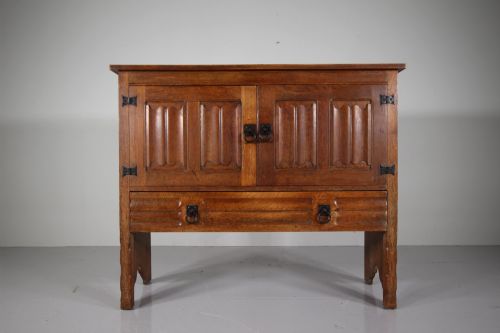
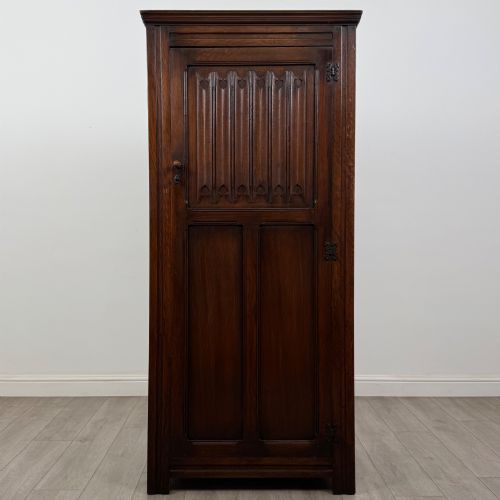
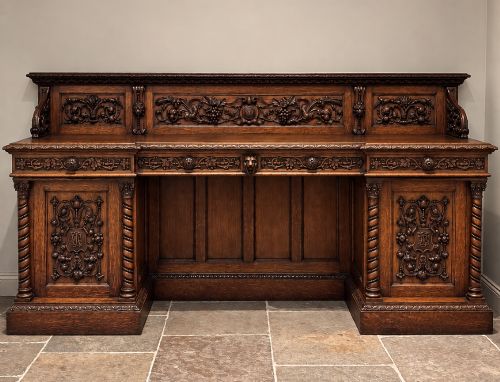
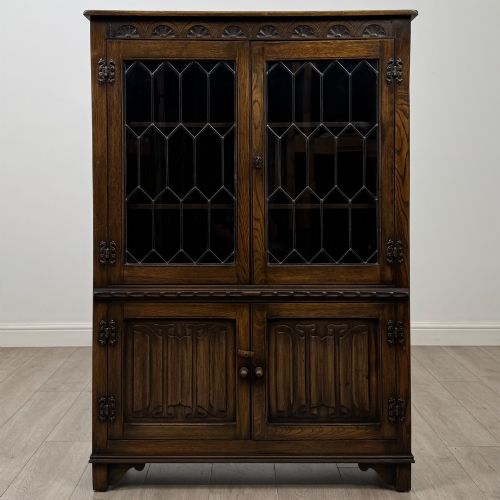
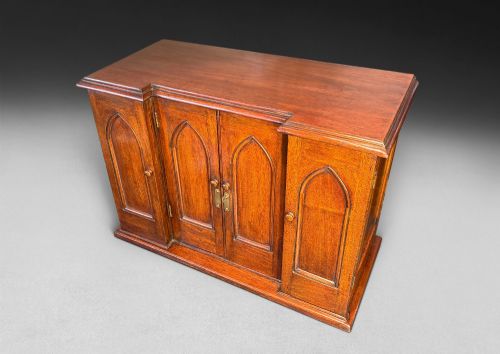
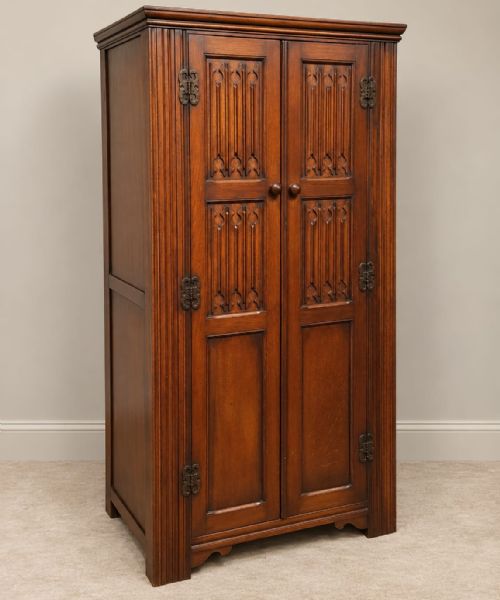
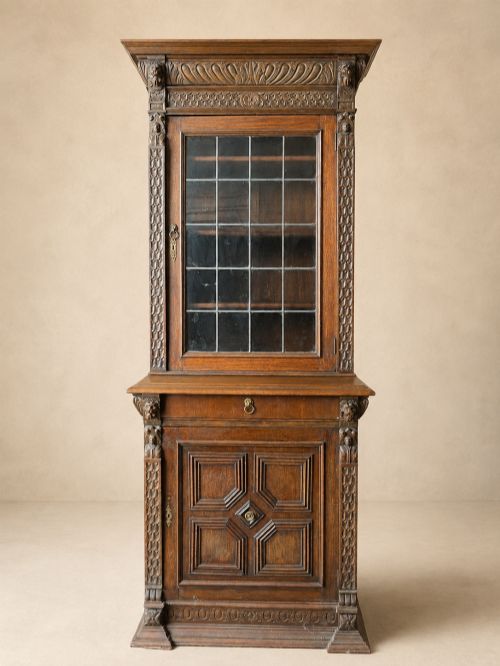
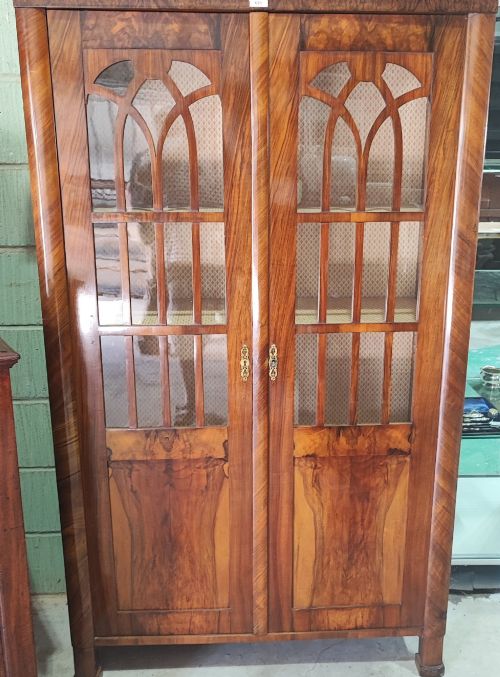
When searching for an antique gothic cupboard, buyers encounter a variety of storage furniture spanning the nineteenth and early twentieth centuries. These pieces display distinct architectural elements such as pointed arches, linenfold panels, and heavy carved mouldings derived from medieval design.
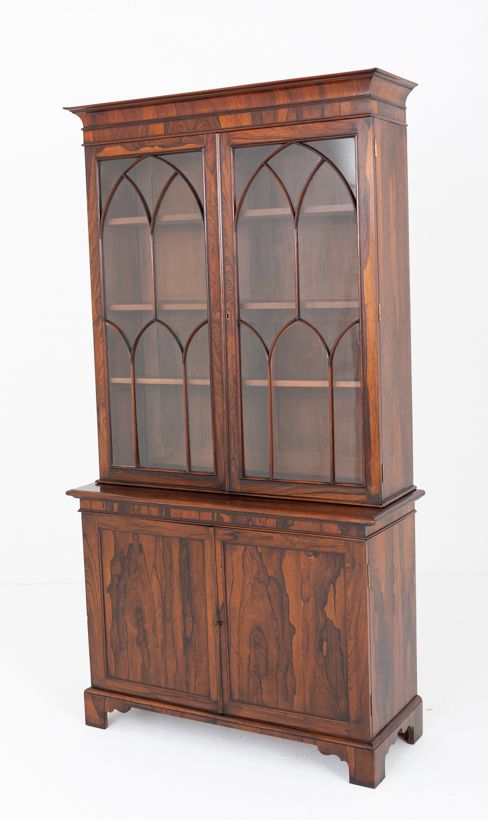
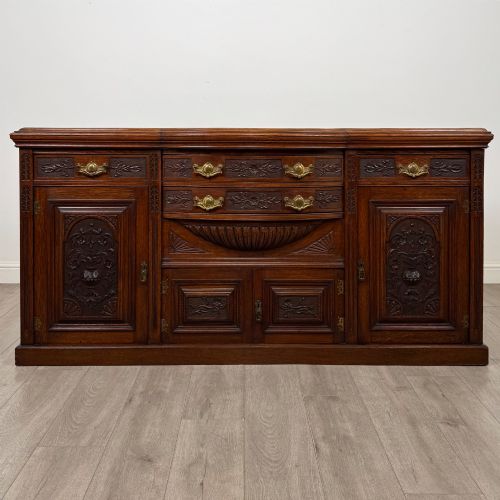
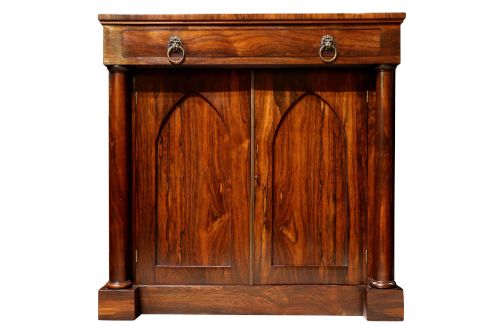
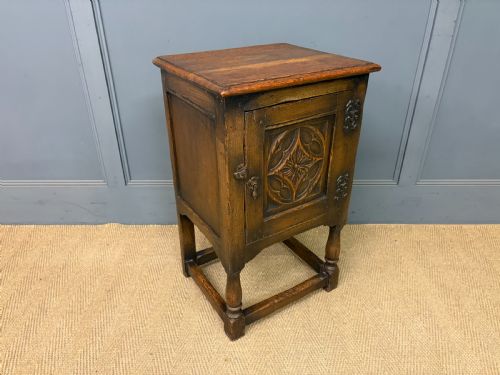
The selections available range from compact table-top collectors cabinets and pot cupboards to larger sideboards, wardrobes, and display cabinets. Oak predominates as the primary timber, appearing alongside pine, rosewood, and mahogany in Victorian and Edwardian interpretations.
Revival styles heavily influence the form, connecting pieces directly to Victorian Gothic Revival, Arts and Crafts, and Tudor Revival movements. Buyers frequently find oak cupboards featuring carved tracery and panelled doors suited for traditional and eclectic interiors alike.
How they were made
Cabinet makers utilised solid timbers, principally oak and pine, supplemented by decorative veneers of rosewood, mahogany, and pollard oak on select revival pieces. Construction relied upon traditional joinery techniques, including mortise and tenon joints, to ensure structural endurance for large wardrobes and sideboards.
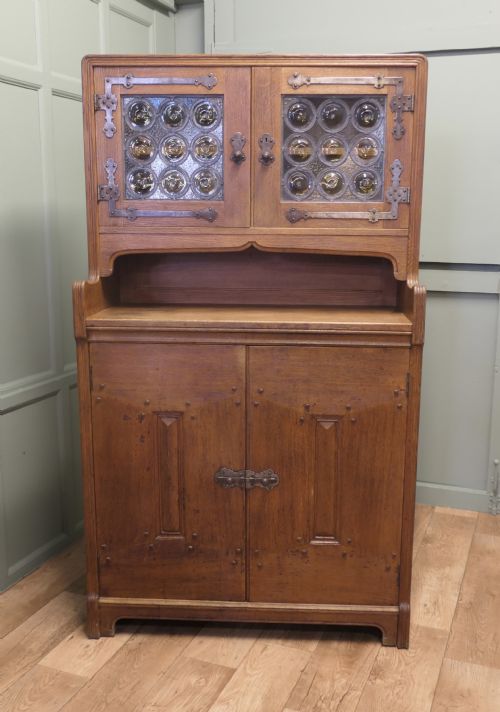
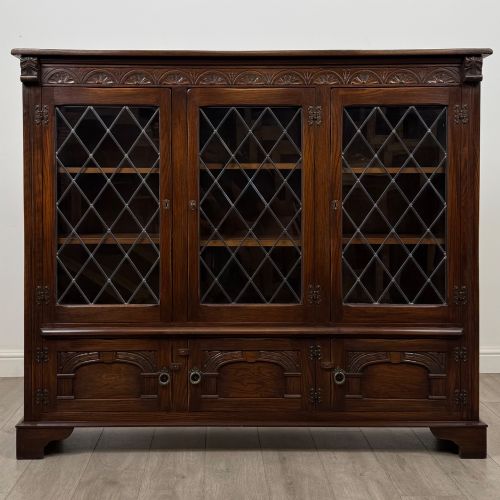
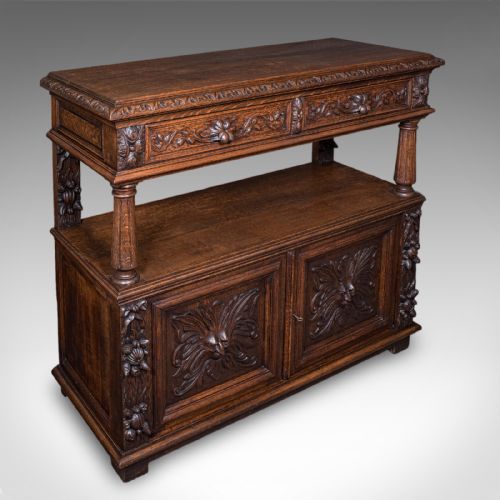
Surface ornamentation involved detailed hand-carving executed directly into the wood, creating geometric patterns, linenfold textures, and tracery motifs. Glazed doors incorporated lead and brass fittings, while iron hardware provided functional hinges and locks for heavy two-door cupboards.
Display cabinets and sideboards represent the primary object types available in this category.
What varies in quality
Quality rests upon the depth and precision of the hand-carving, the selection of figured timbers, and the integrity of the original construction. Superior examples exhibit crisp relief work on panels and mouldings, whereas simpler utilitarian pieces rely on machine-cut details or plain surfaces.
The choice of secondary woods, the retention of original brass and iron hardware, and the stability of large door frames distinguish master workshops from standard commercial production.
Jas Shoolbred·Arthur Simpson of Kendal·Heals
The Antique Gothic Cupboard Glossary
- Linenfold
- A style of wood carving that imitates folded fabric, frequently seen on the panels of cupboards and cabinets from the revival periods. This technique creates a textured surface resembling vertical folds of linen cloth.
- Tracery
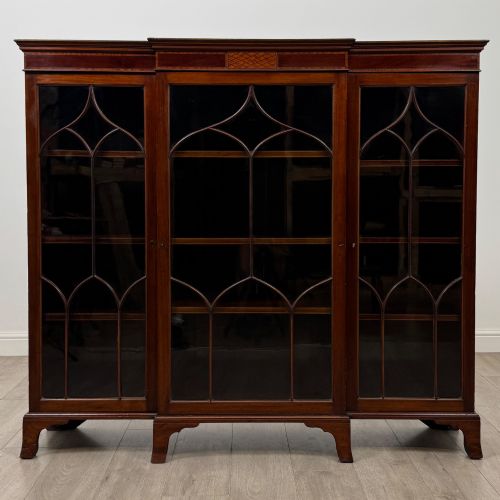
- Architectural ornamentation consisting of intersecting stonework ribs, adapted by cabinet makers to wooden door panels and glazing bars. It provides the characteristic pointed arches associated with gothic design.
- Chiffonier
- A low sideboard or cabinet featuring drawers and shelves, popular during the nineteenth century. These pieces often incorporate enclosed cupboard space beneath a tier of surface shelving.
- Breakfront
- A cabinet design where the central section projects forward from the flanking wings. This configuration adds visual depth to large bookcases and sideboards.
- Pot cupboard
- A small bedside cabinet originally designed to house a chamber pot. These compact items provide enclosed shelving in a minimal footprint.
Antique Gothic Cupboard: Frequently Asked Questions
How do I identify a gothic revival piece?
Identification relies on spotting specific architectural elements borrowed from medieval buildings, such as pointed lancet arches, trefoils, and heavy linenfold panels. Carved tracery across the doors and deep moulded cornices are standard indicators.
Material choice also aids identification, with golden and dark oak dominating the revival periods. Hardware such as heavy iron hinges and brass drop handles further supports the period attribution.
Where should I place a large cupboard?
Large wardrobes, sideboards, and bookcases require substantial wall space and stable flooring to support their heavy timber construction. Dining rooms and grand hallways accommodate sideboards and display cabinets effectively.
Ensure the room maintains stable humidity levels to protect solid oak and mahogany panels from warping. Placing pieces away from direct heat sources preserves the timber and original surface finishes.
Are these cupboards suitable for modern homes?
These storage pieces integrate well into modern interiors by offering robust, enclosed space that conceals contemporary items. Smaller formats like pot cupboards and table-top cabinets fit easily into bedrooms and living areas.
Combining historic woodwork with modern decor creates a layered interior style. The neutral tones of natural oak and pine complement a wide range of wall colours and textiles.