

Antique Gold Sofa
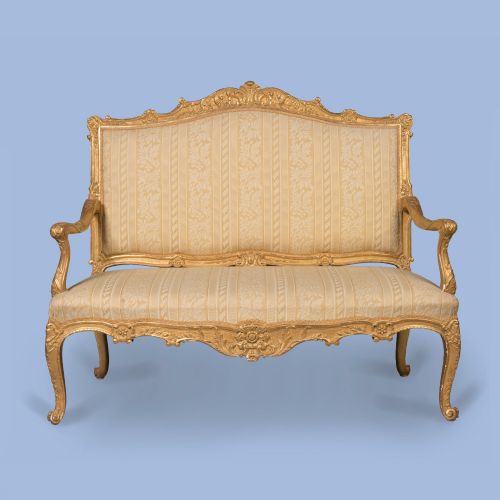
An antique gold sofa brings brilliant warmth and historical presence into a room, combining carved giltwood frames with rich traditional upholstery.

Antique Gold Sofa
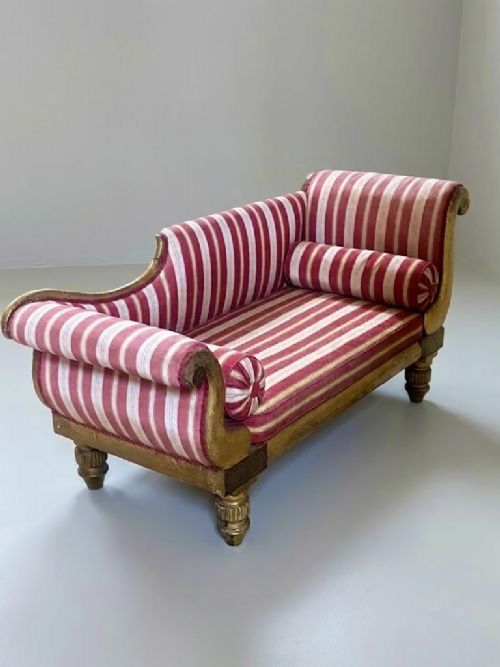
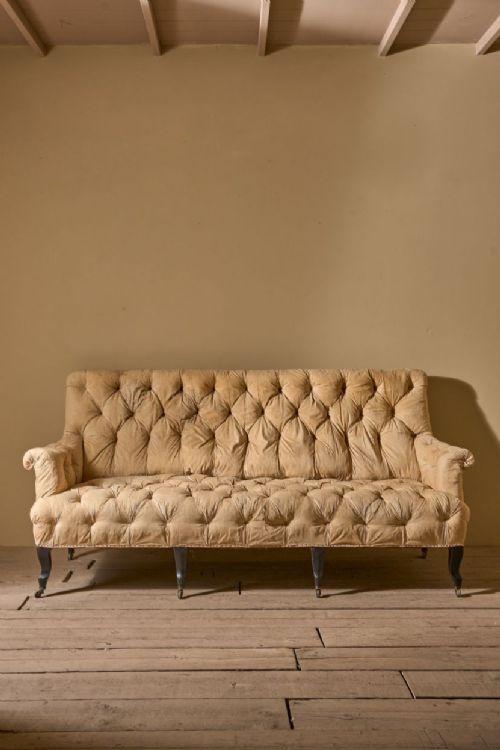
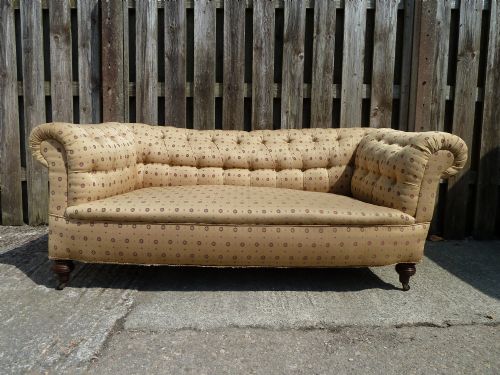
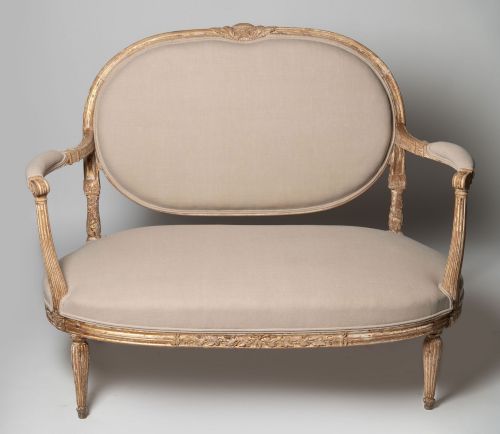
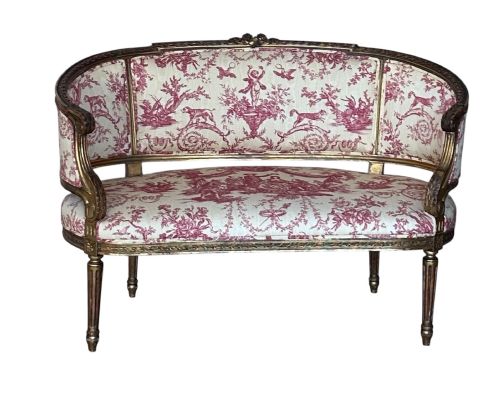
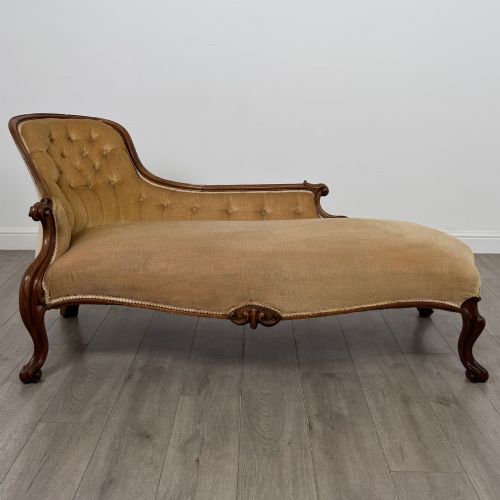
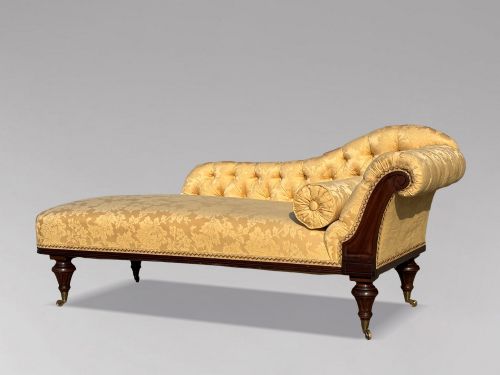
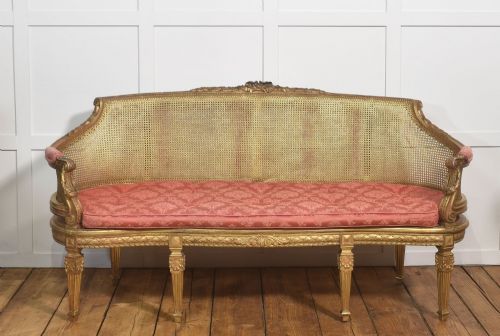
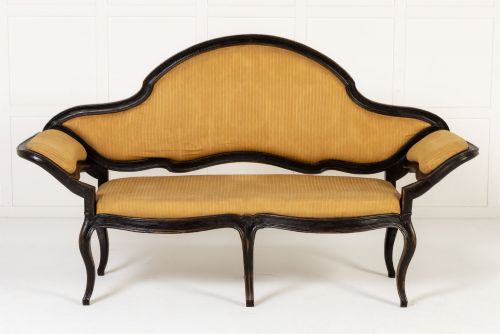
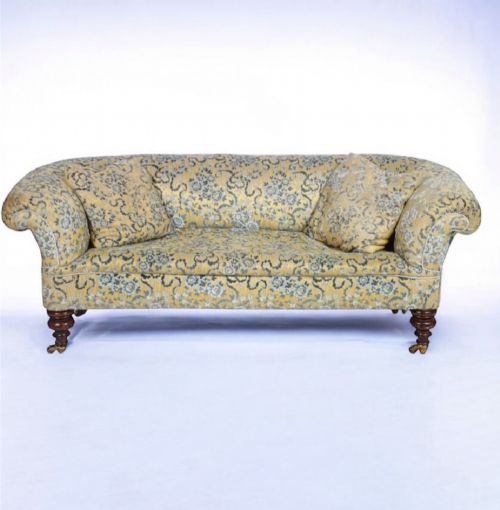
When searching for an antique gold sofa, buyers encounter a diverse selection of seating originating from the eighteenth, nineteenth, and early twentieth centuries. These pieces encompass formal French canapés, English Regency and Victorian settees, and occasional chaise longues finished in bright or burnished gold tones.
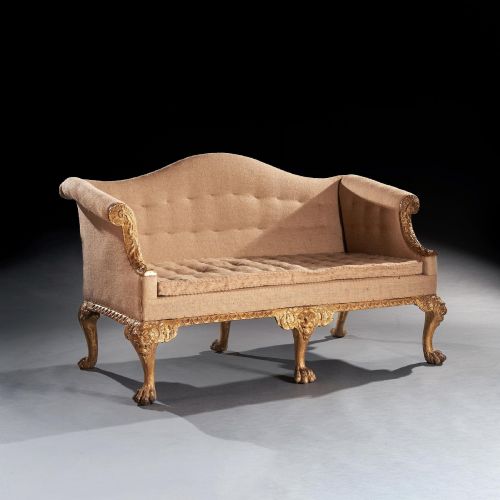
The most common examples on this page are nineteenth-century French and Victorian giltwood or gilt-painted sofas. Many feature exposed carved wood frames paired with silk, damask, or velvet upholstery.
Alongside traditional two-seat sofas, the selection includes larger salon suites, daybeds, and corner arrangements designed for drawing rooms and formal reception spaces.
How they were made
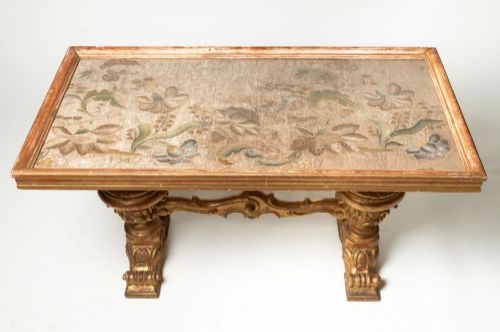
The frames are predominantly constructed from timber such as mahogany, walnut, or beech, which is then prepared and gilded with thin layers of gold leaf or finished with metallic paint. Carved details range from simple moulded lines to elaborate floral motifs and neoclassical scrollwork.
Upholstery techniques rely on traditional stuffing materials secured over webbed bases, traditionally covered in textiles such as striped silk, damask, or textured velvet. Some variants incorporate cane panels within the wooden framework for a lighter visual weight.
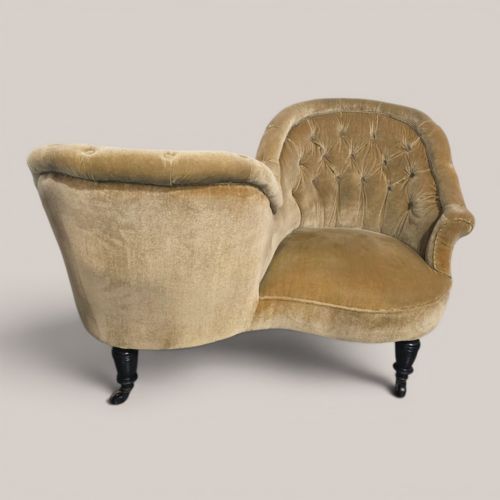
Conversation sofas appear here designed so two people could sit facing opposite directions while maintaining a polite distance.
What varies in quality
Quality rests primarily on the depth and crispness of the hand-carving upon the wooden frame. Sharply defined acanthus leaves, scrollwork, and moulded contours distinguish master craftsmanship from mechanical or routine production.
The method of gilding also dictates the standard of the piece, with genuine gold leaf ageing with a soft, warm patina compared to flat modern metallic paints. Furthermore, the integrity of the underlying timber frame and the appropriateness of the textile selection determine the overall finish.
Giles Grendey
The Antique Gold Sofa Glossary
- Giltwood
- Timber coated with gold leaf or gold paint. This finish creates a reflective, luxurious surface popular in formal European furniture design.
- Canapé
- A decorative French settee featuring an exposed wooden frame and upholstered seat and back. These pieces often display elaborate carving typical of Louis XV and Louis XVI periods.
- Chaise Longue
- An elongated upholstered chair designed for reclining. It combines the backrest of a sofa with a seat long enough to support the legs.
- Bergere
- An enclosed upholstered armchair or settee with wooden frames. They frequently incorporate cane work on the sides or back.
- Damask
- A reversible figured fabric woven on a jacquard loom. It uses contrasting matte and satin threads to produce complex floral or geometric patterns.
Antique Gold Sofa: Frequently Asked Questions
How do I identify a French gold sofa?
French gold sofas typically display characteristic stylistic markers such as cabriole legs, curved giltwood frames, and carved floral crests. They often follow the design idioms of the Louis XV or Louis XVI periods.
Examine the joinery and the application of the gold leaf. Continental pieces frequently utilise beech or walnut beneath the gilt finish, differing from standard British cabinet timbers of the same era.
Where should I place a gilt sofa?
A gilt sofa serves as a strong focal point in a principal reception room, drawing room, or large hallway. Its reflective gold surface works well against neutral walls or deep, contrasting paint colours.
Keep these pieces away from direct sunlight and excessive moisture to protect the fragile gold leaf surface and delicate antique textiles from fading or degradation.
What is the difference between a settee and a sofa?
Historically, a settee denotes a compact, light wooden or upholstered seat designed for two or more occupants. The term sofa often implies a larger, fully upholstered piece intended for lounging.
In antique terminology, these words frequently overlap depending on the maker and the period. Both categories include giltwood frames and decorative fabric upholstery.
Can I reupholster an antique gold sofa?
Reupholstering an antique sofa is possible and often necessary to preserve the piece for daily use. Traditional stuffing and textile selection should match the historical period of the frame.
Consult a specialist restorer to ensure the original wooden structure and delicate gilt finish remain undisturbed during the reupholstery process.