



Antique Gold Porcelain
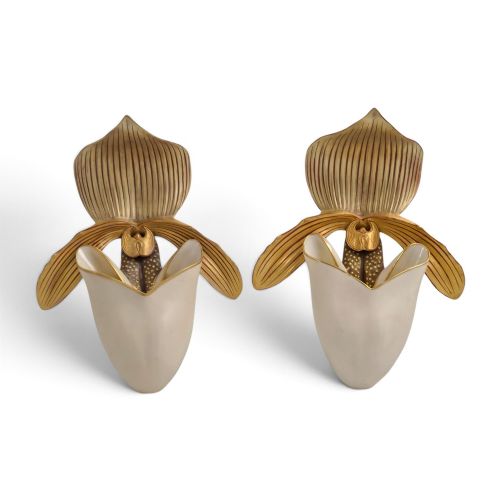
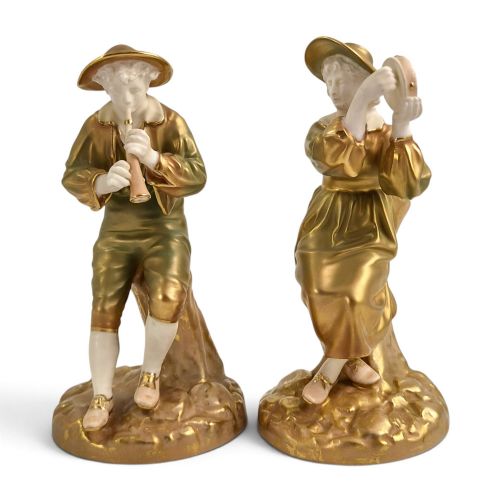
Antique gold porcelain brings together ceramic bodies and metal leaf, gilding, or ormolu across centuries of decorative dining and display.
Antique Gold Porcelain
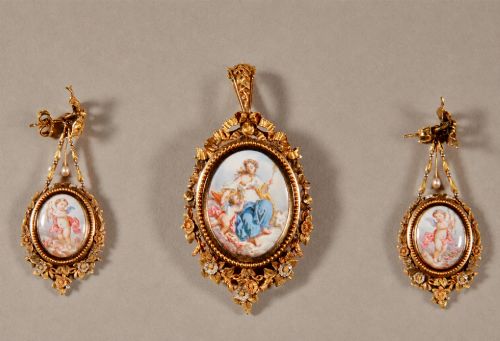
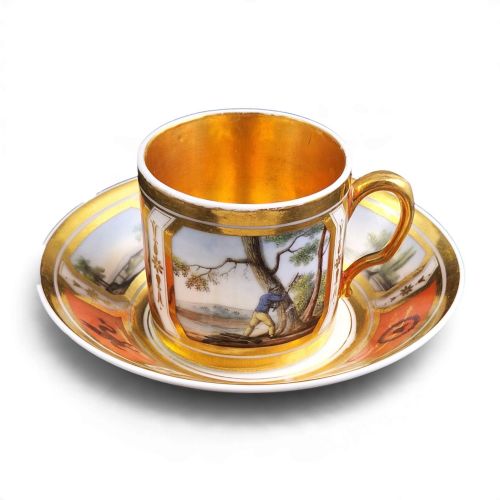
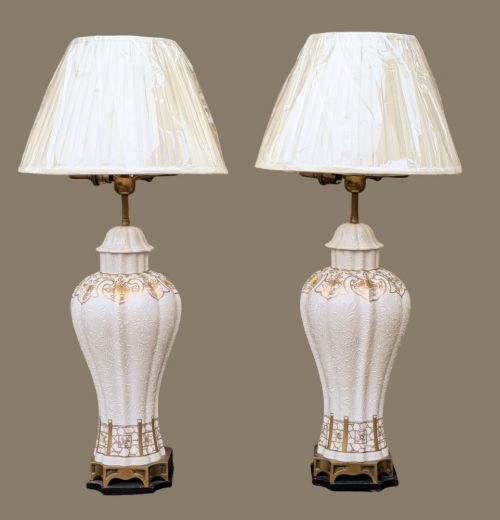
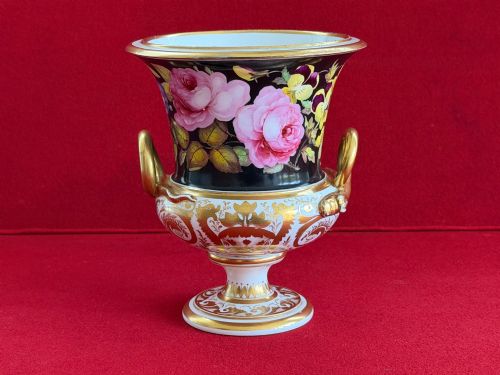
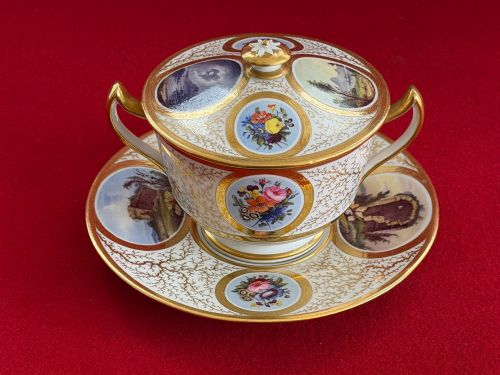
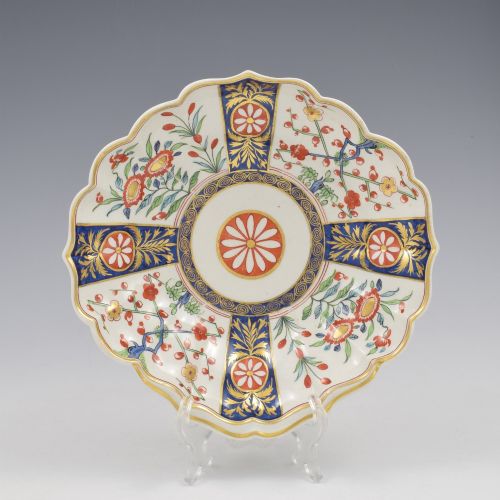
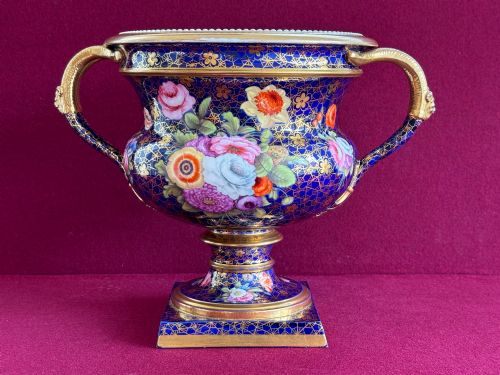
When you search for antique gold porcelain, you encounter items designed for display, tea service, and interior decoration from periods spanning the eighteenth through the early twentieth centuries. These objects range from delicate chocolate cups and cabinet plates to large vases, garnitures, and mantel clocks framed in gilt bronze.
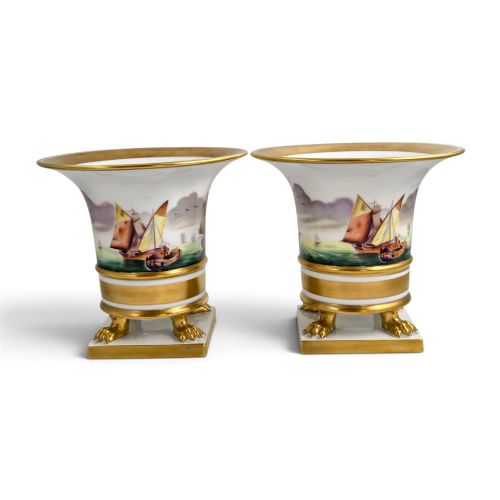
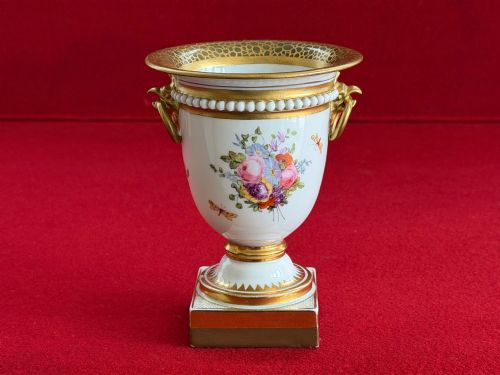
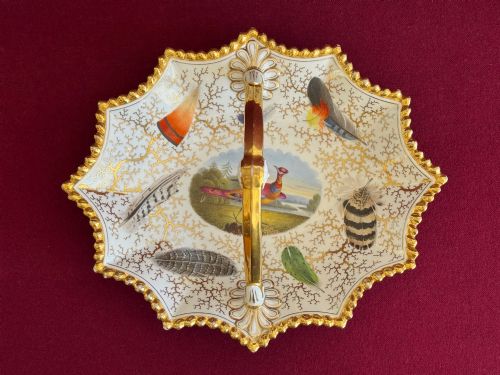
On this page, the pieces most frequently met originate from Georgian and Regency workshops, alongside Victorian and later nineteenth-century French creations. Forms include dessert services, spill vases, and plaques painted by hand with floral motifs or scenic views, all accented with metallic enrichment.
How they were made
Makers shaped ceramic bodies from porcelain and earthenware, often mounting them with gilt bronze and ormolu for structural stability and decorative contrast. Artisans applied gold leaf, gilding, and gilt highlights directly onto the fired surfaces, sometimes combining enamel painting with metal ornamentation.
The construction of complex forms such as mantel clocks, garniture sets, and handled vases required precise firing of both the clay and the metallic elements. Painters added hand-painted details before final glazing and secondary firing fixed the pigments and metallic lustres.
Antique Gold Porcelain Retail Price Guide 2026
Typical asking prices for gold porcelain among the pieces listed under this phrase on Sellingantiques today, from the lower quarter to the upper quarter. They describe what is for sale here now, not the wider market.
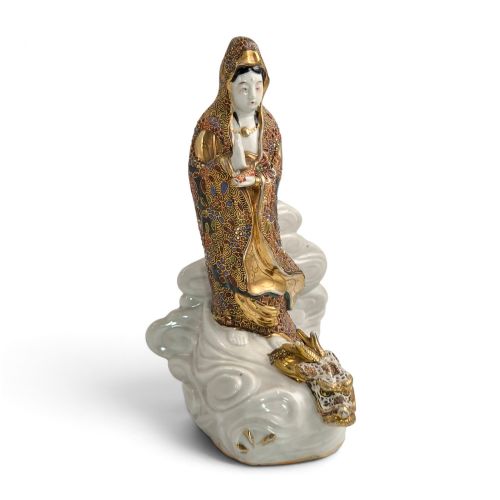
Listings feature porcelain forms from eighteenth-century Georgian plates to twentieth-century Satsuma wares, incorporating gold leaf and ormolu.
What varies in quality
The distinction between tiers of these items rests on the precision of the hand-painted decoration and the crispness of the gilt application. Superior examples display finely executed brushwork by named or recorded decorators, while lesser items rely on stenciled or repetitive motifs.
Material integration also determines standard, seen in how cleanly ormolu mounts fit porcelain bodies and how evenly the gold leaf adheres. Greater artistic ambition in the modeling of shapes, such as campana vases or figural clock cases, elevates the status of a piece.
Dr Wall Worcester·Spode Porcelain·Flight Barr And Barr·Royal Crown Derby·Imperial Porcelain Factory
The Antique Gold Porcelain Glossary
- Ormolu
- Gilded bronze used for furniture mounts, clock cases, and decorative vessel surrounds. This technique involves applying a mercury and gold amalgam to bronze before heating.
- Gilding
- The application of gold leaf or powder to ceramic surfaces. It creates metallic borders and highlights on plates, cups, and vases.
- Garniture
- A set of matching vases or ornamental objects designed for display on a mantelpiece or sideboard. They typically consist of three or five pieces.
- Paste
- The specific ceramic composition used to form the body of a porcelain piece. Soft-paste and hard-paste bodies react differently to heat and glaze.
Antique Gold Porcelain: Frequently Asked Questions
How do I clean antique porcelain?
Dust these items gently with a soft, dry brush to remove surface particles without disturbing delicate gilding or hand-painted enamel details.
Avoid immersion in water, chemical cleaners, or ultrasonic baths, as moisture and harsh solvents can lift gold leaf and damage nineteenth-century glazes.
Were these pieces used daily?
Many items, such as teacups, dessert services, and chocolate cups, served functional roles in formal dining and drawing-room hospitality during the Georgian and Regency eras.
Larger objects like mantel clocks, plaques, and garniture vases existed strictly for visual display and interior ornamentation in wealthy homes.
How are periods identified?
Examination of paste composition, factory marks, potting style, and decorative motifs helps assign pieces to eras such as Regency or Victorian.
Written patterns, impressed ciphers, and the specific composition of gilding offer additional clues to dating an object accurately.
Can antique clocks still run?
Many French mantel clocks featuring ormolu and porcelain panels retain their original mechanical movements and function reliably after professional servicing.
Restored clockworks by makers like Achille Brocot operate with pendulums and keys, though owners often consult specialists for ongoing maintenance.