
Antique Gold Pocket Watch
An antique gold pocket watch brings tactile timekeeping to the waistcoat, offering solid gold or plated weight and mechanical precision from eras past.
Forms and periods
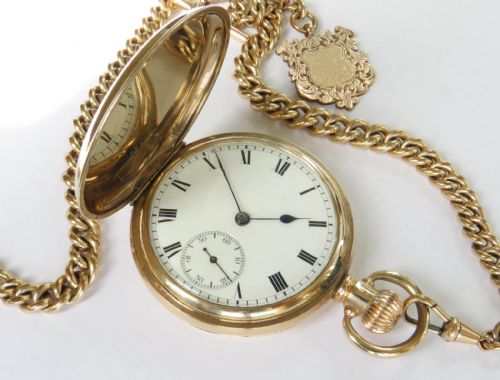
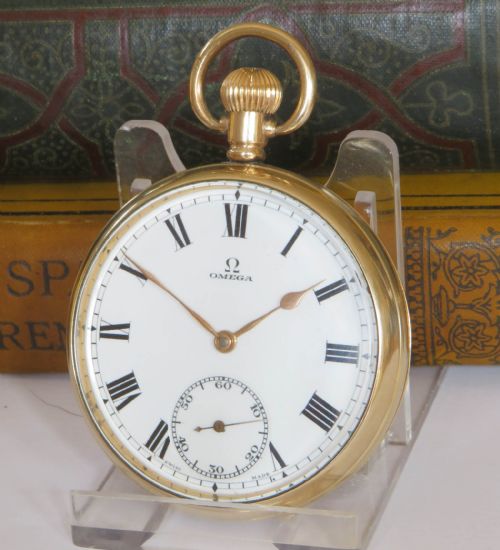
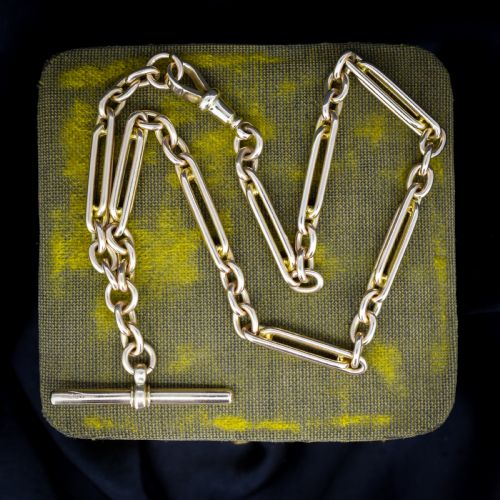
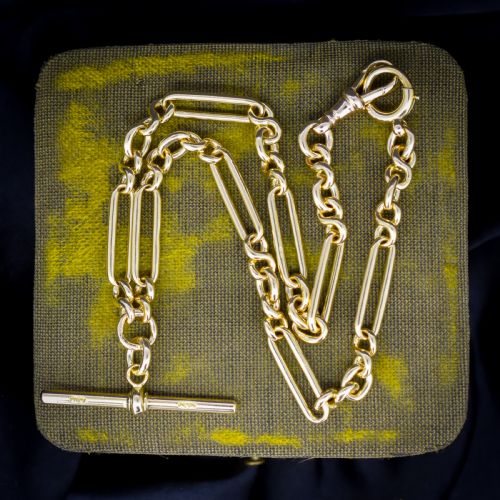
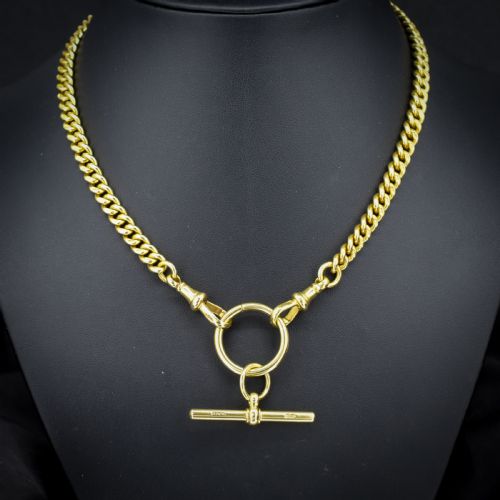
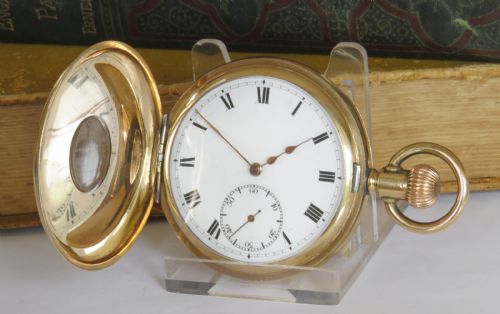
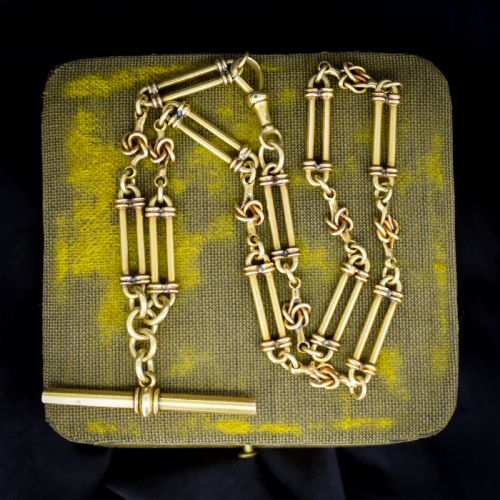
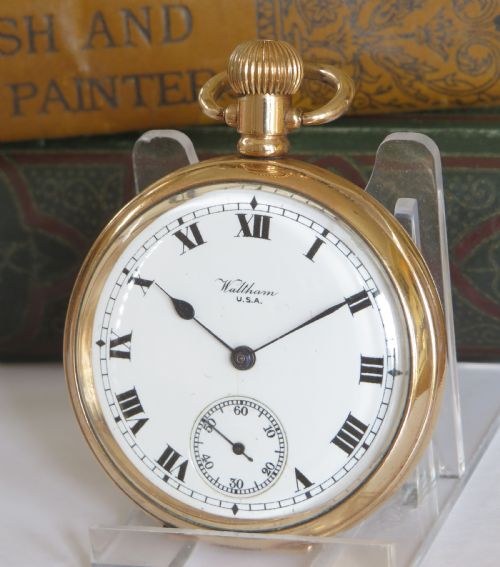
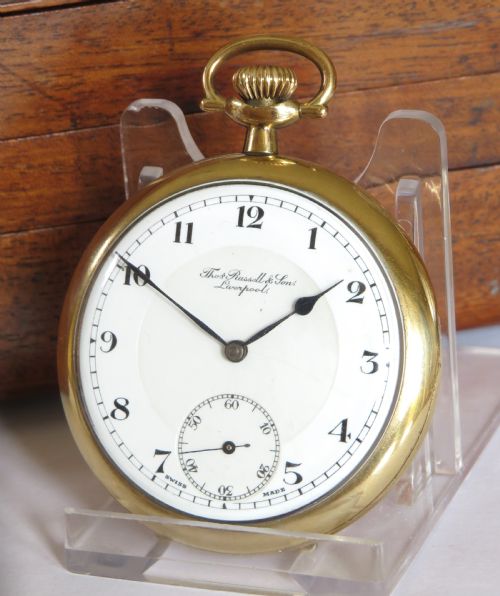
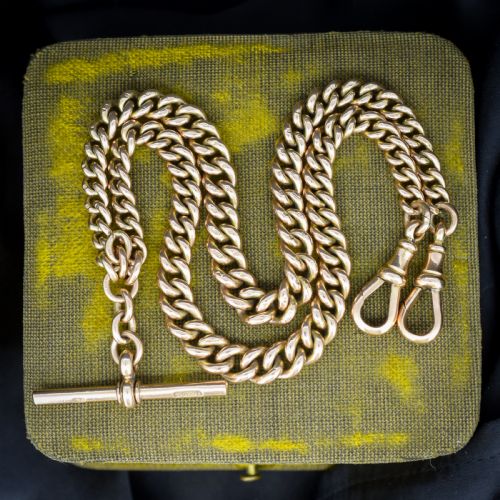
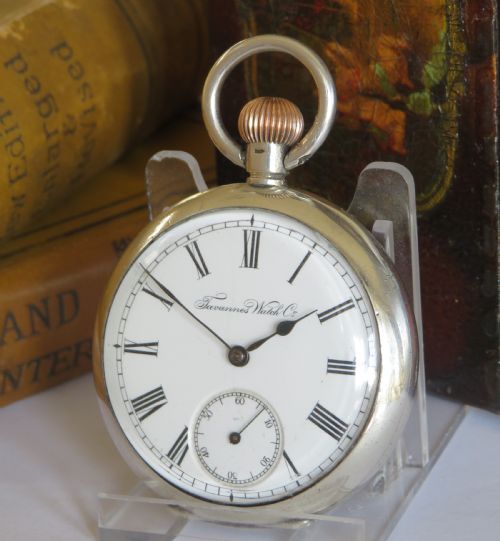
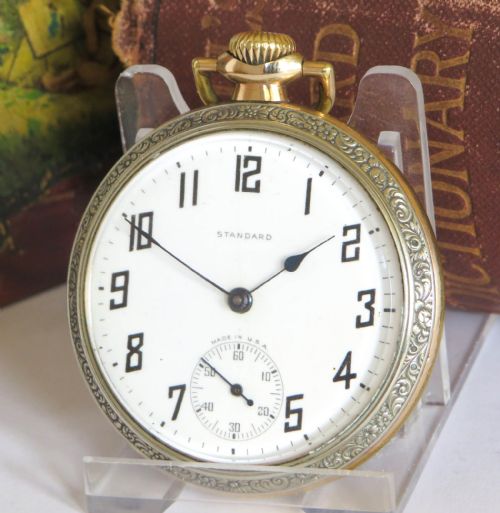
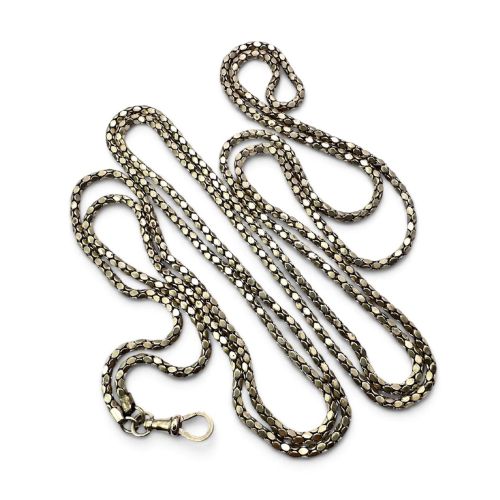
When you search for an antique gold pocket watch, you encounter Victorian, Edwardian, and Art Deco designs spanning the nineteenth and early twentieth centuries. These timepieces take the form of open faced watches, full hunters, half hunters, and fob watches, often accompanied by matching watch chains or albert chains.
The pieces on this page originate from periods such as the eighteen eighties, nineteen twenty, and nineteen thirty. You will find solid gold cases alongside gold plate, rolled gold, and gold filled variations, often paired with glass crystals and enamel dials.
Materials and construction
Watchmakers constructed cases from solid eighteen carat gold, fourteen carat gold, and nine carat rose gold, as well as layered materials like rolled gold and gold filled metals. Components include steel movements, glass covers, and intricate enamel work on the dials.
Engraving techniques such as engine turning add texture to the metal surfaces. Movements range from fusee and verge mechanisms to jewelled Swiss calibres and American Waltham machinery.
Retail Price Guide 2026
Typical UK retail prices for gold pocket watch, calculated from the Sellingantiques database of over a million retail prices indexed since 2003. This retail price guide relies exclusively on Sellingantiques data; no external sources or auction records are used, so the figures do not describe the wider market.
Listings feature nineteenth century Victorian items alongside Edwardian designs and Art Deco pieces from nineteen twenty and nineteen thirty.
Standards of craftsmanship
Quality separates simple plated cases from solid eighteen carat gold housings and higher jewelled movements. The crispness of floral engraving on the face and back distinguishes superior tactile pieces.
Maker reputation and movement complexity, such as fusee mechanisms or signed Swiss and English calibres, elevate the standard of the watch.
Tiffany and Co Geneva·Louis Ulysse Chopard·Illinois Watch Co·J W Benson·George Jackson Glasgow
The Antique Gold Pocket Watch Glossary
- Full hunter
- A pocket watch featuring a spring loaded metal cover that protects the glass dial from scratches.
- Half hunter
- A case design with a small glass aperture in the front cover, allowing the user to read the hands without opening the watch.
- Open faced
- A watch design lacking a protective metal front cover, displaying the glass and dial directly.
- Albert chain
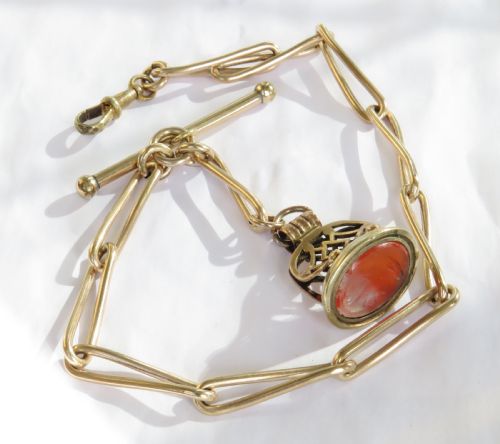
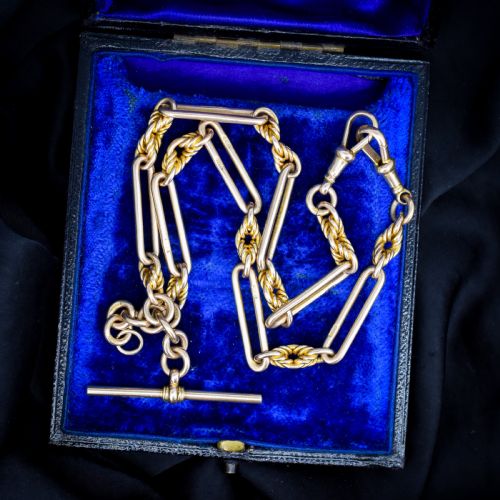
- A chain attached to a pocket watch, traditionally secured through a waistcoat buttonhole using a T bar.
- Fusee
- A conical pulley mechanism used in older mechanical watches to maintain even tension as the mainspring unwinds.
Frequently Asked Questions
How do I wind a pocket watch?
Most antique pocket watches use a key or a crown to tension the internal mainspring. Care must be taken not to overwind the mechanism.
Turn the component gently until resistance is felt to ensure the movement operates safely.
What is the difference between rolled gold and solid gold?
Solid gold watch cases consist of uniform precious metal throughout their structure. Rolled gold and gold filled pieces bond a layer of gold to a base metal core.
This technique provided the appearance and durability of gold at a lower weight and cost during the Victorian and Edwardian periods.
How do I wear an albert chain?
An albert chain threads through a central waistcoat buttonhole, securing with a T bar. The watch rests in the pocket, while a fob or pendant hangs from the drop.
Double albert chains pass through two buttonholes to balance weight across the garment.
Can I wear a pocket watch daily?
Mechanical timepieces require careful handling and regular servicing to maintain accuracy. Many owners wear them in waistcoat pockets for special occasions.
Protecting the watch from moisture and sharp impacts preserves the delicate internal components and case engraving.