

Antique Gold Ornament
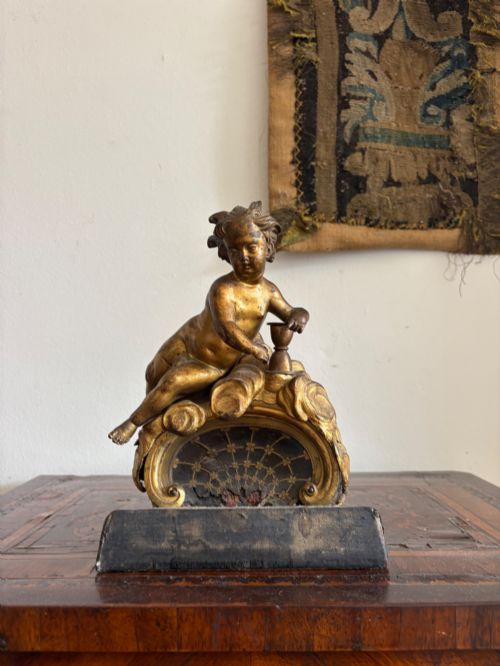
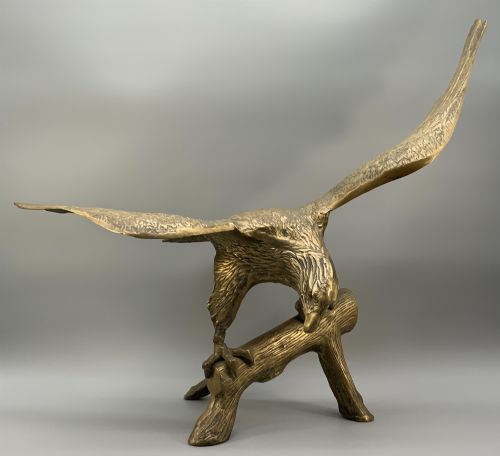
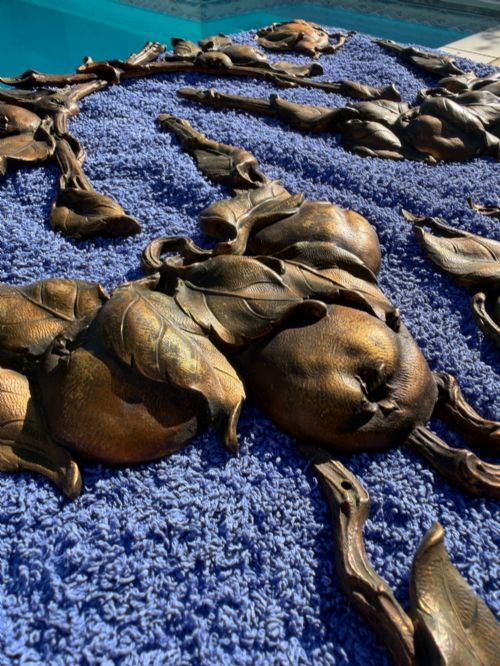
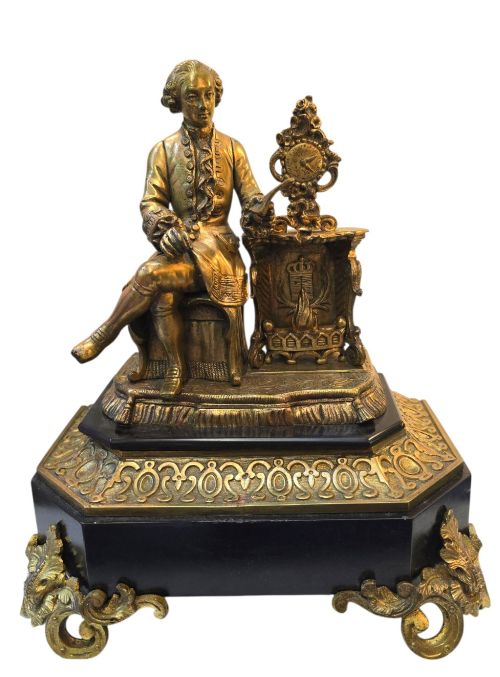
An antique gold ornament brings tactile historical presence into a room through rich cast metals, polished ceramics and gleaming gilt surfaces.
Antique Gold Ornament
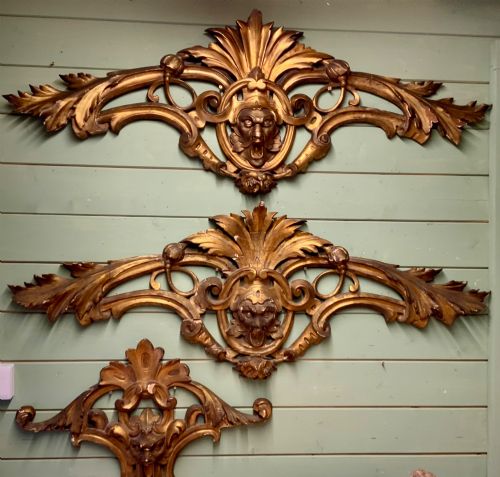
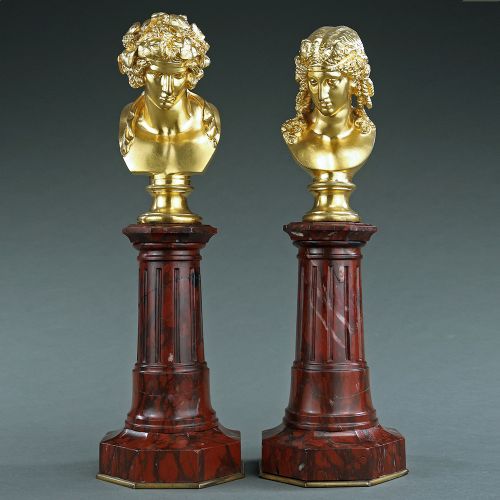
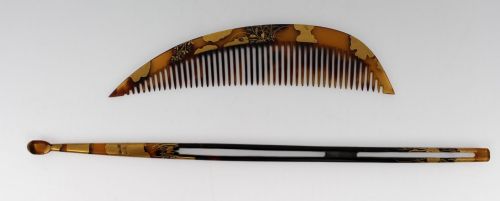
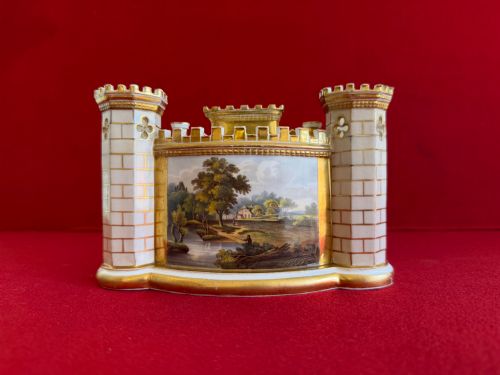
When searching for an antique gold ornament, buyers encounter a diverse selection of decorative works spanning the eighteenth, nineteenth and early twentieth centuries. These objects range from French gilt bronze appliques and ormolu mounts to English porcelain spill vases and Japanese Satsuma figures.
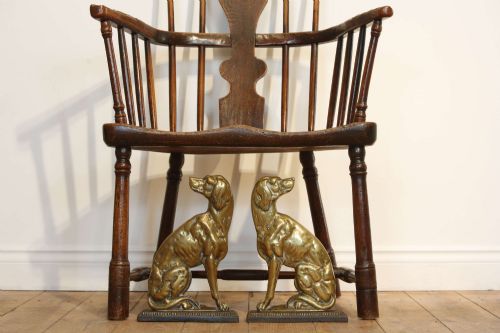
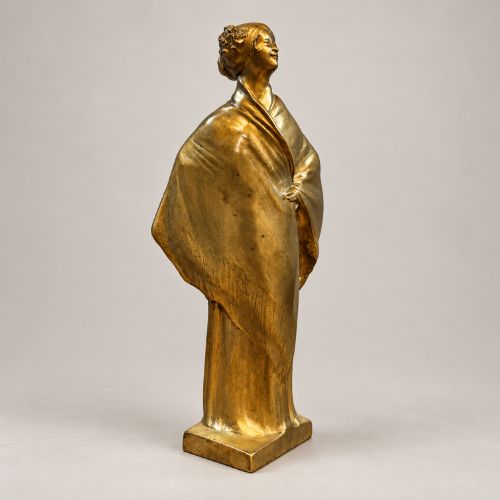
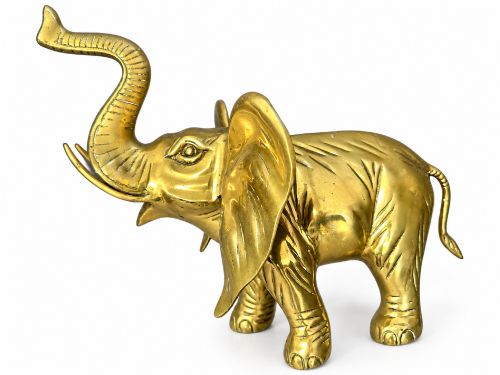
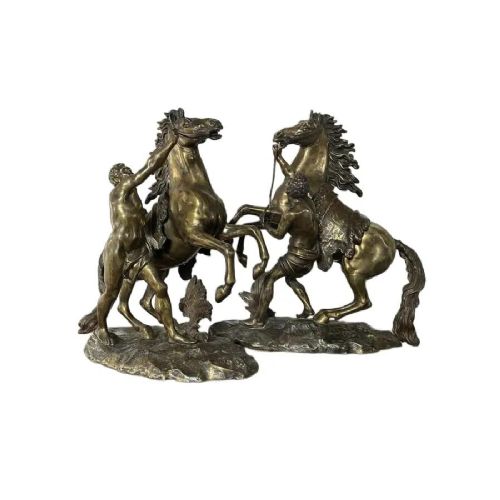
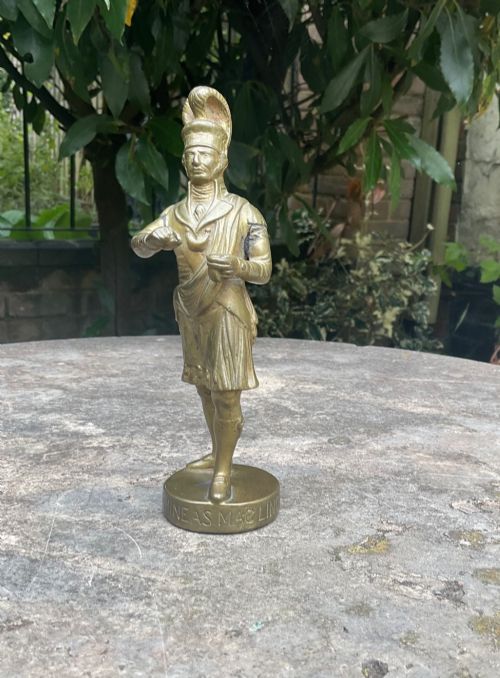
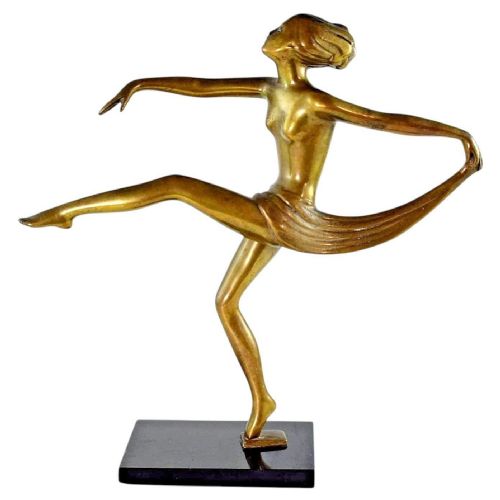
The most common examples on this page are nineteenth-century pieces utilising gilt bronze, brass, ormolu and painted porcelain. These include pairs of chimney ornaments, figural animal studies, neoclassical ewers and decorative mantel figures reflecting Victorian, Regency and Art Deco tastes.
Materials and construction methods
Metal items rely on traditional foundry methods such as lost-wax casting in bronze or brass, followed by hand-chasing to sharpen fine details in feathers, hair and drapery. Guilders then applied fine gold leaf or mercury gilt ormolu surfaces to create a lasting metallic sheen.
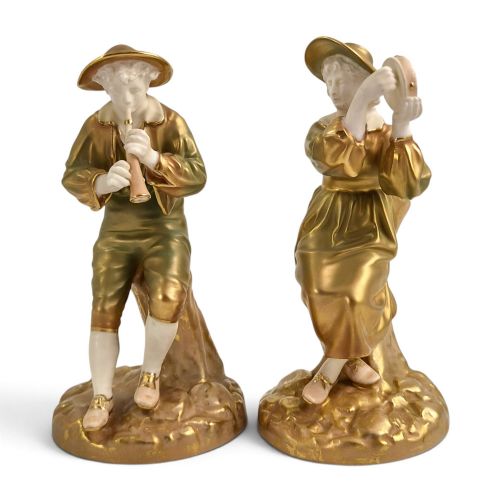
Ceramic pieces involve moulded earthenware, porcelain or blush ivory bodies painted with enamels and gilded highlights, sometimes incorporating cold-painted polychrome pigments directly onto cast bronze figures.
Antique Gold Ornament Retail Price Guide 2026
Typical asking prices for gold ornament among the pieces listed under this phrase on Sellingantiques today, from the lower quarter to the upper quarter. They describe what is for sale here now, not the wider market.
Listings feature items from the eighteenth, nineteenth and early twentieth centuries, spanning Regency, Victorian, Art Deco and Meiji period aesthetics.
Distinctions in manufacture and execution
Quality rests upon the crispness of the initial casting and the depth of the subsequent hand-chasing work by the artisan. Superior metalwork retains sharp contours and nuanced textural contrasts rather than soft edges and uniform surfaces.
For ceramics and painted bronzes, the finesse of the hand-applied enamels, the preservation of the original gilding and the fidelity of the sculptural proportions separate standard production items from exceptional workshop examples.
Poix Blin·Josef Lorenzl·Royal Worcester·James Hadley·Franz Bergman·Tiffany Studios·Antoine Louis Barye
The Antique Gold Ornament Glossary
- Ormolu
- A gilded bronze technique involving an amalgam of mercury and gold applied to a cast brass or bronze object. The mercury was driven off by heat, leaving a durable golden coating.
- Spelter
- A zinc alloy frequently used as a cheaper alternative to bronze during the nineteenth and early twentieth centuries. It was often painted to imitate bronze or gilt finishes.
- Chenets
- Decorative metal fire dogs placed at the hearth to support logs. They frequently feature elaborate figurative or architectural gilt bronze ornamentation.
- Okimono
- A Japanese carved decorative object designed for display on a shelf or in a tokonoma alcove. These figures often depict deities, historical figures or everyday subjects from the Meiji period.
- Millefiori
- A glasswork technique producing distinctive patterned mosaics using multicoloured glass rods fused together. These cane sections appear frequently in decorative paperweights.
Antique Gold Ornament: Frequently Asked Questions
What is the difference between ormolu and gilt bronze?
Ormolu specifically describes objects gilded using a mercury-gilding process popular in eighteenth and nineteenth-century France. This technique creates a distinctively deep, warm golden lustre.
Gilt bronze is a broader term for any bronze object coated with gold leaf, electroplate or other gold-washing methods. Both terms denote high-status decorative metalwork from past centuries.
How can I date my decorative ornament?
Examine the casting quality, tool marks, fixings and any maker stamps or registration numbers on the base. Stylistic clues such as Regency neoclassical motifs or Art Deco geometric lines provide strong chronological markers.
Compare the materials and manufacturing techniques with documented examples from known periods and factories. Patina and wear patterns also help confirm the age of the piece.
Where should I display these metal and ceramic figures?
Place heavier bronze and brass figures on stable mantelpieces, sideboards or bookcases where their weight is fully supported. Ensure they sit away from heat sources like radiators to prevent material stress.
Position smaller items in well-lit areas or glass cabinets to highlight fine chased details and gilded surfaces while protecting them from accidental knocks.