


Antique Glazed Tiles
Antique glazed tiles combine painterly craft and architectural form, offering striking motifs from Delft scenes to Arts and Crafts designs.
Antique Glazed Tiles
When you search for antique glazed tiles, you encounter everything from individual wall plaques and framed pictures to panels set into oak cabinets, kitchen dressers, and occasional tables. The selection ranges widely across centuries and regions, capturing shifts in domestic taste and architectural decoration.
The material record includes earthenware, ceramic, and wood mountings, spanning periods from the seventeenth century through the Victorian, Edwardian, and early twentieth eras. You find Dutch Delft wares alongside English Arts and Crafts productions and Italian faience.
Materials and methods
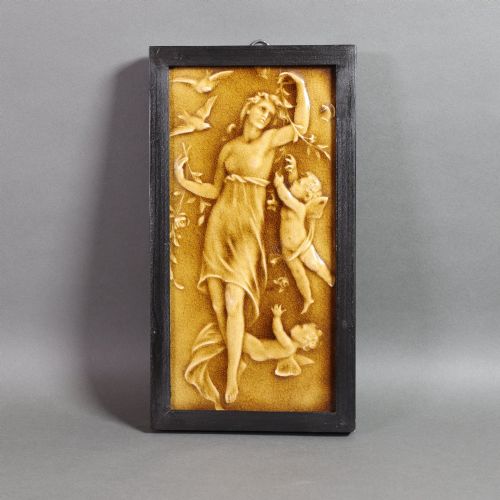
Makers utilised earthenware and ceramic bodies, applying tin glaze, standard glazes, and hand-painted pigments to create durable surfaces. Many examples feature painted motifs, relief moulding, or polychrome decoration executed on individual ceramic supports.
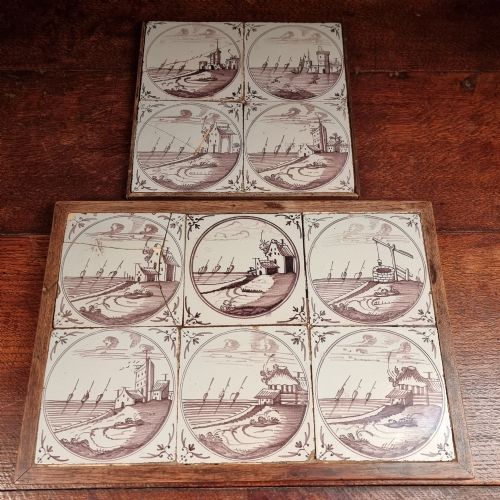
Surface treatment relies on controlled firing techniques to fix the glaze, whether producing manganese Delft panels, turquoise relief plaques, or intricate Persian script tiles. Wooden cabinetry and frames often incorporate these ceramic elements directly into structural furniture.
Listings feature tiles spanning the 17th century through the Edwardian period, utilising earthenware, ceramic, wood, and glaze.
Assessing quality and execution
Quality rests on the crispness of the hand-painted or moulded design and the depth and evenness of the glaze. Pieces bearing distinct artistic direction or named attribution show superior control compared to standard commercial output.
The preservation of the glazed surface and the integrity of any surrounding woodwork or framing significantly influence the overall standing of an individual piece.
Sherwin and Cotton·Minton and Hollins·William de Morgan·Longwy
The Antique Glazed Tiles Glossary
- Tin glaze
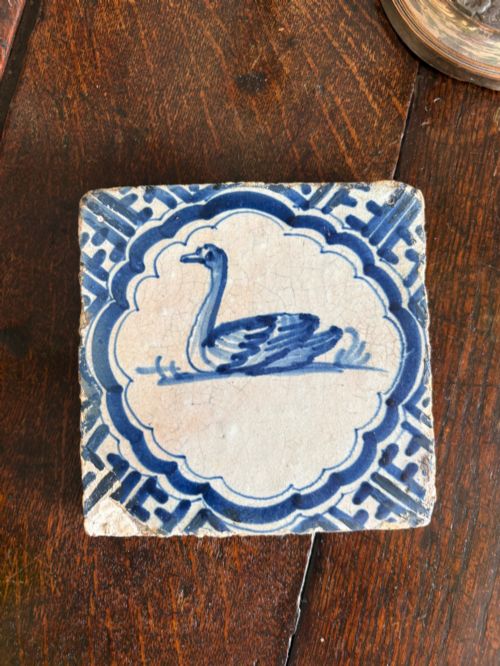
- An opaque white glaze produced by adding tin oxide to lead glaze, commonly used on Delft and majolica wares. It provides a smooth white background for painted decoration.
- Polychrome
- Decoration employing several colours rather than a single hue or monochrome palette. It is frequently seen on Dutch plaques and Italian faience.
- Faience
- Tin-glazed earthenware produced in Europe, particularly associated with Italian and French traditions. The technique allows for vibrant surface painting over a white enamel ground.
- Relief plaque
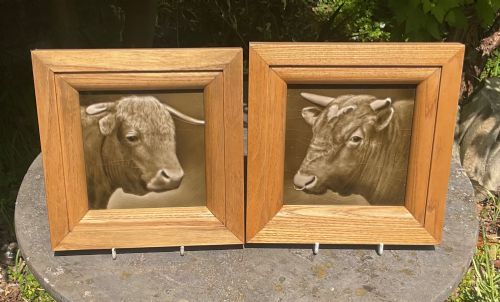
- A decorative tile or panel where the design is raised above the background plane. These pieces often highlight sculptural figures or animals.
- Manganese
- A metallic element used to create a distinct purple-brown pigment in ceramic decoration. Eighteenth-century Dutch tiles frequently utilise this specific colouring.
Antique Glazed Tiles: Frequently Asked Questions
How were antique glazed tiles used?
These pieces served both practical and decorative functions in domestic and architectural settings. They appeared as wall plaques, hearth surrounds, and architectural inserts.
Craftsmen also set them into furniture such as cabinets, dressers, and tables to add colour and texture to wooden surfaces.
How do I date a Delft tile?
Dating relies on stylistic clues, palette choices, and corner motifs characteristic of specific centuries. Seventeenth-century examples often display distinct painting styles compared to later eighteenth-century manganese work.
Examining the body fabric and glaze characteristics helps confirm the period of production.
Are framed tiles original?
Many tiles were mounted into frames or furniture either during their period of manufacture or later for protection and display. The mounting style often reflects the aesthetic tastes of the Victorian or Edwardian eras.
Inspect how the tile is secured within its oak or pine housing to understand its history.
What is the difference between earthenware and ceramic?
Earthenware is a specific type of porous pottery fired at lower temperatures, commonly used for traditional tiles and folk art pieces. Ceramic is a broader category encompassing various fired clay bodies.
Both materials received glazes to waterproof the surface and enhance decorative appeal.