
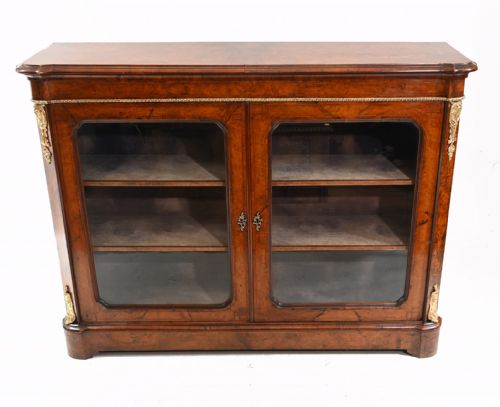


Antique Glazed Storage Chest
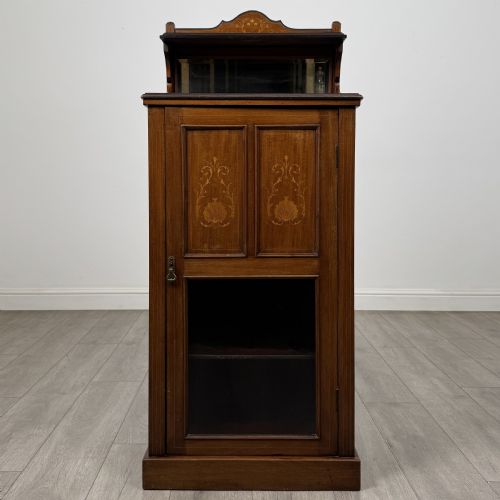
An antique glazed storage chest organises small collections or sheet music behind glass doors.
Antique Glazed Storage Chest
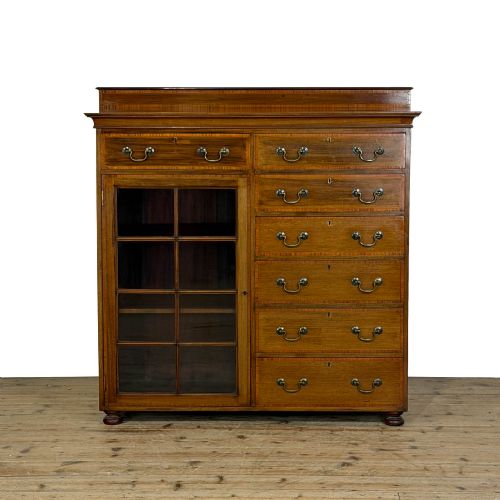
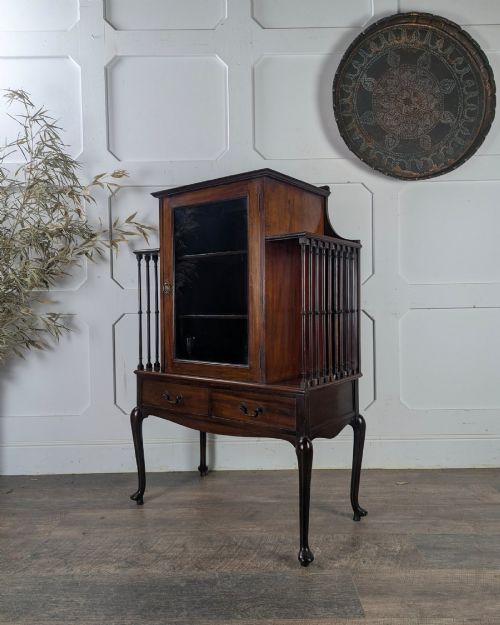
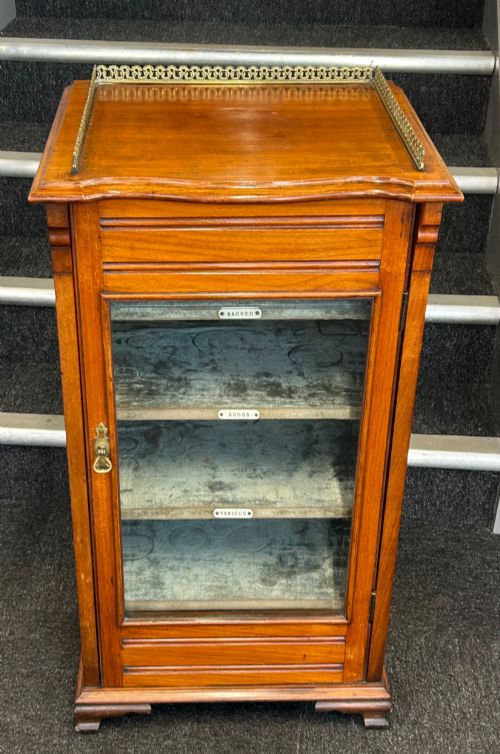
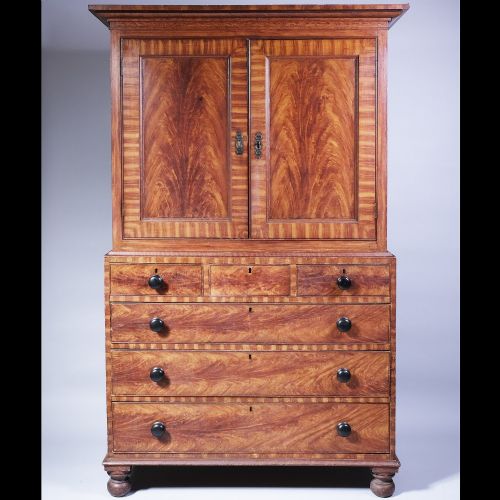
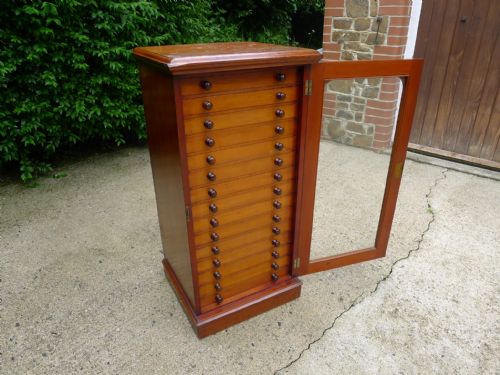
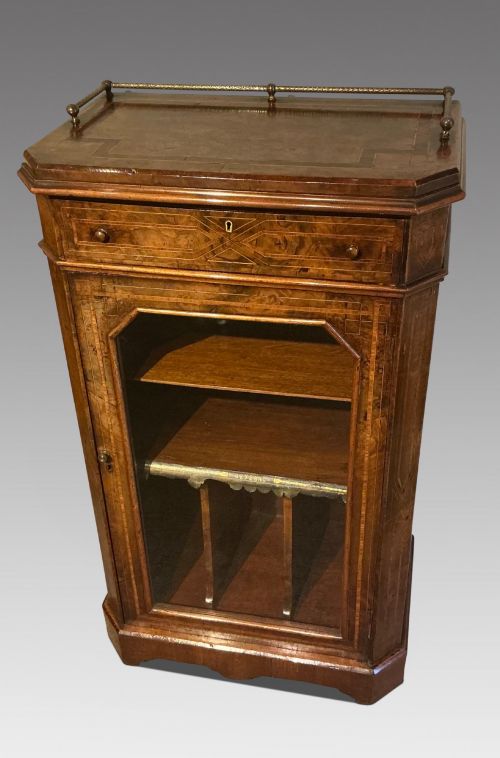
An antique glazed storage chest combines drawer storage with glazed display space, appearing in forms such as music cabinets, collector cabinets, and bookcases on chests. These pieces span the Victorian, Edwardian, and early twentieth-century periods, showing regional varieties like Victorian colonial and maritime industrial styles.
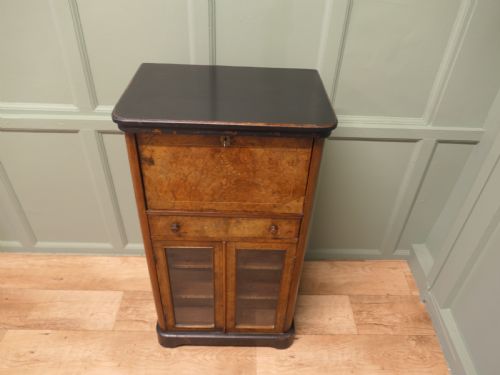
The materials used across these cabinets include mahogany, walnut, burr walnut, pine, teak, birch, and rosewood, often complemented by brass handles and mirror elements. Cabinets may feature scumble paint or inlaid details, reflecting the functional and aesthetic demands of their original domestic or scientific settings.
Construction and materials
Cabinet makers utilised dense hardwoods such as mahogany, walnut, and rosewood, alongside softer pine and birch for internal or painted carcases. Timber surfaces often received clear polishing to highlight natural grain patterns, or decorative treatments like scumble paint.
Glazing techniques secured glass panes within timber doors for display purposes, while brass hardware provided locks and pulls for drawers. Internal configurations varied extensively to accommodate specific items, from shallow multi-drawer insect trays to upright music sheet partitions.
Cabinets built for specimens occasionally retain tiny handwritten insect labels tucked inside their secret multi-drawer labyrinths.
Assessing quality and execution
Quality rests upon the selection of timber figures, such as burr walnut or figured pitch pine, and the precision of the joinery in housing numerous small drawers or glazed doors. Superior pieces display thoughtful matching of wood veneers and robust internal framing that withstands decades of drawer use.
Finer examples incorporate specialist fittings, such as secure brass locks marked by known makers, and carefully fitted glass panels. The integration of decorative inlay or polished brass highlights the distinction between standard utility furniture and bespoke cabinet work.
Watkins And Doncaster·Brady Of Edmonton·J T Crockett
The Antique Glazed Storage Chest Glossary
- Scumble paint
- A decorative surface technique applied to imitate finer wood grains or create mottled patterns on pine furniture. It became popular for utilitarian household pieces during the nineteenth century.
- Collector cabinet
- A specialised storage piece fitted with numerous shallow drawers designed to organise specimens like insects, slides, or ornithological items. These cabinets often feature secure glass doors to protect contents.
- Music cabinet
- A dedicated domestic storage form featuring internal shelves or vertical partitions built to hold sheet music. They frequently include glazed or panelled doors and date predominantly from the Victorian and Edwardian eras.
- Pier cabinet
- A tall, narrow display piece designed to fit into the wall space between windows. These cabinets generally incorporate glass doors for viewing stored objects.
Antique Glazed Storage Chest: Frequently Asked Questions
What fits inside these cabinets?
These cabinets suit sheet music, books, and small specimens like microscope slides or natural history collections.
Interior layouts range from vertical wooden slots to stacks of shallow drawers behind glass doors.
How do I date an Edwardian piece?
Edwardian cabinets date from roughly nineteen hundred to nineteen ten, often displaying lighter mahogany or inlaid satinwood.
Construction methods during this period also incorporated machine-sawn elements alongside traditional hand joinery.
Are the glass doors original?
Original glazing typically exhibits minor imperfections, bubbles, or slight waviness within the panes.
Frames show consistent timber ageing and matching finish to the rest of the cabinet carcase.
How should I clean walnut timber?
Maintain walnut surfaces by dusting with a dry, soft cloth and occasionally applying natural beeswax.
Avoid placing these wooden cabinets near direct heat sources or strong sunlight to prevent timber splitting.