


Antique Glazed Pitcher
An antique glazed pitcher brings historical utility and decorative expression to a room, offering tactile earthen charm and varied glazing techniques.
Antique Glazed Pitcher
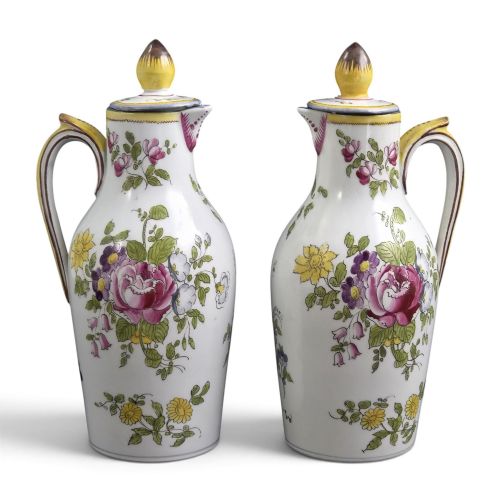
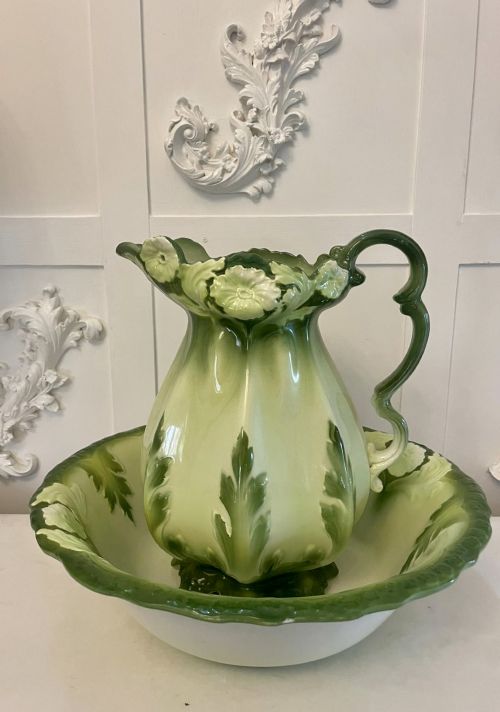
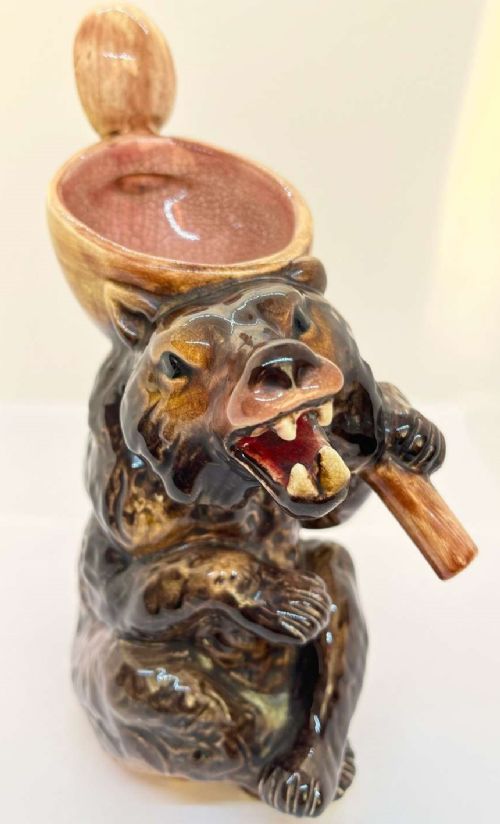
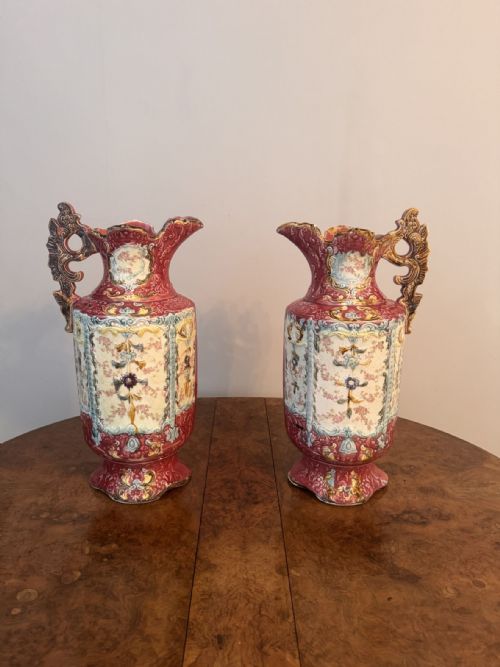
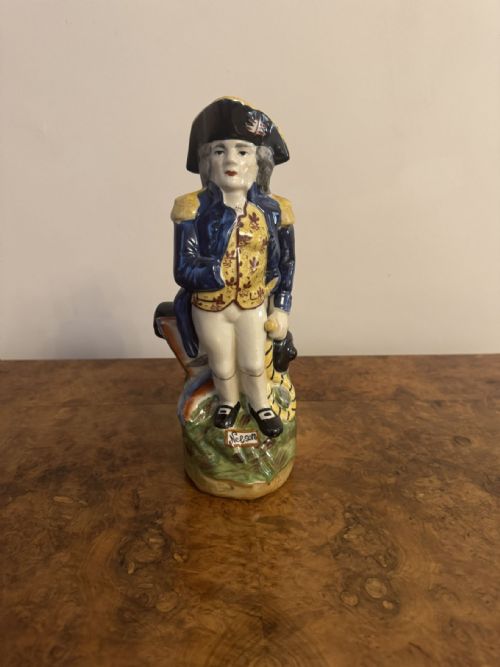
An antique glazed pitcher encompasses poured vessels shaped from clay, earthenware, and stoneware across centuries of domestic and decorative use. These items range from utilitarian storage jars and wash jug sets to sculptural toby jugs and display ewers.
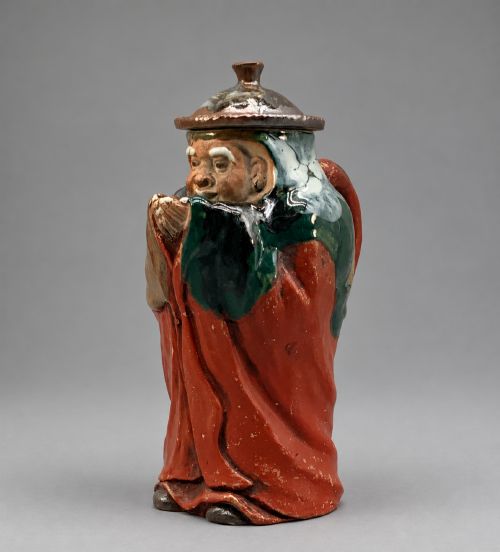
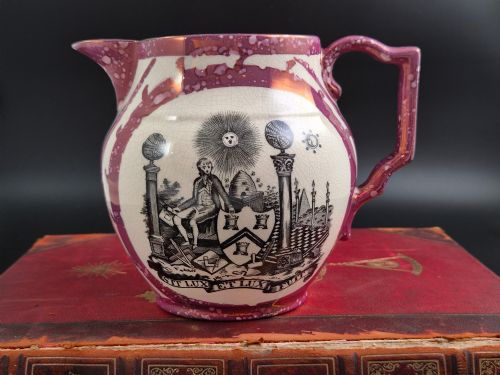
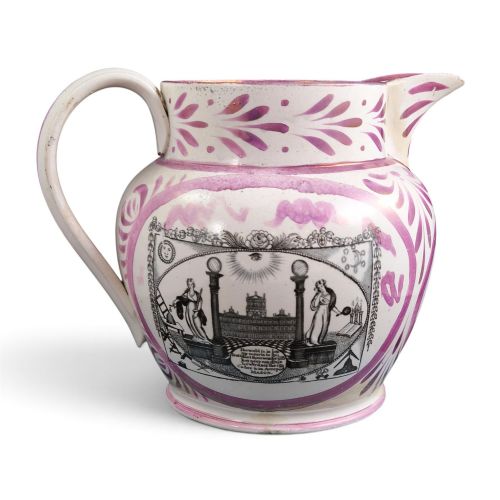
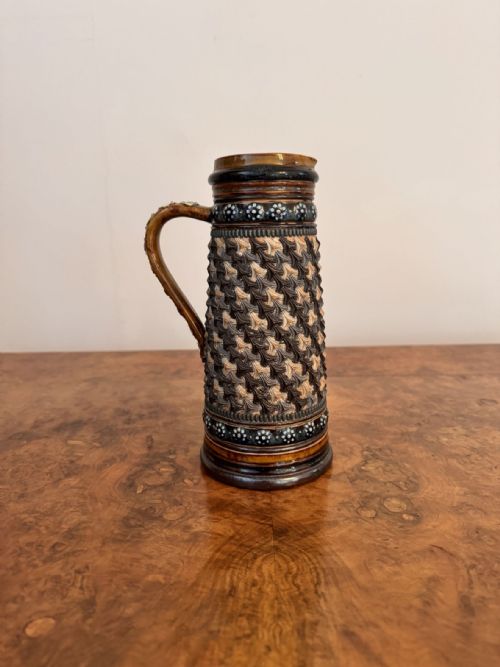
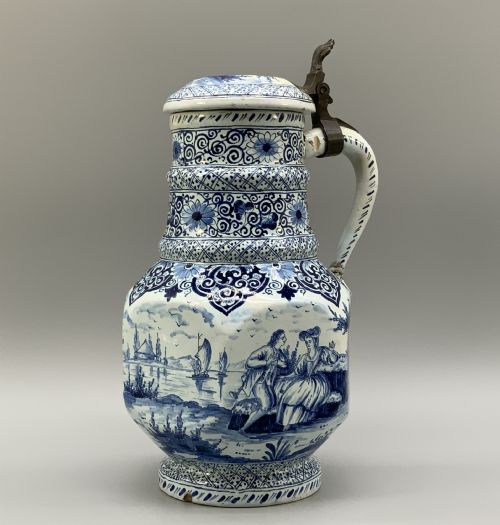
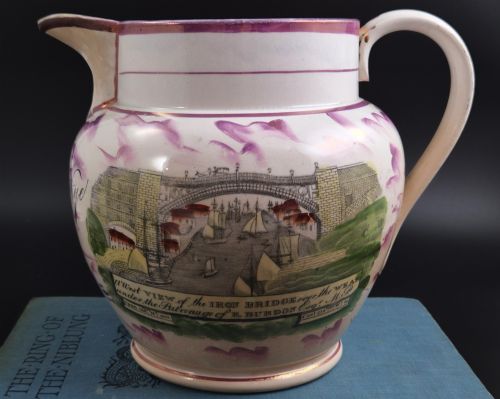
Makers shaped these containers through diverse regional traditions, from English lustreware and Dutch delftware to Japanese Sumida Gawa pottery. The version most commonly encountered on this page is the nineteenth-century earthenware or stoneware jug featuring hand-applied decoration or distinct coloured glazes.
How they were made
Potters formed these vessels from local clays, earthenware, and stoneware bodies, often shaping them upon a wheel or pressing them into moulds for relief details. Artisans then applied liquid slips, tin glazes, or salt glazes before firing the ceramic in kilns to vitrify the surface.
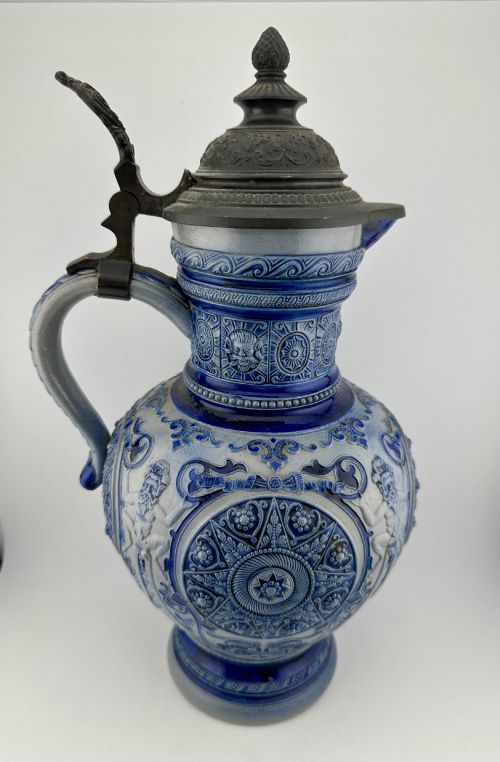
Decoration relied on hand-painted pigments, cobalt blue designs, transfer printing, or lustrous metallic films. Some workshops added pewter lids, sterling silver collars, or modelled handles to complete the construction.
Antique Glazed Pitcher Retail Price Guide 2026
Typical asking prices for glazed pitcher among the pieces listed under this phrase on Sellingantiques today, from the lower quarter to the upper quarter. They describe what is for sale here now, not the wider market.
Among the drinking vessels, a cheerful ceramic cow provides milk straight from its mouth.
What varies in quality
The standard of a piece rests on the crispness of the moulded relief, the control of the glaze application, and the clarity of painted details. Superior examples display balanced proportions and confident brushwork rather than hasty production methods.
Distinction also arises from the complexity of the form and the reputation of the workshop or potter. Exceptional glazing chemistry and well-preserved decorative lustre elevate certain jugs above standard utilitarian output.
Pieter Verburg·Veuve Perrin Marseille·Holdcroft·Doulton Lambeth·Royal Doulton·Doulon Burslem·Cantagalli Florence·Inoue Ryosai·Simon Peter Gerz·Sir Edmund Elton
The Antique Glazed Pitcher Glossary
- Earthenware
- Porous pottery fired at lower temperatures, requiring a glaze to achieve watertight containment. It forms the base of many traditional jugs.
- Stoneware
- Dense, impermeable ceramic fired at high temperatures until vitrified. This sturdy material resists cracking and holds liquids without difficulty.
- Salt glaze
- A vitreous coating formed by throwing common salt into the kiln during high-temperature firing, creating an orange-peel texture. It protects stoneware surfaces effectively.
- Tin glaze
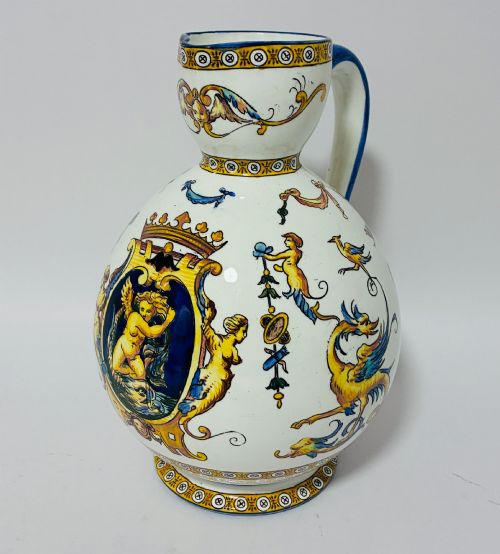
- An opaque white glaze containing tin oxide, used as a smooth background for painted pigments on delftware and faience. It creates a bright canvas for blue designs.
- Lustreware
- Pottery coated with a metallic film that reflects an iridescent sheen in the light. Sunderland and copper examples utilise this technique.
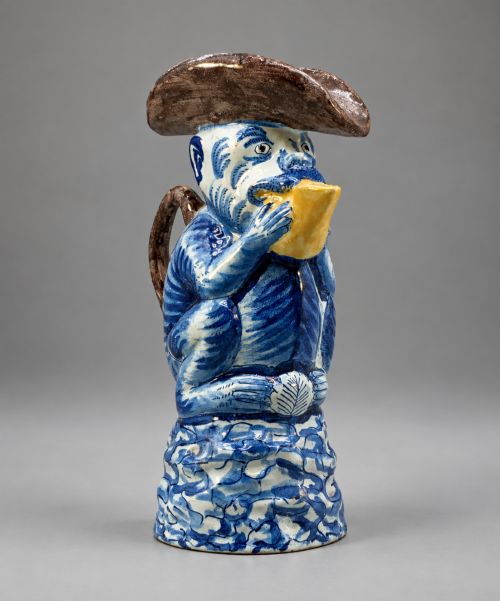
- Toby jug
- A pottery jug modelled in the shape of a seated person, often depicted drinking or holding a mug. These figures usually wear eighteenth-century attire.
Antique Glazed Pitcher: Frequently Asked Questions
What is an antique glazed pitcher used for?
These vessels served practical domestic roles such as holding water, milk, oil, or vinegar for daily household tasks. Larger pieces functioned within wash jug and bowl sets or acted as pouring containers at the table.
Over time, many of these items transitioned into decorative display objects. Collectors today place them on shelves or tables to showcase historic ceramic artistry.
How do I identify a nineteenth-century pitcher?
Nineteenth-century pieces frequently display Victorian styles, eclectic revival motifs, or characteristic lustre finishes. Makers during this era often utilised relief moulding and salt-glazed stoneware techniques.
Examination of the base and interior reveals manufacturing clues typical of the period. Stylistic markers such as Art Nouveau curves or transfer-printed scenes also point toward the nineteenth and early twentieth centuries.
Are these pitchers waterproof?
Stoneware and salt-glazed vessels are naturally vitrified and hold water without issue. Glazed earthenware pitchers are also generally sealed by their interior and exterior coatings.
Certain antique pieces with hairline cracks or historic repairs require cautious handling if used with liquids. Many collectors prefer to keep them dry to preserve the ceramic body.