
Antique Glazed Door
When searching for an antique glazed door, you are exploring fitted and freestanding timber cabinets designed to display and protect contents behind glass.
Antique Glazed Door
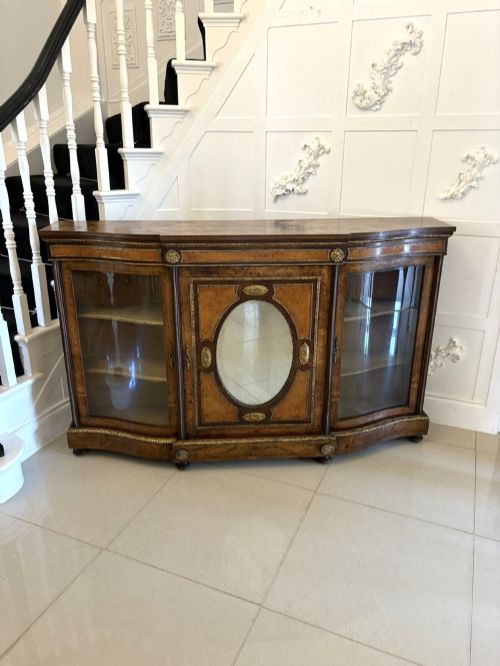
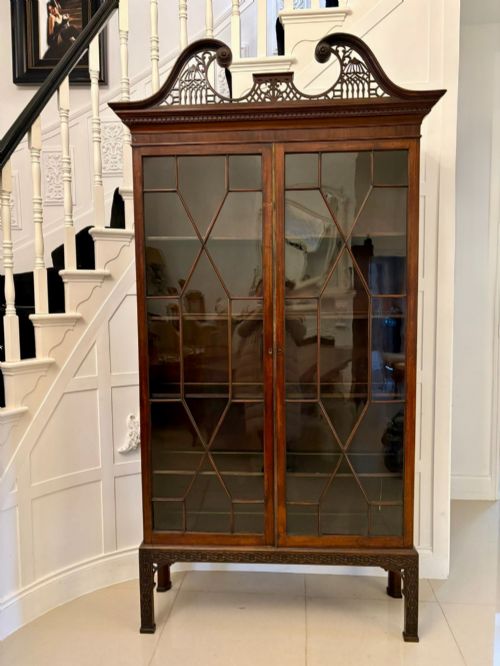
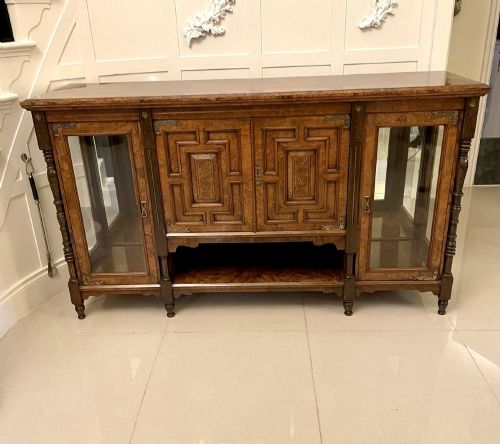
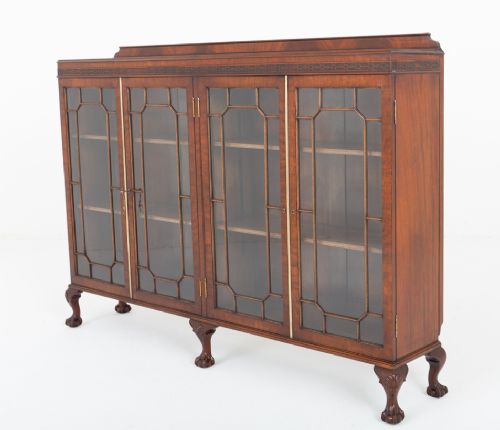
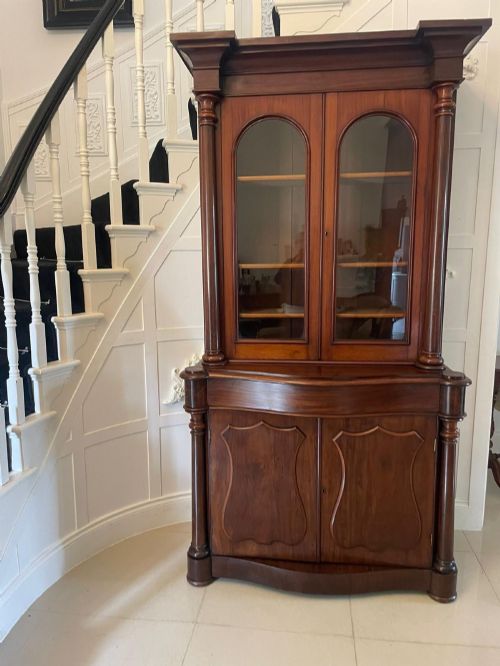
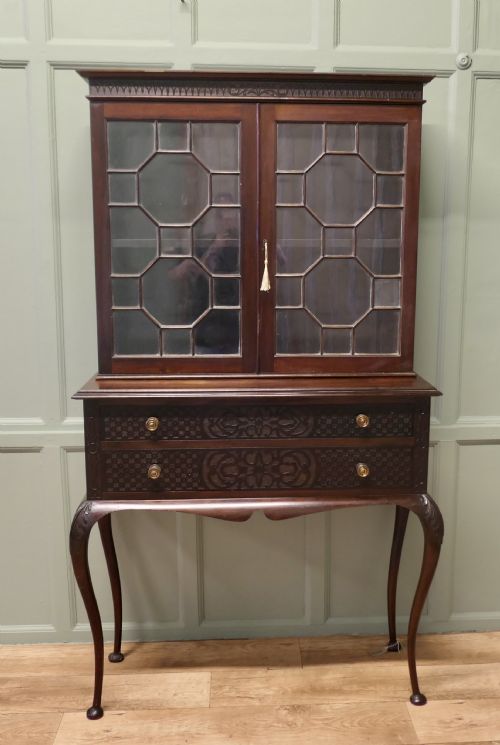
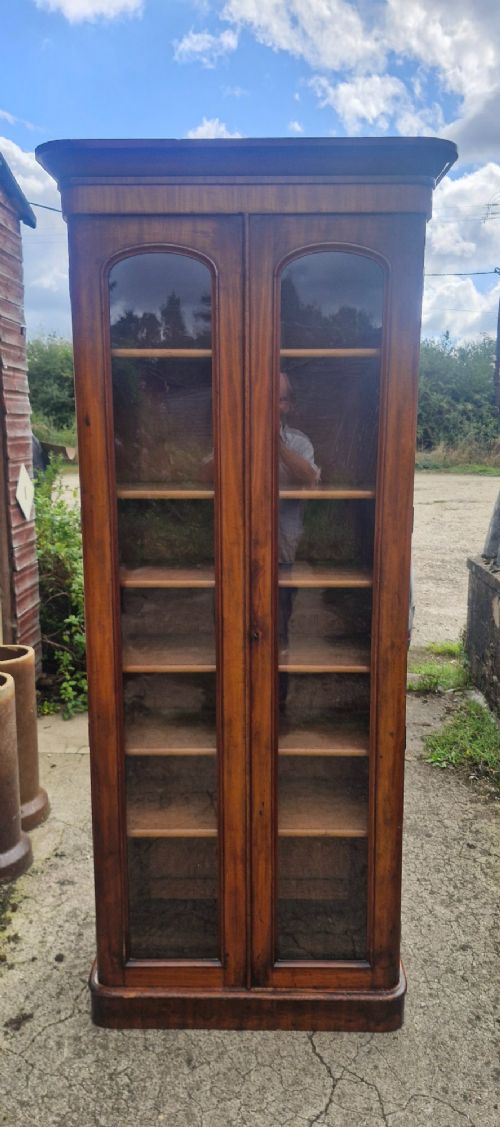
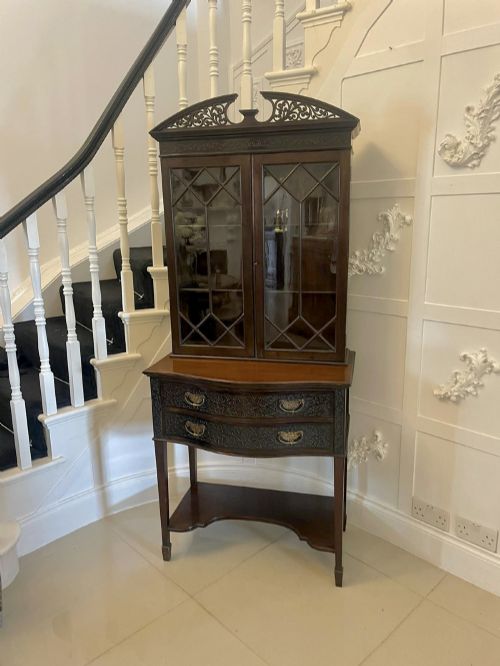
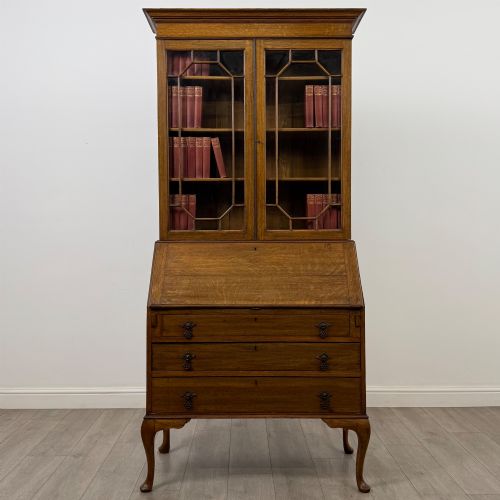
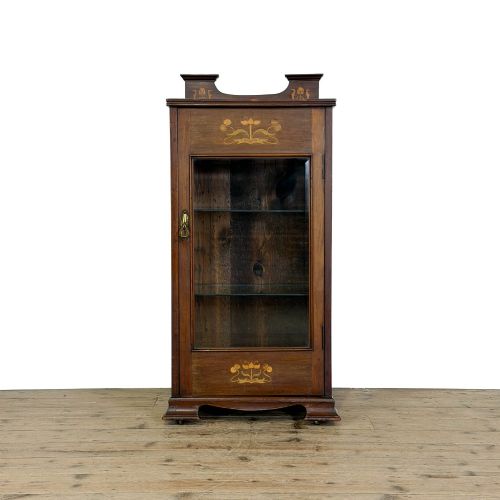
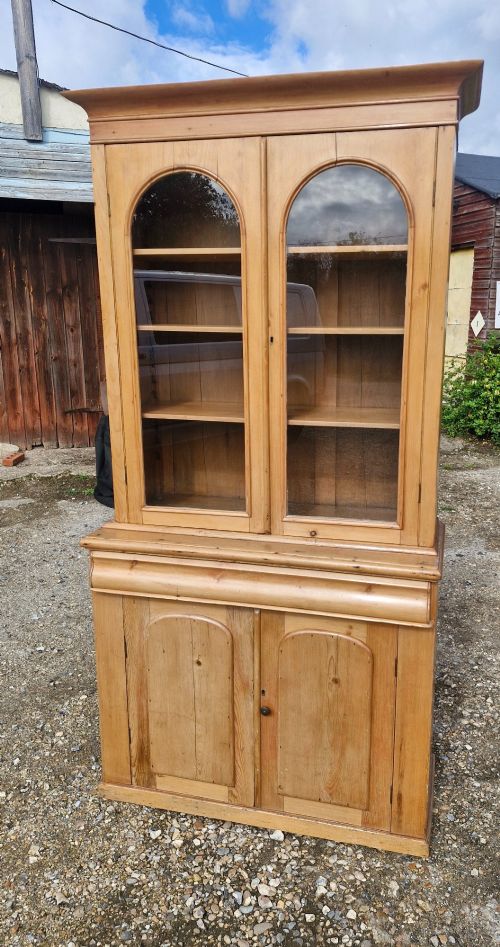
When searching for an antique glazed door, buyers encounter a diverse selection of furniture spanning the Victorian, Edwardian, and Regency periods alongside earlier examples. The primary forms found in these listings are bookcases, display cabinets, and side cabinets, often configured with multiple glazed doors to house books, china, or curiosities.
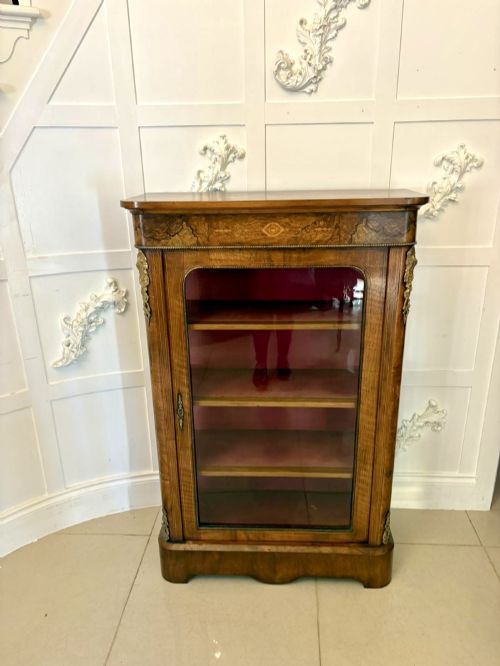
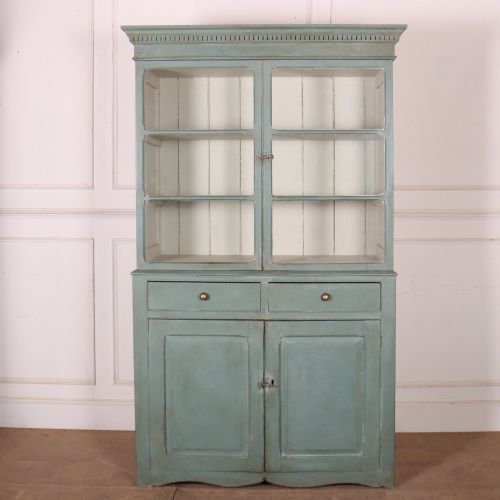
Victorian and Edwardian mahogany or oak bookcases dominate the available choices, frequently incorporating adjustable shelves or bureau sections. Buyers also meet breakfront bookcases, pier cabinets, and painted pine kitchen dressers featuring glazed upper compartments.
Origins range widely from Scottish country workshops to English metropolitan cabinet makers, with occasional Continental pieces like French kingwood vitrines or Biedermeier displays appearing in walnut.
Determining quality in glazed cabinetry
The standard of a piece rests upon the selection of timber figures, such as figured mahogany or burr walnut, and the precision of inlaid decorative details. Superior examples exhibit refined carving, balanced proportions, and careful matching of grain across multiple doors.
Listings feature mahogany, oak, walnut, and pine across Victorian, Edwardian, and Regency periods in various bookcase and cabinet formats.
Hampton & Sons London·Edwards & Roberts·Wylie & Lochhead of Glasgow·Minty Of Oxford·Duce & Co
The Antique Glazed Door Glossary
- Astragal
- The narrow wooden moulding that divides glass panes within a doorframe. These bars often form delicate lattice patterns.
- Vitrine
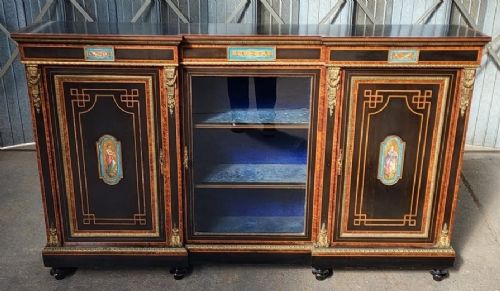
- A glass-sided display cabinet designed specifically for showing porcelain and small objects. Such pieces frequently feature ormolu mounts.
- Secretaire
- A cabinet incorporating a pull-down writing flap that conceals small drawers and pigeonholes. These often sit above glazed shelving.
- Breakfront
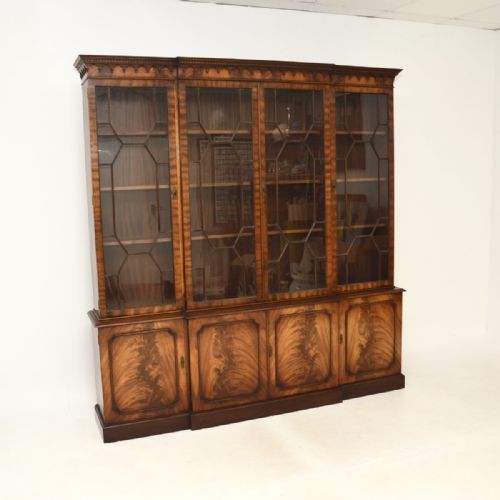
- A piece of furniture where the central section projects forward from the flanking wings. This configuration adds architectural depth to large bookcases.
- Pier cabinet
- A low freestanding cabinet designed to fit narrow wall spaces between windows. They typically feature single glazed doors and decorative marquetry.
Antique Glazed Door: Frequently Asked Questions
What periods do these glazed cabinets come from?
The selection spans several centuries, with particular concentrations in the Victorian and Edwardian eras. Regency, William IV, and earlier eighteenth-century examples also appear.
Construction details, timber choices, and stylistic cues help identify the specific period of manufacture for each individual cabinet.
How were glazed door cabinets originally used?
These pieces served primarily in libraries, offices, and formal rooms to store and protect valuable books from dust. They also functioned as display furniture for china, silver, and curiosities in drawing rooms.
Kitchen and pantry cupboards utilised glass doors to keep household provisions visible yet clean.
Are the shelves inside adjustable?
Many library bookcases and display cabinets feature adjustable wooden shelving supported by rack systems or brass pins. This allowed owners to accommodate books of varying heights.
Not every historic cabinet possesses this feature, so checking internal configurations remains important for practical storage.
What is an astragal glazed door?
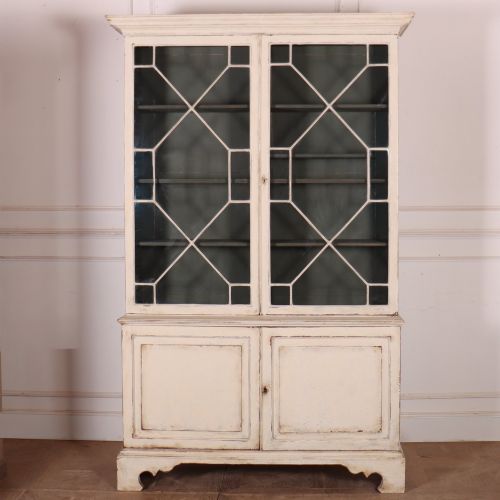
An astragal door uses thin wooden strips to divide a large glass opening into smaller geometric panes. This traditional technique provides structural support while adding decorative elegance.
Such glazing is commonly found on refined Georgian and Victorian breakfront bookcases.