
Vintage Painted Wood Door
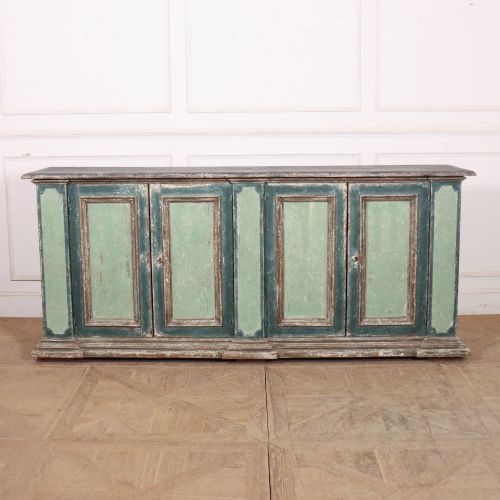
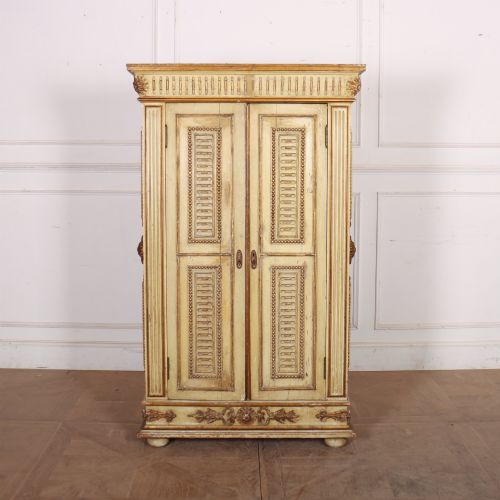
Vintage painted wood door search results bring together timber panels, cupboards, and cabinets carrying centuries of decorative surface finish.
Vintage Painted Wood Door
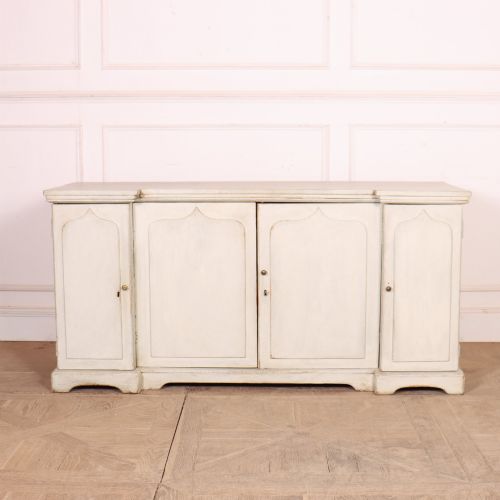
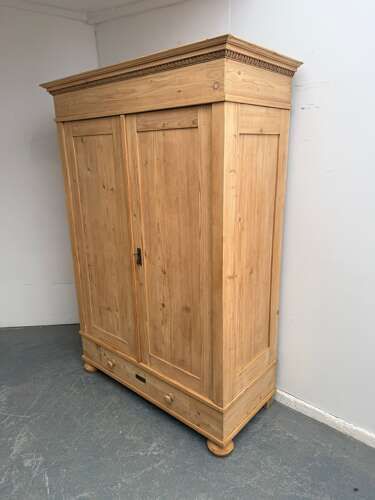
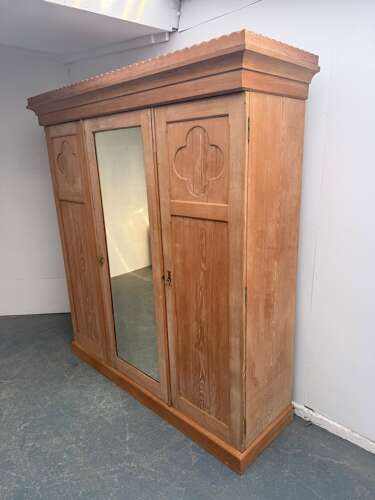
A vintage painted wood door search brings up a varied selection of architectural fragments, substantial wardrobes, cupboards, and bookcases dating from the eighteenth century through to the nineteen-thirties. Buyers hunting for these pieces encounter items sourced from English country houses, French provincial settings, and Scandinavian workshops, reflecting diverse regional aesthetics.
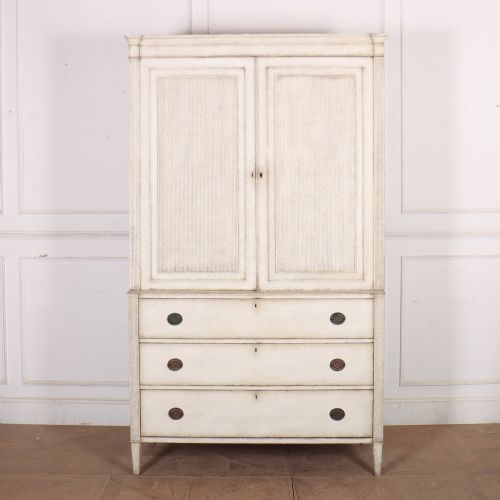
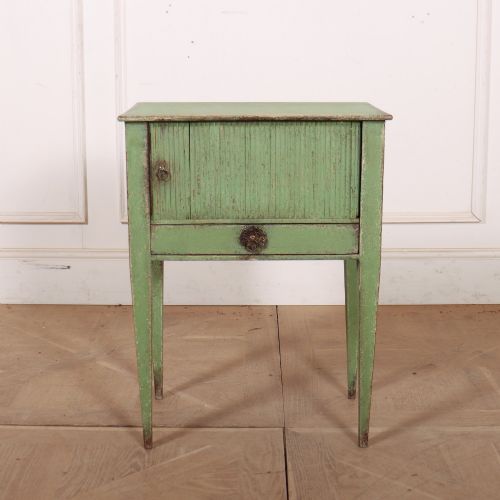
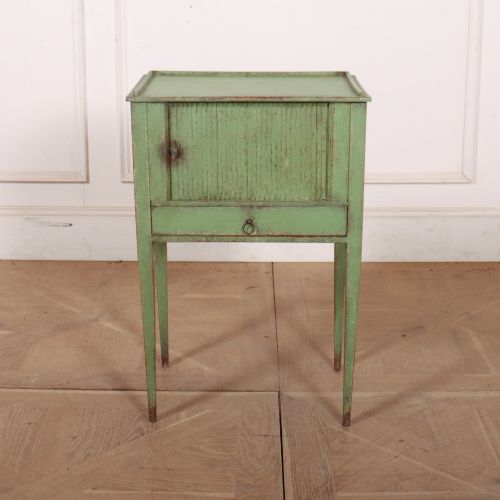
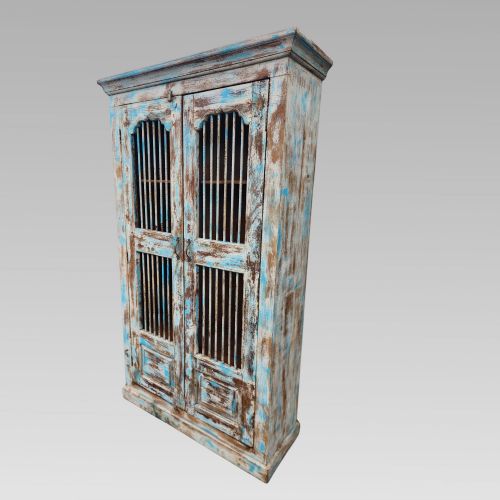
The items span multiple forms, including individual pairs of carved wooden doors, side cabinets, school cupboards, and tall linen presses. Many examples combine structural timber frames with glazed sections, brass hardware, or iron fittings, demonstrating how practical domestic storage merged with decorative painting traditions over successive design periods.
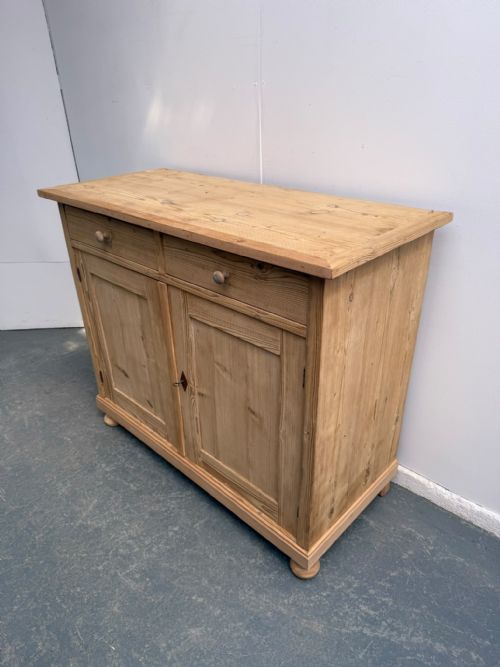
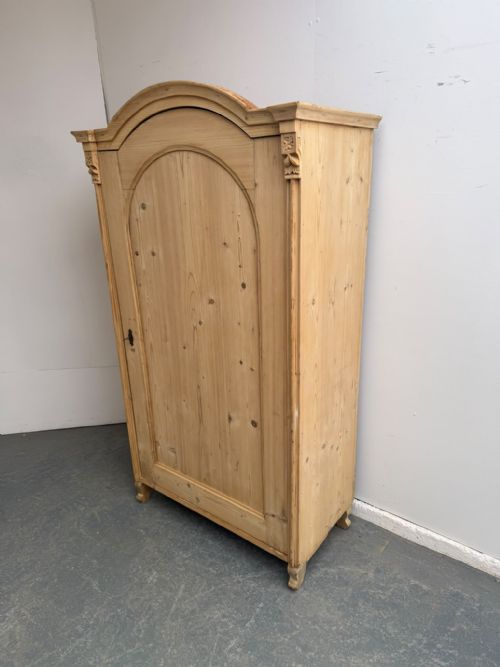
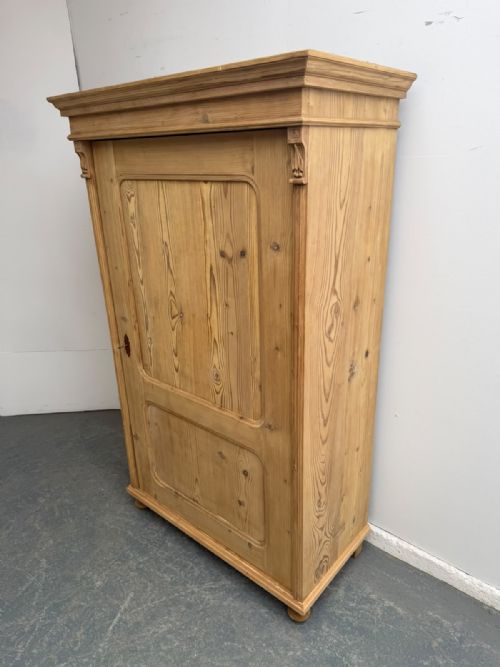
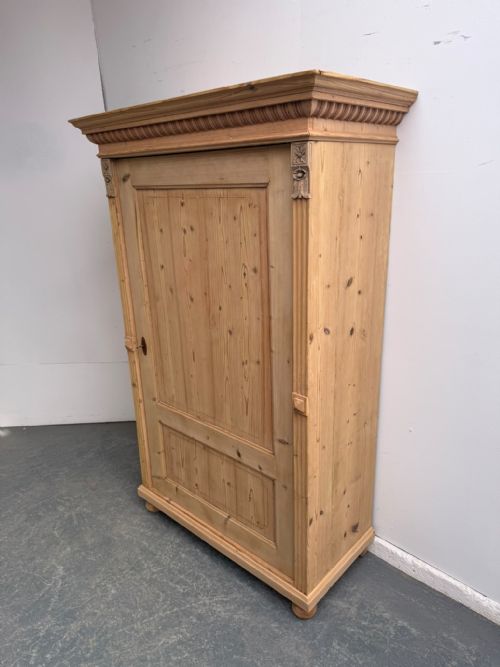
Domestic storage furniture dominates the selection, alongside architectural elements like wall cabinets and specific door panels. Whether looking at a Victorian pine cupboard or an eighteenth-century Swedish linen cupboard, the common thread is the integration of painted wood surfaces across diverse furniture types.
Materials and construction methods
Makers utilised native and imported softwoods and hardwoods, predominantly pine, ash, satinwood, and teak, building carcasses with standard joinery techniques before applying surface decoration. Iron and brass hardware such as hinges, handles, and locks secured doors and drawers across wardrobes, bookcases, and cabinets.
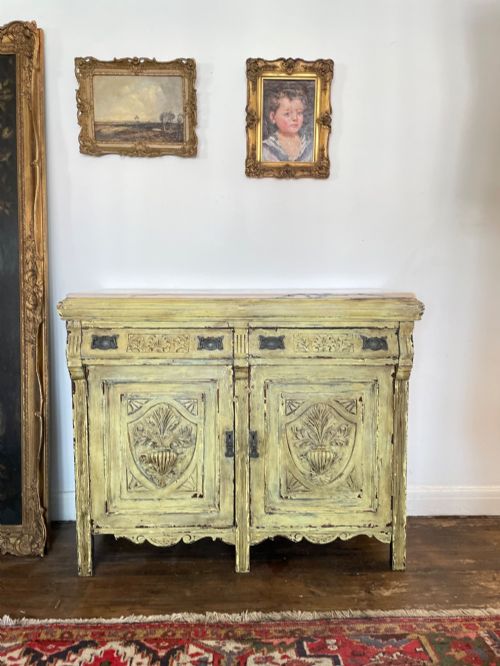
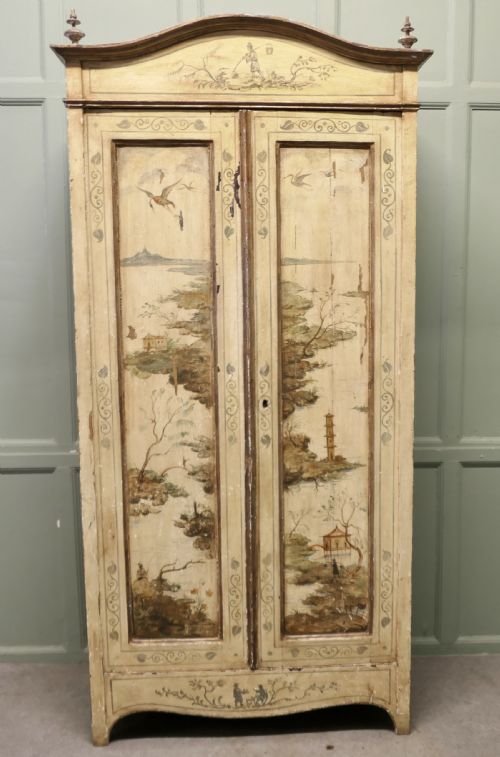
Surface finishes range from simple lead-based or oil paints to complex polychrome schemes, Chinoiserie lacquer, and hand-painted outdoor scenes. Artisans applied these decorative layers over timber preparations, sometimes incorporating glass panels or marble tops to complete the functional storage pieces.
Listings span periods from the 18th century through the Victorian era up to the 1930s, featuring pine, teak, ash, and satinwood.
Distinguishing quality across the range
The grade of an item rests upon the integrity of the original timber construction and the preservation of authentic surface decoration. Pieces retaining untouched, period paint layers command greater interest than those subjected to repeated overpainting or modern stripping.
Structural refinement sets apart standard utility furniture from sophisticated examples, visible in the precision of cabinet joinery, the quality of hand-carved details, and the depth of decorative lacquer or polychrome work. Original hardware and undisturbed interior fittings further elevate the standing of individual pieces.
The Vintage Painted Wood Door Glossary
- Compactum wardrobe
- A large wardrobe designed with internal compartments, drawers, and hanging space to store a complete range of clothing efficiently. These pieces often feature multiple doors enclosing the fitted interior.
- Chinoiserie lacquer
- A European decorative technique mimicking traditional East Asian lacquerwork, utilising raised motifs and painted outdoor scenes. It frequently appears on eighteenth and nineteenth-century cupboards and cabinets.
- Dresser base
- A low, heavy sideboard or counter featuring drawers and cupboards beneath a flat surface. These items served functional roles in large country house kitchens and dining rooms.
- Polychrome
- The practice of decorating architectural elements or furniture surfaces in multiple colours. This finish enhances carved details on wardrobes and storage cupboards.
- Secretaire
- A cabinet or bureau incorporating a pull-down writing flap that conceals small drawers and pigeonholes. It combines desk functionality with enclosed cupboard storage.
Vintage Painted Wood Door: Frequently Asked Questions
How do I date a painted wooden cupboard?
Dating relies on examining construction methods, timber types, and the composition of the paint layers beneath any later coats. Tool marks, joint types, and historical hardware styles offer reliable clues to the period of origin.
Surface wear patterns and the ageing of the wood further assist in establishing whether a piece originates from the eighteenth, nineteenth, or early twentieth century.
How do I care for original painted wood surfaces?
Preserving vintage painted finishes requires avoiding harsh chemical cleaners, modern solvents, and excessive moisture which can lift or dissolve historic paint layers. Dusting gently with a dry, soft cloth remains the safest method for routine maintenance.
Keeping items away from direct sunlight and fluctuating radiator heat prevents the underlying timber from warping and the paint from cracking or flaking.
What is the difference between a compactum and a standard wardrobe?
A standard wardrobe primarily offers hanging space behind full-length doors, occasionally supplemented by a single base drawer. A compactum integrates multiple internal configurations, including shelving banks, linen slides, and small drawers alongside hanging sections.
This compartmented design allowed owners to store folded garments and accessories within a single multi-door cabinet.